✨ This article was AI edited. Editorial responsibility: StMichaelsSoccer.com.
Wondering exactly what college scouts look for in wingers (checklist included) before they offer a roster spot? We analyzed recruiting guidelines across D1, D2, and D3 programs to reveal the exact tactical and physical metrics coaches use to evaluate wide players, so you can stop guessing and start getting noticed.
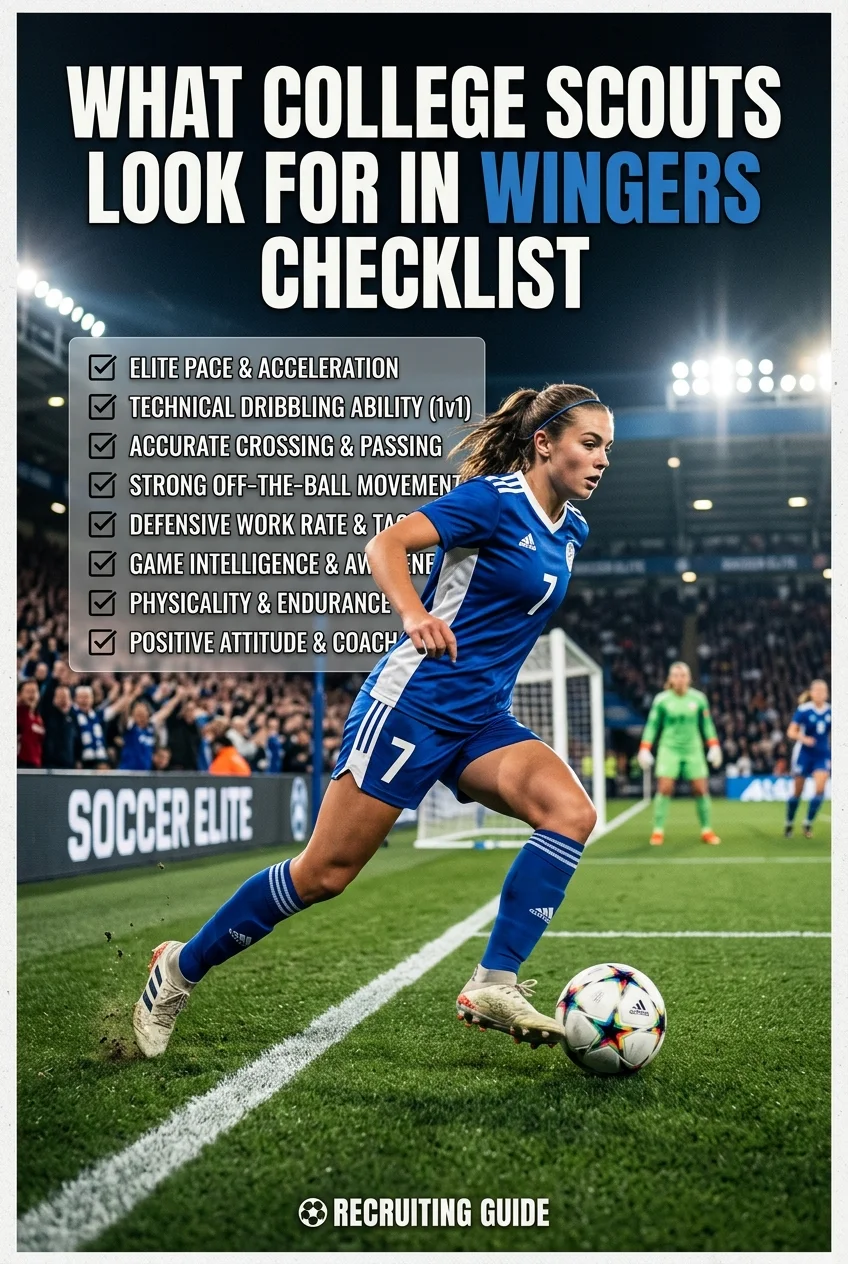
| Rank | Name | Primary Scout Impact | Recruiting Level Focus |
|---|---|---|---|
| 1 | 1v1 Isolation Dribbling | Proves ability to break down low blocks | Intermediate |
| 2 | Off-Ball Pressing Work Rate | Demonstrates modern collegiate defensive system readiness | Advanced |
| 3 | GPS High-Speed Running (HSR) | Validates physical readiness for NCAA match tempo | Advanced |
| 4 | Tactical Versatility (Inverted Winger) | Shows multi-positional flexibility in flexible formations | Intermediate |
| 5 | Final-Third Service Quality | Directly impacts team expected assists (xA) | Intermediate |
| 6 | Hudl Highlight Video Protocol | Determines whether a coach schedules an in-person evaluation | Beginner |
| 7 | NCSA Recruiting Metric Matrix | Aligns player profile with realistic division targets | Beginner |
| 8 | NCAA Eligibility Center Standards | Removes academic red flags during roster allocations | Beginner |
Contents
- 1v1 Isolation Dribbling: Escaping ‘The Track Star Trap’
- Off-Ball Pressing Work Rate: Operating as a High-Block Engine
- GPS High-Speed Running (HSR) & D1 vs D3 Athletic Benchmarks
- Tactical Versatility: Mastering the Inverted Winger Framework
- Final-Third Service Quality & Wide Player Technical Index
- Hudl Highlight Video Protocol: What Scouts Want in 3 Minutes
- NCSA Recruiting Metric Matrix: Self-Evaluating Player Impact
- NCAA Eligibility Center Standards & Academic Recruiting Readiness
- First Touch Under Pressure & Half-Turn Receiving Mechanics
- Pitch Communication & Scout Sideline Evaluation Metrics
- Frequently Asked Questions
- What is the most important trait scouts look for in a winger?
- How do D1 and D3 winger recruiting benchmarks differ?
- What should a winger include in a Hudl highlight video?
- Why do college coaches prefer inverted wingers?
- Do academics matter for a college soccer winger recruit?
1v1 Isolation Dribbling: Escaping ‘The Track Star Trap’
📊 Recruiting Level Focus: Intermediate | 🎯 Primary Scout Impact: Proves ability to break down low blocks | 💡 Key Tactical Insight: Scouts value 1v1 success inside the final third over mid-pitch sprints
Many young players fall into The Track Star Trap (Speed Without Ball Control) by relying solely on raw pace instead of technical skill. While being fast is an asset, scouts actively look for wingers who can execute a precise winger in soccer move to beat defenders in tight spaces.
To stand out, you need to understand The Green Light Trigger (1v1 Aggression in Final Third), which dictates exactly when to take on your fullback. A recent Case Study: 1v1 Isolation Success Rate in ECNL/MLS NEXT highlighted that players who successfully isolate and beat their defender create significantly more high-quality scoring chances.
Demonstrating this level of professional data-backed decision-making proves you are ready for the collegiate level. Start drilling your 1v1 isolation moves to ensure you bring more than just speed to the pitch.
Off-Ball Pressing Work Rate: Operating as a High-Block Engine
📊 Recruiting Level Focus: Advanced | 🎯 Primary Scout Impact: Demonstrates modern collegiate defensive system readiness | 💡 Key Tactical Insight: Counter-pressing efficiency generates immediate transition goal chances
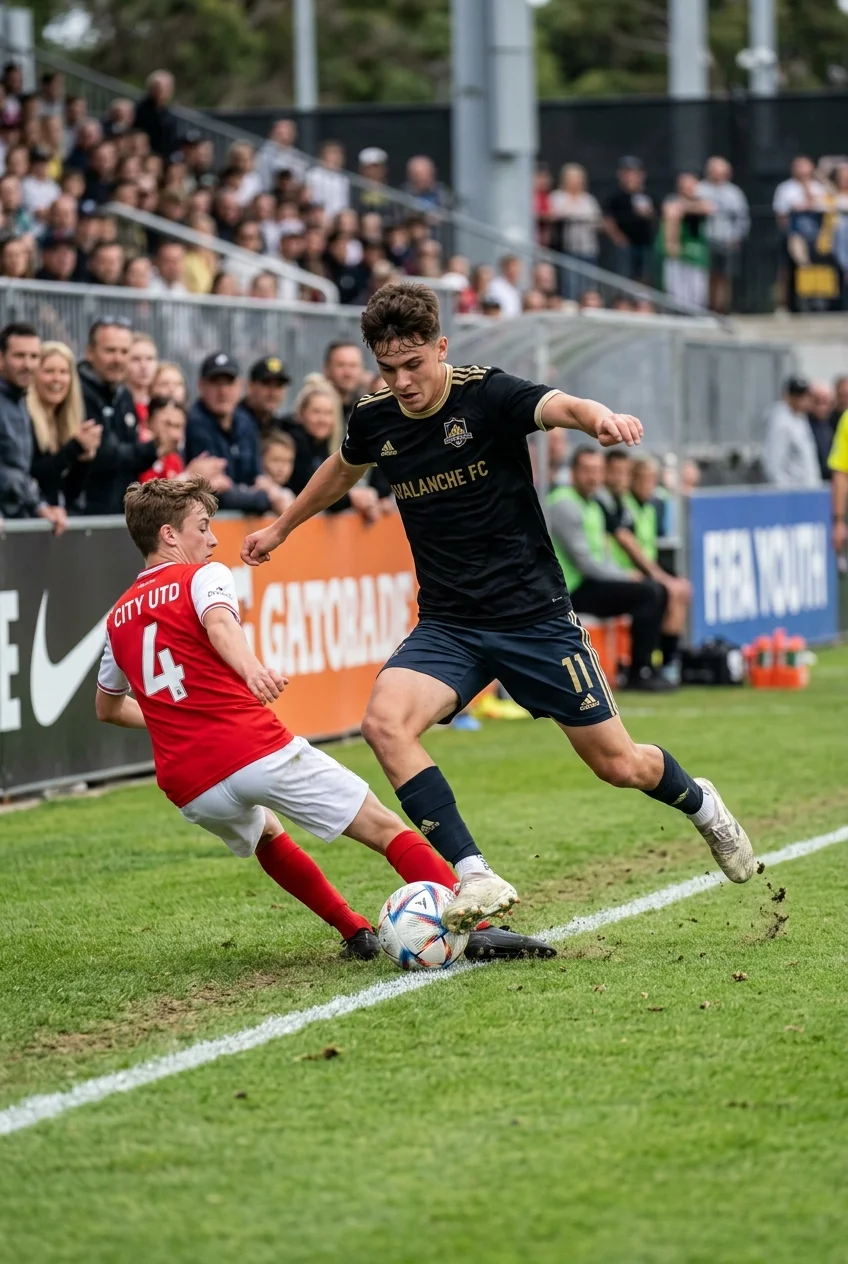
Modern collegiate programs demand that wingers act as The High-Block Engine (Counter-Pressing Work Rate), disrupting the opponent’s build-up play right from the front. A minimalist approach to defending—simply dropping back into shape—is no longer enough for top-tier scouts.
A recent Case Study: Off-Ball Defensive Recovery Metrics in College Soccer showed a direct correlation between advanced pressing actions and increased team transition goals. College coaches scrutinize your willingness to immediately sprint and close down space the moment possession is lost.
Embracing this paradigm shift transforms a luxury attacker into an indispensable two-way asset. Improve your off-ball stamina and defensive recognition to drastically elevate your recruitment profile and show you can handle defensive rigors.
GPS High-Speed Running (HSR) & D1 vs D3 Athletic Benchmarks
📊 Recruiting Level Focus: Advanced | 🎯 Primary Scout Impact: Validates physical readiness for NCAA match tempo | 💡 Key Tactical Insight: Repeat sprint ability (RSA) matters more than single top-speed attempts
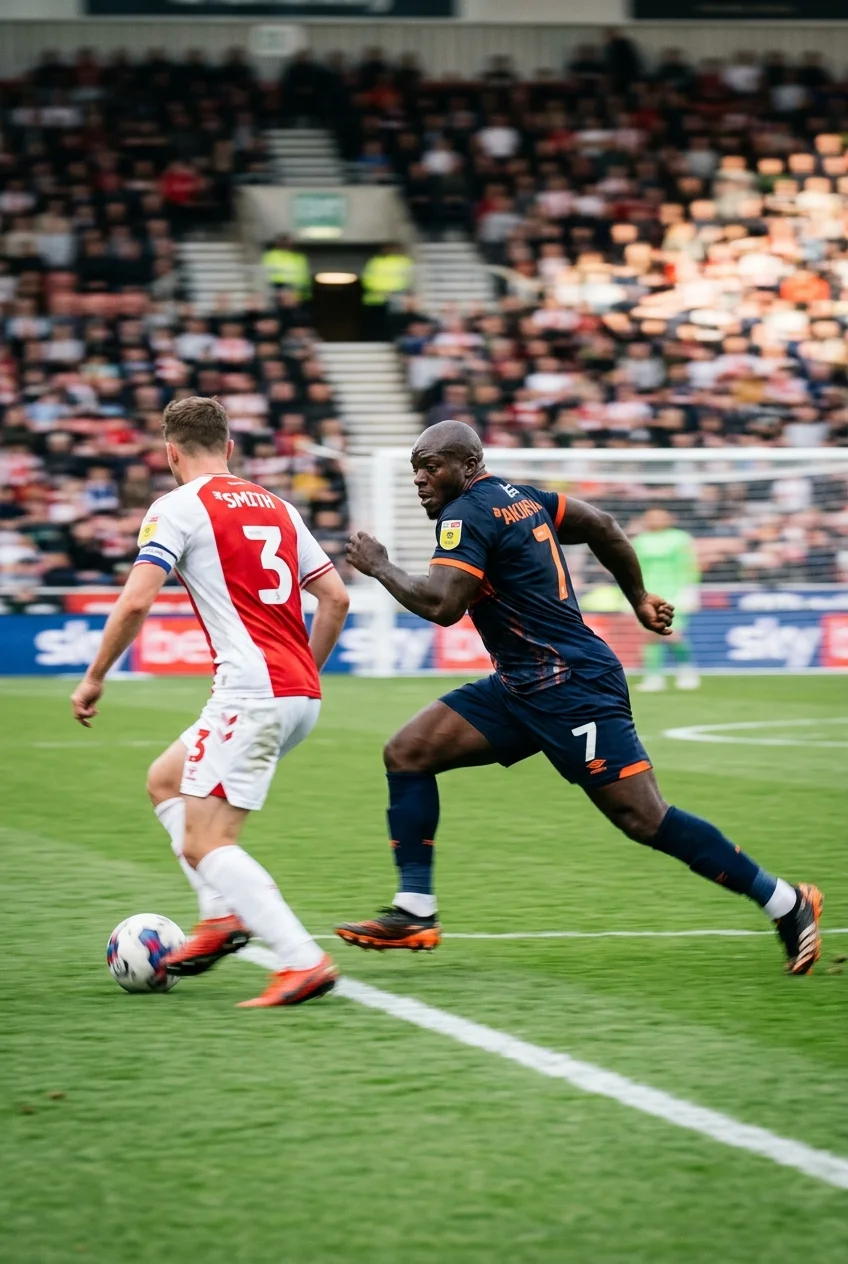
Scouts increasingly rely on the GPS High-Speed Running (HSR) Tracking Framework to objectively measure a player’s physical capacity during intense matches. This professional expert framework allows coaches to see beyond the eye test and analyze exactly how much ground a winger covers at elite speeds.
When reviewing a Case Study: D1 vs D3 Wing-Forward Physical Benchmarks, the data clearly reveals that repeat sprint ability separates top recruits from the rest of the pack. It is not just about your absolute top speed, but rather your ability to maintain high-intensity runs in the 85th minute of a tight match.
Matching these advanced athletic benchmarks is a baseline requirement for standing out in today’s fast-paced collegiate game. Focus your conditioning on sustained sprint endurance to prove you can handle the demanding NCAA tempo and outwork your opponents.
Tactical Versatility: Mastering the Inverted Winger Framework
📊 Recruiting Level Focus: Intermediate | 🎯 Primary Scout Impact: Shows multi-positional flexibility in flexible formations | 💡 Key Tactical Insight: Cutting inside opens passing channels to central midfielders and forwards
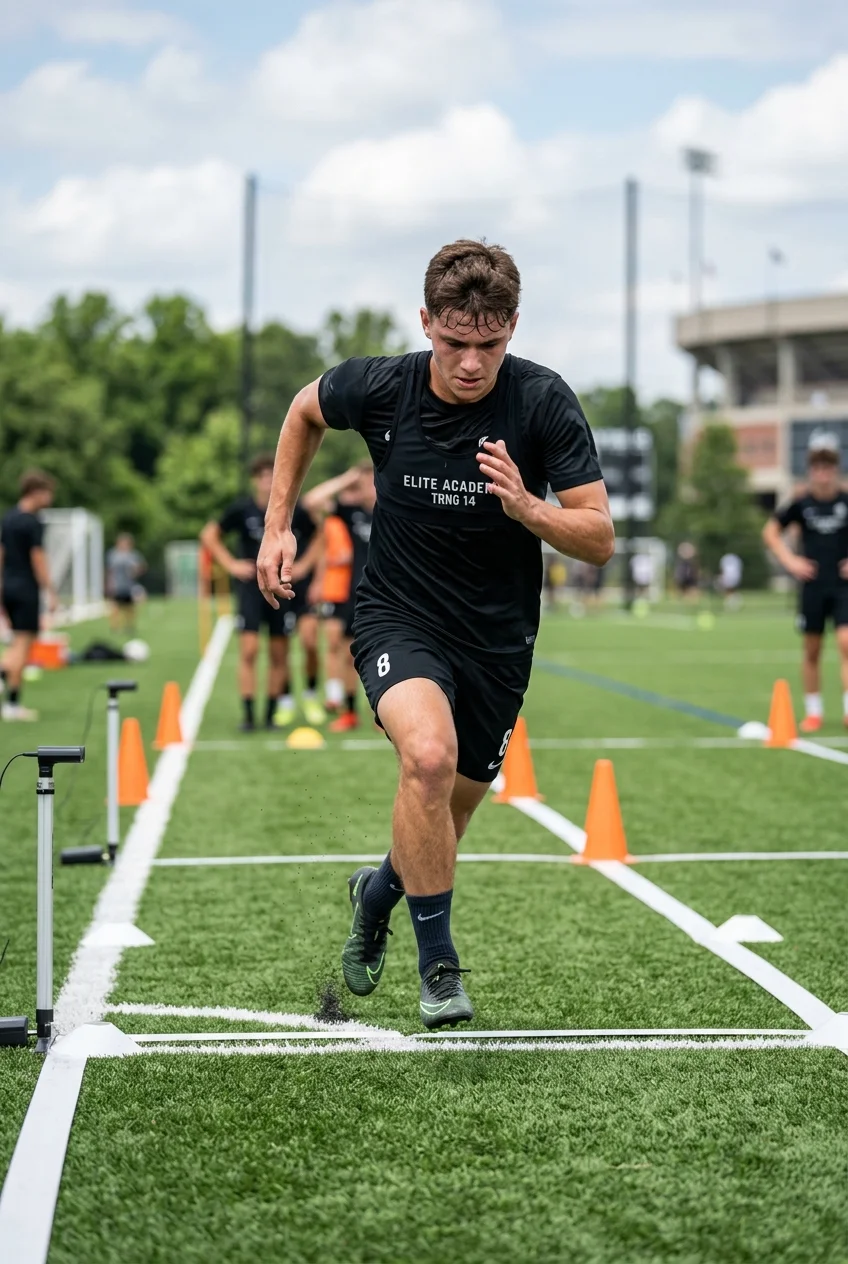
Mastering the Inverted Winger Tactical Role Framework is crucial for modern players, completely shattering the common myth that wide players must stay glued to the touchline. Scouts love recruiting The Swiss Army Knife Winger (Tactical Versatility) because these players can seamlessly shift inside to overload the midfield and create numeric advantages, directly aligning with key left wing position insights.
A widespread Misconception: Straight-Line Pace Beats Tactical Decision-Making often leads young athletes to ignore the nuanced movements required in maximalist attacking systems. By cutting inside onto your dominant foot, you instantly open up dangerous passing channels to central midfielders and forwards.
Showcasing this multi-positional flexibility proves you possess the high soccer IQ necessary to adapt to complex college formations. Start practicing your inside cuts and half-space positioning to make yourself an irresistible prospect for collegiate programs looking for dynamic attackers.

Final-Third Service Quality & Wide Player Technical Index
📊 Recruiting Level Focus: Intermediate | 🎯 Primary Scout Impact: Directly impacts team expected assists (xA) and chance creation | 💡 Key Tactical Insight: Low driven cutbacks yield higher conversion rates than floating far-post crosses
Producing high-quality service in the attacking zone is measured strictly by the UEFA/USSF Wide Player Technical Index, a standard that top-tier scouts follow closely. In a real-world DIY training environment, players must master essential crossing techniques in soccer to deliver low, driven cutbacks rather than just aimlessly floating the ball toward the far post.
College coaches know that precise final-third delivery directly correlates with a team’s expected assists (xA) and overall chance creation. If you cannot consistently find a teammate’s feet under heavy defensive pressure, your effectiveness on the wing drops significantly in collegiate play.
Refining your crossing technique to meet these technical benchmarks is non-negotiable for aspiring college athletes looking to secure a roster spot. Spend extra hours perfecting your cutbacks to guarantee you offer tangible, game-changing attacking output.

Hudl Highlight Video Protocol: What Scouts Want in 3 Minutes
📊 Recruiting Level Focus: Beginner | 🎯 Primary Scout Impact: Determines whether a coach schedules an in-person evaluation | 💡 Key Tactical Insight: Include 3-5 seconds before and after touches to show off-ball intelligence
College coaches are incredibly busy during recruiting seasons, making a streamlined Hudl Highlight Video Structure Protocol essential for catching their eye quickly. You must grab their attention within the first thirty seconds by showcasing high-impact plays rather than saving your best moments for the end. This efficient approach respects a professional scout’s time and instantly proves your value.
A major error many young wingers make involves the Misconception: Highlight Reels Only Need Goal Highlights. In reality, evaluators want to see your defensive recovery runs, intelligent off-the-ball movement, and overall work rate. Including three to five seconds of footage before and after your direct involvement gives coaches a true sense of your spatial awareness.
Taking this professional mindset into the editing room ensures you are demonstrating a complete tactical profile. Keep the video under three minutes and prioritize quality game intelligence over flashy but isolated tricks.
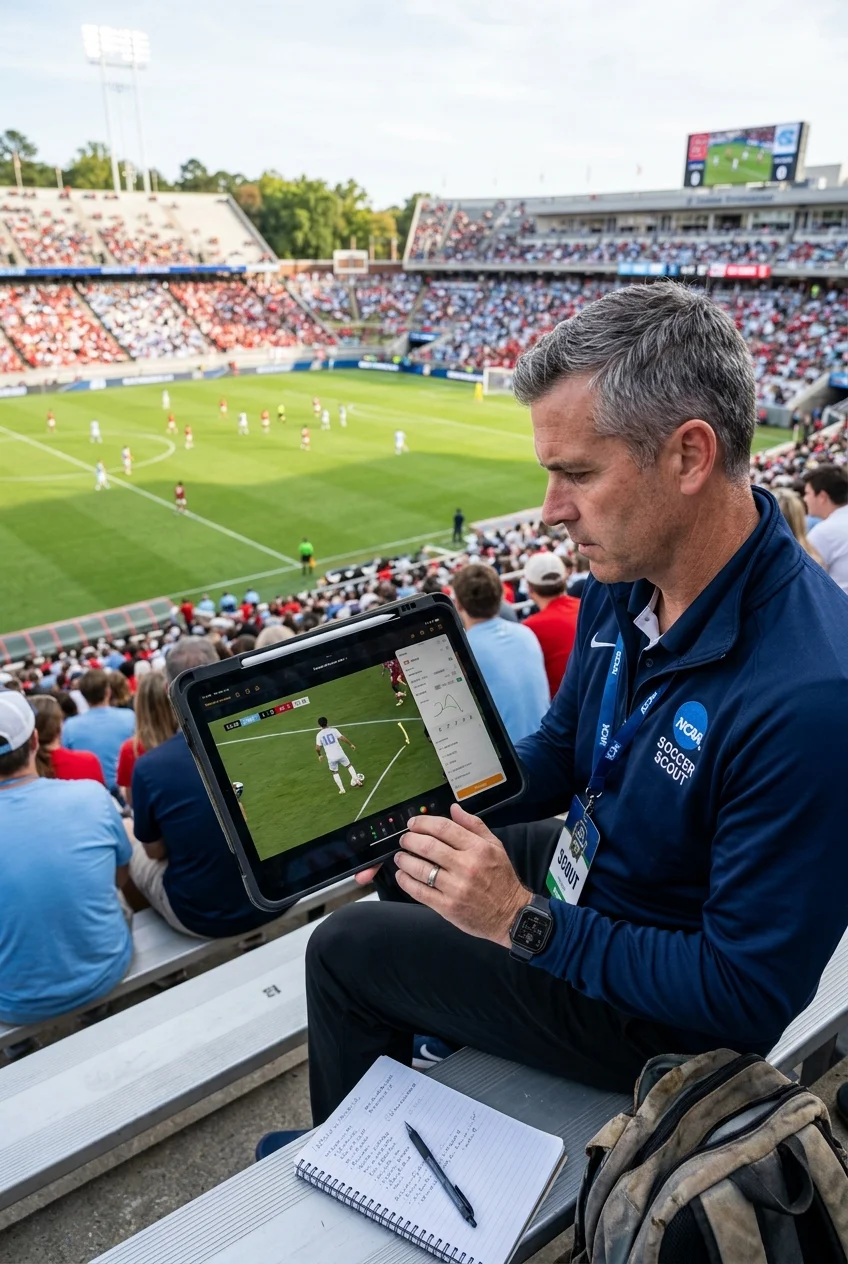
NCSA Recruiting Metric Matrix: Self-Evaluating Player Impact
📊 Recruiting Level Focus: Beginner | 🎯 Primary Scout Impact: Aligns player profile with realistic division targets (D1 vs D2 vs D3) | 💡 Key Tactical Insight: Honest self-assessment prevents misdirected recruitment outreach
It might sound counterintuitive, but sending your player profile to every Division 1 program is often a massive waste of time. Using the NCSA Recruiting Metric Matrix allows wingers to objectively compare their physical and technical data against the actual benchmarks of different collegiate divisions. This minimalist approach focuses your outreach solely on programs where your metrics indicate a genuine chance of competing.
By comparing your sprint times, crossing accuracy, and physical stats to established standards, you avoid the trap of misdirected emails. Understanding your current standing helps you target schools where you can actually secure playing time and athletic scholarships. Honest self-assessment is the foundation of a smart, targeted recruiting strategy.
Keeping your college search stripped down to realistic options ultimately maximizes your chances of securing an offer. It ensures you invest your energy into conversations with coaches who are genuinely looking for a player with your speed and flair on the wing.
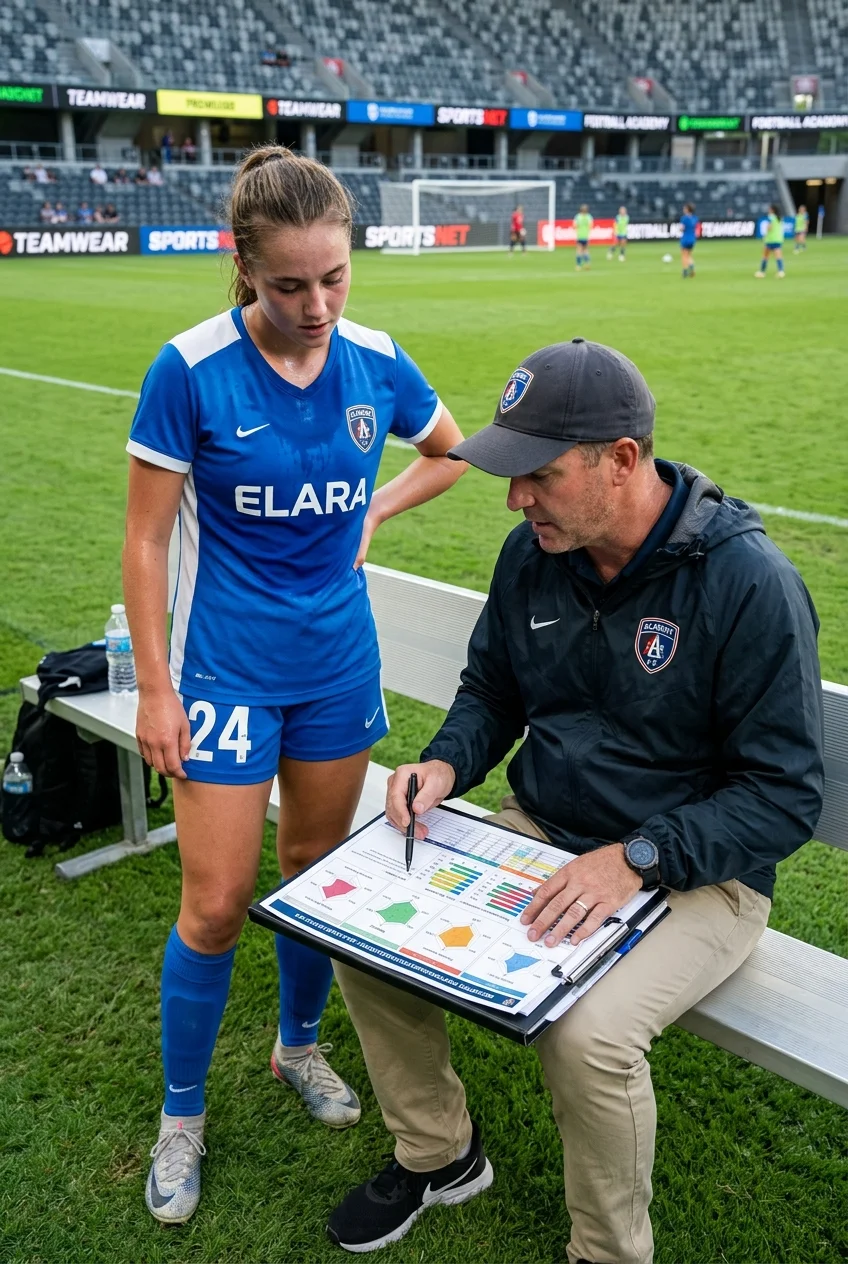
NCAA Eligibility Center Standards & Academic Recruiting Readiness
📊 Recruiting Level Focus: Beginner | 🎯 Primary Scout Impact: Removes academic red flags during roster slot allocations | 💡 Key Tactical Insight: Strong GPAs unlock athletic and academic financial aid stacking
For high school freshmen and sophomores starting their journey, maintaining excellent grades is just as vital as scoring goals. Meeting the core course requirements of the NCAA Eligibility Center Standards early on guarantees that college coaches will not flag you as an academic risk. This beginner-friendly focus on academics clears the path for serious recruiting conversations.
Scouts at the professional and top collegiate levels operate with strict budget constraints and limited roster spots. A strong GPA allows programs to stack academic scholarships on top of athletic aid, making you a financially attractive recruit. Coaches are far more likely to offer a roster spot to a winger who demonstrates discipline both in the classroom and on the pitch.
Treat your academic standing with the same professional rigor as your physical training routine. Staying proactive with your high school counselor ensures a smooth transition to college athletics without any last-minute eligibility surprises.

First Touch Under Pressure & Half-Turn Receiving Mechanics
📊 Recruiting Level Focus: Intermediate | 🎯 Primary Scout Impact: Indicates speed of play under high-pressure collegiate defense | 💡 Key Tactical Insight: Receiving on the back foot allows immediate forward vision and progression
When evaluating wide players, top-tier coaches consistently point to the quality of a player’s first touch as their ultimate expert pick for identifying college readiness. Executing flawless half-turn receiving mechanics under intense physical pressure separates elite wingers from average attackers. Taking the ball on the back foot instantly opens up the field, allowing for devastatingly quick forward progression.
In the collegiate game, defenders close down space aggressively, meaning you rarely have time to take multiple touches to control a pass. Mastering the ability to absorb pace and seamlessly transition into a dribble or cross requires an obsessive, maximalist dedication to technical repetition. Scouts watch closely to see if a winger’s touch breaks down when a fullback is breathing down their neck.
If you can consistently turn pressure into an attacking advantage, you will thrive in any high-paced college system. Refining this specific mechanic ensures that every pass you receive instantly becomes a threat to the opposition.
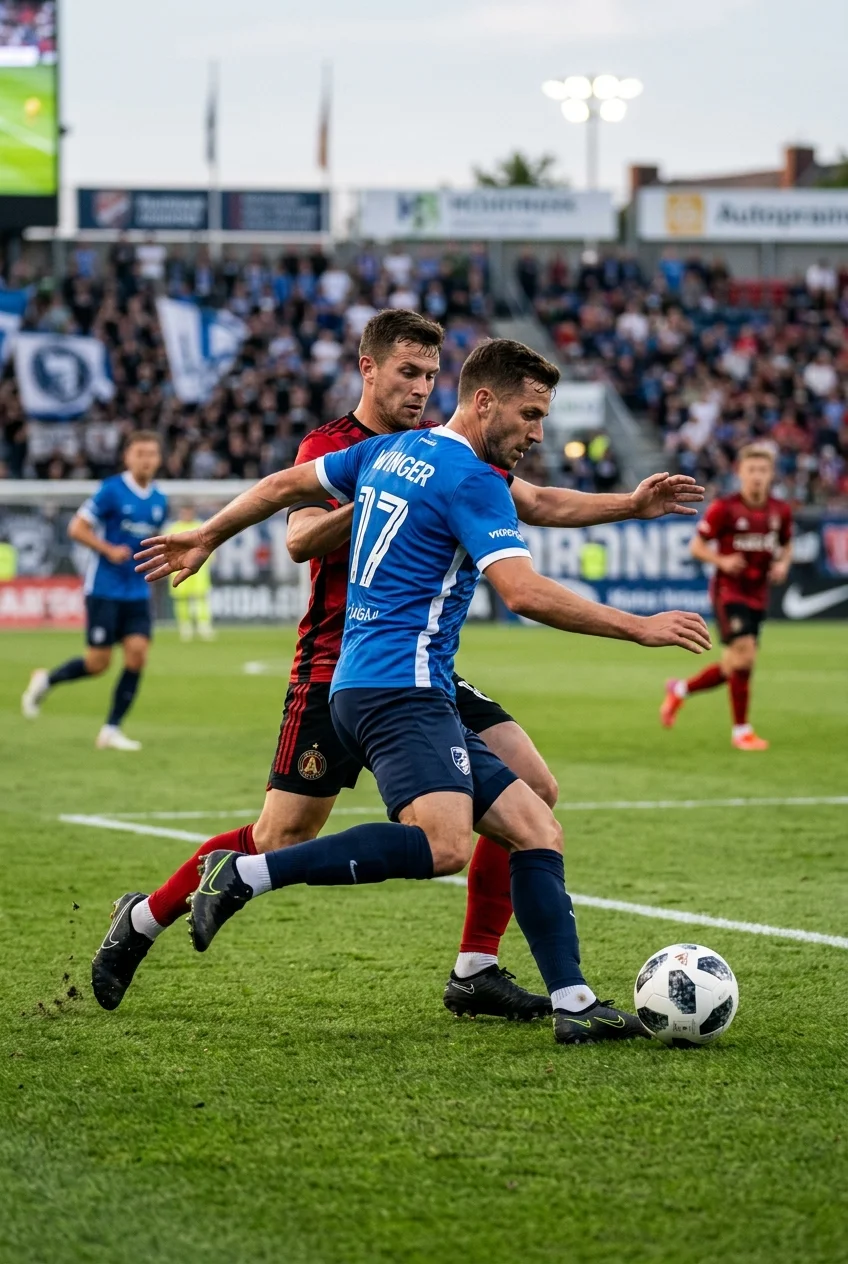
Pitch Communication & Scout Sideline Evaluation Metrics
📊 Recruiting Level Focus: Intermediate | 🎯 Primary Scout Impact: Evaluates leadership, composure, and locker room fit | 💡 Key Tactical Insight: Positive non-verbal response after turnovers highlights mental toughness
While highlight reels capture goals, the true hidden gem that college scouts look for is how a winger communicates during dead balls and transitions. Vocal leadership and positive body language are critical sideline evaluation metrics that reveal a player’s mental toughness. Coaches want to see how you respond immediately after losing possession or missing a critical pass.
The cultural fit of a player within a collegiate program can often make or break a scholarship offer. Programs thrive on team chemistry, so evaluators closely monitor whether you encourage your teammates or throw your arms up in frustration. A player who maintains composure and constantly organizes the defensive shape from the wing is incredibly valuable.
Cultivating this resilient mindset will make you a trusted leader on the pitch long before you even step foot on campus. Showing maturity and constructive communication proves that you are ready for the psychological demands of college soccer.

Frequently Asked Questions
What is the most important trait scouts look for in a winger?
College scouts prioritize 1v1 isolation dribbling in the final third and the ability to execute low driven cutbacks. While speed is helpful, falling into The Track Star Trap (speed without ball control) will hurt your chances. Coaches want to see consistent technical quality under pressure.
How do D1 and D3 winger recruiting benchmarks differ?
D1 programs heavily emphasize GPS High-Speed Running (HSR) tracking frameworks and repeat sprint ability (RSA) to handle a much faster match tempo. D3 programs still look for technical proficiency like the UEFA/USSF Wide Player Technical Index, but they may have slightly lower physical metric thresholds.
What should a winger include in a Hudl highlight video?
Avoid the misconception that highlight reels only need goal highlights. Using the Hudl Highlight Video Structure Protocol, you should include 3-5 seconds before and after each touch. This demonstrates your off-ball movement, tactical versatility, and defensive recovery work rate to scouts.
Why do college coaches prefer inverted wingers?
The Inverted Winger Tactical Role Framework allows wide players to cut inside and open passing channels to central midfielders. Scouts look for this “Swiss Army Knife” tactical versatility because it provides more flexibility for modern collegiate formations compared to traditional touchline-hugging wingers.
Do academics matter for a college soccer winger recruit?
Yes, meeting the NCAA Eligibility Center Standards is critical to removing academic red flags. Strong grades not only secure your roster spot but also allow coaches to stack athletic and academic financial aid, making you a more attractive recruit overall.
Get our latest guides, news, and insights highlighted in your Google Search & AI Overviews.