Did you know that choosing the right soccer ball size can dramatically impact a young player’s progress and enjoyment of the game? For youth players, using a ball that matches their age and skill level isn’t just about comfort-it shapes their technique, confidence, and passion on the field. Whether you’re a parent, coach, or young athlete eager to improve, understanding which soccer ball size fits best is crucial to unlocking true potential and fostering love for the sport. In this guide,we’ll explore the essential factors influencing ball selection,drawing on expert insights and real-world success stories to help you make an informed choice. Join us as we celebrate the artistry and drama of soccer through the simple yet powerful tool beneath every player’s feet-the ball itself.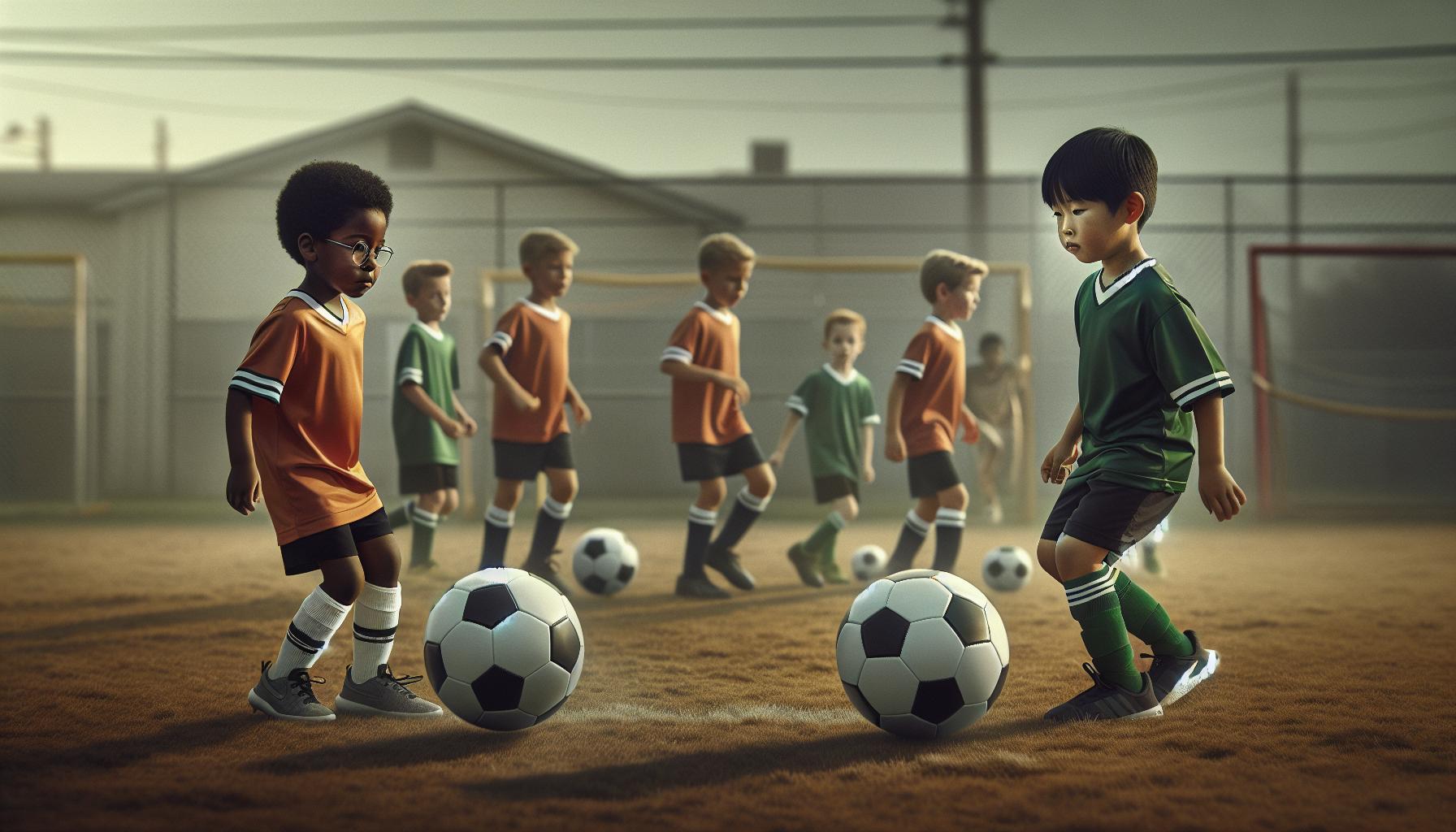
Contents
- Understanding Youth Soccer Ball Sizes: Age and Skill Breakdown
- Recommended ball Sizes by Age and Skill Level
- How Ball Size Impacts Player Development and Performance
- Official Soccer Ball Sizes Explained: From Size 1 to Size 5
- Practical Insights from Coaches and Players
- Choosing the Right Ball Material for Durability and Feel
- Balancing Touch and Toughness: What works best for Youth players?
- Top Brands and Models for Youth Soccer Balls in 2024
- Better Performance Meets Lasting reliability
- Expert Tips for Selecting the Perfect Ball for Training
- Practical Guidelines to Sharpen Training Impact
- Safety Considerations: Preventing Injuries with Proper Ball Size
- Strategies for Injury Prevention Through Informed Ball Selection
- How to Transition Youth Players Between Different Ball Sizes
- Steps to Transition Successfully
- Understanding When to Make the Transition
- Budget-Friendly Soccer Balls That Don’t Sacrifice Quality
- How to Prioritize Durability vs. Feel
- maintaining and Caring for Your Youth Soccer Ball
- Practical Tips for Longevity and Performance
- Common mistakes in Youth Ball Selection and How to Avoid Them
- Key Considerations to Avoid Selection Pitfalls
- Faq
- Q: How does using the wrong soccer ball size affect a youth player’s skill development?
- Q: When should a youth player switch from a Size 3 to a Size 4 soccer ball?
- Q: What are the benefits of a lighter soccer ball for young beginners?
- Q: How can parents ensure the soccer ball size matches competitive league regulations?
- Q: Why is ball inflation level crucial for youth soccer balls?
- Q: Where can coaches find affordable yet high-quality soccer balls suitable for youth teams?
- Q: How does ball material influence the playing experience for youth soccer players?
- Q: What safety precautions should be considered in youth soccer ball selection beyond size?
- To Wrap It up
Understanding Youth Soccer Ball Sizes: Age and Skill Breakdown
The moment a young player first connects with a soccer ball perfectly sized for their age and skill level, a spark ignites-a blend of confidence and control that fuels lifelong passion and growth. Selecting the right youth soccer ball isn’t just about fitting a number to age; its about nurturing development, encouraging technique, and fostering joy on the field. From tiny tots just discovering the game to pre-teens honing their competitive edge,the nuances of ball size play a critical role in shaping touch,precision,and physical coordination.Coaches and parents alike recount stories where switching from an oversized or too-heavy ball to a properly sized one unlocked a player’s true potential, turning tentative dribbling into fearless skill moves.
Every age group and progression stage demands thoughtful consideration to meet players’ evolving abilities and physical capabilities. Such as, children under 5 benefit immensely from Size 3 balls, which are lighter and smaller, allowing them to develop essential ball control without strain. Meanwhile,as players enter the 8-12 age bracket,Size 4 balls provide a perfect balance-big enough to simulate match conditions but still manageable for growing limbs. By the teenage years,players transition smoothly to the full-size Size 5 ball,preparing them for high school competition and beyond. This progression aligns with expert insights on motor skill development and injury prevention, emphasizing that the right ball size supports technique mastery and minimizes frustration. The correct ball size becomes less a piece of equipment and more a trusted partner on the field, enabling young athletes to perform with confidence and embrace the stunning game’s drama at every stage.
Recommended ball Sizes by Age and Skill Level
| Age Group | Recommended Ball Size | Key Development Focus |
|---|---|---|
| under 5 years | Size 3 | Basic ball familiarity, coordination, light handling |
| 6-8 years | Size 3 or 4 (transition) | Improved control, dribbling, early passing skills |
| 9-12 years | Size 4 | Precision passing, shooting power, tactical play |
| 13 years and older | Size 5 | Match regulation play, strength, and endurance building |
- Skill level progression matters: Novices thrive with softer, smaller balls to build confidence, while advanced players need balls simulating match conditions to refine skills.
- Physical growth is key: Avoid forcing young legs to control a ball that is too large or heavy, which can discourage play and increase injury risk.
- Community recommendations: Youth leagues frequently enough set ball size standards that align with developmental research,ensuring fairness and safety on the pitch.
How Ball Size Impacts Player Development and Performance
Few factors influence a young player’s journey more profoundly than the soccer ball they train with daily. The right ball size is not merely a detail; it is a catalyst for skill refinement, confidence building, and long-term athletic growth. coaches often recount how a smaller, lighter ball transformed hesitant beginners into players who control the ball with flair and creativity. Take, such as, the story of 10-year-old Mia, whose transition from an oversized ball to a Size 4 sparked a measurable leap in her dribbling accuracy and shooting consistency. Her coach observed, “Once Mia was comfortable with the right ball, her touches became sharper, and her vision on the field improved as she wasn’t fighting the weight or bounce.The right fit changes everything.” Such experiences underline how tailoring ball size to developmental stages encourages not onyl technical mastery but also nurtures a deeper emotional connection to the game.
Physically, the ball size affects everything from muscle engagement to injury risk, reinforcing why selection must respect a player’s stature and coordination level. Young players grappling with balls too large or heavy often resort to kicking with the toe or struggling to maintain control, habits that stunt technical advancement and set poor movement patterns. Conversely, appropriately sized balls foster natural foot positioning and allow players to develop a nuanced touch. This alignment between ball size and player ability also influences game tempo understanding; players accustomed to manageable balls acquire a better sense of ball speed and trajectory, vital for tactical awareness. Youth leagues embracing Size 3 or 4 balls for younger groups strategically foster this growth habitat, helping players build stamina and precision before stepping onto larger stages. As one veteran youth coach notes, “It’s not just the size, it’s the dialogue between the player and the ball – when that’s balanced, magic happens on the pitch.”
- Technical skill development: Proper ball size aids in refining dribbling, passing, and shooting mechanics by promoting correct foot placement and touch sensitivity.
- Confidence and motivation: Manageable ball weight prevents frustration, empowering players to experiment and excel with greater enthusiasm.
- Physical safety: balls sized for young bodies reduce strain and minimize injury risks, supporting sustainable participation.
- Match readiness: Transitioning players gradually to larger balls aligns physical growth with competitive demands, ensuring seamless adaptation.
Official Soccer Ball Sizes Explained: From Size 1 to Size 5
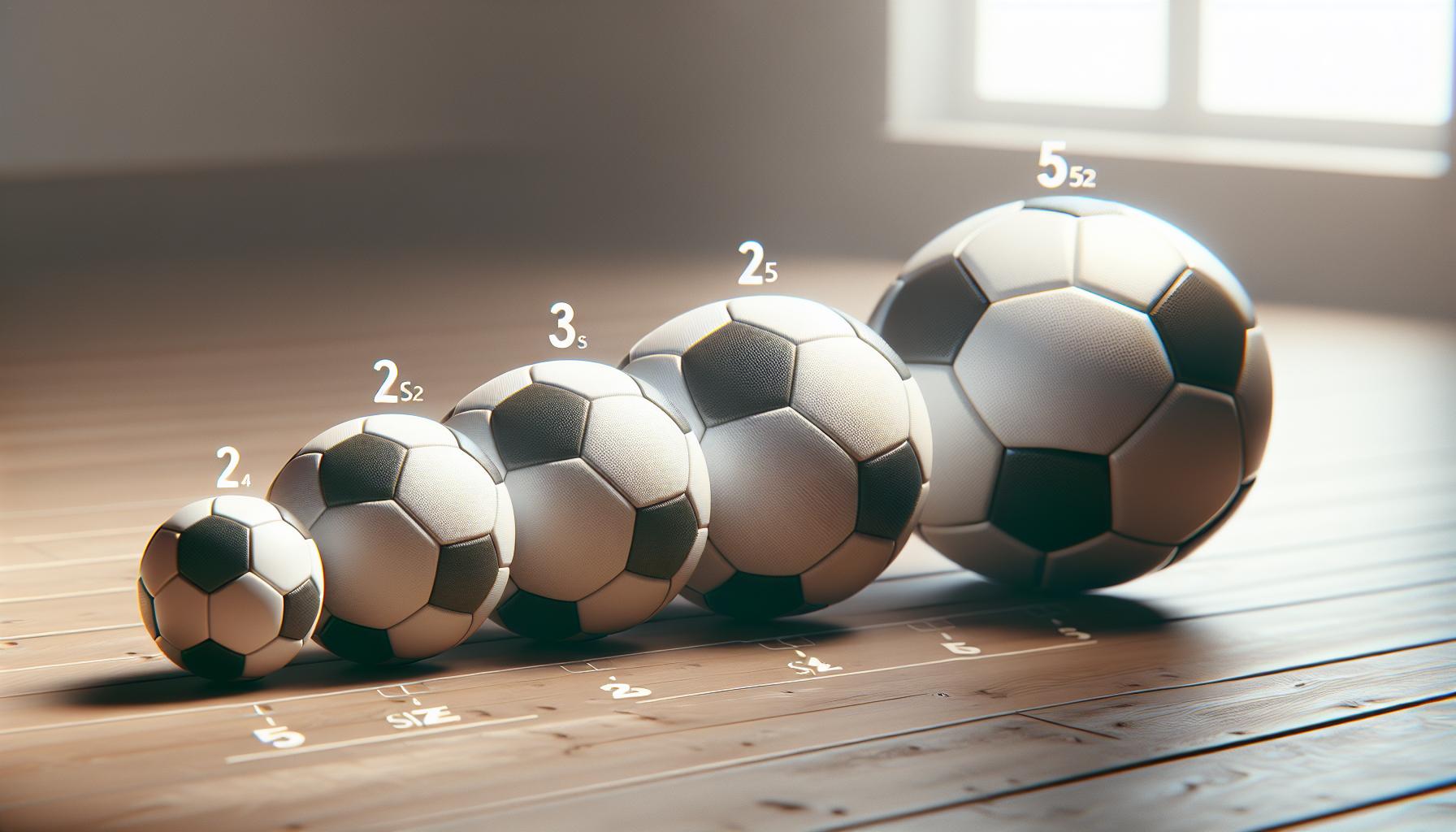
Soccer balls come in a variety of sizes, each designed with specific age groups and skill levels in mind, making the choice far more strategic than simply picking the biggest or most colorful ball. The evolution of ball sizes-from the tiny Size 1 to the regulation Size 5-mirrors a young athlete’s growth trajectory both physically and technically. For the youngest enthusiasts just discovering the joy of kicking, Size 1 balls serve as “mini-messengers” of fun and control, perfect for toddlers and preschoolers to develop hand-eye coordination and basic ball familiarity without overwhelming them. as players grow, the ball size increases progressively; each jump in size not only adds weight but subtly influences the way a player approaches dribbling, passing, and shooting, shaping their touch and timing. Coaches often observe this progression as a rite of passage, shifting players from playful touches with smaller balls to the deliberate, precise strikes demanded by the larger, official match balls. The intimate relationship between player and ball at each stage is a dance of adaptation, learning to command the weight, trajectory, and bounce unique to that size.
| Ball Size | Diameter (inches) | Weight (ounces) | Recommended Age | Typical Use |
|---|---|---|---|---|
| Size 1 | 18-20 | 8-11 | under 3 years | Skill introduction,fun play |
| Size 3 | 23-24 | 11-12 | 8 years and under | Youth training and small-sided games |
| Size 4 | 25-26 | 12-13 | 8-12 years | Youth leagues and practice |
| Size 5 | 27-28 | 14-16 | 13 years and older | Official matches,adult play |
Practical Insights from Coaches and Players
One coach’s vivid recollection captures the essence of why these size distinctions matter so deeply: “When our U10 squad switched to Size 4 balls halfway through the season,the change wasn’t just physical-it boosted their confidence immensely. Players could strike with more precision, their passes traveled truer, and their shooting power built up naturally.” This anecdote underscores an essential truth: handling the right ball size inspires technical growth and mental assurance. On the opposite end, forcing young players to contend with too large a ball prematurely often leads to incorrect habits such as toe-kicking or mishandling, hindering skill development. By respecting the standards set by official bodies but also adapting them to the player’s readiness, youth programs cultivate environments where success is consistently attainable. In this framework, the official ball size becomes more than a rule; it is a carefully calibrated tool unlocking potential and sparking those breakthrough “aha” moments on the field.
Choosing the Right Ball Material for Durability and Feel
A soccer ball’s material is far more than a technical specification; it’s the tactile heart of every player’s connection to the game. The moment a young player strikes or controls the ball, how the ball feels underfoot or against the body can ignite confidence or sow frustration. modern youth soccer balls are crafted from a range of materials,each delivering a unique balance of durability,responsiveness,and feel-factors that influence skill development as much as size or weight. For example,balls finished with synthetic leather offer a supple touch that mimics professional match balls,encouraging kids to refine their technique with softer ball control and precise passing. Meanwhile, more rugged PU (polyurethane) or PVC (polyvinyl chloride) coverings provide resilience against rough neighborhood fields and relentless practice sessions, a crucial consideration when juggling quality and longevity in young players’ gear.
Balancing Touch and Toughness: What works best for Youth players?
When selecting the right ball, coaches frequently enough stress an overlooked truth: the feel of the ball can shape a player’s technique and love for the game. Youth athletes, especially those honing delicate skills from dribbling to volleying, benefit from balls that respond predictably.A top goalkeeper once shared, “Training with a ball that absorbs impact too harshly made it tougher for kids to develop soft touch. Switching to a softer, more forgiving ball at the right age sparked a noticeable boost in their control and creativity.” Durability, however, cannot be sacrificed at the altar of feel-balls exposed to outdoor wear and tear must withstand abrasive surfaces, wet conditions, and intense kicking. Many trusted youth balls combine layered bladders and textured panels to offer that perfect marriage of resilience and grip, making every practice count while teaching young players to respect their equipment. Choosing the right material also supports safety; a ball that doesn’t bounce erratically or lose shape mitigates accidental injuries and fosters predictable play.
- Synthetic leather: Offers professional-level softness, ideal for players advancing toward competitive play.
- Polyurethane (PU): Balances durability and feel,suited for versatile training environments.
- Polyvinyl chloride (PVC): Extremely durable, frequently enough less expensive, perfect for beginner training but with a harder touch.
In essence, the ideal youth ball echoes the promise of the beautiful game-combining resilience with responsive grace so every touch inspires growth and joy on the field.
Top Brands and Models for Youth Soccer Balls in 2024
Few elements in youth soccer gear carry the weight of both legacy and innovation quite like the ball itself. in 2024, the market features a vibrant array of options that not only meet regulation standards but also reflect evolving insights into young athletes’ developmental needs. From grassroots practices to competitive matches, the right ball can elevate confidence and sharpen technique with every touch. Leading brands have responded with models engineered to balance durability,grip,and responsiveness-addressing the demands of diverse playing surfaces and skill levels while inspiring every player from the novice to the aspiring pro.The exciting convergence of tradition and technology is clear in brands like Adidas, which continues to impress with its Uniforia line-officially used in major tournaments-scaled down thoughtfully into youth-sized balls.Their synthetic leather cover coupled with reinforced bladders delivers a true-to-match feel, encouraging players to practice with precision and flair. Similarly, Nike’s Flight youth edition combines aerodynamic paneling with textured surfaces designed to mirror professional balls, enhancing flight control and touch, as praised by many youth academy coaches who note how players develop tighter ball control and confidence in striking under pressure. Meanwhile, Select* has carved a reputation for producing affordable, durable training balls using PU materials that hold up to frequent practices on rougher fields without sacrificing the soft touch crucial for skill-building. These brands and models underscore a shared commitment: crafting balls that respect the game’s rich drama and the community’s vibrant passion, ensuring every kick launches a story of growth and joy.
Better Performance Meets Lasting reliability
- Adidas Uniforia Club Junior: Designed with an expert blend of synthetic leather,it offers a soft,consistent touch while enduring rigorous match play.
- Nike Flight Youth: Featuring innovative Aerowtrac grooves and textured grip, it’s engineered to aid precision passing and controlled shots even at young skill levels.
- Select Numero 10 Training Ball: A favorite in grassroots circles for its PU cover and robust structure, perfect for intense training sessions and match readiness.
- wilson Customary Soccer Ball: Combining classic aesthetics with modern materials, ideal for players transitioning between skill levels looking for reliable feedback on every strike.
Each model reflects a perspective on youth development: from nurturing technical finesse to withstanding the realities of outdoor play. coaches often emphasize how the ball’s consistent bounce and weight directly influence player confidence,referencing moments when switching to high-quality balls changed the trajectory of a young athlete’s progress.As one youth coach noted, “Choosing the right ball isn’t just about matching size-it’s about matching ambition, environment, and potential.” The best models support that vision, offering both the excitement of the sport’s fluid artistry and a durable commitment that honors the spirit of youth soccer across communities everywhere.
Expert Tips for Selecting the Perfect Ball for Training
Every great training session begins with the right ball beneath young feet, a tool that shapes technique as much as ambition. Selecting the perfect ball goes beyond matching age-appropriate sizes; it involves understanding how texture,weight,and durability align with players’ evolving skills and the playing environment. Coaches frequently observe that when youngsters train with balls tailored not just by size but by feel,the difference in touch control and passing accuracy becomes dramatic. Take the example of a youth striker mastering curling shots: a lighter, softer ball fosters confidence and fluidity, allowing experimentation without the fear of harsh impact or unpredictable bounces. In contrast, a ball too heavy or too hard for their developmental stage can stifle growth and even cause frustration.
In practice, choosing the ideal training ball requires balancing factors that nurture skill and endurance. Material composition plays a pivotal role-synthetic leather offers superior grip and a true-to-match touch, helping players transition seamlessly to competitive play, while polyurethane (PU) covers provide long-lasting durability on tough fields without sacrificing necesary softness. Coaches frequently enough recommend rotating balls depending on the focus of the session: softer, lighter balls for technical drills that emphasize dribbling and precision, and sturdier balls for shooting and tactical scrimmages that build strength and game-readiness. Incorporating multiple models within a training program supports a versatile skill set and keeps young athletes engaged. Additionally, paying attention to the ball’s inflation level can refine responsiveness-slightly underinflated balls absorb impact better, reducing injury risk while encouraging controlled touches and passes.
Practical Guidelines to Sharpen Training Impact
- Match the ball size with age and skill: Size 3 or 4 for players under 12, and size 5 for older youth to mirror professional standards.
- Prioritize a soft, responsive cover: Synthetic leather or PU for tactile feedback and durability.
- Adapt ball weight and inflation: Experiment with inflation to suit the training focus and player comfort.
- Use multiple balls during training: Different types for technique vs. strength building maximize development.
- Invest in reputable brands: High-quality balls from trusted makers frequently enough enhance consistency and longevity.
Youth coaches frequently enough share stories of breakthrough moments-when common drills become revelations thanks to the ball’s consistency, encouraging players to practice fearlessly and creatively. As one academy director observed, “A ball that feels right underfoot transforms tentative touches into daring plays, lighting the spark that can lead to future stars.” Reflecting on this, selecting the optimal training ball becomes less about equipment and more about unlocking potential, igniting passion, and energizing every kick with purpose.
Safety Considerations: Preventing Injuries with Proper Ball Size
From a simple misjudged header to a sudden jolt on a heavy ball striking a young player‘s legs, the risks of injury in youth soccer are real-but remarkably preventable. Choosing the right ball size not only enhances skill development but serves as a frontline defense against unnecessary physical strain. players under 12, with joints and muscles still growing, benefit immensely from balls sized appropriately-for example, size 3 or 4-because these lighter, smaller balls reduce impact force during headers, volleys, or even accidental collisions. As Coach Elena Martinez of a local youth academy reflects,”When we switched to age-appropriate balls,we noticed fewer complaints of soreness,and kids were more confident in attempting headers and striking the ball powerfully without hesitation.”
Proper ball size can transform how young athletes engage with the game while safeguarding their health. Heavy or oversized balls overwhelm developing muscles and distort natural movement patterns, increasing the likelihood of sprains or bruises. moreover, the ball’s material and inflation play critical roles; a ball that’s too hard or overinflated sends shockwaves through landing joints and can exacerbate bruising or joint discomfort. Experienced trainers often recommend slightly underinflated balls for training younger players to absorb impact more gently, enhancing ball control and reducing injury risk. This deliberate attention to equipment acts as an invisible shield, allowing players to push boundaries and embrace the sport’s beauty without the silent threat of setbacks.
Strategies for Injury Prevention Through Informed Ball Selection
- Match ball size and age precisely: Size 3 for under 8, size 4 for ages 8-12, and size 5 for teens to ensure suitable weight and circumference.
- Monitor ball inflation carefully: Avoid overinflation to prevent excessive rebound and impact force on joints.
- Choose balls with softer covers: PU or synthetic leather combine durability with a cushioned touch, reducing hard knocks during play.
- Rotate ball types by training focus: Softer balls for skill drills to cushion repeated touches; firmer balls for scrimmages to build resilience.
By weaving safety considerations into every ball choice, coaches and parents foster a culture where protection and performance coexist. Just as young stars deserve a ball that feels ’just right,’ they also deserve the confidence that comes from knowing their bodies are shielded,enabling each bold strike and fearless sprint to shape soccer’s future without compromise.
How to Transition Youth Players Between Different Ball Sizes
Smoothly shifting youth players to the next appropriate soccer ball size is a pivotal moment that blends physical growth with evolving skill demands. It’s not merely about handing over a bigger ball but crafting a transitional experience that nurtures confidence and competence on the pitch. Take the example of 11-year-old Maya, who thrived when her coach introduced a size 4 ball alongside her usual size 3 for training drills before fully adopting the larger size. This gradual exposure gave her time to adjust to the increased circumference and weight, translating to better control and fewer frustrations during matches. Coaches often emphasize that easing players into a new ball size helps preserve their enthusiasm-key to maintaining the joy and creativity soccer inspires at every level.
Moving between ball sizes offers a unique developmental milestone that can either accelerate or unsettle a player’s progress depending on how it’s managed. One proven strategy is to layer training activities around ball characteristics-using lighter,softer balls for touch and dribbling exercises while integrating firmer,regulation-sized balls for shooting and passing patterns.This approach allows players to develop nuanced ball-handling skills while acclimating to the feel and flight pattern of the larger ball. for example, Coach David Reynolds of the Centerville Youth Soccer League points out, “We’ve noticed that players who practice with mixed sizes adapt more swiftly and play with increased fluidity.It builds both physical readiness and psychological comfort.”
Steps to Transition Successfully
- Introduce the new size gradually: begin by incorporating the next ball size in selected drills before match-play adoption.
- Emphasize touch and control: Tailor warm-ups and skill work to focus on mastering ball feel to build muscle memory.
- Use feedback loops: Encourage players to communicate how the ball feels and adapt exercises accordingly.
- Celebrate milestones: Recognize progression with small goals, such as completing accurate passes or prosperous headers with the new ball.
- Maintain consistency in inflation and material: Ensure the ball’s firmness and surface quality remain similar to ease adaptation.
Understanding When to Make the Transition
| Age Range | Recommended Ball size | Key Developmental Focus |
|---|---|---|
| Under 8 | Size 3 | Basic touch, hand-eye coordination |
| 8 to 12 | Size 4 | Refined control, accuracy, intermediate skills |
| 13 and up | size 5 | Power, endurance, advanced technique |
Embracing the art of transitioning ball sizes isn’t just about equipment-it’s a celebration of players growing into their potential. By honoring the nuanced timing and providing supportive training environments, coaches and parents alike contribute to shaping confident, skilled athletes ready to dazzle on any field.
Budget-Friendly Soccer Balls That Don’t Sacrifice Quality
Finding a soccer ball that balances quality and affordability can feel like navigating a crowded market,but the right choice can transform practice sessions and game day experiences without breaking the bank. In youth soccer, where players are rapidly growing and skill levels evolve quickly, investing in an overly expensive ball may not always be practical.Instead,focus on brands and models that deliver essential performance features: consistent bounce,durable outer materials,and proper weight for each age group’s recommended size. Coaches often emphasize that using the correct ball size matched with reliable craftsmanship builds confidence and hones technique, especially when kids feel the ball responds predictably underfoot or during a shot.
Take the example of Liam, a 10-year-old midfielder whose team transitioned from low-end balls to budget-friendly, well-constructed size 4 models made from synthetic leather blends. His coach noticed that these balls retained their shape and surface texture well after weeks of combined training in rain and sun-crucial for skill retention and injury prevention. This shows that affordable balls aren’t simply cheaper-they’re strategic tools when selected wisely. Here are practical tips to secure a ball that respects both your budget and the game’s demands:
- Check for reinforced stitching or thermal bonding: These ensure seams withstand the rigors of youth practice, preventing premature splits.
- Opt for synthetic leather or polyurethane covers: These materials often balance softness and durability, promoting better touch and control for younger players adapting to larger sizes.
- Look for balls with cushioned bladders: This feature enhances shock absorption, reducing impact stress on developing muscles and joints.
- buy from reputable brands offering youth-specific lines: Brands like Adidas, Nike, and Select produce budget-friendly models famously suited for clubs and training academies.
How to Prioritize Durability vs. Feel
Balancing longevity with playability means understanding how youth players will use the ball. For example, balls intended for outdoor fields with abrasive surfaces require tougher outer layers, while those mostly used indoors or on grass can feature softer covers for enhanced ball control. When possible, involve youth players in testing balls during practice, so coaches gain insight into their preferences and confidence levels with each option-which often directly impacts training results and enthusiasm. Coach Maria Lopez from Riverside Youth Soccer advocates for this approach: “Kids have an intuitive sense of what ball helps them play better. When their input guides selection, they’re more motivated to push their limits.”
Budget constraints don’t have to curtail quality or player enjoyment. With thoughtful research and practical evaluation, affordable soccer balls become enduring teammates that support soccer dreams from the backyard to the league pitch-fueling every pass, dribble, and goal with the kind of reliability that grows champions.
maintaining and Caring for Your Youth Soccer Ball
A soccer ball, much like a trusted teammate, demands care to maintain its responsiveness and lifespan-especially when crafted for youth players learning their craft. A well-maintained ball ensures consistency in every pass and shot, nurturing a child’s confidence and connection to the game. Consider the story of Mia, a 12-year-old striker whose coach saw her skill flourish after switching to a meticulous ball care routine: regular cleaning removed dirt buildup, while proper inflation kept the ball‘s bounce true, preventing the gradual ”deadening” that sometimes discourages young attackers from taking chances. this symbiotic relationship between player and ball, often overlooked, becomes a cornerstone for mastering ball control and feeling every subtle nuance of the play that youth soccer demands.
Keeping a youth soccer ball in peak shape requires attention to a few simple but vital habits, starting long before a match or practice session. After games, players and coaches should wipe the ball clean with a damp cloth to remove grit that can grind away at its surface during play. When not in use, store the ball indoors, away from extreme heat or freezing temperatures that can cause seams to weaken or the bladder inside to lose pressure. It’s also important to regularly check the inflation level-the ideal pressure is often listed on the ball-and adjust with a pump to maintain optimal bounce and control. Neglecting these steps can lead to uneven ball response, which hinders developing players from building muscle memory and reacting confidently during fast-paced plays. As coach Elias Martinez explains,”The ball becomes an extension of a player’s instincts-the better you preserve it,the more precise and fluid those instincts grow.”
Practical Tips for Longevity and Performance
- Clean consistently: Use mild soap and water to gently clean the ball’s surface, avoiding harsh chemicals that degrade materials.
- Maintain proper inflation: Check pressure weekly and never overinflate-a firm yet slightly supple ball enhances skill development.
- avoid harsh conditions: Keep the ball out of prolonged rain, mud, or abrasive surfaces whenever possible to preserve the outer cover.
- Rotate balls if possible: Alternating between balls during training helps distribute wear evenly, extending the usability of each.
- Repair punctures early: Small leaks or seam splits should be addressed promptly to prevent bigger damage.
By adopting these care habits, youth players not only preserve equipment but also foster a deeper respect for the game’s essentials-a mindset that teaching moments and match-day triumphs alike will reward. The right maintenance routine transforms a mere ball into a lasting partner on the journey from hopeful novice to confident competitor.
Common mistakes in Youth Ball Selection and How to Avoid Them
Choosing the right soccer ball for youth players frequently enough seems straightforward, but many fall into subtle traps that can hinder development and dampen enthusiasm before the first kickoff. One frequent misstep is disregarding age-appropriate ball sizes, which can leave young athletes struggling to control or properly feel the ball. As a notable example, a Size 5 ball-standard for adult play-is simply too large and heavy for children under 12, leading to awkward touches and potential frustration. Coach Amanda reyes recalls a pivotal moment with her U10 team: “Switching from a Size 5 to a Size 3 transformed our practices. The kids suddenly gained confidence with their ball handling because they weren’t battling against equipment designed for grown players.” This scenario underscores how critical the right ball size is-not just for physical comfort but for building the instincts and fluid technique that separate promising players from merely eager participants.
Another common oversight is prioritizing aesthetics or brand prestige over technical specifications and durability. While a flashy ball may excite young players initially,a ball lacking in proper material quality or appropriate weight can break down quickly or provide inconsistent bounce,creating a disjointed learning experience. Veteran coach Javier alvarez highlights this pitfall: “We once invested in a high-end ball without considering the playing surface and weather conditions.Within weeks, the ball lost its shape, and players struggled with erratic bounces, which disrupted drills and hampered progress.” Selecting a ball that balances feel, resilience, and the specific needs of your youth squad prevents such costly errors and promotes a steady skill progression.
Key Considerations to Avoid Selection Pitfalls
- Match ball size to age groups: Sizes 3 for under-8, size 4 for 8-12, and Size 5 for teenage players ensures physical compatibility and enhances control.
- Inspect ball material and construction: Look for durable composites with reliable bladder systems to maintain shape and bounce through intensive use.
- Avoid over-inflation: Overly firm balls can be harder to control and increase injury risk, especially on developing joints.
- Be realistic about playing conditions: choose balls suited for your predominant surfaces-indoor, turf, or grass-to extend lifespan and consistency.
- Utilize player feedback: Involve youth players in testing balls to assess comfort and responsiveness, fostering a sense of ownership and motivation.
By steering clear of these common errors, coaches and parents lay a solid foundation for technical growth and passion.every youth player deserves equipment that respects their stage of development and fuels their love of the game-as when the ball feels right, magic can happen on the pitch.
Faq
Q: How does using the wrong soccer ball size affect a youth player’s skill development?
A: Using the wrong ball size can hinder a youth player’s coordination,ball control,and confidence. A too-large or too-heavy ball limits proper technique and can slow development.Choosing the correct size supports skill-building, agility, and encourages positive playing experiences. Refer to our section on How Ball Size impacts Player Development for deeper insights.
Q: When should a youth player switch from a Size 3 to a Size 4 soccer ball?
A: Youth players typically transition from a Size 3 to Size 4 ball between ages 8 and 12, depending on skill and physical growth. Monitoring comfort and control during play helps guide timing. See How to Transition Youth Players Between Different Ball Sizes in our guide for expert recommendations.
Q: What are the benefits of a lighter soccer ball for young beginners?
A: Lighter balls improve young beginners’ ability to dribble, pass, and shoot accurately, building confidence and reducing fatigue. A lighter ball encourages repeated practice and faster skill acquisition, key to developing a love for the game.For practical advice, check Expert Tips for Selecting the Perfect Ball for Training.
Q: How can parents ensure the soccer ball size matches competitive league regulations?
A: Parents should check their league’s official rules since most require Size 4 or Size 5 balls for youth competitions aged 9 and up. Using the correct ball size ensures compliance and improves game readiness. Our Official Soccer Ball Sizes Explained section details these standards.
Q: Why is ball inflation level crucial for youth soccer balls?
A: Proper inflation affects ball control, bounce, and safety. Underinflated balls can be harder to control, and overinflated ones may cause injuries. Maintaining the recommended pressure enhances performance and longevity. Learn more under Maintaining and Caring for Your Youth Soccer Ball.
Q: Where can coaches find affordable yet high-quality soccer balls suitable for youth teams?
A: Coaches can find budget-friendly, durable options from recognized brands recommended in our Budget-Friendly soccer Balls That Don’t Sacrifice Quality section. Choosing well-reviewed balls balances performance with cost-efficiency,perfect for team training sessions.
Q: How does ball material influence the playing experience for youth soccer players?
A: Ball material affects touch, grip, and weather resistance, with synthetic leather offering better durability and feel for young players. Selecting the right material enhances skill development and enjoyment-see Choosing the Right Ball Material for durability and Feel for guidance.
Q: What safety precautions should be considered in youth soccer ball selection beyond size?
A: Besides size, select balls with softer outer layers and proper weight to reduce injury risks like bruises or joint strain. Safety-focused choices protect players and promote confident play. our Safety Considerations section offers detailed prevention strategies.
Feel free to explore related sections like Safety Considerations and Expert Tips for Selecting the Perfect Ball for Training to maximize your youth soccer experience and keep young athletes engaged and safe.
To Wrap It up
Choosing the perfect soccer ball size for youth players isn’t just about standards-it’s about unlocking confidence and skill on the field. By selecting the right ball tailored to your player’s age and development, you pave the way for more accurate passes, powerful shots, and memorable moments that fuel their passion for the game. Don’t wait to elevate your young athlete’s training experience; explore our detailed Youth Soccer Drills and Top Soccer Gear Reviews to complement your ball choice and sharpen their play.
Still unsure which size fits best or want personalized advice? Dive into our Soccer Equipment Guide or sign up for our newsletter to get expert tips, gear updates, and exclusive offers delivered straight to your inbox. Join a community where stories of rising stars and coaching insights collide, inspiring every touch and triumph. Your perfect youth soccer ball is just the beginning-keep the momentum alive and let every kick tell a story worth sharing. Ready to take the next step? Share your experiences below and connect with fellow soccer enthusiasts who know that the right gear changes everything.
Get our latest guides, news, and insights highlighted in your Google Search & AI Overviews.