✨ This article was AI edited. Editorial responsibility: StMichaelsSoccer.com.
Looking for The Ultimate Soccer Position Responsibilities Matrix to understand every role on the pitch? We’ve analyzed the tactical demands of all 11 jersey numbers to create the only master cheat sheet you’ll ever need, from the sweeper-keeper’s distribution to the target man’s hold-up play.
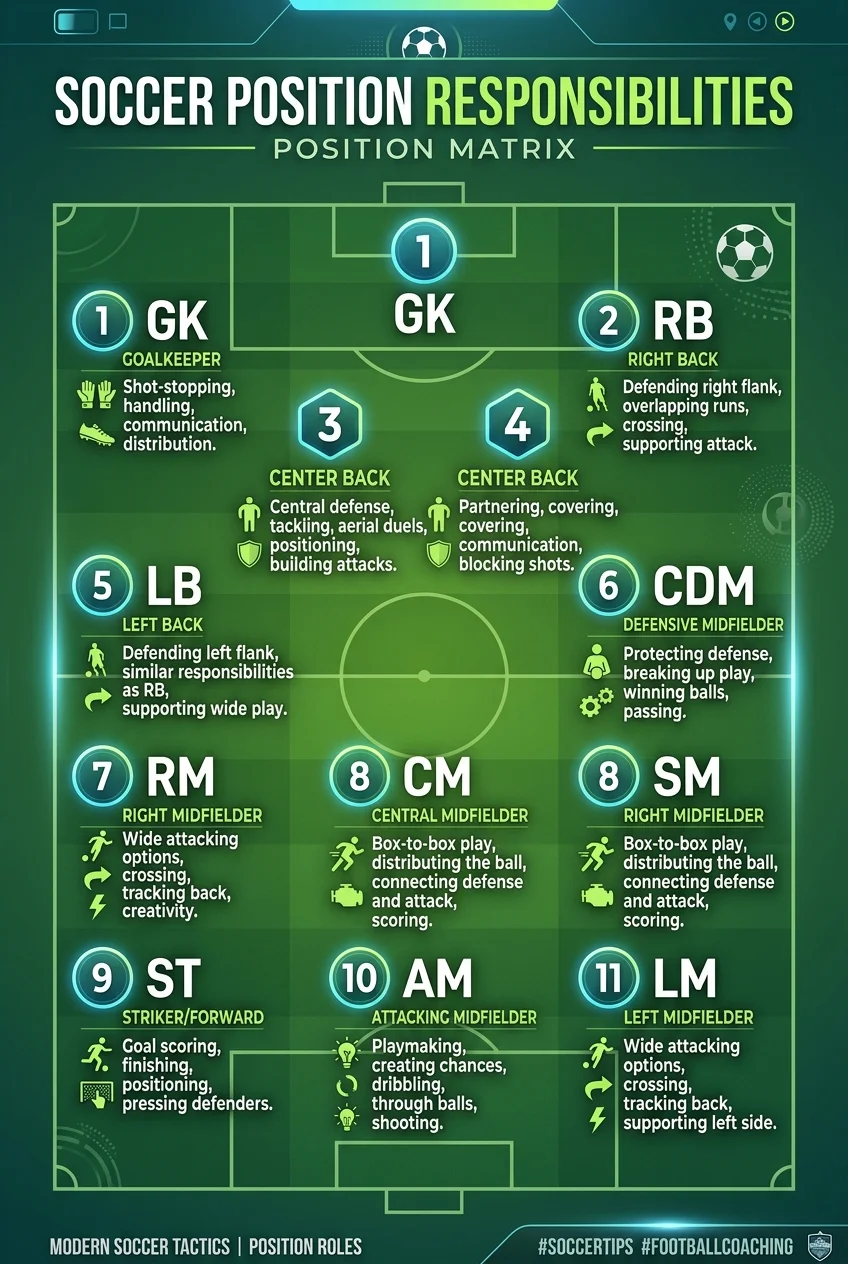
| Role | Position Name | Best For Player Type | Complexity |
|---|---|---|---|
| #1 | Goalkeeper (Number 1) | Vocal Leaders, Quick-Reflex Shot Stoppers | Intermediate |
| #4 & #5 | Center-Backs | Physical Defenders, Aerial Dominators | Intermediate |
| #2 & #3 | Full-Backs | Pacy Runners, High-Stamina Tacklers | Advanced |
| LWB/RWB | Wing-Backs | Elite-Endurance Athletes, Cross-Country Runners | Advanced |
| #6 | Defensive Midfielder | Tactical Minds, Interception Specialists | Advanced |
| #8 | Central Midfielder | All-Rounders, High-Volume Passers | Intermediate |
| #10 | Attacking Midfielder | Creative Visionaries, Dribblers | Advanced |
| #9 | Center-Forward | Clinical Finishers, Strong Target Players | Intermediate |
Contents
- 1. Goalkeeper (Number 1): Shot-Stopping, Sweeper-Keeper Duties & Build-Up Matrix
- 2. Center-Backs (Numbers 4 & 5): Defensive Line Command, Aerial Dominance & Cover Matrix
- 3. Full-Backs (Numbers 2 & 3): Overlapping Width, Wide Defense & Transition Duties
- 4. Wing-Backs (LWB & RWB): High-Stamina Flank Shuttles & Modern 3-5-2 Matrix
- 5. Defensive Midfielder (Number 6): Single-Pivot Shielding, Ball-Winning & Deep Build-Up
- 6. Central Midfielder (Number 8): Box-to-Box Engine, Tactical Shuttling & Pressing Duties
- 7. Attacking Midfielder (Number 10): Half-Space Playmaking Hub & Chance Creation Matrix
- 8. Wingers (Numbers 7 & 11): 1v1 Isolation, High Pressing & Touchline Speed Duties
- 9. Center-Forward (Number 9): Penalty Box Threat, Link-Up Play & Target Man Matrix
- 10. Modern Hybrid Roles: False 9 Decoys, Inverted Full-Backs & Position Interchanging Matrix
- Frequently Asked Questions
- What are the main responsibilities in a Juego de Posición (Positional Play) system?
- How does the Pep Guardiola Inverted Full-Back Tactical System change traditional defender roles?
- What is the main duty of The Defensive Anchor or Destroyer Pivot?
- Do modern strikers have out-of-possession defensive duties?
- How does the Total Football Fluid Position Interchanging Framework work?
1. Goalkeeper (Number 1): Shot-Stopping, Sweeper-Keeper Duties & Build-Up Matrix
📊 Tactical Complexity: Intermediate | 🎯 Best For Player Type: Vocal Leaders, Quick-Reflex Shot Stoppers & Calmer Passers | 💡 Key Tactical Demand: Sweeper-keeper distribution & box command
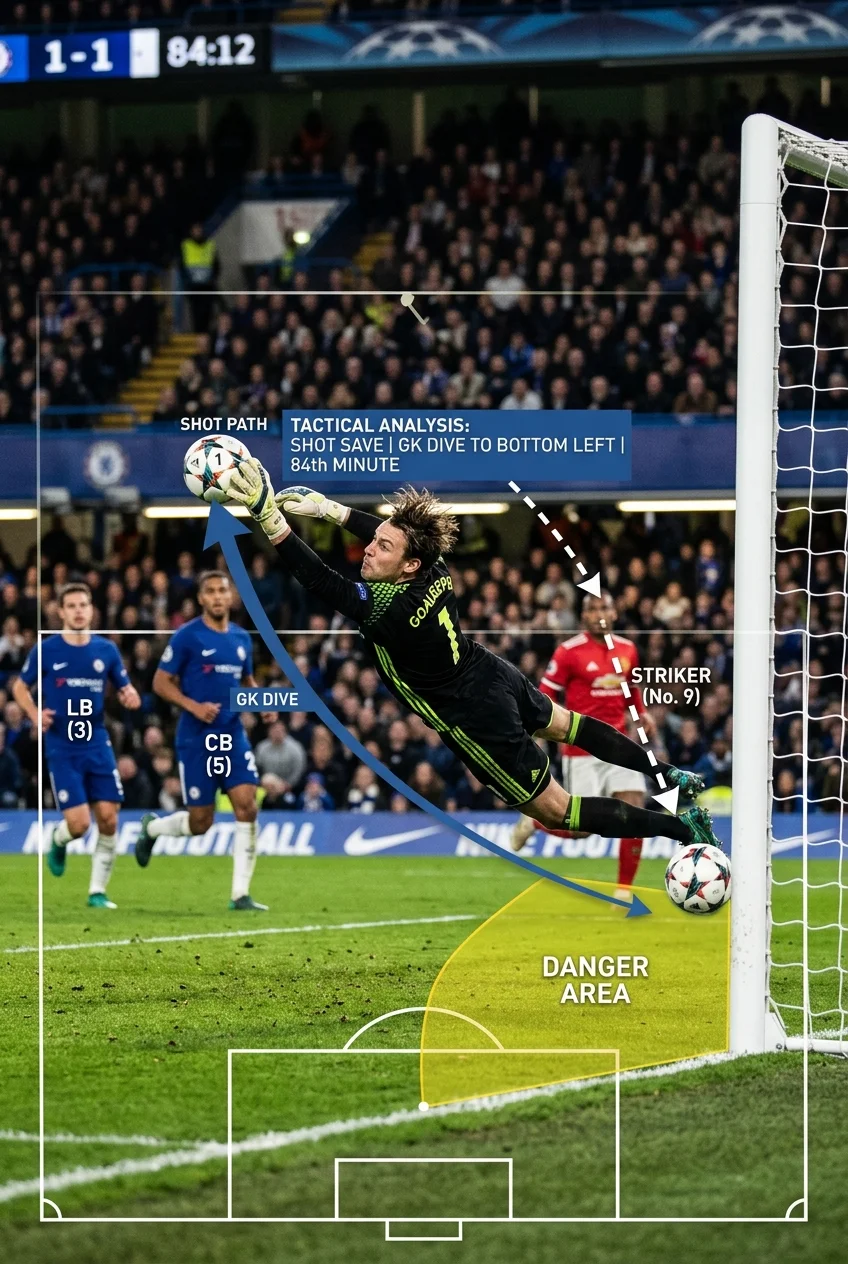
Modern goalkeeping has evolved into an expert framework where the number one acts as the first line of attack. Integrating into a Juego de Posición (Positional Play Grid Matrix), today’s keepers are expected to possess exceptional ball distribution skills alongside traditional shot-stopping reflexes. This tactical evolution demands a goalkeeper who can confidently manage possession under pressure.
In practice, this means acting as an extra outfield player during early build-up phases. Excellent spatial awareness and precision passing allow the keeper to bypass high-pressing forwards effectively. Sweeper-keeper duties also require proactive sweeping outside the penalty area to extinguish long balls before they become dangerous.
At the professional level, dominating the penalty box is absolutely vital for organizing a sturdy defense. Mastering these modern responsibilities sets the foundation for controlling the match tempo right from the backline.
2. Center-Backs (Numbers 4 & 5): Defensive Line Command, Aerial Dominance & Cover Matrix
📊 Tactical Complexity: Intermediate | 🎯 Best For Player Type: Physical Defenders, Aerial Dominators & Vocal Organizers | 💡 Key Tactical Demand: Offside trap coordination, body shape body-locks & aerial duels
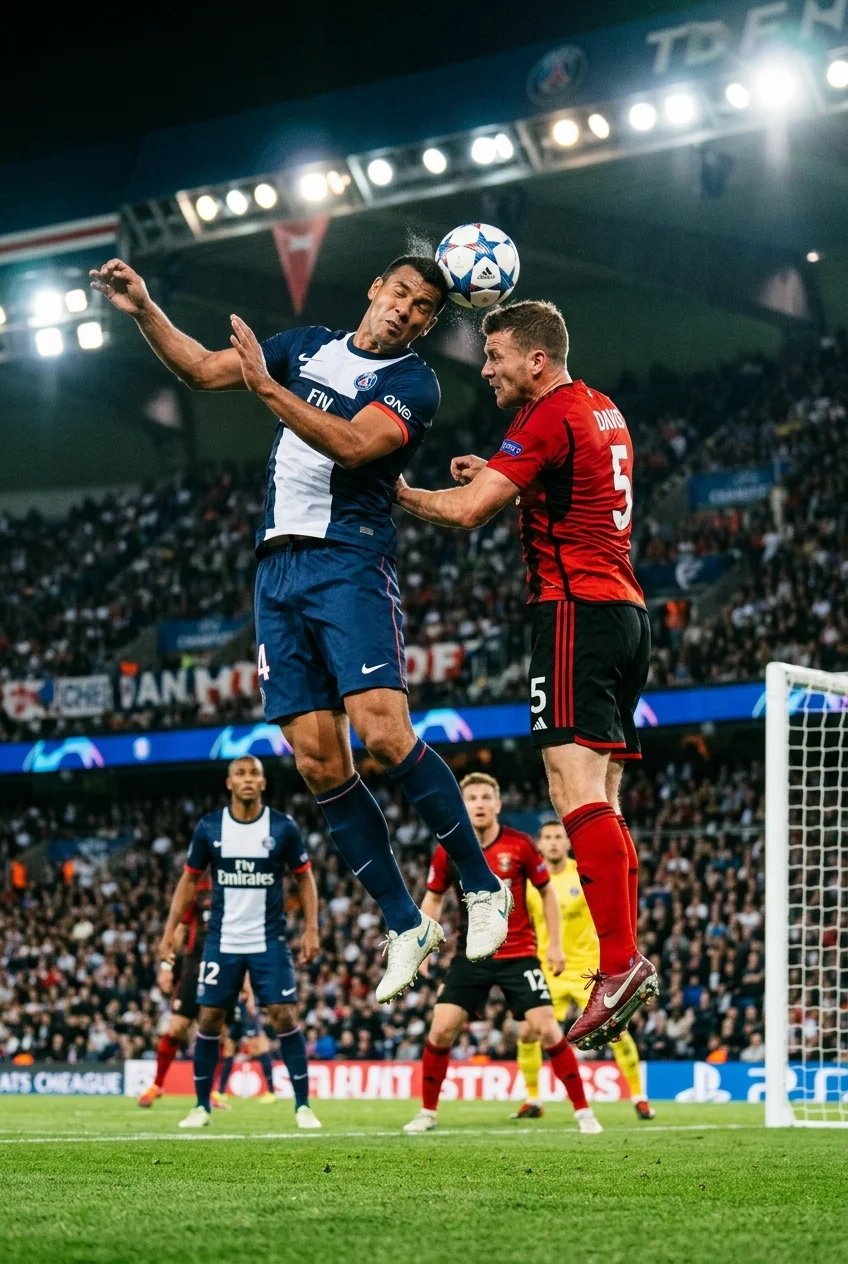
A common myth suggests that center-backs only need brute strength and height to clear incoming crosses. In reality, mastering the Arrigo Sacchi Zone Defense & Compact Lines Matrix is crucial for maintaining defensive solidity. Defenders must coordinate precisely to orchestrate the offside trap while maintaining optimal body positioning.
Effective center-backs continuously scan the pitch to anticipate through balls and intercept key passes before they reach the penalty area. They are the vocal leaders who command the defensive line, ensuring that gaps are minimized and attackers are isolated. Aerial dominance remains important, but it is this intelligent reading of the game that truly neutralizes threats.
Taking a minimalist approach to defending means focusing on efficiency and flawless execution rather than unnecessary slide tackles. Keep your defensive line synchronized, and you’ll shut down even the most potent attacking combinations.
3. Full-Backs (Numbers 2 & 3): Overlapping Width, Wide Defense & Transition Duties
📊 Tactical Complexity: Advanced | 🎯 Best For Player Type: Pacy Runners, High-Stamina Tacklers & Wide Crossers | 💡 Key Tactical Demand: Overlapping overlap/underlap timing & wide 1v1 containment
There has been a massive paradigm shift regarding the traditional role of wide defenders. We must address the Misconception: Modern Full-Backs Are Strictly Defensive Wide Backs; today, they are dynamic two-way players who are essential for stretching the opposition. They provide vital width in attack while simultaneously managing demanding defensive recoveries.
These players act as relentless wide engines, perfectly timing their overlapping and underlapping runs to create numeric advantages in the final third. They must be the heart of the team on the flanks, delivering dangerous crosses while immediately tracking back to handle 1v1 defensive situations. It requires elite stamina and tactical discipline to transition seamlessly between both phases of play.
Professional setups rely heavily on these overlapping full-backs to unlock stubborn low blocks. Perfecting your crossing accuracy and recovery sprints will make you an indispensable asset on the touchline.

4. Wing-Backs (LWB & RWB): High-Stamina Flank Shuttles & Modern 3-5-2 Matrix
📊 Tactical Complexity: Advanced | 🎯 Best For Player Type: Elite-Endurance Athletes, Cross-Country Runners & Wing Attackers | 💡 Key Tactical Demand: Providing complete flank width in possession while dropping into 5-man backline
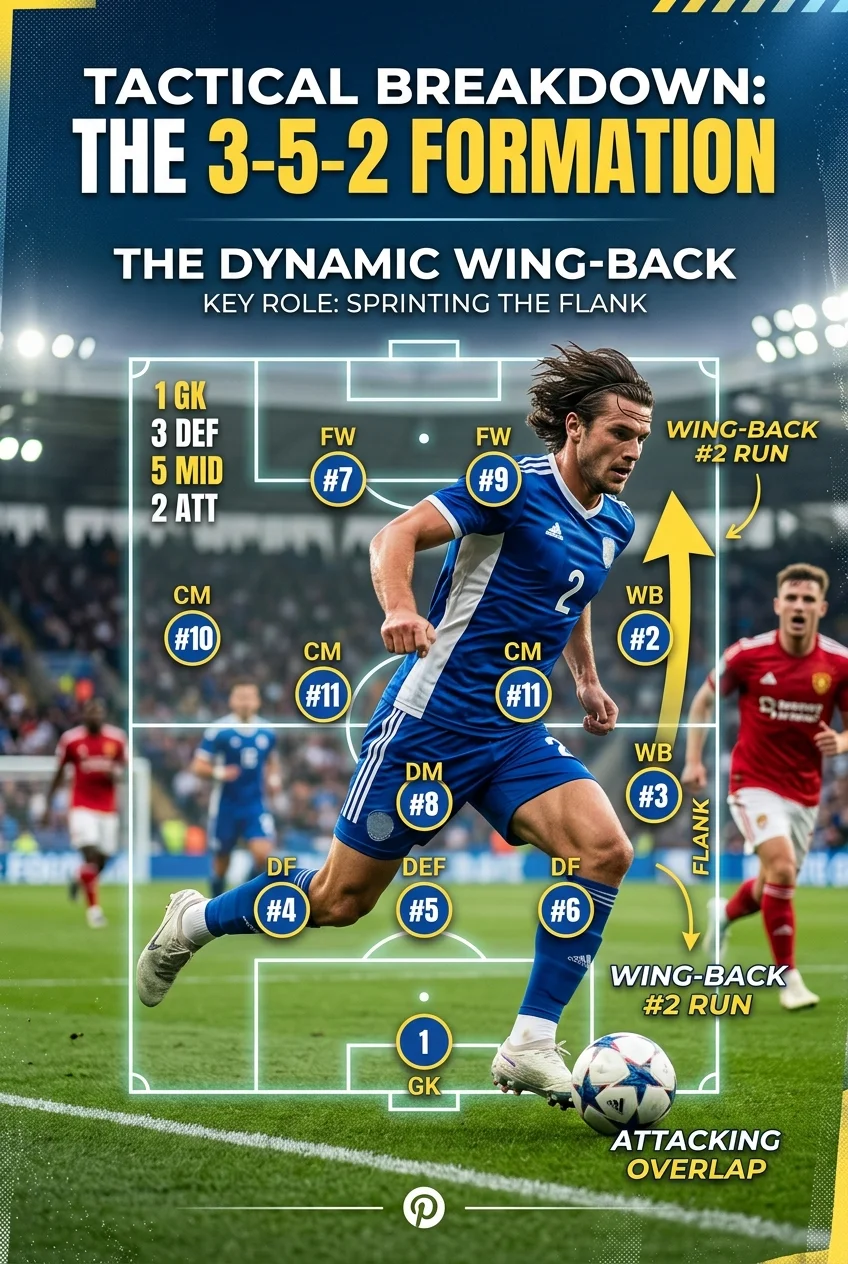
Looking at a real-world example, the Trent Alexander-Arnold Inverted Full-Back Tactical Role highlights just how demanding wide positions have become. Wing-backs in a 3-5-2 or 3-4-3 system are tasked with single-handedly dominating the entire touchline. They serve as the primary source of width, requiring an extraordinary combination of pace, endurance, and technical crossing ability.
When the team is out of possession, they must swiftly drop back to form a resilient five-man defensive line. Offensively, they sprint forward to join the attack, operating almost as traditional wingers to deliver cutbacks and crosses. This constant shuttling up and down the pitch is arguably the most physically taxing role in modern soccer.
Embracing a maximalist approach to this position means relentlessly attacking the space while maintaining defensive integrity. Mastering the timing of your forward bursts ensures you are always a threat without exposing the defense.
5. Defensive Midfielder (Number 6): Single-Pivot Shielding, Ball-Winning & Deep Build-Up
📊 Tactical Complexity: Advanced | 🎯 Best For Player Type: Tactical Minds, Interception Specialists & Calm Passing Anchors | 💡 Key Tactical Demand: Center-back shielding, third-man passing build-up & counter-attack destruction
Data-backed analysis consistently shows that a top-tier number six is the ultimate difference-maker in controlling possession. Operating as The Defensive Anchor / Destroyer Pivot, this player shields the center-backs and ruthlessly disrupts opposition counter-attacks. They are the tactical brain of the team, dictating the tempo and initiating deep build-up play with crisp, line-breaking passes.
The Sergio Busquets Single-Pivot Shielding Case Study demonstrates how intelligence and spatial awareness trump pure physicality in this role. By constantly scanning the field and adjusting their position, elite defensive midfielders intercept passes and recycle the ball effortlessly. They might also operate near The Midfield Engine Room (Double Pivot Powerhouse) to ensure absolute control over the central zones.
In professional environments, mastering the single-pivot requires immaculate decision-making and composure under high pressing. Focus on your first touch and progressive passing to become the undeniable anchor of your squad.
6. Central Midfielder (Number 8): Box-to-Box Engine, Tactical Shuttling & Pressing Duties
📊 Tactical Complexity: Intermediate | 🎯 Best For Player Type: All-Rounders, High-Volume Passers & Dynamic Box-to-Box Runners | 💡 Key Tactical Demand: Second-ball recovery, half-space late runs & pressing trigger execution
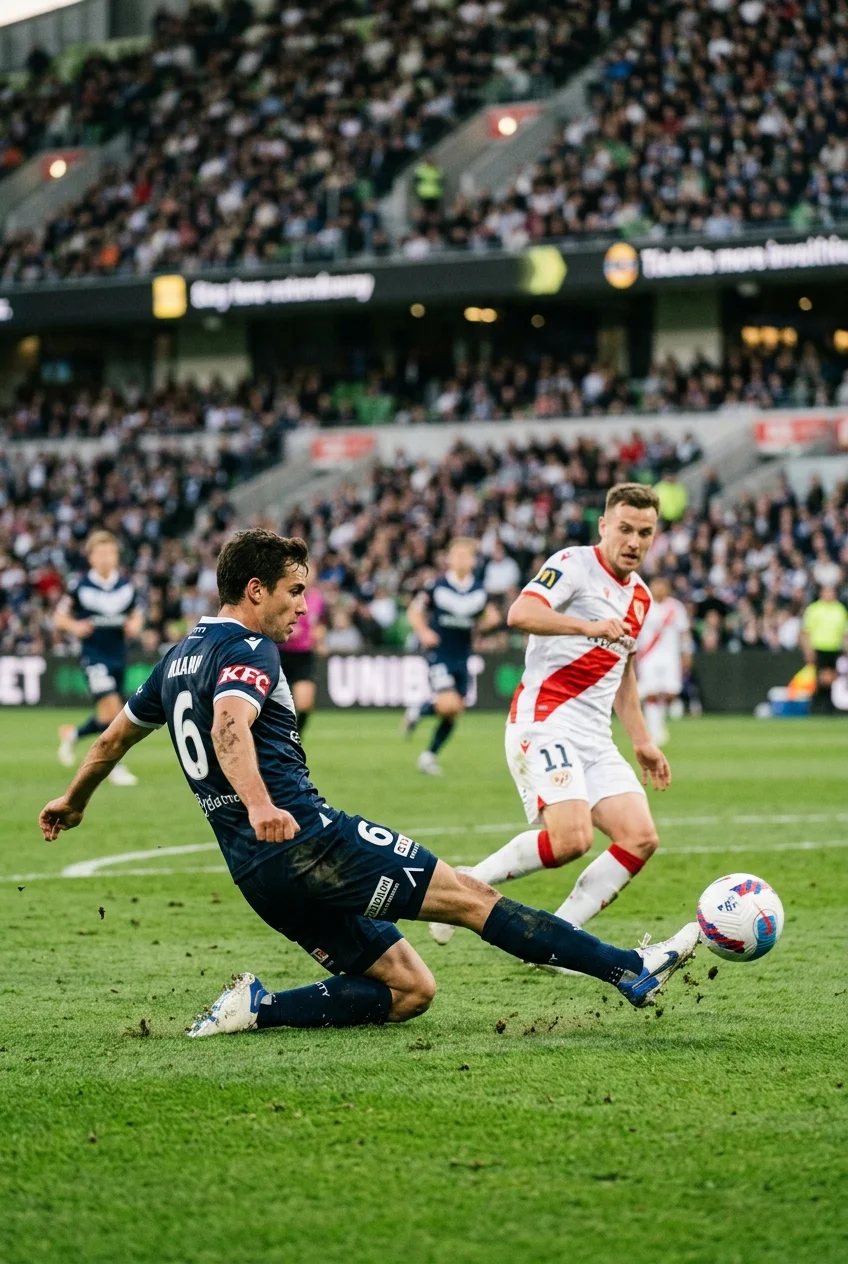
It might seem counterintuitive to expect one player to dominate both penalty areas, but the modern number 8 thrives precisely on this dual responsibility. Operating as The Box-to-Box Tactical Shuttle Engine, this midfielder connects the defense to the attack with relentless energy and precise passing. Rather than just holding position, they are constantly scanning for half-space late runs and initiating pressing triggers high up the pitch.
To master this role, players need exceptional stamina and the ability to read the game defensively while still contributing key passes. They excel in second-ball recovery, often winning crucial tackles before instantly driving forward to join the offensive phase. If you want to learn more about dominating the center of the pitch, check out our guide on mastering midfield play.
For players focused on a DIY approach to development, running interval sprints and practicing quick-turn transition drills are essential. Ultimately, refining your positional awareness will ensure you are always in the right spot to dictate the tempo and support your teammates.

7. Attacking Midfielder (Number 10): Half-Space Playmaking Hub & Chance Creation Matrix
📊 Tactical Complexity: Advanced | 🎯 Best For Player Type: Creative Visionaries, Dribblers & Through-Ball Specialists | 💡 Key Tactical Demand: Finding space between opposition lines & key passes into final third
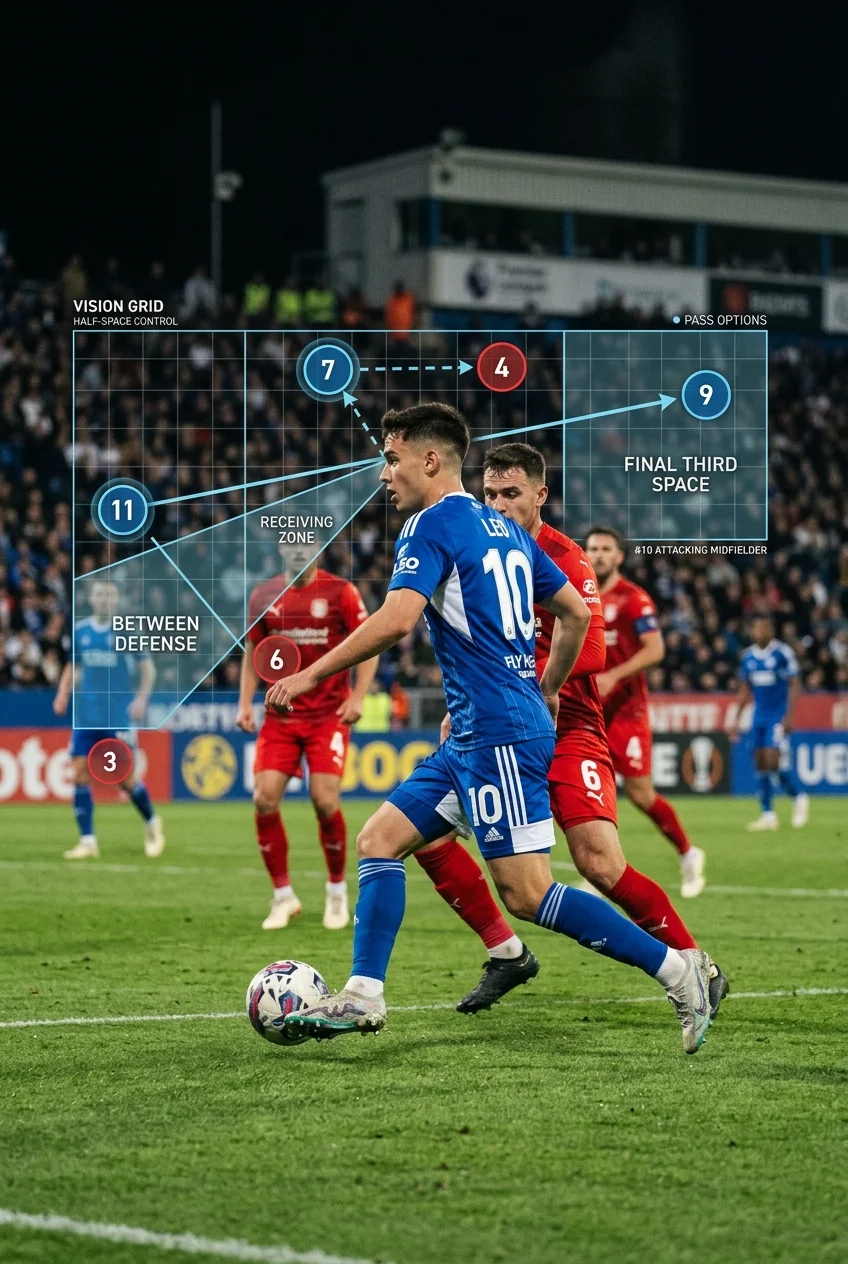
Adopting an expert framework for chance creation transforms the classic number 10 into a lethal weapon in the final third. Rather than acting as a static forward, this playmaker operates in the glowing pockets of space between the opponent’s midfield and defensive lines. While some teams utilize an Andrea Pirlo Deep-Lying Playmaker (Regista) Masterclass from deeper areas, the advanced 10 focuses on threading defense-splitting passes right at the edge of the box.
Creative visionaries in this position must possess exceptional close control, rapid decision-making, and the spatial awareness to receive the ball on the half-turn. By constantly exploiting the half-spaces, they force opposing center-backs into uncomfortable decisions and create numerical advantages. Their primary goal is to deliver perfectly weighted through-balls that set up clinical finishing opportunities.
Taking a maximalist approach to this role means demanding the ball in tight spaces and embracing the creative burden of the team’s attack. Focus on improving your scanning frequency and first touch to ensure every offensive transition is as dangerous as possible.
8. Wingers (Numbers 7 & 11): 1v1 Isolation, High Pressing & Touchline Speed Duties
📊 Tactical Complexity: Beginner | 🎯 Best For Player Type: Explosive Sprinters, 1v1 Dribblers & Inverted Cut-Inside Finishers | 💡 Key Tactical Demand: Wide touchline stretching, defensive tracking & back-post diagonal runs
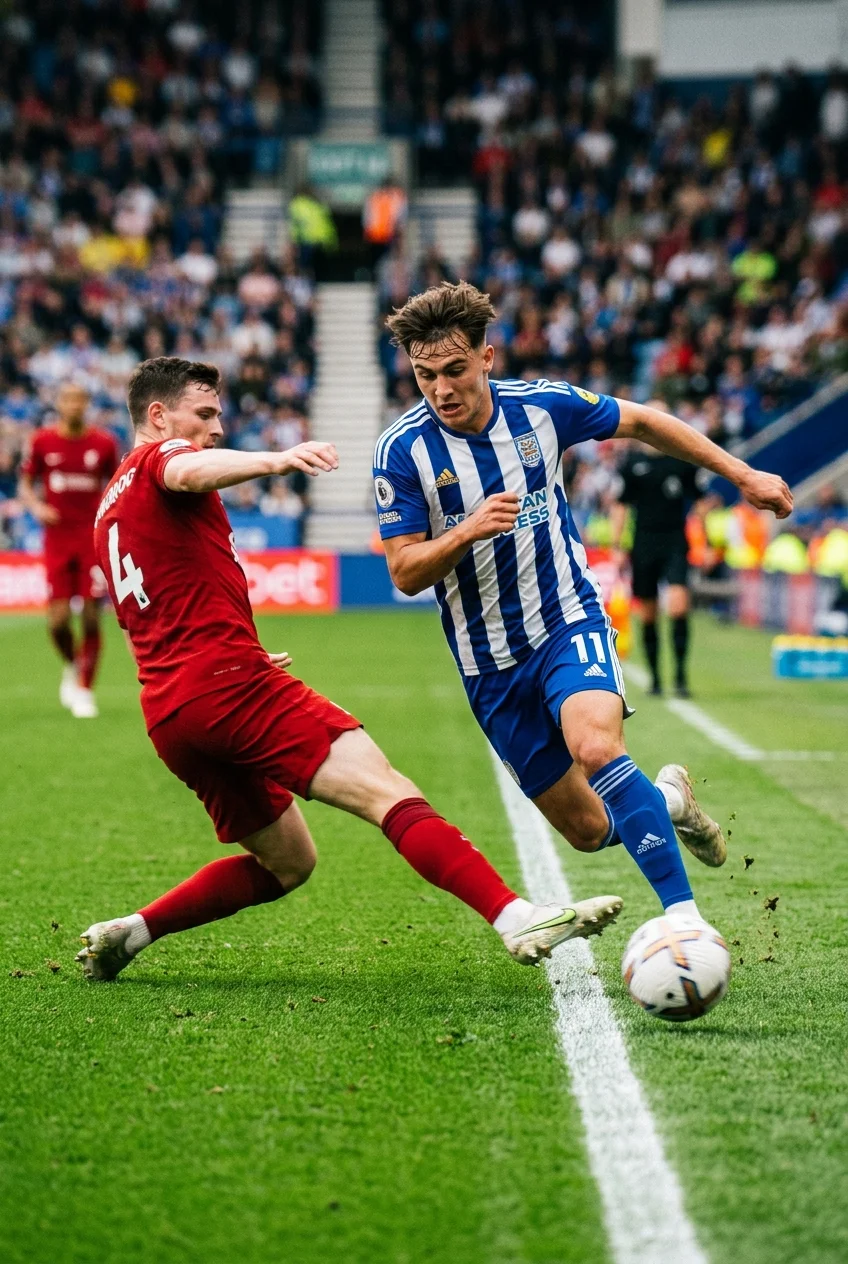
It is a common myth that wingers only need blistering pace and the ability to cross the ball into the box. In reality, modern wide players are deeply integrated into the team’s defensive structure, often serving as the first line of defense. By participating actively in the Gegenpressing High-Block Positional Zone Matrix, they instantly pressure full-backs to force turnovers high up the pitch.
Offensively, these explosive sprinters are tasked with maintaining maximum width to stretch the opposing backline and create 1v1 isolation scenarios. Many contemporary tacticians prefer inverted wingers who cut inside onto their stronger foot, transforming them into secondary goalscorers rather than traditional crossers. They must also time their back-post diagonal runs perfectly to capitalize on deliveries from the opposite flank.
In a professional setting, a winger’s work rate off the ball is scrutinized just as heavily as their dribbling success rate. Balancing relentless attacking thrusts with disciplined defensive tracking is the ultimate key to mastering the wide areas.
9. Center-Forward (Number 9): Penalty Box Threat, Link-Up Play & Target Man Matrix
📊 Tactical Complexity: Intermediate | 🎯 Best For Player Type: Clinical Finishers, Strong Target Players & Dynamic Line-Breakers | 💡 Key Tactical Demand: Hold-up play under pressure, center-back pinning & box movement
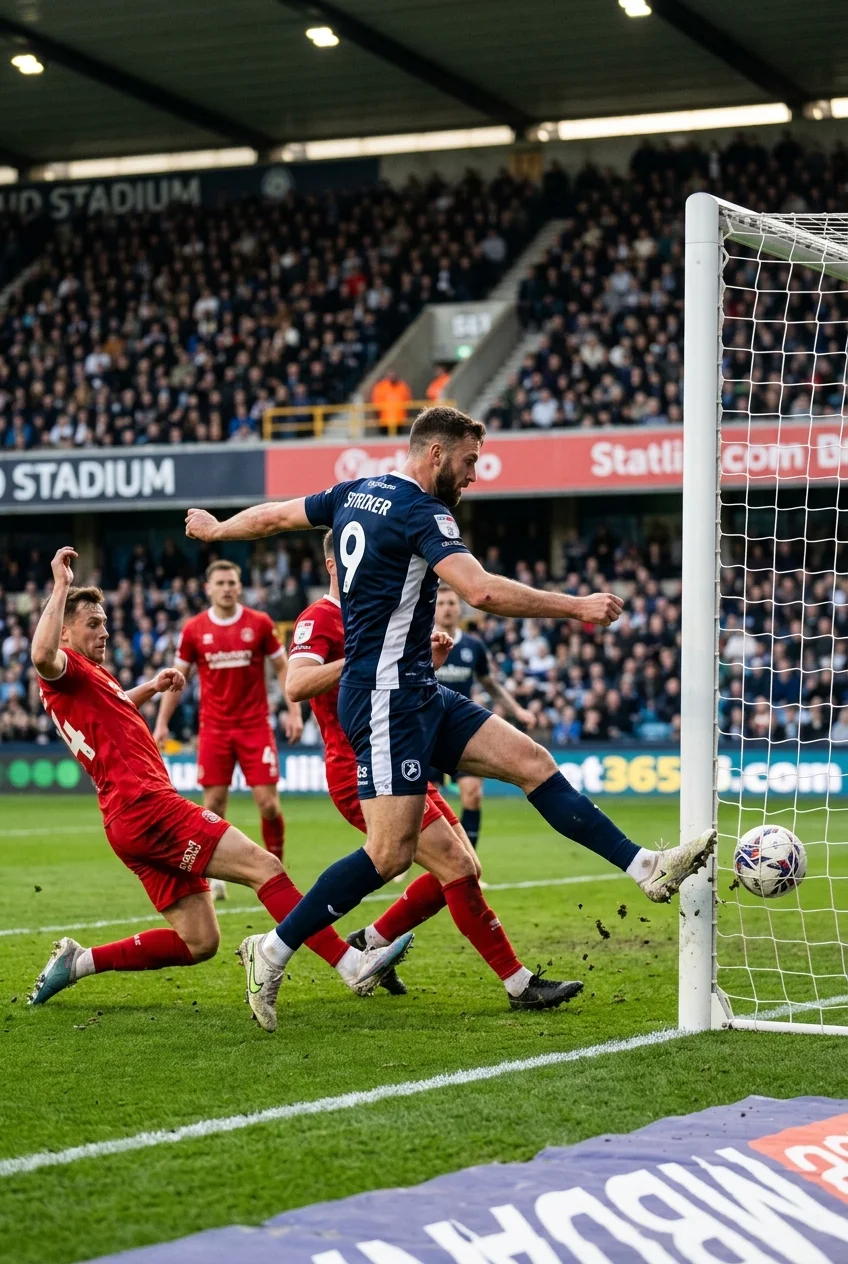
Recent years have seen a massive paradigm shift in how we evaluate elite strikers, moving far beyond mere goal tallies. It is a massive Misconception: Strikers Have Zero Out-of-Possession Defensive Duties, as today’s forwards are expected to initiate the team’s pressing traps. Acting as the focal point of the attack, they must combine clinical finishing with the physical strength needed to pin opposing center-backs deep.
Exceptional hold-up play under pressure is non-negotiable, allowing the striker to bring advancing midfielders and overlapping wingers into the attacking phase. Whether functioning as a robust target man or a dynamic line-breaker, their movement inside the penalty box must be calculated and lethal. They constantly manipulate defenders with subtle decoy runs, creating vital space for teammates to exploit.
A minimalist approach to the number 9 role focuses strictly on efficiency, prioritizing maximum output from very few touches. Perfecting your back-to-goal technique and mastering one-touch finishes will instantly elevate your overall attacking impact.
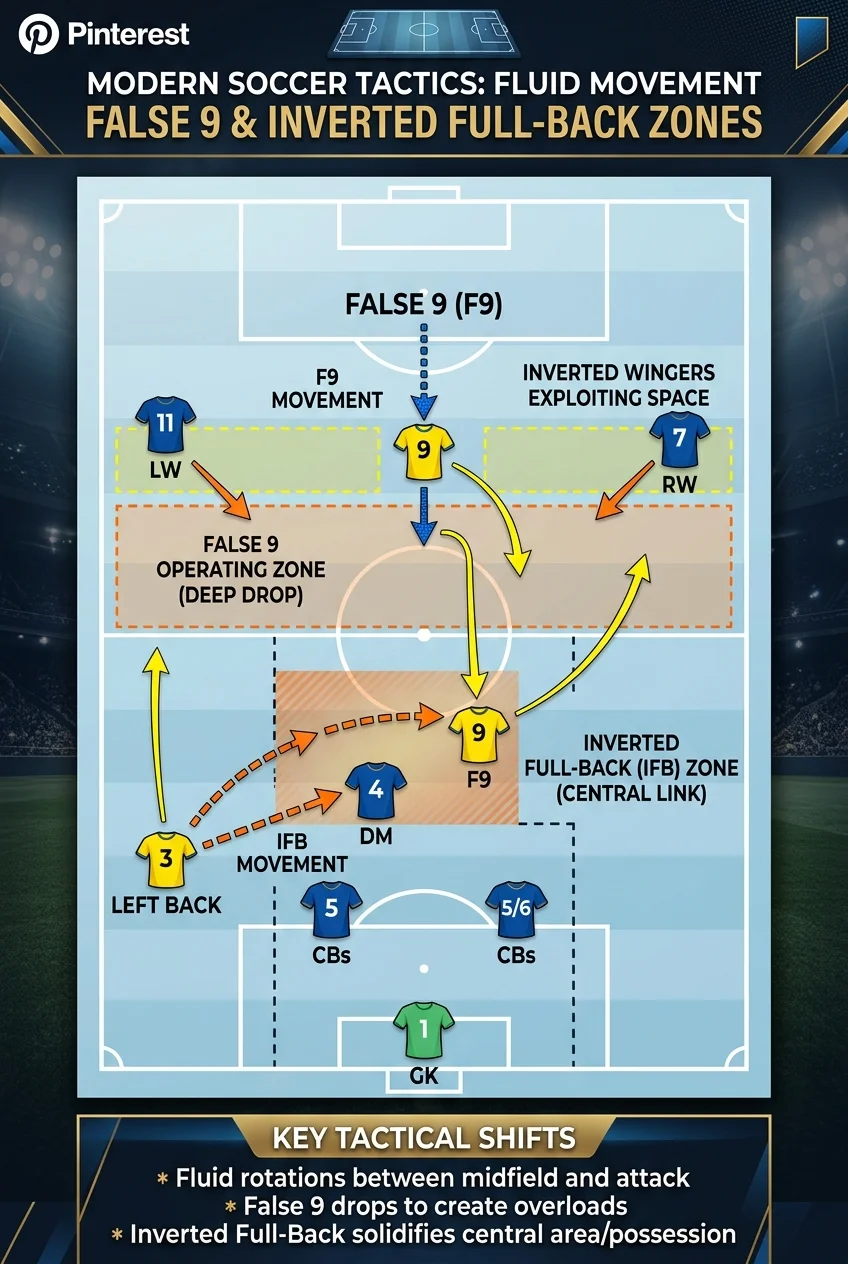
10. Modern Hybrid Roles: False 9 Decoys, Inverted Full-Backs & Position Interchanging Matrix
📊 Tactical Complexity: Advanced | 🎯 Best For Player Type: Tactically Intelligent Versatile Players & Spatial Manipulators | 💡 Key Tactical Demand: Fluid position swapping, decoy runs & overloading central zones in transition
A brilliant real-world example of modern tactical evolution is the rise of hybrid roles that actively defy traditional positional boundaries. Rooted heavily in the Rinus Michels Tactical Interchange System and the broader Total Football Fluid Position Interchanging Framework, these roles require unmatched spatial awareness. Players operate as shape-shifting chameleons, seamlessly overloading central zones to create numerical superiority during offensive transitions.
Two of the most prominent variations include the Pep Guardiola Inverted Full-Back Tactical System and the deployment of The False 9 Magnet (Decoy Operator). Inverted full-backs tuck into the midfield to act as auxiliary playmakers, while a False 9 drops deep to drag central defenders out of position. This constant fluidity completely disrupts traditional man-marking schemes and opens up massive passing lanes for attacking runners.
At the professional level, these hybrid positions demand exceptional tactical intelligence and extreme technical versatility. Mastering fluid position swapping not only confuses the opposition but ultimately dictates the entire rhythm of the match.
Frequently Asked Questions
What are the main responsibilities in a Juego de Posición (Positional Play) system?
In a Juego de Posición framework, players must maintain strict positional discipline to create numerical advantages. The primary soccer position responsibilities matrix here dictates that players constantly adjust to form passing triangles and exploit half-spaces.
How does the Pep Guardiola Inverted Full-Back Tactical System change traditional defender roles?
The inverted full-back system requires wide defenders to tuck into the midfield during build-up play, effectively acting as an extra central midfielder. This shifts their duties from simple touchline overlapping to complex central ball retention and counter-attack prevention.
What is the main duty of The Defensive Anchor or Destroyer Pivot?
Operating as a number 6, the defensive anchor is tasked with shielding the center-backs and breaking up opposition attacks. Their key tactical demand is spatial awareness and intercepting passes before they reach the final third.
Do modern strikers have out-of-possession defensive duties?
Yes, it is a common misconception that strikers have zero out-of-possession defensive duties. In modern setups like the Gegenpressing High-Block Positional Zone Matrix, the center-forward acts as the first line of defense, actively triggering the press to force turnovers.
How does the Total Football Fluid Position Interchanging Framework work?
Pioneered by the Rinus Michels Tactical Interchange System, this approach allows players to seamlessly swap roles during a match without losing structural shape. For example, if a center-back pushes forward, a midfielder naturally drops back to cover the vacated defensive zone.
Get our latest guides, news, and insights highlighted in your Google Search & AI Overviews.