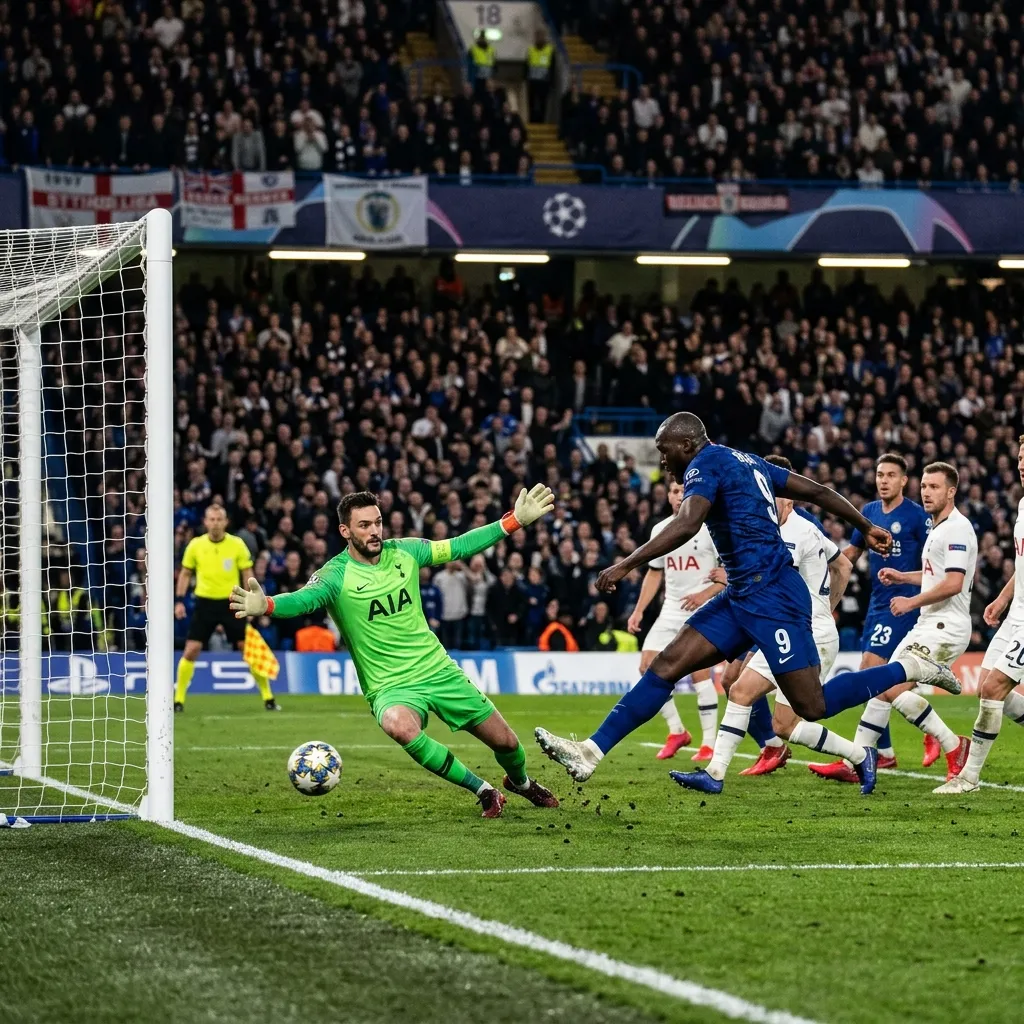
When comparing women’s and men’s soccer, the primary differences lie in physical dynamics, game speed, and historical funding, yet both share the identical core rules set by FIFA. Statistical analysis reveals that top-tier men’s matches average around 10-12 kilometers of running per player, while elite women’s players average 9-11 kilometers. Despite these marginal distance differences, men’s soccer generally features higher top sprint speeds, averaging 32 km/h compared to 28 km/h in women’s professional leagues. However, women’s matches often demonstrate higher active playing time and fewer disruptive fouls. Understanding these nuances helps fans appreciate the distinct tactical approaches required in both forms of the beautiful game.
Physical Differences and Game Pace
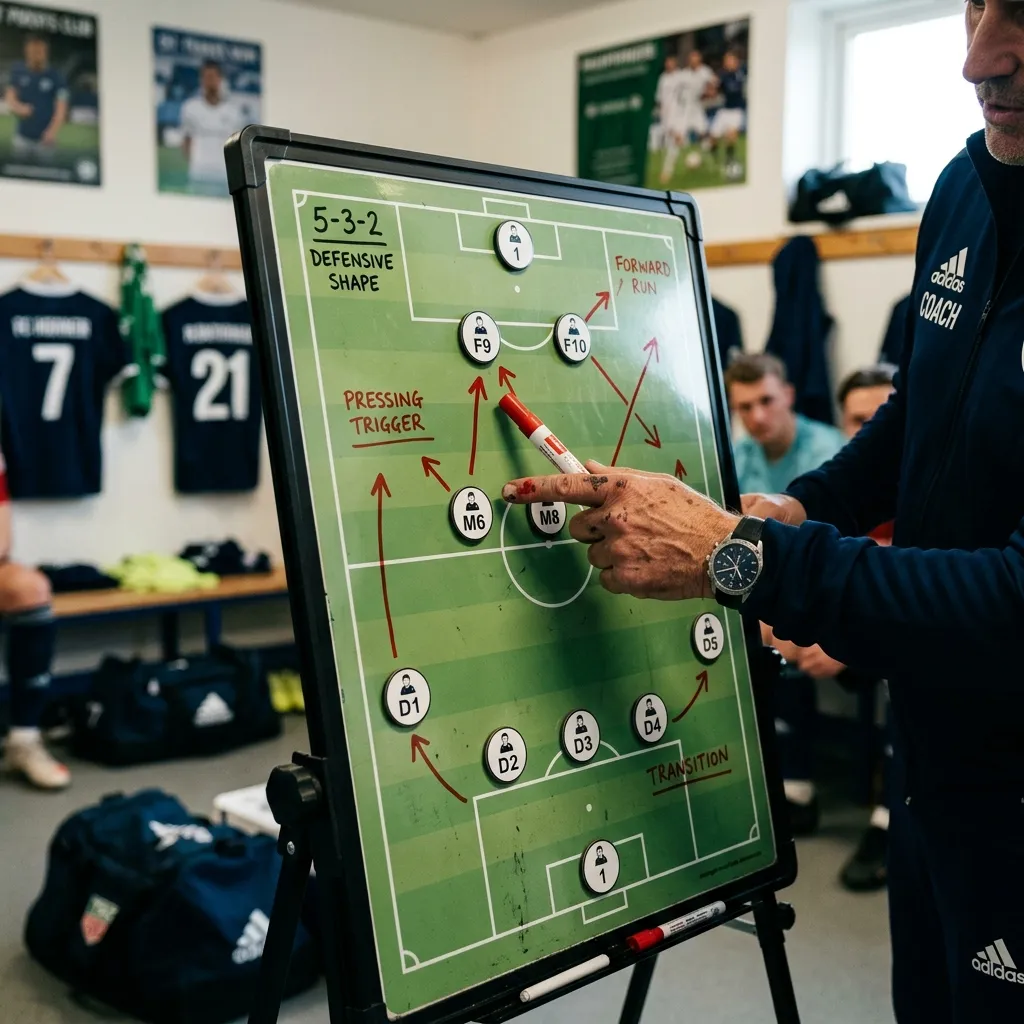
The physiological disparities between male and female athletes naturally influence the pace of the match. Men typically possess greater muscle mass, leading to higher top sprint speeds and more explosive acceleration. This results in a slightly faster transition game on average. Conversely, women’s soccer often relies heavily on precise passing networks and sustained tactical formations. The tactical execution in the women’s game is highly technical, compensating for the difference in raw explosive power.

Financial Disparities and Global Reach
Historically, the men’s game has enjoyed over a century of continuous professional development and massive broadcasting deals. This has led to a significant wage gap and disparity in prize money. However, the women’s game is currently experiencing unprecedented growth. Recent global tournaments have shattered attendance and viewership records, prompting major sponsors to invest heavily in female athletes. The financial gap is slowly but steadily closing.
| Metric | Men’s Soccer (Average) | Women’s Soccer (Average) |
|---|---|---|
| Pitch Size | Standard FIFA dimensions | Standard FIFA dimensions |
| Match Duration | 90 minutes | 90 minutes |
| Top Sprint Speed | ~32-35 km/h | ~28-31 km/h |
Frequently Asked Questions
Are women’s soccer fields smaller than men’s?
No, women’s soccer fields are exactly the same size as men’s fields. Both adhere strictly to FIFA regulations regarding pitch dimensions.
Do women play 90 minutes in soccer?
Yes, women play a full 90-minute match divided into two 45-minute halves, identical to men’s soccer.
Is the soccer ball smaller for women?
No, adult women use a standard Size 5 soccer ball, which is the exact same size and weight used in adult men’s professional leagues.
Why do women’s teams score more goals?
Historical data suggests women’s matches occasionally have a slightly higher goal average due to different tactical setups and historically wider gaps in team qualities, though this gap is rapidly shrinking in modern competitive leagues.