Every great soccer moment begins with confidence-and that starts well before the whistle blows.Properly wearing youth soccer shin guards is more than a safety checklist; it’s a crucial skill that protects young players from injury while letting their passion and performance shine uninterrupted. Yet, many young athletes and parents overlook how correct fit and positioning can dramatically change comfort, mobility, and protection on the field. Understanding the right technique not only guards against painful impacts but also builds the foundation for fearless play, inspiring kids to push boundaries and embrace the game’s thrilling intensity. In this guide, we’ll walk you through the essential steps to ensure shin guards fit perfectly and stay in place, helping your young player step onto the field ready to face every challenge with strength and confidence.
Contents
- Choosing the Right Youth Soccer shin Guards for Protection and Comfort
- Key Features to Look for
- step-by-Step guide to Properly Wearing Shin Guards
- Adjusting Shin Guards for Maximum Mobility and Safety
- Practical Tips for Achieving optimal Mobility and Safety
- common mistakes to Avoid When Wearing Shin Guards
- Key Areas to Avoid When Fitting Shin Guards
- How to secure Shin Guards for Intense Game Play
- Practical Tips for Locking in shin Guards
- Maintaining and Cleaning Youth Shin Guards for Longevity
- Essential Care Tips for Longevity and Hygiene
- Understanding the Importance of Shin Guard Fit and Size
- Key factors to Consider for Optimal Fit
- Tips from Coaches and Players on Shin Guard Usage
- Adapting Shin Guards for Different Positions and Playing Styles
- Key Considerations for Position-Specific Shin Guard Adaptations
- Recognizing When to Replace Worn-Out Shin Guards
- indicators That Shin Guards Need Replacement
- Best Practices for extending your Shin Guards’ Lifespan
- Frequently Asked Questions
- Q: How can youth players prevent shin guard slipping during a match?
- Q: What is the best layering technique for wearing shin guards under soccer socks?
- Q: Why is shin guard placement different for goalkeepers compared to field players?
- Q: When should parents check if youth shin guards need replacing mid-season?
- Q: How do shin guard straps affect comfort and protection for youth players?
- Q: What role do compression sleeves play in wearing shin guards correctly?
- Q: How can youth players adapt shin guard technique for different whether conditions?
- Q: Why is it important for youth soccer players to balance shin guard tightness and mobility?
- Wrapping Up
Choosing the Right Youth Soccer shin Guards for Protection and Comfort

Every great defender knows that the fiercest battles on the pitch often come down to split-second reactions and unyielding protection. For youth players stepping into the vibrant world of soccer, selecting shin guards isn’t merely about compliance-it’s a foundational choice that directly influences performance and injury prevention. The magic lies in balancing robust protection with unwavering comfort; a shin guard must shield the leg’s most vulnerable areas without becoming a hindrance to speed or agility. Coaches reminisce about seasons where a perfectly fitted pair transformed a cautious youngster into a confident presence on defense, while players recall the frustration of slipping guards that disrupted their rhythm during signature plays.
Understanding the anatomy of shin guards reveals why fit and design are paramount for youth athletes. Unlike adult players, young athletes experience growth spurts and varying leg proportions, demanding adjustable and size-specific options that evolve with their needs.Innovations such as lightweight materials, vented shells, and ergonomic padding ensure players stay cool and unrestricted during pulsating moments of play. When shopping,consider the type-whether slip-in,ankle-guard hybrids,or full-coverage models-each offering distinct forms of protection tailored to various positions and playing styles.Reflecting on insights from seasoned coaches, the advice is clear: prioritize shin guards that marry durable impact absorption with a snug, contoured fit to foster confidence, not compromise comfort.
Key Features to Look for
- Proper Sizing: Ensure the shin guard covers from just above the ankle bone to below the knee without impeding movement.
- Material Quality: Lightweight plastic shells combined with foam padding offer optimal shock absorption and breathability.
- Type of Guard: Slip-in guards for minimalism,ankle guards for extra joint protection,or hybrid styles for versatile coverage.
- Adjustability: Velcro straps or sleeves that adapt as your child grows through the season.
The fusion of thoughtful design and personalized fit transforms shin guards from mere gear into an extension of a young player’s competitive edge – honoring the passion and spirit that make youth soccer a vibrant community and a crucible for future champions.
step-by-Step guide to Properly Wearing Shin Guards
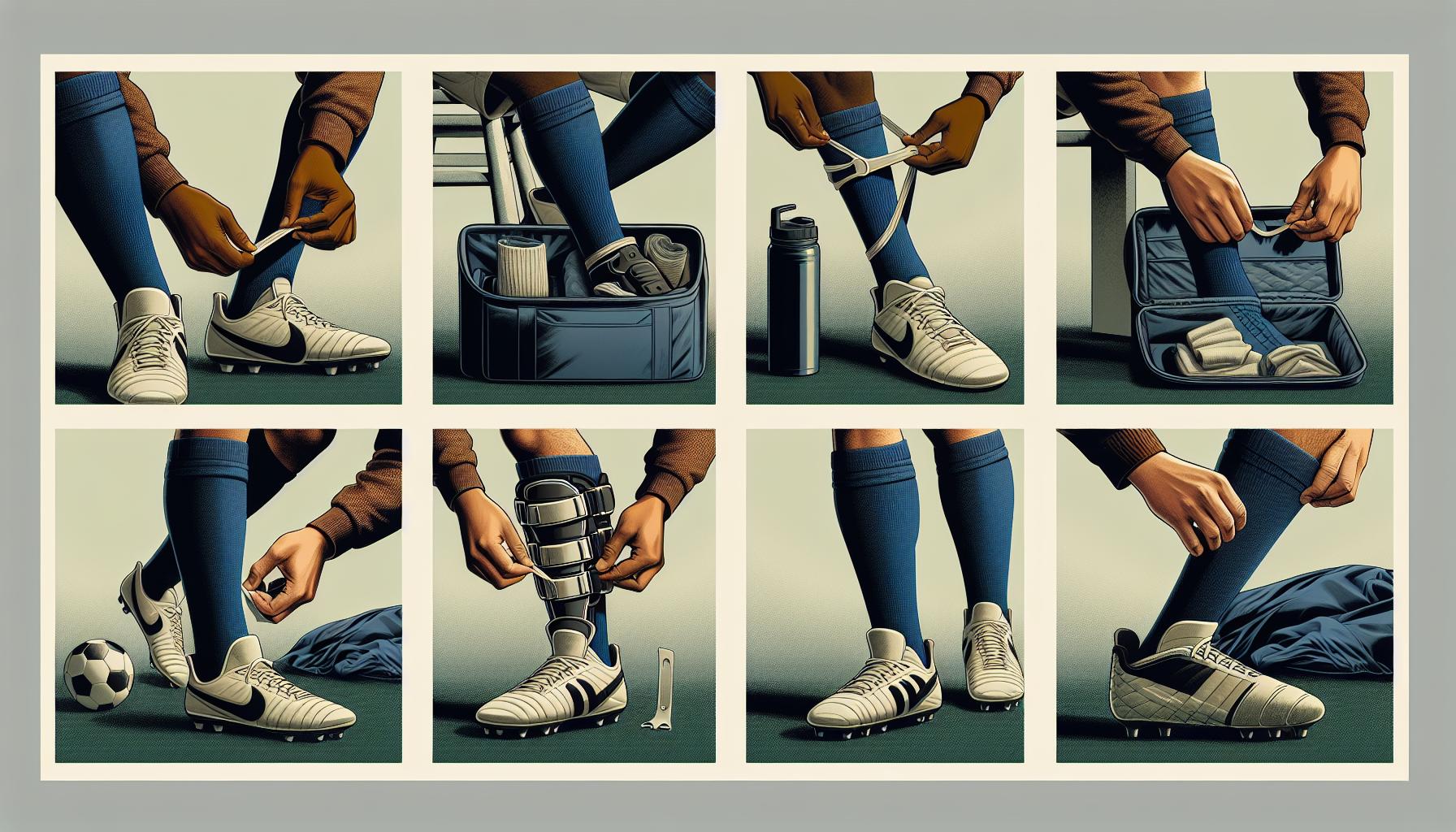
Few pieces of youth soccer equipment hold as much understated power as shin guards-the silent guardians of the pitch that transform raw talent into fearless play. Properly worn shin guards act not only as shields but as confidence boosters, allowing young athletes to engage with intensity and agility without hesitation. The journey to mastering their fit and placement begins before the first whistle, requiring attention to detail that echoes the precise movements players themselves strive for during game-winning plays. From the moment a shin guard is slipped on,it must feel like a natural extension of the leg,not a cumbersome obstacle.
start by positioning the guard so it covers the shin from just above the ankle bone up to midway below the knee,ensuring the key vulnerable areas receive full protection without restricting ankle or knee mobility. Slide the guard snugly against the skin or over a fitted sock; this close contact prevents shifting during those quick pivots and tackles that define the game’s heartbeat. Next, secure the guard using the provided straps or sleeves-these aren’t mere accessories but vital fixtures that hold the protection firmly in place. Players often find that adjusting straps for a firm yet comfortable tension avoids the frustration of slippage, a common complaint echoed by coaches who see potential compromised by ill-fitted gear. Remember, shin guards should never twist or slide during movement; otherwise, even the most advanced materials can’t prevent injury.
- Step 1: Choose the correct shin guard size matching the player’s height and leg circumference.
- Step 2: Put on high socks or compression sleeves as a base layer for comfort and guard stability.
- Step 3: Place the shin guard so it rests right over the shinbone, avoiding gaps above or below.
- Step 4: Fasten straps or pull up the sleeves, adjusting snugness to prevent movement but maintain circulation.
- Step 5: Test mobility with stretches and running drills to ensure unrestricted play capability.
Veteran youth coach Maria Lopez reflects, “A player once came to me frustrated, saying their guards would ‘dance’ every time they sprinted. A quick adjustment-tighter sleeves and a sock tuck-changed their entire game. Confidence isn’t just about skill; it’s about feeling secure in your gear.” This seamless integration of shin guards into a player’s routine doesn’t just prevent injuries; it sparks the kind of fearless play that turns a good team into champions.
Adjusting Shin Guards for Maximum Mobility and Safety
Few moments on the soccer field test a player’s balance and agility like a sudden pivot or a lightning-fast sprint. In these split seconds, the right adjustment of shin guards can make all the difference – letting young athletes move fluidly while ensuring they remain protected. It’s not merely about fastening them tight; it’s about finding that perfect harmony between stability and freedom of movement. Veteran defender Ethan Ramirez recalls how mastering this balance transformed his play: “Once I stopped fighting my shin guards and learned to adjust them just right, I felt unstoppable. My game sharpened because I wasn’t distracted by discomfort or slippage.” This seamless fit becomes an unseen ally that supports aggressive tackling, quick turns, and confident challenges without sacrificing safety.
Tailoring shin guards for maximum mobility involves fine-tuning their position and tension to accommodate both the length and flex of the player’s leg. Start by checking that the guard’s top edge rests below the knee without pressing uncomfortably, while the bottom sits just above the ankle bone to cover vulnerable spots without constricting movement. Use adjustable straps or compression sleeves to anchor the guard firmly, but avoid overtightening that could impair circulation or cause skin irritation. Players are advised to perform dynamic stretches and simulate game-like movements-like quick cuts, lunges, and jogging-to assess whether their guards stay firmly in place throughout. Sometimes, a slight repositioning by a few millimeters or doubling the sock layer under the guard can eliminate ‘guard drift’ during play. Coaches often stress that “the right adjustment lets players focus on the game, not the gear,” proving that these silent adjustments underpin moments of brilliance on the pitch.
Practical Tips for Achieving optimal Mobility and Safety
- ensure snug but comfortable strap tension: Tight enough to prevent sliding, loose enough to maintain blood flow.
- Position guards to mirror natural leg movement: Guard should not interfere with knee bends or ankle pivots.
- Use compression sleeves or tuck socks firmly: This adds stability and prevents shifting during sprints.
- Test with movement drills pre-game: Running, jumping, and quick changes of direction reveal potential discomforts or slippage.
common mistakes to Avoid When Wearing Shin Guards

Every youth player stepping onto the pitch carries the dream of delivering a game-changing tackle or weaving past defenders with flawless footwork; yet, one common obstacle that often sabotages these moments is improperly worn shin guards. Despite being the cornerstone of leg protection, shin guards can betray players if haste or misunderstanding leads to basic errors-errors that not only reduce effectiveness but can also amplify the risk of injury. From jarring slips during sprints to persistent discomfort that distracts from play, the way shin guards are worn literally shapes performance and confidence. Veteran coach Linda Martinez recalls a memorable youth tournament where a promising forward was sidelined early as his guards slipped repeatedly during critical plays: “He spent so much time adjusting his gear rather of focusing on the game.Once we corrected his fit, his natural talent shone through.”
Among the most frequent pitfalls is selecting guards that are either too large or too small, creating zones of vulnerability or restricting fluid motion. Another easily overlooked mistake is misplacement of the shin guard itself-positioning it incorrectly relative to key anatomical landmarks, such as covering the shin bone too low or leaving the ankle exposed. Improper strap tightening also emerges as a silent saboteur; too loose invites dangerous sliding and skin abrasions, while too tight chokes circulation and limits agility. These errors can easily be mitigated by a simple awareness check before kickoff. As young defenders learn from Ethan Ramirez, mastering the balance between secure fit and freedom transforms frustration into fearless play. Coaches stress the importance of incorporating routine guard checks into warm-ups, underscoring that the smallest adjustments can be game-defining.
Key Areas to Avoid When Fitting Shin Guards
- Ignoring size guidelines: Selecting wrong size leads to shifting or pressure points.
- Placing guards too high or too low: Guard edges must align just below the knee and above the ankle for proper coverage.
- Overtightening straps: Excess tension can cause numbness, restrict movement, and increase fatigue.
- Skipping movement tests: Players must simulate game motions to confirm guards stay stable throughout.
- Neglecting sock or sleeve layering: lack of an underlayer can increase sliding and discomfort.
Paying attention to these frequently overlooked details elevates protection from a mere obligation into a competitive advantage-allowing young athletes to embrace the game’s intensity with resilience and grace.
How to secure Shin Guards for Intense Game Play

The pivotal moment when a player’s shin guards stay firmly in place amid the chaos of tackles, sprints, and sudden pivots often separates a confident performance from a compromised one. securing shin guards for intense game play goes beyond simple strap tightening-it requires a thoughtful blend of technique and adaptability that ensures protection without sacrificing agility.Veteran youth coach mark delgado emphasizes, “During high-stakes matches, the last thing a young player needs is to lose precious seconds adjusting gear. Proper securement builds trust between player and equipment, letting talent shine through under pressure.”
Achieving this balance begins with selecting the right fastening system-whether elastic sleeves, Velcro straps, or adhesive-backed guards, each demands a tailored approach. For instance, elastic sleeves provide snug compression, offering freedom of movement but benefit immensely from an additional layer like soccer socks that create friction and prevent slipping. Velcro straps must be fastened firmly enough to avoid sliding yet carefully adjusted to avoid restricting circulation; coaches suggest testing tightness by jogging and quick lateral moves pre-game for feedback. Experienced players like midfielder Ava Jennings recount how adding a thin sock liner dramatically improved guard stability in competitive tournaments: “it’s the small tweaks like these that make a difference when the intensity spikes.” Integrating these steps helps young athletes maintain unwavering focus, turning routine protection into a strategic edge.
Practical Tips for Locking in shin Guards
- Layer smartly: Use a thin sock or compression sleeve under guards to minimize movement.
- Check strap tightness: Aim for firm but comfortable tension; readjust if circulation feels cut off.
- Double-lock system: Combine elastic sleeves with straps when possible for added security.
- Pre-game movement test: simulate sprints, jumps, and direction changes to confirm no shifting occurs.
- Post-adjust during breaks: Use halftime or stoppages to reassess and refasten as necessary to maintain fit.
Maintaining and Cleaning Youth Shin Guards for Longevity

Every youth soccer player knows the subtle but critical difference that fresh, well-maintained shin guards bring to the confidence and comfort on the field. Beyond the initial fit and securement, longevity and hygiene play starring roles in ensuring these protective pieces continue to defend and perform through countless matches and training sessions. As games extend through weekends and seasons cycle on, shin guards silently absorb the grit, sweat, and dirt of intense play-neglect them, and their effectiveness and lifespan diminish, risking skin irritation at best and compromised safety at worst.
Proper upkeep begins not just with cleaning, but with treating shin guards as trusted teammates.Veteran coach Samantha Lee shares a common locker room insight: “The kids who bring well-kept gear carry a mindset of discipline that often parallels their play-focused, prepared, and ready.” To embody that resilience, rinsing guards with cool water after games helps strip away the immediate sweat and grime. For deeper cleans, mild soap and a soft brush work wonders, avoiding harsh chemicals that may weaken the plastics or padding. Equally notable is thorough drying-never stash damp guards in bags overnight, as moisture invites bacteria growth and odors. Placing them near an open window or a fan’s gentle breeze encourages air circulation, preventing mildew and sustaining material integrity.
Essential Care Tips for Longevity and Hygiene
- Post-Use Rinse: Instantly rinse guards with cool water after each session to remove salt and dirt.
- Weekly Deep Clean: Use mild detergent and a soft brush to scrub padding and straps gently.
- Air Dry Only: Avoid direct heat sources; allow guards to dry naturally in a ventilated space.
- Rotate Equipment: If possible, keep a backup pair to alternate during periods of intense training.
- Inspect Regularly: Check for cracks,stretched straps,or worn padding that signal replacement time.
Players like rising star Jaden Cruz attest to these routines making a tangible difference. “It sounds small, but having clean, snug shin guards feels like putting on armor,” he remarks.”You’re not distracted by itchiness or shifting pads-you just play.” Likewise, leagues that emphasize education on equipment care witness fewer injuries and better overall player satisfaction, proving that maintaining shin guards is as much about honoring the game’s demands as it is indeed about smart readiness. In the ever-evolving drama on the youth soccer pitch, these small acts behind the scenes empower young athletes to embrace their roles with confidence and respect for the sport’s fierce beauty.
Understanding the Importance of Shin Guard Fit and Size
Few pieces of equipment in youth soccer meld the demands of protection,comfort,and agility quite like the shin guard. Ill-fitting guards can quickly become a player’s greatest distraction-slipping down during a breakaway or pinching painfully on rapid pivots-turning confident moves into cautious hesitations. Legend has it that a young defender once credited his pivotal goal not just to tactical savvy but to a perfectly fitted pair of shin guards that stayed firmly locked in as he surged past opponents. this moment captures why fit isn’t merely a box to check; it’s the foundation of seamless performance and unwavering trust between player and gear.
Determining the right size means balancing coverage and freedom of movement. Guards that are too small leave the vulnerable lower leg exposed,risking injuries from studs or tackles,while oversized models invite slippage and discomfort,undermining focus and energy. Coaches often advise measuring from just below the knee to above the ankle, then matching that length with the guard’s sizing guide-an approach that combines science and simplicity. Veteran coach Samantha Lee adds, “When kids wear guards that fit well, you see a marked difference-not only in protection but in their posture and confidence. They play more aggressively and naturally because they’re not worrying about their gear.” A practical tip valued by players is testing the fit by moving through all typical motions before the first match, ensuring the guards stay locked without restricting sprints or sudden stops. For youth players growing rapidly, having two sizes on hand during the season is a savvy strategy, anticipating those subtle shifts that can turn a snug fit into a safety hazard.
Key factors to Consider for Optimal Fit
- Length Coverage: Should span from just below the knee to above the ankle without excessive gaps.
- Width and Contour: Match the shape of the shin to avoid uncomfortable pressure points.
- Strap System: Adjustable straps offer better customization and minimize shifting during intense runs.
- Padding Thickness: Balances impact absorption with maintaining lightweight mobility.
| Player Age | Recommended Shin guard Size | Key Fit Priority |
|---|---|---|
| Under 8 | Extra Small | Lightweight, flexible fit for all-around comfort |
| 8-12 | Small to Medium | Secure fit with added padding for growing players |
| 13 and older | Medium to Large | Maximum protection with firm, adjustable supports |
Tips from Coaches and Players on Shin Guard Usage
The often-overlooked gear that silently shapes a player’s confidence on the field is the trusty shin guard. Coaches and seasoned players alike emphasize that a well-chosen and correctly worn pair is as crucial to performance as mastering dribbling or positioning. Veteran youth coach Mark Reynolds recalls a memorable season when one of his standout midfielders credited her breakthrough to adopting a new shin guard style allowing her to move freely while feeling protected. “When kids know their guards won’t slip or pinch, it changes how they approach every tackle, every sprint,” Reynolds explains. This blend of protection and freedom becomes a quiet but powerful ally, helping players fully embrace the game’s pace and physicality without second-guessing their footing or fearing injury.
Drawing from years of field experience and post-match reflections, several actionable tips often emerge from the community:
- Customize the fit early: Players are encouraged to try on shin guards with their socks and cleats well before the first game. this helps identify uncomfortable pressure points or slipping before it affects play.
- Prioritize adjustable straps: Not all leg shapes are alike, and adjustable straps offer the best solution to a snug yet comfortable embrace, especially during intense runs or sudden changes of direction.
- Adapt based on position: Defenders benefit from thicker padding on the anterior shin, while forwards may prefer lighter, more flexible models to maximize speed and agility.
- Routine checks and repositioning: Players often adjust guards at halftime or breaks to maintain optimum placement-an essential habit that keeps protection consistent as sweat or movement shifts the gear.
Coach Tanya Morales adds,”Nothing builds trust in equipment like knowing your shin guards move in harmony with your body,not against it. I remind my players that discomfort is a signal-never something to power through.” These insights highlight that effective shin guard usage isn’t just about gear choice but ongoing attention to fit and comfort, fostering a mindset where players feel safe to push the limits of their skill and courage on the pitch.
Adapting Shin Guards for Different Positions and Playing Styles
Soccer shin guards are more than just protective gear-they’re an extension of a player’s style and role on the field.The demands placed on a defender differ vastly from those on a winger or striker, and understanding these nuances transforms a basic piece of equipment into a tailored asset. For defenders, who frequently enough face aggressive tackles and frequent blocks, shin guards with robust, rigid padding particularly on the anterior side offer essential impact resistance. Veteran defender Luis Martinez recalls, “My confidence grew the day I switched to guards designed for protection. I could challenge strikers harder, knowing my shins were shielded.” On the flip side, attackers and midfielders prioritize agility, so they lean towards lighter, slimmer designs that allow quick pivots, sprints, and sudden stops without feeling weighed down.
Players may also find it useful to tweak strap placements or opt for guards with flexible inserts to match their playing tempo and preferred movement styles. A fast-paced winger, as an exmaple, benefits from streamlined guards that stay secure despite sharp turns, while a powerhouse centre-back might choose thicker guards supplemented by quality compression sleeves for extra stability. Coaches often advocate trial-and-error during training sessions: “We encourage kids to experiment with various models until they find a style that syncs with their role,” says youth coach Elena Kim. She adds that adapting shin guards according to position also builds mental armor-knowing one’s equipment is purpose-built can ignite both focus and fearless play throughout the season.
Key Considerations for Position-Specific Shin Guard Adaptations
- Defenders: Opt for maximum coverage and high-density padding, especially on the front and sides, to withstand powerful tackles.
- Midfielders: Balance protection with flexibility; medium padding and adjustable straps help cope with varied play styles.
- Forwards: Choose lightweight, low-profile guards that enable quick acceleration, cutting, and minimal restriction.
- goalkeepers: Require guards balancing protection and mobility,focusing on guarding shins from close-range shots and diving impacts.
This approach not only reduces injury risk but complements each player’s natural rhythm and tactical demands,turning shin guards into trusted collaborators in the drama and beauty of the game.When fit and function converge uniquely for every position, young players gain an invisible edge-one that supports their passion and sharpens their competitive edge with every play.
Recognizing When to Replace Worn-Out Shin Guards
In the relentless rhythm of youth soccer, shin guards stand as silent sentinels, absorbing impact after impact to protect every brave tackle and daring sprint. Yet, like any piece of gear that endures countless clashes, shin guards lose their effectiveness over time, often without players even realizing it until a painful misstep occurs. Knowing when to retire your shin guards isn’t just about preserving gear – it’s about safeguarding young athletes’ confidence and physical well-being. Veteran coaches like Elena Kim emphasize, “We tell our players, your shin guards should feel like an extension of your skin. When they start slipping, cracking, or failing to cushion blows, it’s time to upgrade. Playing with worn gear puts both your game and your health at risk.”
Frequent signs point clearly toward replacement: visible cracks on the hard shell, thinning or compressed foam padding, frayed or weakened straps, and misshapen guards that no longer conform snugly to the leg. Ignoring these warning marks is a gamble no player should take – worn guards can compromise protection and lead to injuries that sideline careers before they even start. Consider the story of young midfielder Mia Reynolds, who learned this lesson firsthand after a minor leg scrape turned into a deeper bruising during a critical tournament. Her coach recalls, “Mia’s shin guards had been her first pair for over two seasons. Once we switched her to new guards designed for her position, her mobility and confidence soared.” Regular inspection and timely replacement ensure shin guards continue to perform at their peak, blending comfort, security, and durability, creating a reliable shield for every season’s battles.
indicators That Shin Guards Need Replacement
- Visible damage: Cracks, dents, or deformities in the hard shell reduce impact absorption.
- Worn padding: Compressed or crumbled foam no longer cushions effectively.
- Loose or broken straps: Guards that slip or move during play fail to protect consistently.
- Fit issues: Guards that don’t hug the shin or cause discomfort may have warped over time.
- persistent odors or stains: Indications of deteriorating materials affecting hygiene and comfort.
Best Practices for extending your Shin Guards’ Lifespan
| Care Step | Benefit |
|---|---|
| Regular cleaning after each game/training | Prevents buildup of sweat and bacteria, preserving materials |
| Proper drying in ventilated areas | Prevents mold and material breakdown |
| Storing in cool, dry places | Maintains shape and elasticity of straps and padding |
| Frequent inspection for damage | Early detection of wear prevents injury risks |
Maintaining a close eye on shin guard condition fosters a player’s trust in their gear – a subtle psychological advantage on the field. Just as defenders like Luis Martinez credit their protective equipment for boosting fearless defense, every youth player deserves the assurance that their guards won’t fail when it matters most. Replacing worn-out shin guards is not a sign of weakness but a commitment to the game’s demands and respect for the player’s body, preserving the harmony between performance and protection that defines every thrilling moment on the pitch.
Frequently Asked Questions
Q: How can youth players prevent shin guard slipping during a match?
A: To prevent shin guard slipping,use snug-fitting socks or specialized shin guard sleeves that keep guards firmly in place.Applying tape around the top and bottom can provide extra security for intense gameplay. For more tips, check the section on How to secure Shin Guards for intense Game Play to maintain comfort and safety throughout matches.
Q: What is the best layering technique for wearing shin guards under soccer socks?
A: The best layering involves placing the shin guards directly on the skin or over thin compression sleeves, then pulling socks high enough to cover the entire guard without bunching. This method ensures protection and prevents shifting. For a detailed approach, see Step-by-Step Guide to Properly Wearing Shin Guards in the main article.
Q: Why is shin guard placement different for goalkeepers compared to field players?
A: Goalkeepers often position shin guards slightly lower to allow greater ankle flexibility and quick lateral movement. In contrast, field players wear guards covering the shin bone fully for maximum protection during tackles. Learn more about adapting shin guards for positions in Adapting Shin Guards for Different Positions and Playing Styles.
Q: When should parents check if youth shin guards need replacing mid-season?
A: Parents should inspect shin guards mid-season if they notice cracks, worn padding, or reduced fit tightness. Signs like discomfort or visible damage warrant replacement to prevent injury. The Recognizing When to Replace Worn-Out Shin Guards section offers guidance to keep young players protected continuously.
Q: How do shin guard straps affect comfort and protection for youth players?
A: Straps provide adjustable support and secure fit while preventing shin guards from sliding. Youth players should choose guards with soft, elastic straps that don’t dig into skin, ensuring both comfort and safety. explore how straps enhance Adjusting Shin Guards for Maximum Mobility and Safety for a balanced fit.
Q: What role do compression sleeves play in wearing shin guards correctly?
A: Compression sleeves help hold shin guards snugly against the leg, reducing movement and irritation during play. They also aid circulation and muscle support. Combining sleeves with a proper sock and guard fit enhances performance, as detailed in the Tips from Coaches and Players on Shin Guard Usage.
Q: How can youth players adapt shin guard technique for different whether conditions?
A: In wet or colder conditions, youth players should ensure shin guards stay dry to avoid slipping and add moisture-wicking socks to prevent chafing. Looser guards may require additional taping for stability. For weather adaptation, refer to common Mistakes to Avoid When Wearing Shin Guards.
Q: Why is it important for youth soccer players to balance shin guard tightness and mobility?
A: Balancing tightness and mobility ensures the shin guard protects without restricting movement or causing discomfort. Too tight limits play, too loose risks injury. Use adjustable straps and proper sizing for optimal fit, emphasized in Understanding the Importance of Shin Guard Fit and Size.
For a deeper dive on these techniques, don’t miss the full article sections and player insights to bring safe, confident play to every game!
Wrapping Up
Mastering the right technique to wear youth soccer shin guards isn’t just about comfort-it’s about confidence and safety on every pitch. When your young player feels protected and moves freely, the game transforms into moments of skill, speed, and sheer passion. Don’t wait for the next match to realize the difference proper fit and positioning can make; gear up today and let every tackle and sprint tell a story of readiness and resilience.Ready to elevate your game further? Explore our in-depth guides on youth soccer cleats for enhanced performance and tips on injury prevention to keep your player in the game season after season. Join our community newsletter for exclusive access to expert advice and inspiring player profiles, helping you navigate every step of your soccer journey with confidence. Got questions or experiences to share? Drop a comment below-your insights help us all grow stronger together.
By perfecting shin guard technique and tapping into essential resources, you’re not just preparing for the next match-you’re investing in a safer, more exhilarating soccer experience. stay connected for more expert tips and gear reviews designed to keep your team at the top of their game and the heart of the sport’s stunning journey.
Get our latest guides, news, and insights highlighted in your Google Search & AI Overviews.