Choosing teh right soccer ball size for U6 youth players might seem like a small detail, but it’s a game-changer in nurturing their love for the sport and developing essential skills. At this formative age, an appropriately sized ball not only boosts confidence but also enhances control, coordination, and enjoyment on the field. Coaches and parents alike recognize that the right ball helps young players feel empowered during their earliest dribbles and goals, setting the stage for lifelong passion and growth. In this guide, we’ll explore how selecting the perfect soccer ball size aligns with a child’s physical advancement and playing style, offering practical insights to ensure every kick is a step toward success. Weather you’re a seasoned coach eager to optimize training or a parent aiming to support your budding star, understanding ball sizes unlocks new possibilities for fun, skill-building, and memorable moments in youth soccer. Dive into this complete sizing guide and take confident strides in shaping the next generation of players who will carry the sport’s exhilarating drama and joy forward.
Contents
- Understanding U6 Youth Soccer Ball Sizes: Why It Matters
- Benefits of the Proper Ball Size for U6 Players
- Official Size 3 Soccer Ball: perfect Fit for U6 Players
- Why Size 3 Works Best for U6 Players
- Material and Weight: Choosing the Right Ball for Young Feet
- how ball Size Impacts Skill Development and Confidence
- Key Benefits of Using the Correct Size Ball for U6 Players
- Top Brands offering Quality size 3 Soccer Balls for U6
- Why Brand Choice Matters Beyond Logo
- Expert Tips for Testing and Handling Soccer Balls with Kids
- Practical Testing Techniques to Try with Your Young Player
- Budget-Friendly Options Without Sacrificing Performance
- How to Transition From Size 3 to Larger Balls as Kids Grow
- Signs It’s Time to Move Up
- Coach and Parent Insights: What Works Best on the Field
- Practical Strategies from the Sidelines
- Creative Drills and Games Using the Right Soccer Ball for U6
- sample U6 soccer Ball Drills and Games
- Frequently asked questions
- Q: How often should a U6 player replace their size 3 soccer ball?
- Q: can size 3 soccer balls be used for indoor soccer practice with U6 kids?
- Q: What are the safety considerations when selecting a soccer ball for U6 players?
- Q: How does the ball’s texture affect a U6 child’s soccer skills?
- Q: when should parents consider sizing up from a size 3 ball for their U6 player?
- Q: Are there specific size 3 soccer balls designed for beginners versus more advanced U6 players?
- Q: How do environmental conditions influence the choice of a soccer ball for U6 players?
- Q: What role do creativity and fun drills with the right-sized ball play in U6 soccer training?
- In Summary
Understanding U6 Youth Soccer Ball Sizes: Why It Matters
From the very first touch, the size of the soccer ball can transform a young player’s entire experience on the field. For U6 players, whose motor skills and physical coordination are still blossoming, the appropriate ball size is far from a trivial detail-it’s a critical factor that shapes confidence, technique, and the joy of play.when coaches hand a perfectly sized ball into the eager hands of a 5-year-old, it becomes more than just equipment; it’s the gateway to discovering balance, control, and the thrill of the game. The right ball size gives them the ability to dribble, pass, and shoot with genuine purpose rather than struggle against a cumbersome object, fostering an early sense of achievement that will echo in future seasons.
Selecting a ball that suits the unique needs of little feet requires understanding both the physical and psychological benefits it imparts. A Size 3, commonly recommended for the U6 age group, offers just the right circumference and weight to encourage natural ball handling while preventing strain or injury. This smaller, lighter ball helps young players develop muscle memory and refine fundamental techniques without becoming overwhelmed. As Coach sarah Martinez from a local youth league puts it, *”When kids use the right-sized ball, you see their faces light up. They’re less hesitant,more willing to try new skills,and that moments where a child lifts their head confidently after a perfect pass is priceless.”* Ultimately, investing in the correct ball size isn’t just about equipment-it’s about nurturing a lifelong love for soccer, one inspired kick at a time.
Benefits of the Proper Ball Size for U6 Players
- Enhanced control and coordination: A ball scaled for smaller hands improves first-touch comfort and foot placement accuracy.
- Injury prevention: Lighter balls reduce strain on developing muscles and joints.
- Boosts confidence: When the ball responds predictably, young players are more willing to engage and experiment with new skills.
- Bases solid skill foundation: Proper sizing aligns with motor skill development stages, aiding in effective learning.

Official Size 3 Soccer Ball: perfect Fit for U6 Players
The Size 3 soccer ball stands as the gold standard for U6 players, delivering an ideal balance in circumference and weight that matches the developing abilities of young athletes. Unlike adult-sized balls,which can feel cumbersome and unwieldy,Size 3 balls typically measure around 23 to 24 inches in circumference and weigh between 11 to 12 ounces. This specific sizing enables children to manage the ball confidently, fostering skills like dribbling, passing, and shooting without unnecessary frustration. Consider the experience of little Liam, a 5-year-old in a community league, whose early struggles with an adult-size ball transformed once he picked up a Size 3.the lighter, smaller ball empowered him to see immediate advancement in his control and accuracy, turning practice drills into moments of pure excitement and accomplishment.
Coaches and parents alike often observe that the appropriate ball size directly influences a child’s enthusiasm and willingness to engage with the game. As Coach Sarah Martinez notes, “When kids work with a Size 3, it’s like unlocking a new level-they move more freely, experiment with tricks, and genuinely enjoy every touch.” Size 3 balls also reduce the risk of injury, critical for young bodies still building strength and coordination. Their manageable size encourages better technique rather than hurried or forced motions, laying a solid foundation for progression in soccer. For families and programs aiming to invest wisely, choosing official Size 3 balls means not only enhancing the immediate experience on the field but also supporting long-term skill development and passion for the sport.
Why Size 3 Works Best for U6 Players
- Optimized for small hands and feet: Encourages natural ball control and agreeable handling
- Weight suitable for developing muscles: Prevents strain and builds confidence in striking and movement
- Consistent ball behavior: predictable bounce and roll promote skill acquisition and tactical awareness
- Proven in youth soccer standards: Used globally for U6 competitions, reinforcing familiarization with game-ready equipment

Material and Weight: Choosing the Right Ball for Young Feet
Finding the perfect soccer ball for U6 players goes far beyond just its size-it’s about crafting an experience where young feet and budding confidence meet the right materials and weight. A ball that’s too heavy can discourage a child from pursuing control and touch, while a ball too flimsy might fail to teach the consistency needed for skill development. The choice of materials and proper ball weight serve as the unsung heroes in this developmental journey. Imagine little emma, who first hesitated with a standard ball that felt unwieldy underfoot.When her coach introduced a Size 3 ball crafted with a soft polyurethane cover and lighter bladder, she not only gained better control but blossomed into a fearless dribbler, her excitement fueling teammates and parents alike. This highlights how material quality and weight play pivotal roles in transforming early soccer experiences into lifelong passion.
Beyond just comfort, the right ball weight supports injury prevention and technique mastery. Balls manufactured with synthetic leather or premium TPU offer durability while maintaining a lightweight feel essential for U6 players, whose muscles and coordination are still blossoming. Coaches consistently emphasize how a ball’s bounce and firmness affect young players’ responsiveness.Coach javier Morales shares, “When we switched to lighter balls with just the right firmness, our drills went from frustrating to fun. The kids could strike with accuracy-no longer did the ball feel like an opponent.” Lighter balls encourage smooth touches and accurate strikes, fostering positive feedback loops that build confidence. To help caregivers and coaches, here’s a quick reference to consider:
| Material | Weight Range | Key Features | Benefit for U6 Players |
|---|---|---|---|
| Polyurethane (PU) | 11-12 oz (Size 3) | Durable, soft surface, water-resistant | Comfortable touch, promotes ball control |
| Thermoplastic Polyurethane (TPU) | 11-12 oz (Size 3) | Lightweight, flexible, long-lasting | Consistent bounce, easy to handle |
| PVC (less common) | Slightly heavier | Affordable but harder surface | May reduce touch sensitivity, less ideal |
By prioritizing these material qualities and maintaining the ideal, modest weight, families create an habitat where every kick is a stepping stone toward skill and joy. This thoughtful selection establishes a foundation, letting young athletes embrace the game’s fluidity and excitement without battling equipment that’s too heavy or tough for their growing bodies.
how ball Size Impacts Skill Development and Confidence
A properly sized soccer ball is more than just equipment-it’s a catalyst for growth, confidence, and joy on the field. When young players handle a ball tailored to their size, every touch becomes more intuitive, helping them develop a natural feel for dribbling, passing, and shooting. For U6 players,the official Size 3 ball strikes this perfect balance: small enough to fit comfortably under tiny feet and light enough to strike without strain. Coaches often observe a striking conversion when kids switch from oversized or heavy balls to the right size. Take the story of Mateo, a 5-year-old whose early sessions were marked by frustration due to a ball too large for his feet. Once introduced to a Size 3 ball, his control sharpened, his movements became more confident, and he rediscovered the pure thrill that fuels every great player’s passion for the game.
Beyond physical fit,the right ball size directly impacts cognitive development on the field,encouraging players to experiment and engage without fear of failure. A smaller, lighter ball moves predictably, helping young athletes anticipate its bounce and trajectory-a key skill that fosters not only better technique but also tactical awareness. As Coach Lina garcia explains, “When the kids don’t have to wrestle the ball with their feet, they can focus on where to place the pass or when to accelerate. The ball becomes a teammate, not a challenge.” This foundational trust in their tool nurtures essential skills that ripple into their gameplay as they grow: sharper focus, quicker decision-making, and resilience built from repeating successful touches. For parents and coaches looking to foster early enthusiasm and skill development, investing in the right size ball is a game-changing step that sets the stage for lifelong love and achievement in soccer.
Key Benefits of Using the Correct Size Ball for U6 Players
- Improved Motor Skills: Smaller, lighter balls match young players’ strength levels, allowing them to develop coordination and balance effectively.
- Enhanced confidence: Players experience success more frequently, which reinforces positive behaviors and enjoyment during practice and matches.
- Better Touch and Technique: Appropriately sized balls respond predictably to light touches essential for nurturing dribbling and passing skills.
- Reduced Injury Risk: Managing weight and size appropriate for kids helps prevent undue strain and promotes safer play.
Top Brands offering Quality size 3 Soccer Balls for U6
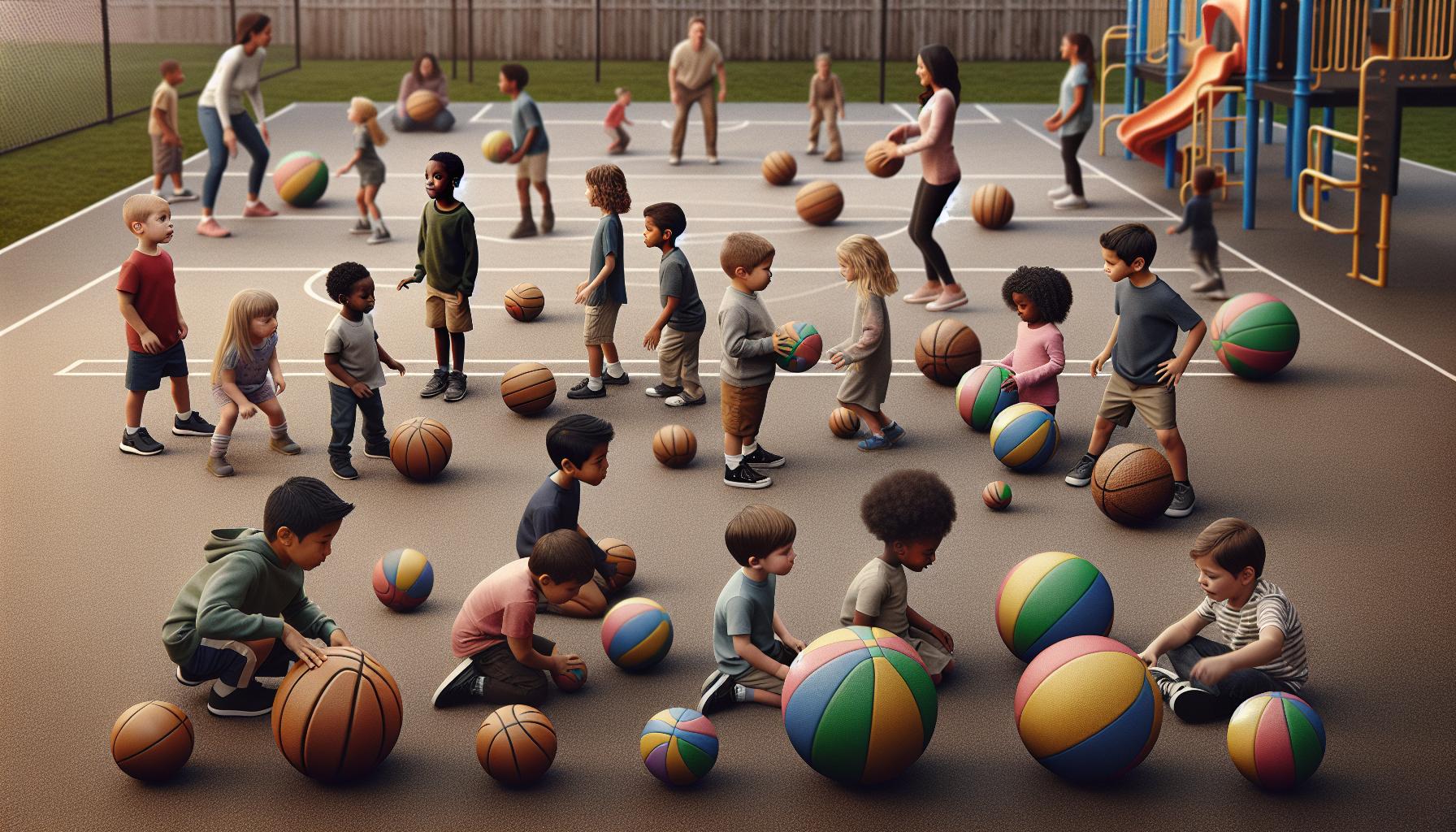
selecting a Size 3 soccer ball that truly fits young players’ hands and feet is both an art and a science, and it begins with trusted brands that stand behind their commitment to quality, safety, and playability. Among the most celebrated in youth soccer circles are Nike, Adidas, and Puma – stalwarts that have shaped soccer culture globally while adapting to the uniquely delicate needs of U6 players. These brands combine cutting-edge materials with designs tailored for smaller feet, lighter kicks, and the unpredictable enthusiasm of children just starting on the pitch.Coaches often highlight how these balls, with consistent weight distribution and softer covers, allow kids to focus on developing touch and accuracy rather than wrestling unwieldy equipment. Take, for exmaple, the Nike Pitch Soccer Ball, whose soft polyurethane exterior offers resilience while providing a forgiving surface for first-time dribblers, a feature that has earned praise from youth coaches nationwide.
But it’s not just the global giants; emerging brands like Select and Mitre bring nuanced innovations to the table,especially in durability and eco-kind materials. Select’s Size 3 balls are favored in many youth leagues for their air retention and stitch durability, ensuring the ball keeps its shape across countless training sessions. These choices matter greatly for parents balancing cost and quality, as well as coaches keen on long-term team investment. Additionally, brands like Wilson emphasize inclusive designs with vibrant colors and patterns that captivate children’s imaginations, making the ball a coveted companion both on and off the field. These carefully engineered Size 3 balls support a vital transition for budding athletes,infusing practice time with joy and confidence that translates into meaningful growth-both technical and personal.
Why Brand Choice Matters Beyond Logo
- Material Quality: well-known brands invest heavily in materials that strike a balance between softness and durability, reducing injury risk while ensuring longevity.
- Design Innovation: Features such as textured surfaces enhance ball control,allowing kids to experiment with dribbling and passing more effectively.
- Consistency: Reliable brands guarantee uniform ball size and weight, which helps young players develop precise motor skills without surprises.
- Community Trust: Coaches and parents frequently recommend balls that have consistently delivered in real-world training and competitive environments.
Expert Tips for Testing and Handling Soccer Balls with Kids
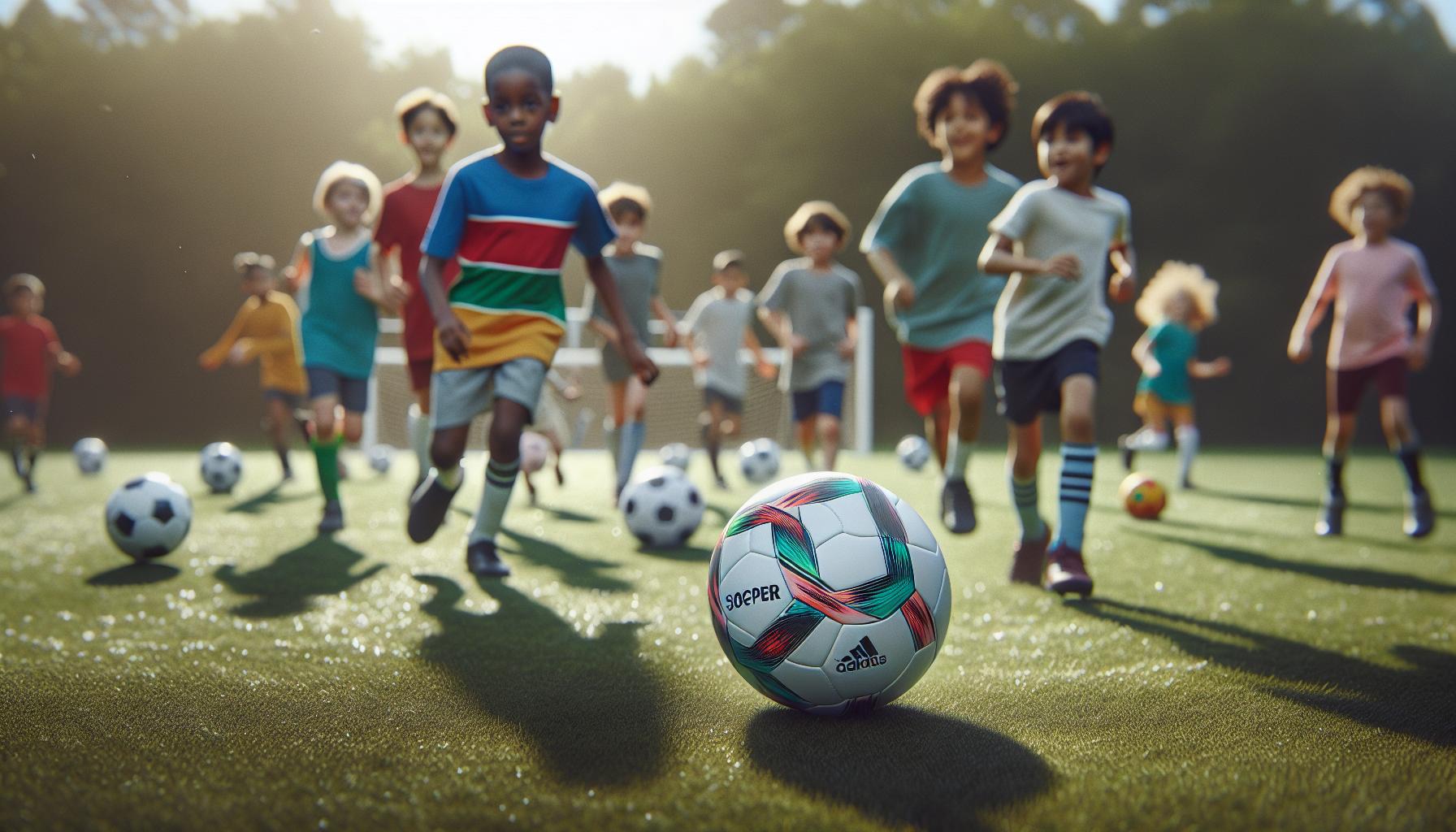
Choosing the right soccer ball for U6 players is more than just picking the correct size; it’s about fostering early success and joy on the field through careful testing and mindful handling. coaches and parents often observe that when children feel comfortable and inspired by the ball itself, their enthusiasm and skills flourish.The key is to involve the kids in the selection process early on, inviting them to physically interact with several Size 3 balls to gauge what feels right for their growing feet and hands. A ball that is too firm or heavy can quickly dampen confidence, while one that’s too soft or over-inflated may bounce unpredictably, causing frustration.Letting young players dribble, pass, and kick in a variety of settings-from grassy fields to indoor gyms-provides essential feedback on weight, grip, and control that no specifications alone can offer.
Equally important is teaching kids how to respect and care for their soccer balls, turning the ball into not just equipment but a trusted teammate.Encourage regular inspection of air pressure, stitching, and surface wear, explaining why proper maintenance prolongs the ball’s life and ensures consistent performance in games and drills. For instance, sharing stories from veteran coaches helps underline the point-with one youth coach recalling how a well-maintained ball maintained in perfect air pressure gave his team a consistent touch advantage all season long. By preserving the ball’s integrity, children learn obligation and pride, empowering them to develop a deeper bond with the sport. Incorporate fun rituals such as gentle kicking contests and group ball handling exercises that double as warm-ups and opportunities to assess the ball’s feel, reinforcing positive habits and enthusiasm for training sessions.
Practical Testing Techniques to Try with Your Young Player
- Kick and Feel: Have children take turns gently kicking different balls and observe their reaction to the weight and bounce.
- Control Drills: Simple dribbling exercises help highlight which balls respond best to changing speeds and directions.
- Pressure checks: Show kids how to press the ball lightly to sense firmness and identify under- or over-inflated balls.
- surface Contact: Let children run their hands over the ball’s texture to see how grip differs among brands and materials.
- Group Handling Games: use passing circles or catch-and-throw activities to build comfort with the ball in dynamic, playful settings.
Budget-Friendly Options Without Sacrificing Performance
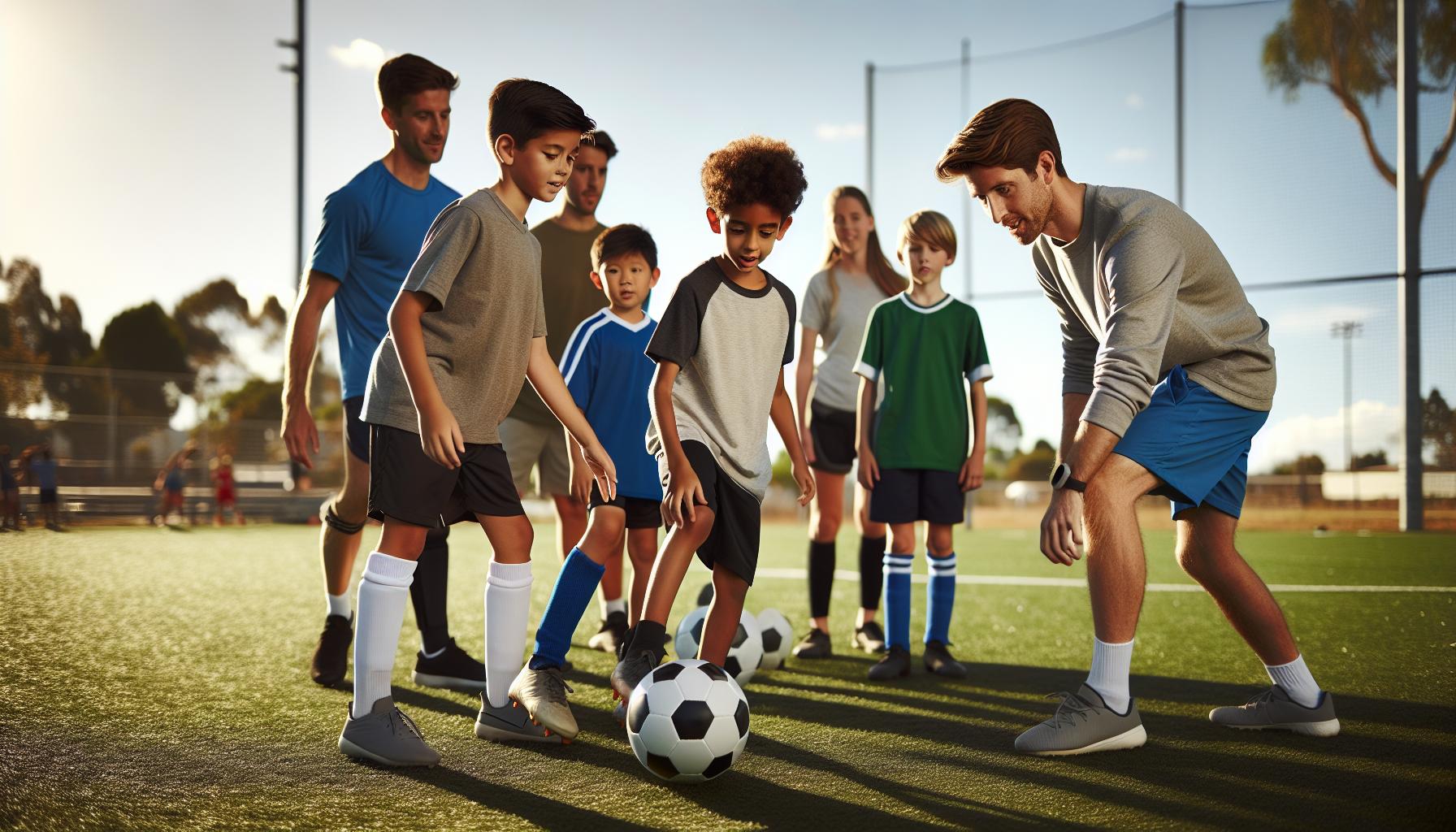
Finding a soccer ball that balances quality and affordability can feel like navigating a labyrinth, especially when shopping for young U6 players who need a Size 3 ball perfectly suited to their developing skills. Fortunately, the market offers gems that combine reliable construction with smart pricing, ensuring that budget constraints don’t stand between a child and their love of the game. Many coaches and parents have shared stories of discovering durable, well-designed balls through local sports stores or online retailers that don’t skimp on materials like premium synthetic leather or reinforced stitching. these balls perform consistently on both grassy fields and indoor courts, providing young players with the control and bounce that boost confidence from dribble to goal.
The key lies in knowing where to look and what features truly matter without overspending on flashy brands or unnecessary extras. When evaluating budget-friendly balls, keep an eye out for these essentials:
- Weight and Inflation: Make sure the ball meets official Size 3 weight guidelines and holds air without frequent deflation.
- Durable Panels: Look for balls with sturdy yet soft outer panels for a balanced feel-too hard can be intimidating, too soft can compromise bounce.
- Grip and Texture: A subtle grip texture can aid young players controlling the ball in diverse weather conditions.
Players like 5-year-old Mia, who recently switched from a bulky, cheap ball to an affordable yet quality option recommended by her coach, report immediate improvements in how the ball responds to her kicks and passes-sparking that joyful “aha” moment every young soccer enthusiast dreams of. As veteran youth coach miguel Hernandez notes, “It’s less about the price tag and more about finding a ball that feels like a natural extension of the player’s foot. Quality balls under $30 are more than possible,and investing in them early creates tremendous returns in skill and passion.” By focusing on trusted features and real-world usability, families can equip their budding athletes with gear that enhances their journey without breaking the bank.
How to Transition From Size 3 to Larger Balls as Kids Grow
As young players grow, their transition from a Size 3 ball-the perfect companion for U6 athletes-to larger balls becomes a pivotal moment in their soccer journey. This change isn’t merely about size; it’s about adapting to evolving coordination,strength,and technique. Many seasoned coaches emphasize timing this shift carefully so that the player’s confidence and skill development continue unhindered. As an example, youth coach Miguel Hernandez often advises, “When a child starts showing greater control and can comfortably manage a Size 3 ball without strain, it’s a clear sign they’re ready to advance. The bigger ball introduces new challenges but also expands their tactical and physical capabilities in exciting ways.”
It’s essential to approach this progression with a blend of observation and intentional practice. Players benefit when the introduction of a Size 4 or Size 5 ball happens gradually rather than suddenly, allowing them to acclimate physically and mentally to the added weight and circumference. Coaches and parents can facilitate this by incorporating a mix of drills using both smaller and larger balls:
- Alternating ball drills: Switching between balls within the same training session can help players recognize differences in touch and control,building adaptability.
- Targeted strength development: Light strength exercises that improve leg muscles support smoother control and shot power as ball size increases.
- Encouraging feedback: Positive reinforcement helps young athletes embrace the new challenge without frustration, fostering resilience and enthusiasm.
players like 7-year-old Amir have found this phased approach invaluable. Starting with his trusty Size 3 ball, his coach introduced a Size 4 during small-sided games, which Amir initially found heavier but soon described as “a new way to feel the game.” This step-by-step method mirrors the natural growth curve highlighted in sports science,where gradual exposure to increased demands sharpens coordination and confidence hand-in-hand.Ultimately, transitioning ball sizes is not just a matter of equipment-it’s a rite of passage that celebrates a player’s expanding skillset and passion for the beautiful game.
Signs It’s Time to Move Up
- Consistent control: The player can dribble, pass, and shoot without frequent loss of ball possession using a Size 3 ball.
- Physical readiness: Increased leg strength and coordination indicate capacity to manage a heavier ball without injury risk.
- Coach feedback: Observations during drills and matches suggest the player would benefit from the added challenge.
This thoughtful transition strategy empowers players to embrace growth confidently, turning every new challenge on the field into an opportunity for mastery and joy.
Coach and Parent Insights: What Works Best on the Field
From the very first kick, the right soccer ball size can transform how a young player experiences the game, shaping their confidence and enthusiasm on the field. Coaches and parents who have walked this path know that it’s not just about equipment, but about nurturing a child’s growing relationship with soccer through thoughtful choices and thoughtful guidance. Veteran youth coach Sarah mitchell recalls, ”When our U6 team switched to official Size 3 balls, it wasn’t just a change in gear-it was a turning point where kids began to understand ball control and develop a deeper love for the sport. The lighter, smaller ball fits their feet and pace, helping them celebrate every successful pass and goal.” This kind of insight underlines the importance of aligning equipment with developmental stages to foster both skill and joy.Understanding what works best on the field means tuning in to each child’s unique rhythm and responding with patience and encouragement. Parents often ask,”How can I help my child enjoy practice without frustration?” The answer lies in embracing progressive challenges and celebrating small victories. Consider structuring sessions around simple, engaging activities like dribbling races or mini-goals that allow kids to build confidence and mastery at their own pace. Coach jonathan Reyes highlights how mixing spontaneous play with focused training ignites natural curiosity: ”Kids thrive when drills feel like fun adventures rather than chores. Using a Size 3 ball tailored for their hands and feet opens doors to creativity and teamwork.” Here, the ball becomes more than a tool-it becomes a vehicle for connection between players, coaches, and families, where the spirit of the game comes alive through every touch.
Practical Strategies from the Sidelines
- Observe and adapt: Pay close attention to how children handle the ball-are they confident or struggling? Adjust ball inflation and weight if necessary to match their comfort level.
- Encourage teamwork: Youth soccer is not only about individual skill but sharing the fun. Promote passing and communication using Size 3 balls that support easy control for all players.
- Celebrate incremental progress: Recognize every improvement, whether it’s a steady dribble or a successful shot, to build lasting motivation and resilience.
- Use storytelling to inspire: Share stories of famous players who started young with smaller balls, connecting kids to the rich history and drama of the game.
Creative Drills and Games Using the Right Soccer Ball for U6
Young players light up the field when drills transform into delightful games that spark creativity and joy. Working with Size 3 soccer balls specially crafted for U6 children opens a world where technique, fun, and confidence blossom hand in hand. Coach Emily Torres shares, ”At this age, the ball becomes an extension of their creativity; it’s not about scores but about discovery-feeling the softness of a well-suited ball, chasing it with delight, and mastering little touches that build a lifelong connection to the game.” Introducing engaging activities that respect little legs and big dreams can revolutionize a child’s soccer journey by teaching fundamental skills within an atmosphere of play and shared excitement.
One effective approach is turning basic drills into inventive contests that emphasize coordination, ball familiarity, and teamwork. As an example, a “Color Dot Dribble” game where cones with different colors are arranged, and young players are tasked with dribbling the Size 3 ball to each color in sequence, improves control while keeping focus bright. Another crowd-pleaser is ”Ball Tag,” where players gently tap others’ balls to win points while protecting their own-a brilliant drill for encouraging spatial awareness and gentle touches. These approachable yet dynamic games foster social skills alongside technical development, creating moments of laughter and triumph. Incorporating such drills regularly invites young athletes to celebrate every small victory, turning practice fields into vibrant stages of growth and camaraderie.
sample U6 soccer Ball Drills and Games
- Obstacle Course Challenge: Set up cones, small hurdles, or rings to guide kids in dribbling around with their Size 3 balls, encouraging balance and control while navigating diverse surfaces.
- Passing Circle: Form a circle where children pass the ball gently to each other, learning accuracy and teamwork in a supportive environment.
- Freeze Soccer: Players dribble freely but must “freeze” and hold the ball when the coach calls out commands, enhancing listening skills and ball mastery.
- Shooting Gallery: Use mini goals or targets to help kids enjoy shooting with the correct-sized ball, bringing excitement through friendly competition and goal celebrations.
Frequently asked questions
Q: How often should a U6 player replace their size 3 soccer ball?
A: A U6 player should replace their size 3 soccer ball when it shows signs of wear such as leaks, deflation, or surface damage. Typically, this occurs every 6 to 12 months depending on usage. regular inspection helps maintain optimal ball performance and supports steady skill development,as detailed in our Material and Weight section.
Q: can size 3 soccer balls be used for indoor soccer practice with U6 kids?
A: Yes,size 3 soccer balls are suitable for indoor soccer practice for U6 players,but opt for a ball specifically designed with a softer outer cover to reduce bounce and protect indoor surfaces. This choice ensures safety and improves handling, complementing skills learned with the standard size 3 ball highlighted in Official Size 3 Soccer Ball.
Q: What are the safety considerations when selecting a soccer ball for U6 players?
A: Safety for U6 players means choosing a size 3 ball that is lightweight with a soft outer layer to minimize injury risk. inflating the ball to the correct pressure, as discussed in our Expert Tips for Testing and Handling soccer Balls section, ensures it is manageable and reduces strain on young muscles.
Q: How does the ball’s texture affect a U6 child’s soccer skills?
A: The texture of a size 3 soccer ball impacts grip and control for U6 players. A slightly textured surface improves touch and confidence when dribbling or passing. Choosing balls with quality materials, highlighted in the material and Weight section, can greatly accelerate learning and enjoyment on the field.
Q: when should parents consider sizing up from a size 3 ball for their U6 player?
A: Parents should consider moving up from a size 3 ball once their child comfortably controls it and shows physical growth, usually nearing age 7.Transitioning too early can hinder skill development, so refer to our How to Transition From Size 3 to Larger Balls guide for smooth progression tips.
Q: Are there specific size 3 soccer balls designed for beginners versus more advanced U6 players?
A: Yes, beginner size 3 balls tend to be softer and lighter to build confidence, while advanced balls offer better durability and weight accuracy for refining skills. Exploring our Top Brands Offering Quality Size 3 Soccer Balls for U6 section can help parents find the perfect match for their child’s stage.
Q: How do environmental conditions influence the choice of a soccer ball for U6 players?
A: Environmental conditions like wet or cold weather affect ball grip and bounce. For U6 players, choosing a size 3 ball with a water-resistant outer layer and consistent inflation ensures optimal playability irrespective of conditions, enhancing skill retention as explained in Material and Weight.
Q: What role do creativity and fun drills with the right-sized ball play in U6 soccer training?
A: Creative drills using a size 3 soccer ball fuel engagement and skill development in U6 players by making practice fun and relatable. Introducing varied game-like scenarios, as suggested in our Creative Drills and Games Using the Right Soccer Ball for U6, encourages persistence, teamwork, and joy in young athletes.-
Explore these FAQs alongside our comprehensive sizing guide to help your U6 star shine spectacularly on the pitch!
In Summary
Choosing the right soccer ball size for U6 youth is more than just a number-it’s about setting the foundation for confidence, skill, and pure joy on the field. By selecting the perfect size ball, you empower young players to master control and develop their love for the game from the very first kick.Don’t wait-equip your little athlete today to experience those breakthrough moments that transform practice into passion.
Ready to take the next step? Explore our detailed guides on soccer ball maintenance tips and best youth soccer training drills to keep your player’s progress moving forward. Whether you’re navigating sizing questions or seeking expert advice on gear, our resources are designed to support every stage of your child’s soccer journey.Stay connected by signing up for our newsletter, where we share insider tips from coaches, inspiring player stories, and the latest gear reviews-as every touch matters.
If you have questions or insights about selecting soccer balls or youth soccer development, jump into the comments below or share this guide with fellow parents and coaches. together,let’s celebrate the spirit of the game and nurture the next generation of champions-one perfect-sized kick at a time.