Soccer’s red card is more than just a flashy piece of paper-it’s a game-changer that instantly shifts the balance on the field.In simple terms, a red card means a player must leave the match instantly, leaving thier team a player short and often rewriting the story of that game. But what exactly triggers this decisive moment? Whether you’re a passionate fan trying to decode the drama or a budding player wanting to understand the rules, grasping the meaning and impact of red cards is essential to appreciating soccer’s intense tactical battles and emotional highs. From nail-biting tournaments to everyday league clashes, red cards embody the fierce commitment, moments of brilliance, and sometimes costly mistakes that define the sport. Join us as we explore the history, the rules, and the unforgettable moments linked to red cards, shedding light on why they continue to captivate crowds and influence careers worldwide. This guide isn’t just about penalties-it’s about celebrating the beautiful game’s complexity and spirit through it’s most dramatic disciplinary symbol.
Contents
- What a Red Card Really Signals on the Pitch
- What the red Card Communicates on and Off the Ball
- Exploring the Rules Behind Red Cards in Soccer
- Key Infractions That Lead to a Sending Off
- Common Offenses That Trigger Immediate Ejection
- Common Offenses Leading to Immediate Red Cards
- The Impact of Red Cards on Team Strategy and Morale
- Practical Tactical Adjustments After a Sending Off
- historic Red Card Moments That Changed Games Forever
- Turning Defeat into Triumph: Lessons from Historic Matches
- How Referees Decide When to Show a Red Card
- The Referee’s Toolbox: Assessing Seriousness and Intent
- The Difference Between Straight Red and Second Yellow Cards
- Practical Differences and Strategic Implications
- Player Reactions and Emotional Aftermath of Red Cards
- Red Card Consequences: Suspensions, Fines, and Beyond
- Understanding the Scope of Punishments
- How Teams Adapt Tactically After losing a Player
- Cultural Variations and Debates Around Red Card Usage
- Famous Players Who Overcame red Card Setbacks
- Player Profiles: Lessons from Redemption
- Turning Setbacks into Strategy
- FAQ
- Q: How does a red card affect the flow and tempo of a soccer match?
- Q: Why do referees sometimes delay issuing a red card after a foul?
- Q: When can a red card be rescinded or overturned after a game?
- Q: How do red cards in soccer differ across various leagues and tournaments?
- Q: What psychological effects can a red card have on the player and their teammates?
- Q: How do coaches adjust their game plan after a team member receives a red card?
- Q: Can a red card in soccer affect a player’s future career opportunities?
- Q: How does a straight red card differ from a second yellow in disciplinary impact?
- The Conclusion
What a Red Card Really Signals on the Pitch
Few moments on the soccer pitch capture the drama and tension quite like the flashing red card. More than just a punishment, a red card is a profound signal – a vivid declaration that the spirit of fair competition has been breached to an extent requiring immediate and irrevocable action. When a player is shown red, it communicates not only a momentary change in that game’s dynamics but also a strict reminder that certain behaviors cross a worldwide line, disrupting the balance and integrity of the match.This emblematic gesture resonates with players, coaches, and fans alike as a call for discipline, respect, and the relentless pursuit of fair play within the beautiful chaos of the sport.
Beyond its basic function of expelling a player, the red card reflects a layered message within soccer’s unwritten narrative. It signals to teammates the urgent need to regroup and shoulder extra obligation, often reshaping the tactical framework mid-match. At the same time, it serves as a moment for opponents to mentally capitalize on the advantage granted. Legendary coaches like Sir Alex Ferguson have commented that managing the psychological blow of a sending off is as crucial as the numerical deficit itself: ”A red card doesn’t just bend the rules; it tests the collective will of a team.” Players such as Paolo Maldini, who rarely saw red throughout his career, illustrate how maintaining composure under pressure elevates long-term success. Understanding what a red card truly signals helps fans appreciate how this rare but seismic event echoes far beyond the referee’s pocket,shaping stories of resilience,redemption,and raw human emotion on the global stage.
What the red Card Communicates on and Off the Ball
- Urgency of Control: it demands immediate recalibration in both defense and attack, forcing teams to adjust their formations to cover for the missing player.
- Moral and Ethical Boundaries: The red card is a universal symbol that certain aggressive or reckless acts will not be tolerated, reinforcing soccer’s codes of sportsmanship.
- Psychological Shift: It triggers a mental battle where both sides must manage frustration, pressure, and possibility – often changing momentum and morale rapidly.
many memorable matches are defined by the storylines woven around red cards - from Zinedine Zidane’s 2006 World Cup final sending off to Diego Maradona’s fiery confrontations. These moments remind us that the red card signals both an ending and a new beginning, a dramatic turning point where strategies are rewritten and heroic efforts are either forged or fractured.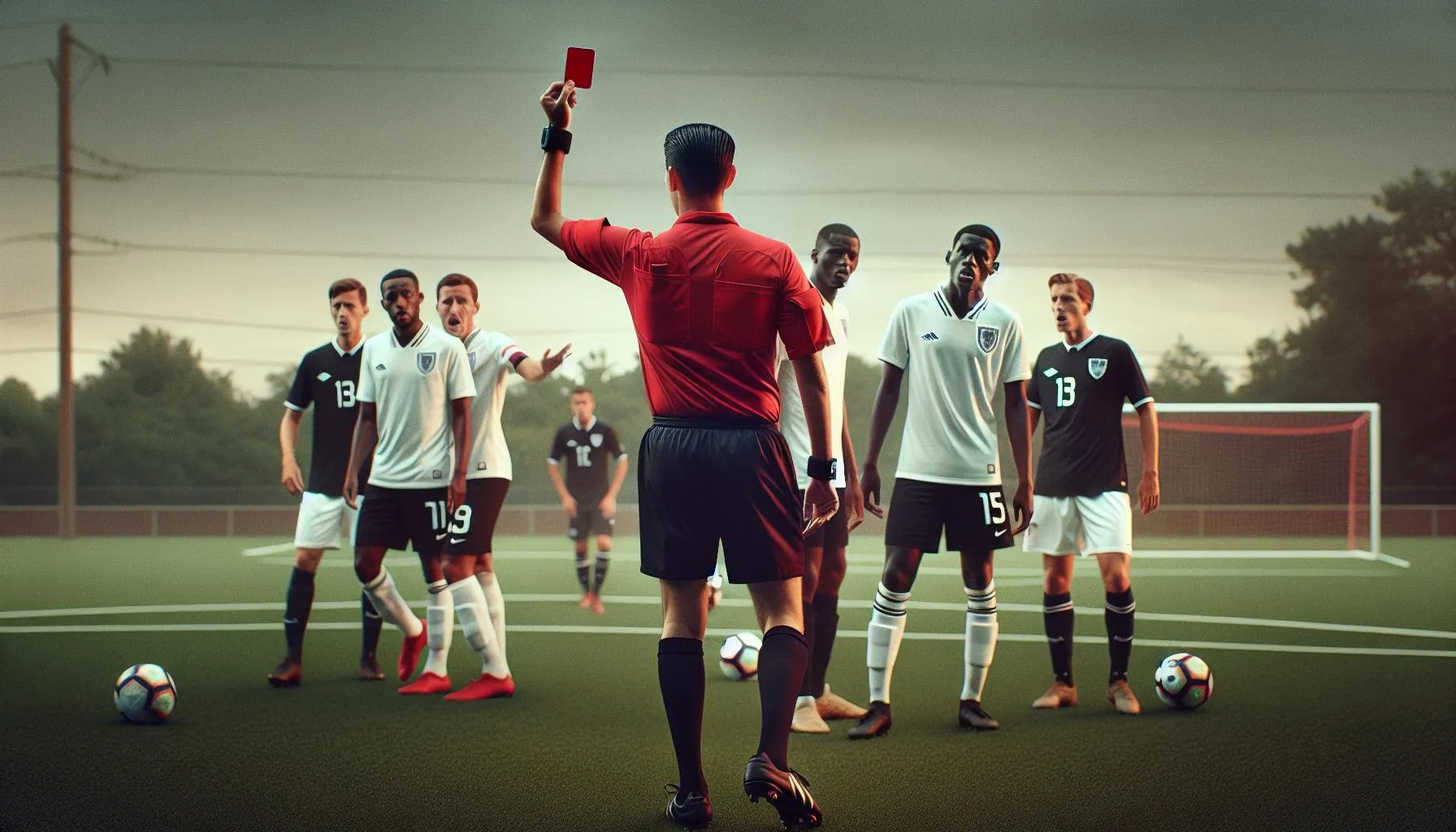
Exploring the Rules Behind Red Cards in Soccer
Few rules in soccer carry as much weight and immediate outcome as those governing red cards. When a referee reaches into the pocket to pull out the crimson card, it’s not only a disciplinary action but a decisive interpretation of laws that aim to preserve fairness, safety, and respect on the field. The Laws of the Game, administered by the International Football Association board (IFAB), clearly define situations warranting a red card – a framework designed to maintain control while allowing the game’s spirited nature to thrive. Understanding these regulations offers fans and players alike a clearer window into what authorities deem unacceptable behavior and why certain infractions result in instant ejection.
At its core, a red card is issued for acts deemed serious enough to merit expulsion without warning. This includes offenses like violent conduct or serious foul play, which go beyond typical competitive aggression and threaten the physical safety or integrity of the game. Referees must balance the fast pace and emotional intensity of soccer with these objective criteria, making split-second decisions that echo long after the final whistle. Legendary referees such as pierluigi Collina have emphasized that consistency and clarity in enforcing these rules sustain the game’s dignity – “The red card is the ultimate guardian of fair play,” Collina once noted. For players and coaches, grasping these parameters not only aids in tactical discipline but also in emotional control, knowing exactly where the line in the sand is drawn.
Key Infractions That Lead to a Sending Off
- Serious foul play: Excessive force or brutality when challenging for the ball, often endangering an opponent’s safety.
- violent conduct: Deliberate acts intended to harm, such as punching, kicking, or headbutting another player or official.
- Spitting: directed at an opponent or any person involved in the match.
- Denial of a goal-scoring opportunity: Using a handball or foul to prevent a clear chance.
- Offensive or abusive language and gestures: Including discriminatory remarks.
Knowing the detailed rules behind red cards equips teams to train players on discipline and referees to apply fairness. It underlines soccer’s universal language of respect, balance, and passion – a constant reminder that while the game is fiercely competitive, it is also governed by principles that elevate it beyond mere sport into a drama of honor and resilience.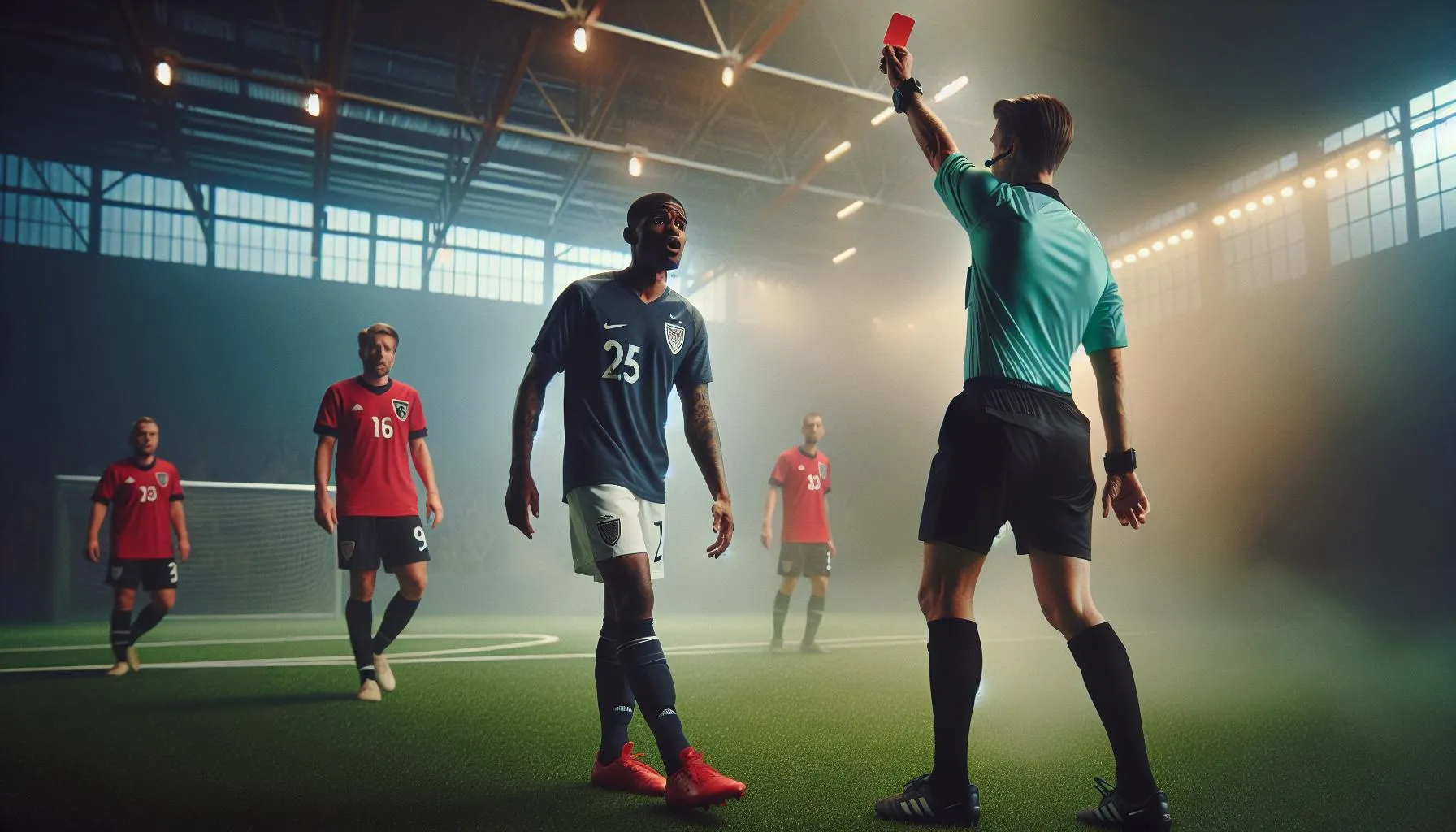
Common Offenses That Trigger Immediate Ejection
Few moments in soccer ignite such instant drama as the flash of a red card. It’s not merely a penalty-it’s a powerful declaration that certain actions on the pitch breach the sanctity of fair play and safety beyond redemption. Referees, entrusted with this heavy responsibility, wield the red card to immediately eject players committing egregious offenses, signaling a zero-tolerance boundary that shapes the game’s flow and its emotional landscape. Take the notorious 2006 World Cup round-of-16 clash where Zinedine Zidane’s headbutt sent shockwaves worldwide-this unforgettable moment embodied how a single offense can alter legacies and recalibrate a team’s destiny in real-time.
Among the offenses sparking this ultimate sanction, several stand out for their severity and impact. Serious foul play often tops the list, encapsulating challenges that endanger an opponent with reckless or excessive force, such as studs-up tackles or violent collisions that push the limits of competitive aggression. Violent conduct transcends the ball entirely, targeting players or officials with deliberate acts-punches, kicks, or even spitting-that shatter the spirit of respect.The strict rules against denying a clear goal-scoring opportunity-whether by a last-ditch handball or cynical foul-reflect soccer’s commitment to rewarding genuine chances and punishing unfair intervention. Coaches frequently enough drill this discipline into their squads, aware that these infractions not only cost immediate player expulsions but can shift momentum dramatically, forcing tactical reshuffles under duress. as Liverpool’s jurgen Klopp once remarked, “Understanding what crosses the line is crucial-an undisciplined moment can undo months of planning and joy.”
Common Offenses Leading to Immediate Red Cards
- Serious foul play: Dangerous tackles or challenges risking player safety.
- Violent conduct: Intentional physical aggression like punching or kicking.
- Spitting: Directed at any person involved in the match, an act of profound disrespect.
- Denial of a clear goal-scoring opportunity: Illegal fouls or handballs stopping a clear chance.
- Use of offensive, abusive, or discriminatory language or gestures: Zero tolerance for behavior undermining respect.
By internalizing these standards,players elevate not only their own professionalism but contribute to the game’s drama without compromising its integrity.Referees find greater confidence enforcing these rules when matched with player discipline and fan understanding-fostering an electric yet respectful atmosphere where passion and fairness co-exist. Every red card sends ripples beyond just numbers on the scoreboard; it serves as a red line in soccer’s evolving story of honor and resilience.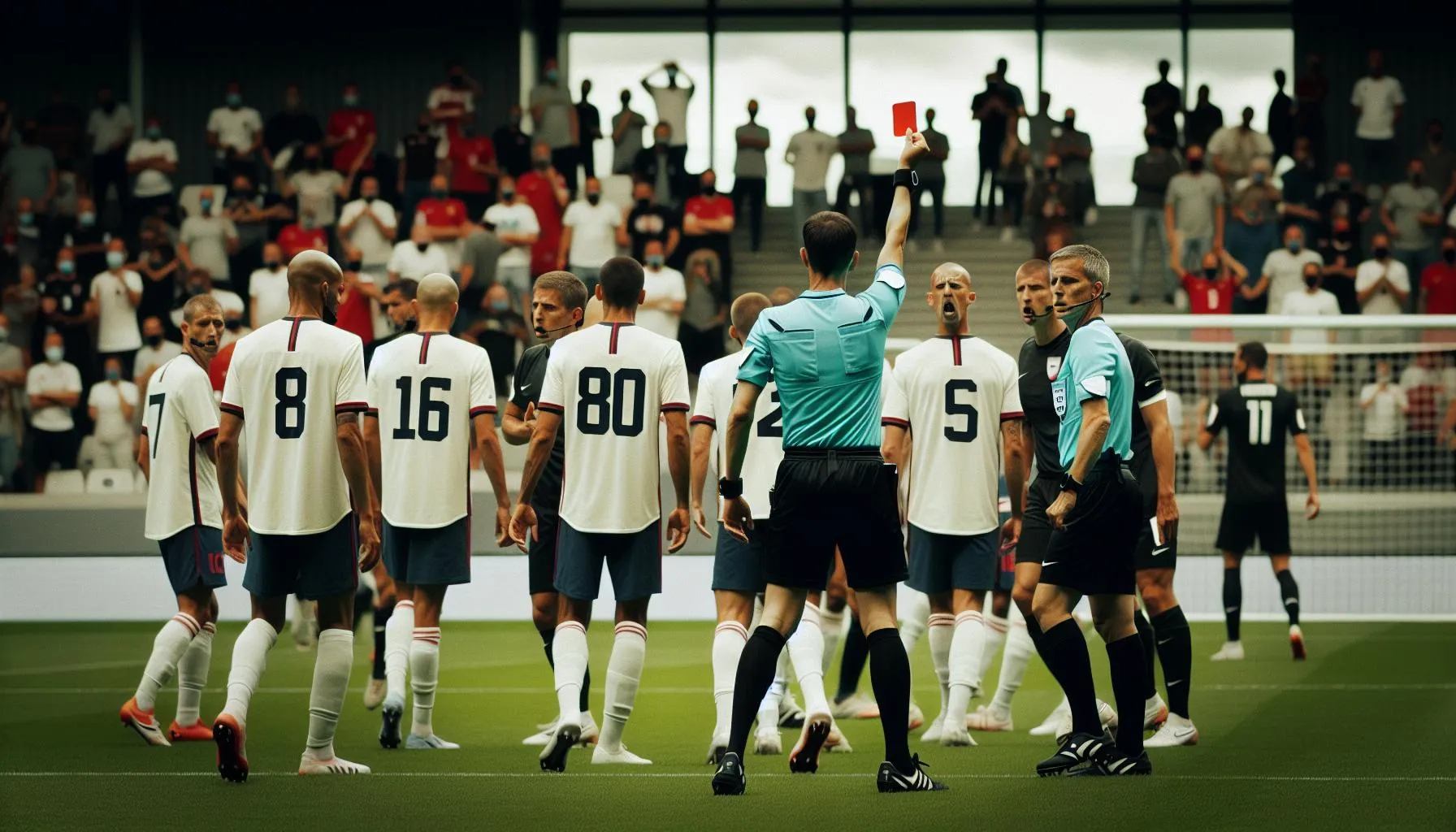
The Impact of Red Cards on Team Strategy and Morale
Few moments alter the rhythm of a soccer match quite like the sudden departure of a teammate following a red card. The immediate numerical disadvantage forces managers and players into a high-stakes chess match, requiring rapid tactical recalibration and unyielding mental resilience. consider the 2010 UEFA champions League semifinal, when Inter Milan’s Thiago motta was sent off, but under Jose Mourinho’s steely guidance, the team regrouped, tightened their defensive shape, and ultimately triumphed. This exemplifies how the psychological and strategic challenge of a red card can, paradoxically, galvanize a team rather than sink it.
Strategically, losing a player reshapes formations and responsibilities with little margin for error. Teams often shift to more compact, defensively disciplined setups-common approaches include moving from a 4-3-3 to a pragmatic 4-4-1 or 4-4-0-aimed at clogging key areas and minimizing exploitable gaps. Coaches may instruct midfielders to drop deeper or forwards to adopt pressing roles to compensate for lost presence. Equally critical is managing morale: players must channel frustration and disappointment into collective focus rather than despair. Liverpool’s Jurgen Klopp captures this tension perfectly: “When a red card flashes, it’s not just a setback – it’s a rallying cry. Our unity becomes our greatest weapon.” Teams that can emotionally recalibrate quickly often disrupt opponents’ momentum and, in some storied cases, force unexpected comebacks that elevate legends.
Practical Tactical Adjustments After a Sending Off
- Formational shifts: Transitioning to more defensively stable shapes (e.g., 4-4-1, 4-4-0).
- Player role reassignments: Midfielders and forwards often drop deep to control space.
- Intensified teamwork: Increased communication and collective discipline to cover open areas.
- Counterattack discipline: Restricting opponent’s time on the ball while seizing quick offensive opportunities.
- Psychological resilience tactics: Leadership speeches, short-term mental resets, and emphasizing team unity.
The psychological dimension profoundly influences outcomes, as the sense of injustice or frustration might erode concentration, or conversely, ignite a fighting spirit. Studies of historic matches repeatedly show that teams with strong leadership and composure respond best. Coaches like Carlo Ancelotti have stressed the importance of “calm in the storm,” preaching that surviving with ten men is a test of character and cohesion as much as skill. For fans and players alike,these moments unfold as iconic dramas where strategic ingenuity and emotional grit fuse,placing the red card not solely as a penalty but as a defining crucible in the game’s narrative.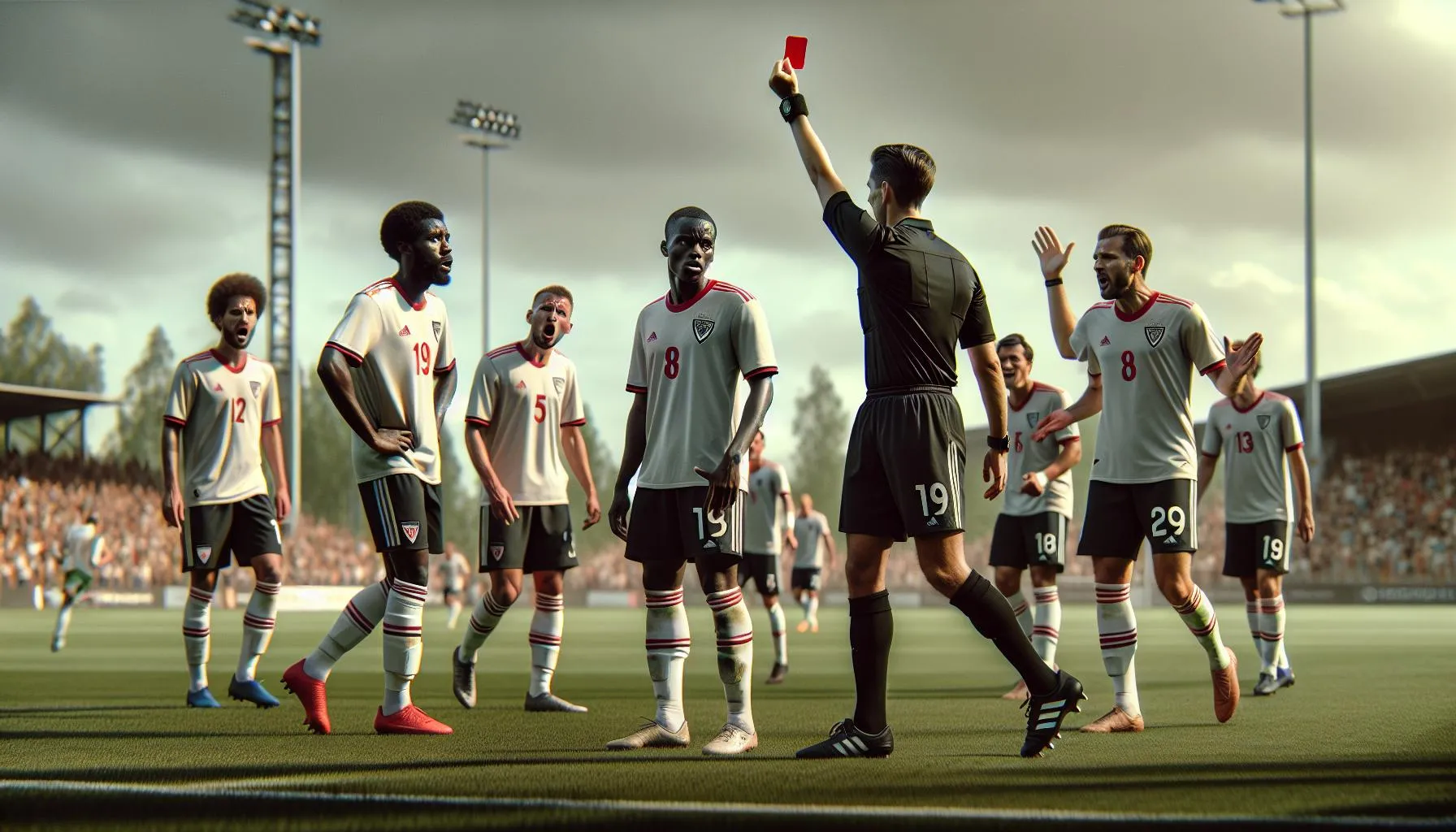
historic Red Card Moments That Changed Games Forever
Few events in soccer etch themselves so deeply into the collective memory as pivotal red card incidents that alter the fate of games and even entire tournaments. These moments encapsulate not just the raw emotion of the sport, but also the strategic mastery and psychological resilience required to navigate adversity. One iconic example is Zinedine Zidane’s 2006 World Cup final red card-his headbutt on Marco Materazzi, which saw France finish the match with 10 men, surrendering the chance to secure another World Cup title. This event underscored how a single lapse in discipline could transform the narrative of a game, rewriting legacies and shaping histories. Yet, it also reveals the paradox of red cards: a punishment that sometimes sparks remarkable resilience or tactical brilliance from the penalized team.
Turning Defeat into Triumph: Lessons from Historic Matches
The 2010 UEFA Champions League semifinal between Inter Milan and Barcelona remains a textbook case of strategic response following a red card. When Thiago Motta was sent off, many expected the reigning European champions, Barcelona, to capitalize fully. Rather, under Jose Mourinho’s disciplined guidance, Inter recalibrated their formation, reinforcing defensive lines and embracing a counter-attacking style that effectively muted Barcelona’s attack. This resurrection from apparent disadvantage highlights the powerful intersection of tactical adaptability and mental fortitude.Coaches and players alike can learn from such moments: steadfast focus and intelligent reorganization aren’t just damage control-they can become the foundation for iconic victories.
- Maintain composure under pressure: As Ancelotti puts it,”Calm in the storm” is essential for teams facing red card setbacks.
- Adapt tactics quickly: Shifting formations to reinforce defense while exploiting counterattacks is vital.
- Leverage team psychology: Leadership and unity transform disadvantage into shared motivation.
The stories of legends like Paolo Maldini and Sergio Ramos, who have both seen red cards yet returned strong to shape their teams’ fortunes, remind us that such moments are part of the game’s drama and unpredictability.Considering these historic red card incidents with an eye for tactical lessons and emotional intelligence enriches our understanding of the game’s beautiful complexities and inspires players and fans to embrace every challenge with passion and poise.
How Referees Decide When to Show a Red Card
Few decisions on the pitch command as much instant weight as a referee’s choice to brandish a red card.That single moment is the culmination of a rapid yet meticulous judgment process,where the referee must balance the letter of the law with the spirit of fair play,all under the intense scrutiny of players,coaches,and tens of thousands in the stadium – plus millions watching worldwide.It’s a high-stakes call fraught with nuance, requiring referees to instantly evaluate the severity, intent, and context of an offense while anticipating its potential ripple effects on the match’s flow and emotional tenor. Legendary referee Pierluigi Collina once said, “The red card is not just about punishment; it’s a tool to protect the integrity of the game,” highlighting the role of discretion and courage in making these pivotal choices.
The decision-making process hinges on clearly defined criteria within the Laws of the Game, yet it is filtered through human perception and experience. Referees look for offenses such as serious foul play, violent conduct, spitting, denying a clear goal-scoring opportunity, or using offensive, insulting, and abusive language - all automatic triggers for immediate ejection.Yet, beyond rulebooks, referees must interpret intentions and consequences in split seconds, frequently enough guided by accumulated knowledge of players’ patterns and match context. As an example, Luis Suárez’s red card in the 2014 World Cup quarterfinal for biting an opponent sharply illustrates how certain actions demand swift, unequivocal response irrespective of game situation. Coaches often advise players to avoid confrontations that “cross the line,” because even the smallest spark can ignite a red card scenario with decisive tactical fallout.
The Referee’s Toolbox: Assessing Seriousness and Intent
- Severity of Contact: Was the foul reckless or malicious? High-impact tackles or violent conduct often leave no room for leniency.
- Player Behavior and History: Repeat offenders or escalating aggression can increase the likelihood of a red card.
- Game Context: Referees consider whether the offense stopped a clear scoring opportunity and if the incident was strategic or a heat-of-the-moment lapse.
- Use of technology: VAR has become an indispensable aid, offering referees a second chance to review and confirm red card decisions with video evidence.
Drawing from first-hand accounts, former referee Howard Webb noted that confidence and decisiveness are essential traits; hesitation can undermine authority and disrupt match control. for players and fans alike, understanding this balance fosters respect for referees’ difficult role and deepens appreciation for the red card’s profound symbolism: a judgment that shapes narratives, tests resilience, and serves as a catalyst for memorable moments in football’s eternal drama.
The Difference Between Straight Red and Second Yellow Cards
A red card on the soccer pitch can come via two distinct routes, each carrying its own layers of meaning and consequence that resonate deeply with players, coaches, and fans alike. A straight red card is the referee’s immediate and unequivocal declaration that a player’s action has crossed an inviolable line-whether it’s a dangerous tackle, violent conduct, or denying a clear goal-scoring opportunity. This form of dismissal signals a moment of undeniable severity and urgency, demanding instant removal to preserve the integrity of the game. In contrast, a second yellow card emerges as a cumulative assessment-a player who has already been cautioned once and then commits another booking offense. This layered sanction can often feel more nuanced,reflecting a pattern of repeated rule infringements rather than a single,outright transgression.
Understanding the tactical and psychological nuances between these two types of red cards is crucial for teams navigating high-stakes matches. A straight red often means a harsher disciplinary legacy, sometimes accompanied by multi-game suspensions, underscoring the gravity of the infraction. Legendary defender Sergio Ramos, well-known for his fierce competitiveness, once reflected on a straight red he received: “It’s a moment of losing control, and you have to accept the consequences fully.” Conversely,a second yellow is often a warning to others-a reminder that persistence in reckless or unsporting behavior will lead to ejection. Coaches frequently stress disciplined aggression, reminding players that avoiding that second booking is as much about mental resilience as tactical savvy. this distinction also influences how teams regroup post-dismissal; having a player sent off instantly alters the tactical blueprint differently depending on whether it was a straight red or a second yellow,each reshaping the match’s emotional and strategic landscape with its own rhythm.
Practical Differences and Strategic Implications
- Severity and Perception: A straight red card is perceived as the referee’s zero-tolerance response to a grave offense, often carrying heavier suspensions and more stigmatizing reputational impact.
- Cumulative discipline: A second yellow can be seen as the referee’s progressive system of control, enforcing consistent standards while giving players a chance to reform their behavior within the match.
- Suspension Length: Straight reds typically trigger automatic multi-match bans, whereas second yellow cards generally lead to a one-match suspension unless the offense was particularly egregious.
- Psychological Momentum: Teams facing a straight red must frequently enough immediately shift to damage control, while a second yellow may reflect ongoing patient management of player discipline throughout the game.
This dynamic between immediate severity and progressive discipline enriches soccer’s tactical drama, amplifying the stakes far beyond the immediate moment of the referee’s decision. It frames a continual battle between the passion fueling players’ commitment and the rules that safeguard the sport’s fairness-a balance that ultimately defines the beautiful game.
Player Reactions and Emotional Aftermath of Red Cards
The moment a red card flashes in front of a player, the emotional landscape on the pitch shifts dramatically.Whether it’s a split-second lapse that leads to a reckless challenge or a build-up of frustration culminating in unsporting conduct, players often find themselves grappling with an intense rollercoaster of emotions-from shock and disbelief to anger and, sometimes, overwhelming remorse. Take Luis Suárez’s infamous red card during the 2014 World Cup quarterfinals: the initial disbelief turned into visible frustration as uruguay suddenly found themselves down to ten men against a formidable opponent. This raw emotional outburst directly impacts player focus and confidence, influencing not only their personal performance but also the emotional rhythm of their teammates and the wider fan community supporting them.Understanding these reactions can empower players and coaches to better manage the aftermath.Emotional resilience becomes a critical skill; as Liverpool’s Jurgen Klopp once remarked after a crucial sending-off, “The player needs to reset mentally-anger won’t bring back the player on the pitch, but composure can definitely help the team survive and eventually thrive.” Coaches often work alongside sports psychologists to help players channel their emotions constructively post-dismissal. Effective strategies include:
- Acknowledging fault without dwelling: Players must accept responsibility while keeping forward momentum.
- Immediate refocusing drills: Teams implement calming tactics during brief breaks to regain collective composure.
- Open communication: Encouraging players to express their feelings reduces stress and rebuilds trust within the squad.
These approaches help maintain team cohesion; after all, a red card’s ripple effect extends beyond the individual to reshape the entire match’s emotional and tactical fabric. By embracing these emotional truths, players can transform setbacks into catalysts for growth-reinforcing soccer’s inherent drama and demonstrating the human heart beating at the sport’s core.
Red Card Consequences: Suspensions, Fines, and Beyond
Few moments in soccer reverberate as profoundly off the pitch as when a player receives a red card.Beyond the immediate impact of playing with one fewer teammate, the consequences ripple into suspensions, fines, and even alterations to a player’s career trajectory. The disciplinary aftermath is a finely balanced system designed to uphold fairness and integrity while deterring reckless behavior. Most major leagues enforce a minimum one-match suspension automatically after a red card, but this can extend considerably depending on the severity of the offense or patterns of repeated misconduct. For example, violent conduct or serious foul play often triggers multi-match bans, emphasizing how the sport handles infractions not just as isolated incidents but as potential threats to the spirit and safety of the game.
Understanding the Scope of Punishments
Clubs and players must be acutely aware of the layered disciplinary framework that governs post-red card sanctions. Aside from suspensions, financial penalties are frequently part of the equation - fines can vary widely by league and competition, sometimes reaching thousands or even tens of thousands of dollars for top-flight professionals. The cumulative effects often lead to deeper challenges for players, influencing contract negotiations, endorsements, and even public reputation. Yet, there is room for redemption, as many celebrated athletes have turned these setbacks into defining moments of growth and resilience.Reflecting on Paolo Di Canio’s career, whose fiery temperament earned him both admiration and controversy, we see how a red card’s consequences do not seal a player’s fate but instead add chapters to the narrative of perseverance.
- Suspensions: Typically start from a one-match ban, increasing with severity or repeat offenses.
- Monetary Fines: Serve as deterrents, enforce league discipline, and can impact club finances.
- Reputational Impact: May influence fan support, media scrutiny, and future disciplinary leniency.
- Team Implications: Clubs might impose internal penalties or reevaluate player roles strategically.
The dialog around red card punishments also involves coaching staff, who must prepare their teams both mentally and tactically for the suspension period. Jurgen Klopp’s approach, focusing on mental reset and composure, applies not only on the field but also in how clubs manage the fallout off it. In a broader context, governing bodies continue to refine disciplinary guidelines to maintain soccer’s balance between passionate competition and respectful sportsmanship – a balance that defines the true beauty of the game.
How Teams Adapt Tactically After losing a Player
Few moments test a team’s resilience and tactical ingenuity like the sudden loss of a player due to a red card. the shift from eleven to ten men forces an immediate recalibration,compelling coaches and players to rethink everything-from formation to roles on the pitch-without sacrificing competitive spirit. One of the enduring lessons from legendary tacticians like Sir Alex Ferguson or Pep Guardiola is that how a team adapts after going down a player often defines the narrative of the match. Such as, when Liverpool lost Steven Gerrard to a red in a 2016 Champions League clash, Jurgen Klopp famously shifted to a more compact 4-4-1 formation, emphasizing tight midfield lines and rapid counter-attacks to disrupt opponents’ rhythm, illustrating that smart adaptation can convert adversity into opportunity.
Teams usually adopt a more defensive posture, trading width or attacking presence for solidity and structure. This recalibration hinges on prioritizing positional discipline, often by instructing midfielders and forwards to track back relentlessly and support defenders. Coaches must make swift decisions on whether to sacrifice offensive players or reposition defenders into unfamiliar roles. Consider the 2006 World Cup final,where Italy’s tactical shift following Marco Materazzi’s red card involved a resolute 4-4-1 shape,focusing on crowding the midfield and leveraging set pieces-ultimately turning the game to their advantage. Practical advice for teams facing this challenge includes:
- Reinforce the midfield: Shield the defense by narrowing the midfield and disrupting passing lanes.
- Prioritize communication: Keep constant dialogue on who covers spaces vacated by the dismissed player.
- Balance aggression and caution: Reduce risky challenges to avoid further disciplinary action while maintaining pressure.
- Capitalize on counter-attacks: use quick transition play to exploit opponent’s overcommitment.
This tactical flexibility is backed by players’ mental grit and coach leadership,as echoed by former Spain captain Xavi: “Playing with ten is not just about defense; it’s about believing in each other more than ever.” The ability to adapt swiftly often galvanizes a team,sparking moments of collective heroism that define football’s drama and beauty. Whether through grinding out a draw or orchestrating a surprise victory, these moments encapsulate the sport’s enduring appeal – resilience in the face of challenge.
Cultural Variations and Debates Around Red Card Usage
Across the globe, the interpretation and enforcement of red cards often reveal fascinating cultural nuances that shape how the sport is played and perceived. In South America, for example, red cards sometimes carry an emotional intensity reflective of the region’s passionate footballing spirit; players may engage in fiery debates with referees, and fans expect a certain theatricality during these tense moments. Conversely, European leagues, especially in tournaments like the English Premier League or Bundesliga, tend to emphasize strict adherence to rules, calling for swift and decisive punishment to maintain the game’s flow and fairness. This divergence sparks lively debate among fans and analysts alike – is the red card a blunt instrument of justice or a tool that must flex to the rhythm and character of the local game? brazilian legend Sócrates once reflected, *”Football is a language, and we speak it differently depending on where we come from,”* highlighting how regional styles influence disciplinary actions, including red cards.
These cultural variations also extend into tactical responses and fan reactions. In Italy’s Serie A, as an example, a red card often triggers a strategic retreat grounded in defensive discipline, reflecting the country’s storied tradition of catenaccio-style football. Meanwhile,in African leagues,where physicality and expressive play take center stage,referees face the challenging task of balancing control without diminishing the game’s vibrancy. This contextual lens helps explain why some leagues have higher average red card counts than others. For players and coaches navigating this landscape, practical understanding is crucial:
- Respect the local refereeing culture: Adapt to the league’s tolerance for contact and dissent to minimize disciplinary risks.
- Communicate clearly and calmly with officials: Emotions run high, but measured interactions often defuse potential escalation.
- Study historical precedents: Learn how teams in each culture have successfully managed red card scenarios to inform your tactical game plan.
- Encourage team resilience: Embrace red cards as moments to galvanize rather than demoralize, drawing on the collective spirit unique to each fanbase.
Understanding these subtleties enriches appreciation for soccer’s diversity and proves that red cards are not merely punitive markers, but windows into how football’s universal laws bend to the beautiful game’s local heartbeat. As former FIFA referee Pierluigi Collina once noted, *”Refereeing is about reading the game’s soul as much as enforcing its rules.”* These cultural dialogues ensure that red cards, while constant, are woven into a tapestry of regional pride, passion, and footballing identity.
Famous Players Who Overcame red Card Setbacks
Few moments test the resilience and character of a player more than receiving a red card. Yet,history reveals an inspiring pattern: some of soccer’s most celebrated figures have transcended these setbacks,turning moments of discipline into catalysts for growth and redemption. Take Zinedine Zidane, whose fiery career included several high-profile red cards, most notoriously the 2006 World Cup final incident. Rather than letting this define his legacy, zidane’s reflective acceptance and subsequent transition into coaching showcased how athletes can channel adversity into leadership, shaping future generations with wisdom born from experience. Similarly, renowned defender Sergio Ramos stands out for both his combative style and ability to bounce back: his record number of red cards might intimidate opponents, but his tenacity and winning mentality have been instrumental to real Madrid’s success, highlighting how personal discipline evolves amid high-stakes pressure.
Understanding these narratives offers valuable lessons for players and fans alike. A red card, while often seen as a mark of failure, can also serve as a powerful moment for self-awareness and tactical recalibration.Coaches emphasize the importance of learning from each incident – reflecting on emotional control, timing of challenges, and positioning – to prevent repeat offenses. Modern sports psychology supports this approach, encouraging athletes to view red cards as pivotal points for mental strengthening rather than just punishment. For teams and communities,celebrating comebacks fosters a culture of resilience and inclusivity,reinforcing soccer’s enduring message: the game,much like life,demands passion,forgiveness,and relentless pursuit of betterment.
Player Profiles: Lessons from Redemption
- Eric Cantona: infamous for his 1995 kung-fu kick red card,Cantona returned with a renewed focus that helped Manchester United clinch multiple Premier League titles.
- David Beckham: After a costly red in the 1998 World Cup, Beckham used that experience to fuel a career marked by professionalism and leadership.
- Pepe: Known for his aggressive defences and several red cards, Pepe’s commitment to discipline improvement transformed him into a respected veteran admired for his tactical intelligence.
Turning Setbacks into Strategy
The journey from a red card setback to on-field success often involves several key strategies:
- Self-reflection and emotional management: Recognizing triggers and learning to maintain composure under pressure.
- Technical adaptation: Improving decision-making on tackles and positioning to minimize risk of fouls.
- Team communication: Establishing stronger rapport with referees and teammates to foster mutual respect and support.
- Resilience-building: Using disciplinary challenges as motivation to refine skills and leadership qualities.
By understanding the stories of these iconic figures and focusing on practical growth, players and fans can appreciate that red cards, while disruptive, are frequently enough the turning points that reveal the true spirit of the sport.
FAQ
Q: How does a red card affect the flow and tempo of a soccer match?
A: A red card substantially disrupts the match’s flow by forcing the penalized team to play with one fewer player, often slowing their offensive tempo and increasing defensive pressure.Teams must adjust tactics quickly to maintain balance, making player roles more demanding. Learn more about team strategy shifts after red cards in our section on tactical adaptations.
Q: Why do referees sometimes delay issuing a red card after a foul?
A: Referees may delay a red card to assess the severity of the foul,consult with assistants,or review VAR footage to ensure a fair decision.This measured approach helps uphold match fairness and player safety, as explained in our referee decision-making process section.
Q: When can a red card be rescinded or overturned after a game?
A: A red card can be rescinded if a review panel finds the decision was a clear error or the offense was less severe than initially judged. Teams must submit a formal appeal following governing body protocols, often resulting in reduced suspensions or fines.Discover real cases in our red card consequences and appeals analysis.
Q: How do red cards in soccer differ across various leagues and tournaments?
A: red card enforcement can vary by league rules, referee interpretations, and cultural attitudes toward discipline. Some leagues impose harsher penalties to combat violence, while others emphasize rehabilitation. Explore these differences in our cultural variations and debates around red card usage chapter.
Q: What psychological effects can a red card have on the player and their teammates?
A: Receiving a red card often leads to heightened stress, regret, and frustration for the player and can demoralize teammates or galvanize them to overcome adversity. Understanding these emotional impacts helps coaches manage morale and performance, detailed in our player reactions and emotional aftermath discussion.
Q: How do coaches adjust their game plan after a team member receives a red card?
A: Coaches typically shift to a more defensive setup, modifying formations and player roles to cover the lost position. They may prioritize possession control or counterattacks while inspiring resilience, as highlighted in our team tactical adaptation post-red card section.
Q: Can a red card in soccer affect a player’s future career opportunities?
A: Yes,a red card can impact a player’s reputation,leading to scrutiny from scouts and officials. However, many players have overcome such setbacks by demonstrating improved discipline, recorded in our feature on famous players who overcame red card setbacks.Consistent performance and professionalism remain key.
Q: How does a straight red card differ from a second yellow in disciplinary impact?
A: A straight red card usually results in a longer suspension and harsher penalties compared to a second yellow, which is typically seen as less severe. Straight reds often indicate violent or dangerous conduct, affecting team dynamics more dramatically. See our detailed comparison in the difference between straight red and second yellow cards section.
—
For deeper insights on how red cards reshape matches and player legacies, explore the full guide and stay connected with our passionate soccer community for the latest tactical stories and historic moments.
The Conclusion
Understanding the impact of red cards in soccer transcends the simple act of a player leaving the field-it shapes the entire dynamic of a match, tests tactical resilience, and often becomes a defining storyline etched in fans’ memories. Whether it’s a moment of fiery passion or a calculated foul, the red card’s influence resonates far beyond the whistle. If you’re eager to deepen your grasp on how these game-changing moments unfold, explore our detailed breakdowns on foul types and refereeing decisions, or dive into our player profiles highlighting discipline and strategy to see how legends have handled pressure under fire.
Don’t let the drama end here-subscribe to our newsletter for exclusive insights into soccer’s most thrilling encounters and expert commentary that brings the sport’s rich history to life. Curious about the rules that govern other pivotal moments? Check out our thorough guide on yellow cards and their strategic significance to master the full spectrum of on-field discipline. Join the conversation below and share your most unforgettable red card moments-your passion fuels our community and keeps the beautiful game alive with every click.
Get our latest guides, news, and insights highlighted in your Google Search & AI Overviews.