Did you know that understanding each position on the soccer field can dramatically transform a young player’s growth and passion for the game? The roles in youth soccer aren’t just about where you stand-they shape how a player influences the match, supports teammates, and hones specific skills that could define their playing style for years to come. Whether you’re a parent helping your child find their footing, a coach developing a balanced team, or a young athlete eager to discover where you shine, grasping the fundamental positions offers more than strategy-it opens doors to personal achievement and team harmony. This complete breakdown dives into every key position, revealing the unique demands and exciting challenges they bring. By exploring each role’s tactical importance, player stories, and coaching insights, you’ll gain a richer appreciation for the beautiful game’s dynamics and how each spot on the pitch contributes to those unforgettable moments of triumph and growth. Get ready to see youth soccer through a fresh lens-where every position matters, every player’s journey is celebrated, and the thrill of the game comes alive on and off the field.
Contents
- understanding Youth Soccer Positions: Roles and Responsibilities
- Key Roles and Responsibilities
- The Goalkeeper’s Crucial Impact: Last Line of Defense
- Key Aspects of Youth Goalkeeper Training
- Defenders Uncovered: Building a Strong Backline
- Core Skills Every Youth Defender Should Develop
- Midfield Maestros: The Engine of Youth Soccer
- Key Attributes for Youth Midfielders to Cultivate
- forwards and Strikers: Igniting the Attack
- Core Skills and mindset for Aspiring Youth Forwards
- Specialized Positions Explained: Wings, Sweepers, and Playmakers
- Essential Attributes and Training Tips for Wings, Sweepers, and Playmakers
- How Age and Skill Shape position Choices
- Practical Tips for Aligning Age and Skill With Positions
- Tactical Formations and Position Adaptations in Youth Soccer
- Guidance for coaches: Building Tactical Awareness Through formation Choices
- Coaching Tips: Developing Position-Specific Skills
- Core Focus Areas for Position Development
- Common Mistakes and How to Avoid Them by Position
- Real Stories: Rising Youth Stars and Their Position Journeys
- Position Flexibility: Preparing Young Players for Multiple Roles
- Frequently asked questions
- Q: How can coaches identify the best youth players for defensive positions?
- Q: Why is versatility important for youth soccer players across positions?
- Q: What physical skills should young midfielders develop to control the game?
- Q: How do youth soccer formations impact player position responsibilities?
- Q: When should youth players start specializing in one soccer position?
- Q: What are key mental attributes needed for youth strikers to succeed?
- Q: How can parents support their child’s position development in youth soccer?
- Q: What are common challenges youth players face when switching positions and how to overcome them?
- To Wrap It Up
understanding Youth Soccer Positions: Roles and Responsibilities
Youth soccer is a vibrant tapestry woven from distinct roles,each player contributing unique skills and perspectives to the collective pursuit of victory.Understanding these positions is more than memorizing zones on the pitch-it’s about recognizing how each role shapes the rhythm and character of the game. When young athletes grasp their responsibilities, they discover their own potential and how to collaborate effectively with teammates, turning training grounds into proving grounds for lifelong skills and unforgettable moments. Coaches often highlight how even the smallest positional adjustment can ignite a player’s confidence or entirely alter the dynamics of a match, making the learning curve both thrilling and essential.
From defenders anchoring the backline to forwards sparking thrilling attacks, every position demands a distinct mindset blended with specific physical and technical attributes. In youth soccer,versatility is just as prized as specialization; encouraging players to explore various roles nurtures adaptability and deepens their understanding of the game’s strategic depth.For example, a midfielder’s vision and endurance fuel the team’s engine, while a goalkeeper’s commanding presence can uplift defenders and thwart threats with heroic saves. Emphasizing roles fosters a sense of identity and accountability-kids learn that their contribution, no matter where on the field, is vital to the heartbeat of the team.
Key Roles and Responsibilities
- Goalkeepers act as the last line of defense, combining agility, sharp instincts, and interaction skills.
- Defenders focus on stopping attacks, positioning themselves to cut passing lanes and coordinate the team’s defensive shape.
- Midfielders orchestrate the flow of play, balancing offense and defense while controlling space and tempo.
- Forwards and Strikers are charged with creating scoring opportunities, using pace, precision, and creativity to break through defenses.
- Specialized roles such as wings or playmakers add strategic variety, combining speed and vision to unlock tight matches.
By framing positions as evolving avenues to personal and team growth, young players embrace challenges with enthusiasm, driven by the stories of those who have thrived in every role. Coaches witnessing a star defender transform into a commanding midfielder, or a shy goalkeeper becoming a vocal leader, remind us that youth soccer is as much about shaping character as it is about winning games. This dynamic interplay between roles fuels the drama and beauty of the sport at its moast inspiring level.
The Goalkeeper’s Crucial Impact: Last Line of Defense
Few moments in youth soccer rival the exhilaration and pressure that falls on the goalkeeper-the solitary figure perched between the posts. Acting as the ultimate guardian of the net, youth goalkeepers blend agility, anticipation, and a calm yet commanding presence to impact the game profoundly. Their saves can instantly shift momentum; their confident communication helps marshal defenders into tight formations. A standout example comes from a rising youth star who, during a regional final, made a series of instinctive saves-diving full-stretch to deny multiple shots-and then launched a rapid counterattack with a precise throw. This sequence not only kept their team alive but sparked a winning rally, demonstrating how a goalkeeper’s influence transcends shot-stopping and touches every corner of the pitch.
Training young goalkeepers to master this multifaceted role requires focusing on more than just reflexes.Essential skills include handling crosses under pressure, sharpening footwork to support quick distributions, and cultivating sharp decision-making to read plays before they unfold [[1]](https://www.gladiatorsocceracademy.com/post/mastering-goalkeeping-the-importance-of-goalkeeper-training-for-youth-soccer-players). Coaches emphasize the mental toughness and leadership qualities that set great keepers apart-qualities that help build resilience and confidence not only in themselves but across the entire defensive line. Teaching goalkeepers to communicate effectively-organizing defenders, directing the backline, and encouraging teammates during critical moments-cements their role as on-field strategists. With this foundation, young custodians transform into not just last lines of defense but pivotal playmakers who ignite team cohesion and belief when it matters most.
Key Aspects of Youth Goalkeeper Training
- Agility and Reaction Time: Develop explosive movements and rapid responses through targeted drills.
- Handling and Catching: Build confidence in catching, punching, and intercepting crosses to reduce opponent threats.
- Footwork and Distribution: Enhance ball control and passing accuracy to start team attacks efficiently.
- Communication Skills: Cultivate vocal leadership to organize defenses and boost team morale.
- Mental Resilience: Train focus and composure to maintain peak performance under pressure.
Defenders Uncovered: Building a Strong Backline
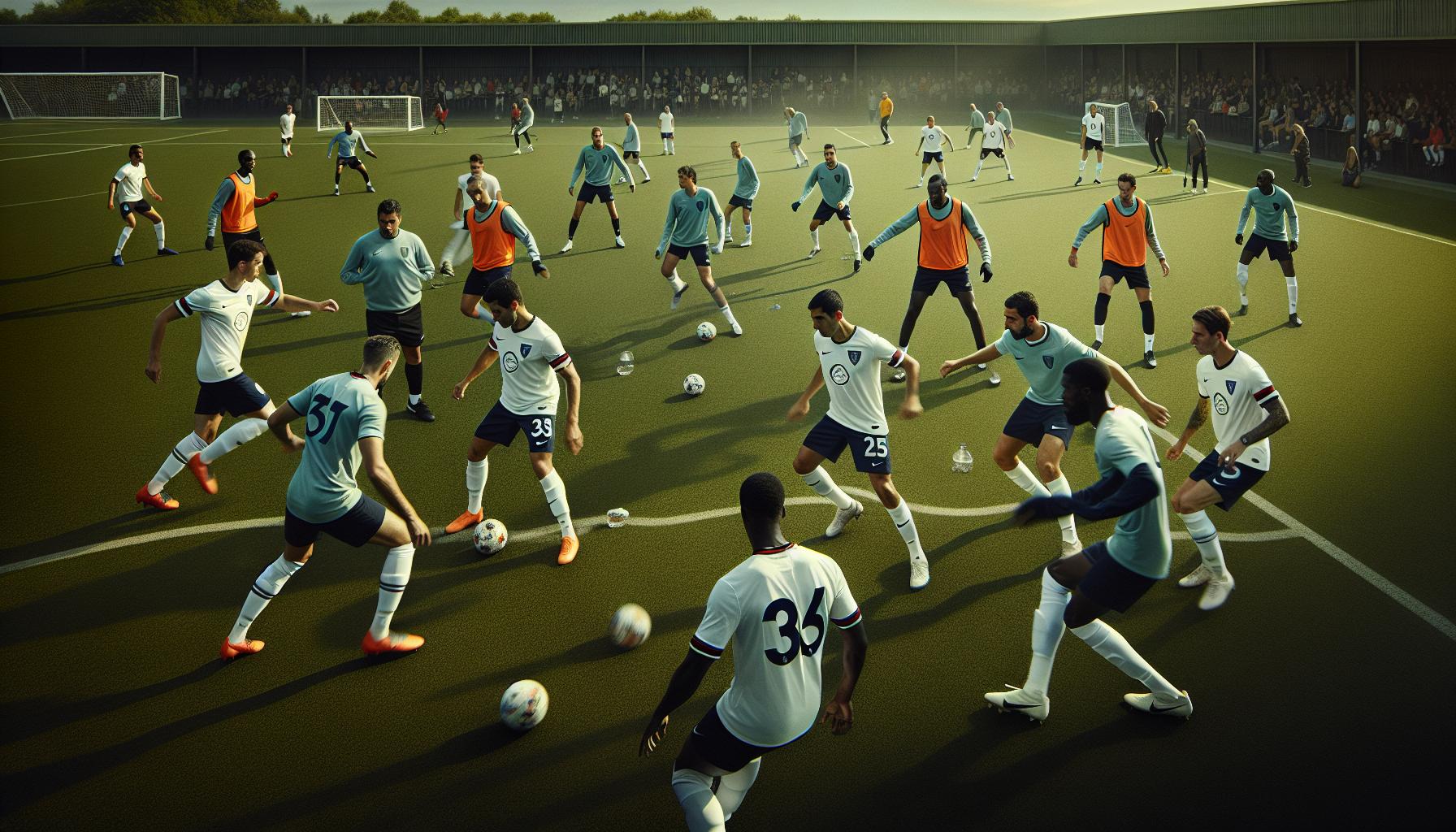
The backbone of any successful youth soccer team is a resilient and clever defensive unit. Defenders are more than just blockades against opposing attacks; they serve as the foundation upon which the entire team’s strategy rests. A strong backline operates with a shared understanding of positioning, communication, and timing, often initiated from their seamless coordination. Young players learning to defend must grasp the balance between aggression and caution, knowing when to apply pressure and when to hold shape-skills that only grow with experience and guidance. Such as, in a memorable youth championship semifinal, a tenacious defender anticipated an opponent’s through-ball, expertly intercepting the pass and initiating a counterattack that led directly to a game-winning goal. Moments like these highlight the defender’s critical role in turning defense into offense and boosting team morale.
Mastering key defensive responsibilities begins with developing spatial awareness and reading the game-a process that allows defenders to anticipate opponents’ moves and maintain structure under pressure. Coaches emphasize teaching young defenders to communicate effectively, ensuring that each player in the backline understands their role in marking, covering, and supporting teammates.This vocal leadership helps prevent defensive breakdowns and builds trust throughout the squad.Practical drills focusing on tackling technique, jockeying, and clearing the ball safely under pressure cultivate confidence without sacrificing composure. Moreover, defenders often act as the first playmakers from the back, utilizing precise passing and calm ball control to launch build-up attacks.When defenders embrace this dual obligation, they become the heartbeat of the team’s transition phases, safeguarding their goal while creating scoring opportunities.
Core Skills Every Youth Defender Should Develop
- Positioning and Awareness: Understanding when to step up or drop back in relation to the ball and teammates.
- Effective Communication: Calling out marks, organizing the defensive line, and alerting teammates to threats.
- Tackling and Interceptions: Timing challenges and anticipating passes rather than reacting late.
- Ball Control and Distribution: Maintaining composure under pressure and initiating attacks with accurate passes.
- Physical Conditioning: Building strength and stamina to compete in one-on-one duels and recover quickly.
Midfield Maestros: The Engine of Youth Soccer

Midfielders are the pulsating heart of any youth soccer team,orchestrating the flow between defense and attack with a blend of vision,energy,and technical skill. It’s often said that games are won or lost in midfield-an assertion that springs to life when watching a gifted young midfielder dominate the pitch. These players serve as the team’s engine, tasked with controlling tempo, distributing precise passes, and tirelessly supporting both ends of the field. Take, such as, a youth tournament final where a midfield star, barely out of tweens, repeatedly intercepted opposition passes and then delivered incisive through-balls that split defenses apart – driving her team to a memorable come-from-behind victory. Such moments reveal the midfield’s vital role in not just maintaining possession but transforming defensive solidity into attacking creativity.
Developing youth midfielders demands a special focus on both physical and mental attributes. Coaches emphasize spatial awareness, teaching players to scan the field constantly and anticipate the next move before the ball arrives. Midfielders must balance defensive duties, like pressing opponents and protecting the backline, with creative tasks such as threading passes to forwards or switching the play to exploit space. Practical training drills involve improving first touch, quick decision-making, and stamina, all crucial for sustaining high work rates throughout matches. Moreover, instilling leadership qualities early is key-midfielders frequently enough become vocal anchors who organize teammates and inspire rhythm. As one youth coach observed, “The best midfielders I’ve coached wasn’t just about skills; it was about their hunger to connect every part of the team, to make the game seamless.” Encouraging young players to embrace this responsibility nurtures well-rounded midfield maestros ready to elevate their teams with intelligence, precision, and passion.
Key Attributes for Youth Midfielders to Cultivate
- Vision and Awareness: Continuously reading the game and perceiving passing lanes.
- Ball Control and passing Accuracy: Executing sharp, varied passes under pressure.
- Work Rate and Stamina: Covering significant ground supporting defense and attack.
- Defensive Skills: Intercepting, tackling, and providing a protective shield.
- Leadership and Communication: Organizing teammates and maintaining team shape.
forwards and Strikers: Igniting the Attack

Few moments in youth soccer electrify crowds more than a swift, perfectly timed strike past a goalkeeper - a testament to the relentless drive and instinct unique to forwards and strikers. These players are the spark plugs igniting every attack, transforming strategic buildup into tangible results. Whether darting past defenders with blistering speed or patiently waiting to pounce on a rebound, forwards must combine technical finesse with a fierce competitive spirit. Coaches often describe these roles as both an art and a science: players need not only sharp finishing skills but also intelligent positioning and an intuitive sense of timing that can’t easily be taught. One memorable example comes from a regional championship where a youngster, barely 12, weaved through multiple defenders before calmly slotting home the winning goal – a reminder that decisive attackers shape the very narrative of a match.Developing youth forwards requires a balance of nurturing natural instinct and instilling tactical awareness. Key attributes include explosive acceleration, clinical finishing with both feet, and creativity in tight spaces. Equally important is teaching players to read defenders’ movements and exploit gaps, turning fleeting chances into goals. Coaches emphasize drills focused on quick decision-making under pressure, shooting accuracy, and spatial intelligence – all vital to thriving in dynamic attacking scenarios. Moreover, the psychological demands on strikers are high; resilience after missed chances and consistent confidence often distinguish great forwards from good ones. As one youth academy coach notes, “A striker’s mindset is everything – they must be fearless, hungry, yet composed.” By fostering these traits, young forwards can become dependable goal scorers who inspire teammates and ignite collective ambition.
Core Skills and mindset for Aspiring Youth Forwards
- Finishing Precision: Accuracy and variety in shooting techniques, including volleys, chips, and low drives.
- Speed and Agility: Ability to accelerate quickly and change direction to evade defenders.
- Positioning and Off-the-Ball Movement: Timing runs to stay onside and exploit defensive weaknesses.
- Composure Under Pressure: maintaining calmness during goal-scoring opportunities.
- mental Toughness: bouncing back from misses and sustaining confidence throughout the game.
Specialized Positions Explained: Wings, Sweepers, and Playmakers
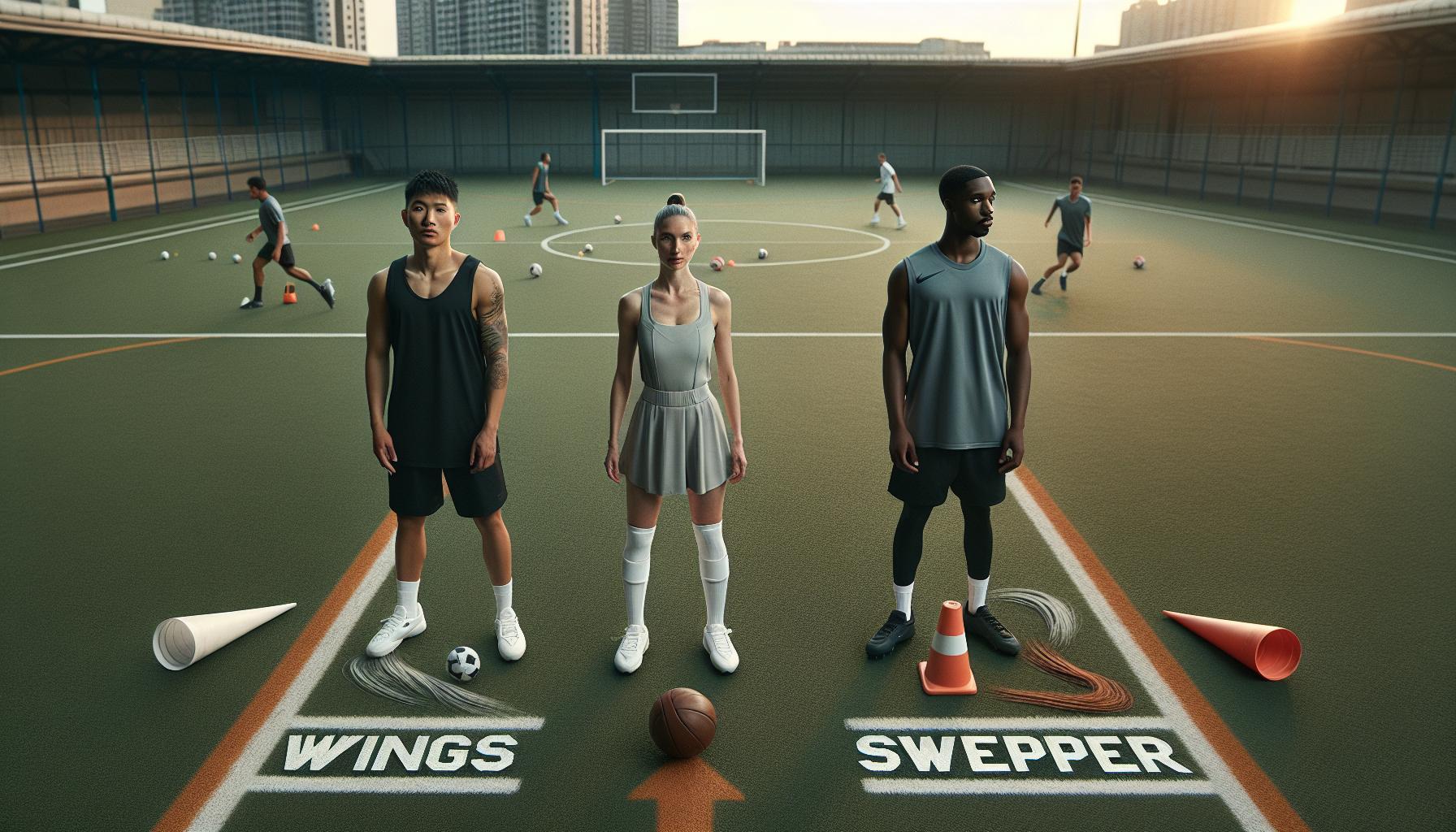
Few roles in youth soccer spark as much excitement and strategic nuance as those of the wings, sweepers, and playmakers.These specialized positions often operate in the subtle spaces of the game, weaving artistry and tactical insight into the team’s structure. Take the winger,for example – lightning-fast and endlessly creative,this player is the team’s gateway to width and unpredictability. Wingers excel by stretching defenses wide, whipping in precise crosses, or cutting inside with dazzling footwork. Coaches often highlight the winger’s dual responsibility: to balance offensive flair with disciplined defensive tracking. A memorable image from a youth tournament involved a 13-year-old winger who, with a perfectly timed sprint and cross, set up a championship-winning goal. That moment encapsulates how this position can transform a match’s rhythm with both pace and precision.
Sweepers, though less common in modern youth setups, remain an intriguing study in defensive intelligence. Positioned just behind the central defenders, their role is to “sweep” up through balls and provide coverage – acting as a calm, strategic safety net. This position demands extraordinary reading of the game and fearlessness under pressure, qualities that seasoned coaches encourage young sweepers to develop through positional awareness drills and situational gameplays. The playmaker, arguably soccer’s cerebral core, thrives in this ecosystem by dictating tempo, orchestrating attacks, and seeding opportunistic passes. Whether stationed in midfield or just behind the forwards, playmakers serve as the team’s creative heartbeat. Their vision and spatial intelligence turn chaos into rhythm, often making the difference between a fragmented attack and a purposeful strike. A youth coach once reflected that nurturing playmakers is about cultivating “the ability to see five moves ahead,” underscoring the blend of artistry and anticipation needed at the youth level.
Essential Attributes and Training Tips for Wings, Sweepers, and Playmakers
- Wings: Emphasize speed endurance, one-on-one dribbling, precise crossing, and tracking back on defense.
- Sweepers: Develop strong positional sense, communication skills to organize defense, and composure in clearing danger.
- Playmakers: Focus on vision exercises, quick decision-making under pressure, passing accuracy, and spatial awareness drills.
Helping youth players embrace these specialized roles prepares them not only for their current team needs but also builds a foundation for adaptable, intelligent soccer careers. By celebrating the unique challenges and thrill of wings, sweepers, and playmakers, coaches and parents nurture a deeper appreciation of soccer’s elegance and strategic depth at every level.
How Age and Skill Shape position Choices
Youth soccer is a dynamic tapestry where age and skill naturally guide where players find their best fit on the field, often shaping their developmental journey as much as their individual talents do. It’s remarkable how the physical and cognitive growth stages of young athletes intertwine with position-specific demands, creating a dance between potential and opportunity. Early on, coaches must balance the physical realities-such as speed, endurance, and coordination-with players’ tactical understanding and emotional readiness. Consider a precocious 11-year-old midfielder whose vision and passing ability already outpace peers; while smaller in stature, their skill set may quickly merit a more central, creative role despite typical age-related positioning traditions. Conversely, a physically mature 13-year-old might initially thrive as a defender or striker, capitalizing on early growth spurts that provide a physical edge in contests for the ball.Experience from seasoned youth coaches reveals that flexibility remains the key: young players often cycle through multiple positions as skills and bodies evolve, enriching their overall game intelligence. For instance, many great forwards began their journeys in midfield, nurturing vision and ball control before focusing on goal-scoring instincts. By embracing a rotational approach, coaches not only avoid pigeonholing talent prematurely but also encourage adaptability-crucial given the fluid nature of soccer.As one veteran youth coach reflected, “The position a kid plays at 10 isn’t the position they’ll master at 16, but every role teaches lessons that make them a more rounded player.” Practical steps in this area include assessing maturity beyond just chronological age-acknowledging that some players mature earlier physically or cognitively and might benefit from tailored position assignments. This balanced approach weaves together developmental science and passionate mentorship,nurturing each player’s unique journey while enhancing team cohesion and success.
Practical Tips for Aligning Age and Skill With Positions
- Early Encouragement of Versatility: Rotate players across defense, midfield, and attack to foster broad skill growth and better position sense.
- Monitor Physical Maturity: Recognize that biological maturity impacts speed, strength, and injury risk; tailor positions and training accordingly.
- Foster Tactical Awareness: Match position demands with cognitive readiness-playmakers, for example, benefit from older youths who grasp complex strategies.
- Communicate Openly with Players: Encourage feedback and self-reflection to help kids understand their evolving strengths and how they translate to different roles.
By harmonizing awareness of age and skill with thoughtful coaching choices, youth soccer programs unlock potential not just for current performance but for a lifetime passion with the sport. this approach transforms teams and communities alike, celebrating the beautiful game as a nurturing ground for growth, resilience, and joy.
Tactical Formations and Position Adaptations in Youth Soccer
Youth soccer is frequently enough where tactical experimentation meets the raw enthusiasm of developing players. One of the most captivating aspects is how formations-whether a classic 4-4-2, a flexible 3-5-2, or a dynamic 4-3-3-shape not only team strategy but also the individual roles children grow into. Tactical formations in youth games are less about rigid structures and more about creating an habitat where players can discover their best positions,refine their understanding of space,and develop instincts that transcend any single lineup. For example, a 9-year-old midfielder in a 4-3-3 might find themselves drifting wide to support the forwards, sparking those early lessons in positional versatility that become invaluable later.Coaches often observe that small-sided games-favored at younger levels-encourage players to engage in multiple roles naturally, fostering tactical flexibility and a deeper appreciation of the interdependence between positions[[1]](https://pmc.ncbi.nlm.nih.gov/articles/PMC12127938/).
Adapting positions within different tactical systems hinges on recognizing the unique combination of each player’s physical traits, cognitive maturity, and technical skills. A common insight shared among youth coaches is that the same player can flourish as a defender in one formation and as a midfielder in another, simply by adjusting the spatial demands of their role. A vivid example comes from a regional youth tournament where a slender, quick-footed 12-year-old transitioned from wing-back in a 3-5-2 to an attacking midfielder in a 4-4-2, dramatically improving his impact on the game. Such adaptations not only build skill diversity but also emotional resilience-players learn to read the game’s rhythm and position themselves accordingly,becoming more fluid and confident.
Guidance for coaches: Building Tactical Awareness Through formation Choices
- Encourage Formation Experimentation: utilize different tactical setups during training and matches to reveal players’ natural tendencies and comfort zones.
- Focus on role Clarity: Even within flexible formations, clarify each player’s responsibilities to avoid confusion and build confidence.
- Integrate Small-Sided Games: These accelerate learning by exposing players to various tactical scenarios, promoting quick decision-making and role switching.
- Use Video and Visual Aids: Reviewing game footage or animated drills can definitely help players visualize positional adaptations and anticipate tactical shifts.
The ongoing dialog between tactical formations and position adaptations weaves tactical literacy with personal growth. Embracing this fluidity not only enhances technical and strategic competencies but also nurtures a team culture where each player feels valued for their evolving contributions-a true celebration of youth soccer’s vibrant, ever-changing puzzle[[1]](https://pmc.ncbi.nlm.nih.gov/articles/PMC12127938/).
Coaching Tips: Developing Position-Specific Skills
youth soccer thrives on the delicate blend of raw talent and tailored development, and the leap from enthusiastic participation to tactical proficiency hinges on mastering position-specific skills. The art of coaching young players to excel in their roles is not merely about drills but about unlocking the unique potential each position demands. For example, training a goalkeeper requires cultivating acute decision-making under pressure and explosive reflexes, while forwards benefit from agility and strike precision honed through repetition. Renowned youth coach Marta Velasquez emphasizes, “Understanding what your position truly entails allows players to channel their focus and passion efficiently-building confidence and a sense of purpose on the field.” When players internalize these role distinctions early, they not only sharpen their individual impact but also weave themselves seamlessly into the team’s broader strategy, fostering a collective rhythm that mirrors professional levels.
Building position-specific expertise also means embracing adaptability without sacrificing identity. Youth players are still discovering their strengths,and exposing them to a variety of role-driven challenges accelerates their learning curve. A practical approach involves designing drills that simulate real-game scenarios, such as defenders practicing one-on-one marking combined with initiating quick counterattacks or midfielders developing spatial awareness through dynamic passing sequences that shift pace and direction. Coaches might introduce progressive complexity by layering skill tasks-like threading through balls under pressure or executing timed overlaps on the wings-to encourage tactical thinking alongside physical prowess. by fostering a growth mindset, coaches help players view mistakes as invaluable feedback rather than setbacks, nurturing resilience. As Coach Liam O’Connor notes, “When young players embrace their roles with enthusiasm and curiosity, the hard work of position-specific skill development becomes a joyful journey rather than a chore.” This philosophy elevates youth soccer from mere training to a formative experience packed with learning, leadership, and lasting camaraderie.
Core Focus Areas for Position Development
- Technical Mastery: Tailor ball control, passing, shooting, and tackling drills specific to positional demands.
- Tactical Awareness: Use situational exercises that require reading the game, anticipating opponents, and transitioning roles mid-play.
- Physical Conditioning: Incorporate agility, endurance, and strength training aligned with each position’s unique activity profile.
- Psychological Skills: Develop communication, confidence, and leadership abilities to empower players in their roles.
Common Mistakes and How to Avoid Them by Position
Youth soccer is a dynamic arena where every position carries its own set of challenges, and it’s frequently enough the little, overlooked errors that can ripple into game-changing moments. Such as, young goalkeepers sometimes misjudge their positioning in one-on-one situations, leaving the net vulnerable despite boasting quick reflexes. Coach Marta Velasquez highlights that “a goalkeeper’s confidence comes equally from mental alertness and physical readiness-both easily shaken by rushing decisions or hesitation.” Similarly, defenders frequently fall into the trap of overcommitting on tackles, which savvy opponents exploit by drawing defenders out and creating gaps. Teaching defenders to balance aggression with patience is crucial; understanding when to hold their line or step up can be the thin line between a strong defensive block and a costly breakaway. Midfielders, simultaneously occurring, can struggle with spatial awareness, frequently enough clustering in tight areas rather than spreading the field and controlling tempo. This common oversight restricts attacking options and pressures their teammates unnecessarily, but with guided practice in scanning the field, youth players can learn to orchestrate play with the fluidity of seasoned professionals.
For forwards and strikers, the excitement to score can sometimes lead to forced shots or poor timing of runs, frustrating not just themselves but teammates relying on well-timed support. As coach Liam O’Connor puts it, “Patience and timing trump sheer speed or power; strikers must marry instinct with awareness to truly ignite the attack.” Young wingers and playmakers often underestimate the value of defensive duties, forgetting the game is a collective battle that demands effort across the pitch. Ensuring these specialized players develop tactical discipline alongside their flair stops them from becoming one-dimensional and fatigued runners. To help overcome these pitfalls, consider these key strategies tailored to each core position:
- Goalkeepers: Cultivate reading the game rather than reacting blindly. Use drills that simulate pressure situations, encouraging calm decision-making.
- Defenders: Practice controlled tackling and positioning exercises that reward patience and force anticipation over aggression.
- Midfielders: Integrate spatial awareness drills, highlighting movement patterns to maximize field coverage.
- Forwards: Develop timing and precision with finishing exercises focusing on composure rather than hurried strikes.
- Specialized Roles (Wings, Playmakers): Blend offensive creativity with defensive responsibilities through dual-focus drills that promote stamina and tactical balance.
By recognizing and addressing these position-specific hurdles early, youth players not only avoid common traps but also gain confidence and adaptability essential for growth. Embracing mistakes as part of the learning journey-rather than setbacks-turns every misstep into a stepping stone, crafting resilient athletes capable of rising to the sport’s thrilling demands. Through a blend of focused coaching, real-game scenario practices, and nurturing mental strength, today’s youth players transform challenges into the mastery that fuels tomorrow’s soccer legends.
Real Stories: Rising Youth Stars and Their Position Journeys
From local fields to national tournaments, many young players have navigated winding paths shaped by position trials, evolving skills, and coaching guidance that reveal not only their potential but also the intricate demands of youth soccer roles. Take the story of Mikaela, a tenacious midfielder whose early years were spent experimenting across defense and attack before settling into the pivotal central midfield position. “It was all about finding where I felt most connected to the rhythm of the game,” she recalls. Coaches soon noticed her natural ability to control the tempo and distribute passes,transforming her into the playmaker her team relied on. Mikaela’s journey emphasizes that youth players benefit immensely from exposure to multiple areas on the pitch,which builds well-rounded tactical understanding and resilience-attributes vital for embracing challenges at increasingly competitive levels.
meanwhile, Jamal’s experience highlights how adaptability can become a career-defining asset. Originally a forward known for his speed and goal-scoring instinct, Jamal was shifted to a wingback role during a season plagued by injuries. His transition demanded mastering new defensive responsibilities and a significant increase in stamina. Reflecting on this switch, his coach, Carlos Morales, points out, “Position flexibility is not just about filling gaps; it’s about cultivating empathy for teammates’ roles and expanding a player’s toolbox.” Jamal’s growth underscores practical advice for young players and coaches alike:
- Embrace experimentation: Trying diverse positions uncovers hidden strengths and develops tactical awareness.
- Communicate openly with coaches: Understanding the rationale behind position changes fosters trust and focused development.
- Balance skill refinement with role adaptation: Regularly practicing position-specific drills enhances both confidence and performance.
Such narratives reaffirm that positional pathways in youth soccer aren’t linear but woven through the fabric of teamwork, individual perseverance, and adaptive learning-qualities that form the foundation of future stars on and off the pitch.
Position Flexibility: Preparing Young Players for Multiple Roles
Few experiences in youth soccer shape a player’s growth as powerfully as stepping into multiple roles on the field. Flexibility in positioning isn’t just a technical asset-it fosters a deeper understanding of the game’s rhythm and demands, making young players more complete athletes. When kids learn to move between defense, midfield, and attack, they cultivate an instinct for spatial awareness and decision-making that static roles rarely provide. Coaches frequently witness how this adaptability ignites confidence, especially when unforeseen game situations or team needs call for quick thinking and seamless role shifts. Take Jamie, a youth player whose journey mirrors this dynamic growth. Starting as a forward, Jamie spent a season rotating through defensive positions. This expanded view honed their anticipation and tackling, which later transformed Jamie into a versatile midfield maestro-equipped to read opponents and launch precise counterattacks.The richness of such experiences transcends winning and losing; it builds resilience, fosters empathy for teammates, and deepens tactical intelligence.
Successfully preparing young athletes for multiple roles is a intentional process that balances skill refinement with broad tactical exposure. Coaches play a crucial role in creating an environment that encourages curiosity and experimentation while maintaining consistency in training the fundamentals. Open dialogues between players and coaches ensure that athletes understand the strategic purpose behind positional changes, reducing frustration and reinforcing growth mindsets. implementing rotation strategies during training and matches, combined with targeted drills for each position’s essential skills, helps players build a toolbox that adapts to various game demands. Parents and guardians can support this journey by celebrating learning milestones over fixed roles, recognizing the courage it takes to step outside comfort zones. As coach Carlos Morales insightfully notes, ”Position flexibility is not just about filling gaps; it’s about cultivating empathy for teammates’ roles and expanding a player’s toolbox.” Embracing this adaptable approach prepares youth not only for the unpredictable flow of soccer matches but also equips them with life skills of adaptability and teamwork.
- Encourage rotational play: Rotate players through different positions in practice sessions and pleasant matches to build broad experience.
- Teach core skills universally: Drills focusing on passing, ball control, and spatial awareness benefit players regardless of position.
- Provide context and feedback: Explain the strategic importance of each position and offer constructive feedback tailored to individual growth.
- Celebrate adaptability: Acknowledge players who embrace new roles and highlight how this broadens their understanding of the game.
Frequently asked questions
Q: How can coaches identify the best youth players for defensive positions?
A: Coaches spot ideal defenders by evaluating physicality, spatial awareness, and communication skills. Young players showing strong tackling, positioning, and the ability to read the game excel as defenders.Encouraging trial in multiple backline roles sharpens these skills-see our section on Defenders Uncovered for tailored coaching tips to develop youth defenders effectively.
Q: Why is versatility important for youth soccer players across positions?
A: Versatility allows young players to adapt quickly to changing game dynamics and tactical formations. It builds a deeply understanding of multiple roles, boosting confidence and team value.Encouraging position flexibility, as discussed in Position Flexibility: Preparing Young Players for Multiple Roles, fosters adaptive instincts essential for soccer growth.
Q: What physical skills should young midfielders develop to control the game?
A: Effective youth midfielders develop endurance,precise passing,and spatial vision to link defense and attack fluently. Training drills that enhance ball control under pressure and quick decision-making solidify their role as the team’s “engine,” detailed in our Midfield Maestros section. Coaches should emphasize balanced fitness and tactical awareness early on.
Q: How do youth soccer formations impact player position responsibilities?
A: Formations dictate positioning, workload, and tactical roles-for example, a 4-3-3 demands more wing play, while 3-5-2 emphasizes midfield control. Players must adjust responsibilities like defending wide spaces or pressing high. Understanding these adaptations enhances strategic intelligence, highlighted in Tactical Formations and Position Adaptations in Youth Soccer.
Q: When should youth players start specializing in one soccer position?
A: Specialization is best approached gradually, usually after mastering general skills around ages 12-14. Early diversification aids overall game sense and reduces burnout. Based on How Age and Skill Shape Position Choices, coaches and parents should observe natural inclinations while encouraging experimentation for well-rounded development.
Q: What are key mental attributes needed for youth strikers to succeed?
A: Youth strikers thrive by cultivating confidence, composure under pressure, and anticipation. Mental toughness helps finish scoring chances even in tight matches. Practicing situational shooting and envisioning game scenarios boosts scoring instincts, complementing the insights in Forwards and Strikers: Igniting the Attack.
Q: How can parents support their child’s position development in youth soccer?
A: Parents play a vital role by encouraging diverse skill practice,celebrating effort over results,and fostering a growth mindset. Supporting players as they explore different roles enhances confidence and enjoyment.Our Real Stories: Rising Youth Stars section reflects parent-coach partnerships propelling young athletes’ success journeys.
Q: What are common challenges youth players face when switching positions and how to overcome them?
A: Position switching often leads to confusion in role expectations and game flow. Overcoming this requires patience, clear communication from coaches, and targeted drills emphasizing position-specific skills. Review common pitfalls and solutions in Common Mistakes and How to Avoid them by position to guide smooth transitions and build player confidence.
—
Explore these insights alongside our detailed breakdown in the main article to deepen your understanding of youth soccer positions and spark your passion for the sport’s lasting drama and artistry.
To Wrap It Up
Understanding youth soccer positions unlocks not only the tactics behind the game but also how each young athlete can thrive by finding their perfect role on the field. Whether it’s the strategic vision of a midfielder or the decisive saves of a goalkeeper, embracing these key roles empowers players to develop confidence and teamwork. Ready to take the next step? Explore our in-depth guides on youth soccer drills and beginner-friendly coaching tips to deepen your game knowledge and watch your team’s skills soar.Don’t miss out on insider strategies and player spotlights in our “youth Soccer Training” and “Effective Team Communication” articles-perfect complements to mastering positions. Sign up for our newsletter to stay updated with expert advice, inspiring stories, and exclusive resources designed to fuel your soccer journey.have questions or success stories about youth soccer positions? Share them below and join a community passionate about nurturing tomorrow’s stars.Your path to soccer mastery starts here-let’s keep the ball rolling together!