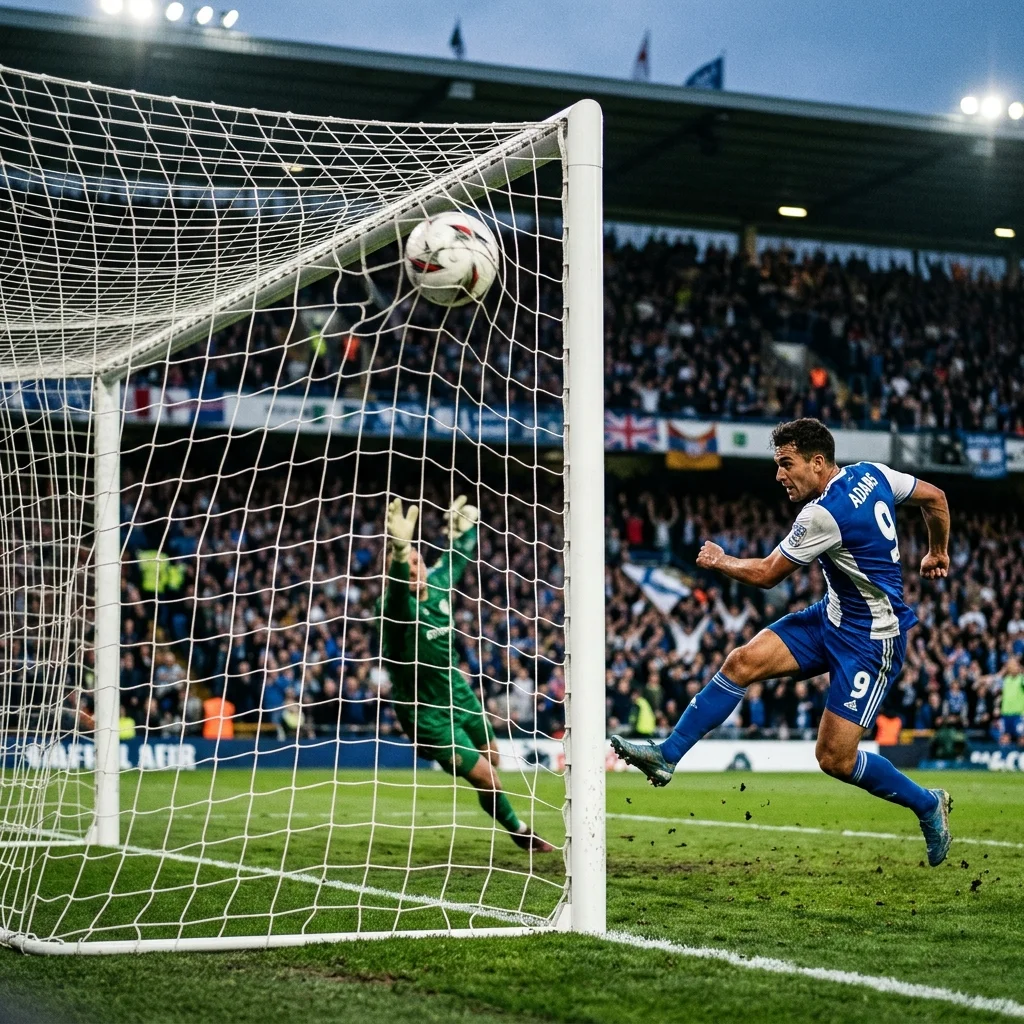
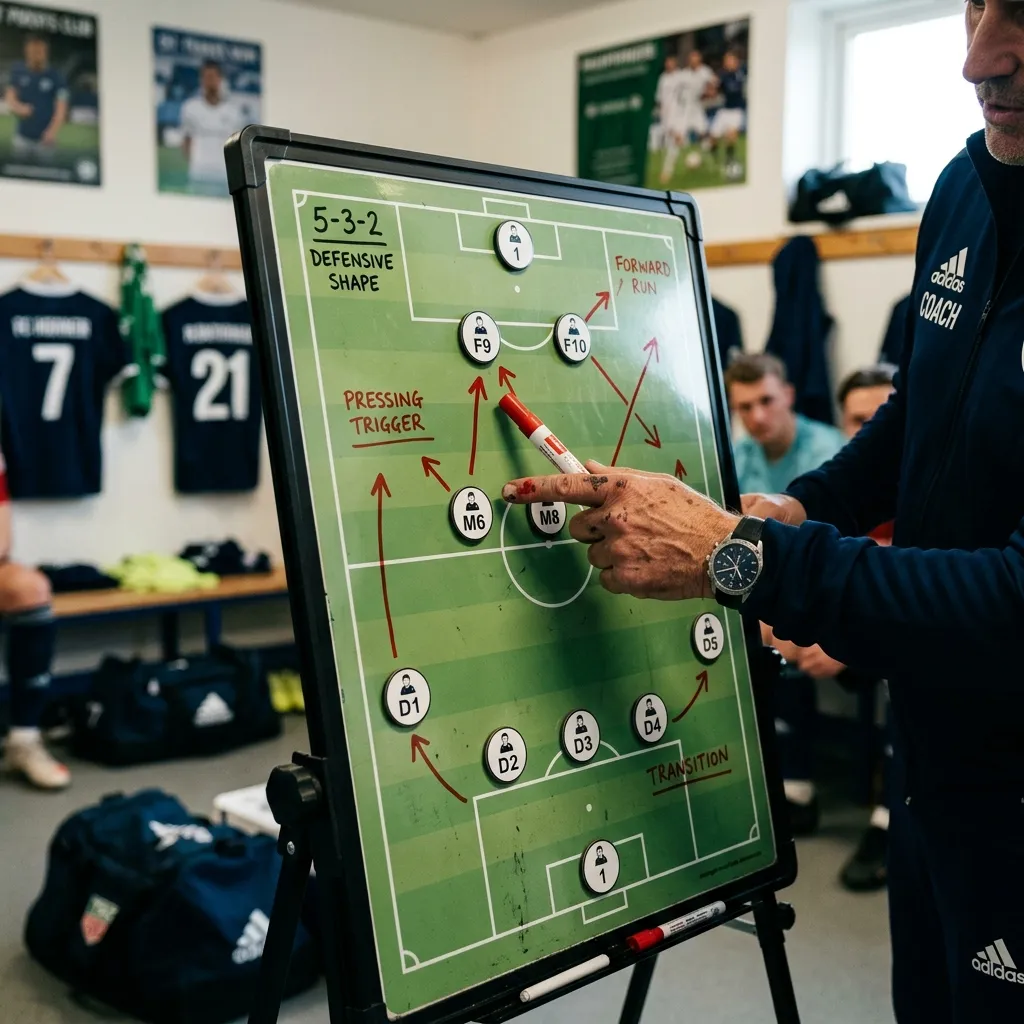
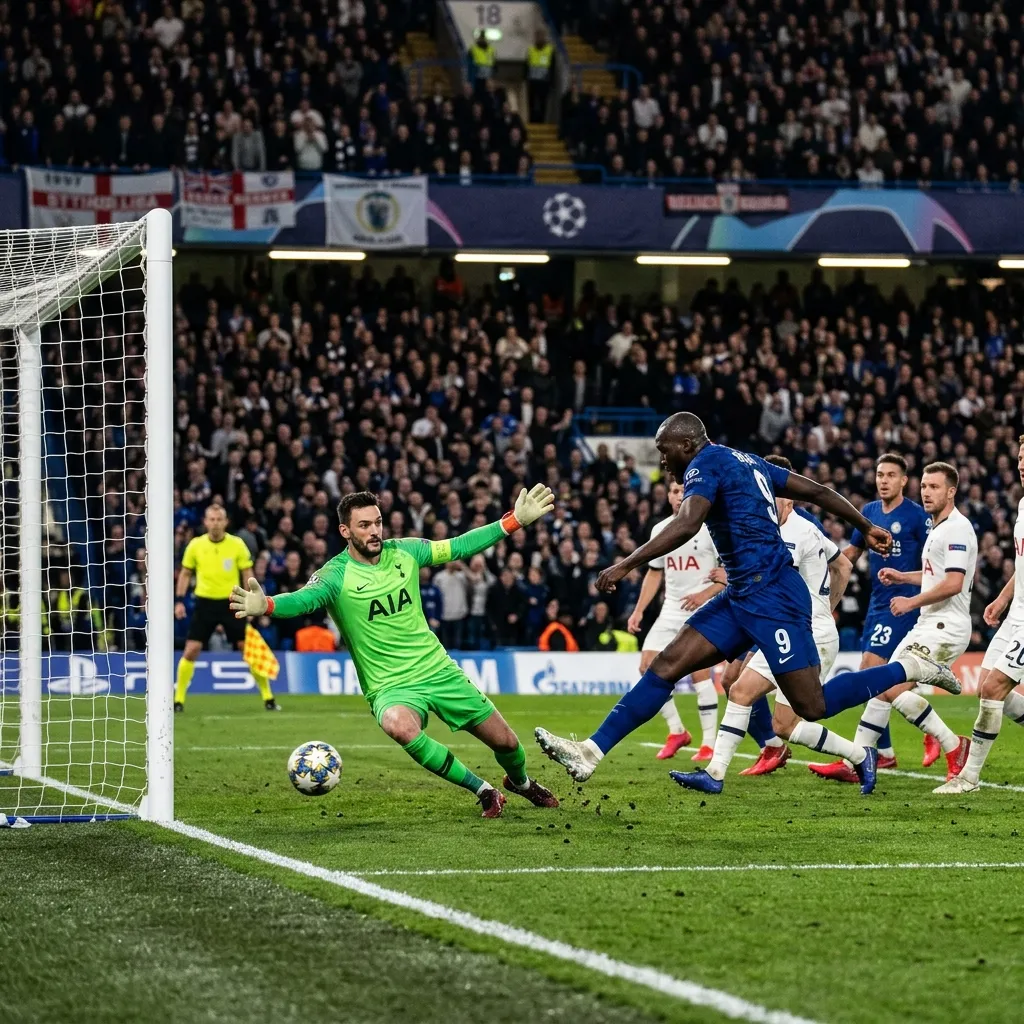
Are you struggling with players who shy away from tackles? Teaching aggression in soccer isn’t about promoting dirty play—it’s about building confidence, assertiveness, and physical presence on the field. The best teams balance technical skill with the tactical intensity required to win 50/50 battles.
To teach aggression in soccer the right way, coaches must focus on controlled assertiveness rather than reckless behavior. This involves teaching proper tackling technique, rewarding bravery in 50/50 challenges, simulating game-like intensity in practice, and shifting the mindset from “fear of contact” to “desire to win the ball.”
Key Takeaways
- Proper Technique is Safety: Aggression without technique leads to fouls and injuries. Master the shoulder charge and block tackle first.
- Mindset Shift: Redefine “aggression” as “assertiveness” and “bravery.” Praise players who step into challenges, even if they lose the ball.
- Small-Sided Games: Use 1v1 and 2v2 drills in tight spaces to force physical contact and quick decision-making under pressure.
Contents
- Understanding the Difference: Assertiveness vs. Dirty Play
- Core Techniques for Physical Play
- The Block Tackle
- The Shoulder Charge
- Drills to Build Aggression and Bravery
- The 50/50 Gauntlet
- Psychological Barriers: Why Players Hesitate
- How to Reward the Right Behavior
- Frequently Asked Questions
- At what age should coaches start teaching aggression in soccer?
- How do you help a player overcome the fear of the ball?
- Can you change a naturally timid player into an aggressive one?
- Why is going into a tackle “half-hearted” dangerous?
Understanding the Difference: Assertiveness vs. Dirty Play
Many youth players avoid contact because they misunderstand what aggression means in a soccer context. It’s crucial to differentiate between playing hard and playing dirty. Assertiveness is about being first to the ball, holding your ground, and using your body legally to gain an advantage.
Dirty play, on the other hand, involves late tackles, elbows, or intent to injure. Coaches must explicitly define the line between the two. When a player makes a strong, fair tackle, praise the effort immediately. If a challenge crosses the line into recklessness, correct it on the spot to reinforce boundaries.
Never punish a player for a genuine but poorly timed tackle if the intent was to win the ball. Punishing honest mistakes will cause the player to revert to a passive, fear-based mindset.
Core Techniques for Physical Play
You cannot demand aggression if players don’t have the technical tools to protect themselves. Confidence in physical situations stems directly from proper technique.
The Block Tackle
The foundation of defensive aggression is the block tackle. Teach players to lock their ankle, lower their center of gravity, and commit their weight behind the challenge. A strong, locked ankle prevents injury and ensures the force of the tackle goes into the ball, not the player.
The Shoulder Charge
The shoulder charge is an essential, legal way to physically unbalance an opponent. Players must understand how to drop their shoulder, lean into the opponent shoulder-to-shoulder, and use their core strength to win space. Practice this in controlled environments so players get comfortable with the sensation of impact.
Drills to Build Aggression and Bravery
To develop aggressive play, your training sessions must replicate the physical intensity of a real match. Static drills won’t teach players how to handle physical pressure.
- Tight spaces that force 1v1 battles
- 50/50 ball starting points
- Points awarded for winning tackles
- Unopposed passing patterns
- Large spaces where players can avoid contact
- Stopping the drill for every minor foul
The 50/50 Gauntlet
Set up a narrow channel and roll a ball evenly between two players. They must sprint and battle for possession. The objective isn’t just to score; it’s to see who commits fully to the challenge. Reward the player who shows more physical courage, regardless of the outcome.
Psychological Barriers: Why Players Hesitate
Often, a lack of aggression is a psychological issue rather than a physical one. Some players fear injury, while others are simply polite by nature and feel uncomfortable imposing their will on someone else.
| Barrier to Aggression | Coaching Solution |
|---|---|
| Fear of Injury | Teach proper tackling technique. Highlight that going in “half-hearted” is what causes injuries. |
| Fear of Making a Mistake | Create a “safe to fail” environment. Applaud effort over outcome during drills. |
| Naturally Passive Personality | Assign them a specific “enforcer” role for 5 minutes during a scrimmage to flip their mindset. |
How to Reward the Right Behavior
Players repeat behaviors that get rewarded. If you only praise goals and assists, your team will prioritize attacking over defending and battling. Make a point to stop practice and highlight a perfectly executed shoulder charge or a brave block tackle.
During matches, vocalize your approval from the sideline when a player makes a strong, assertive challenge. When the team sees that physical effort is valued just as highly as technical skill, the overall intensity level of the squad will rise naturally.
Frequently Asked Questions
At what age should coaches start teaching aggression in soccer?
Coaches should introduce the concepts of assertiveness and physical play around U9 to U10. At this age, focus on the basic shoulder charge and shielding the ball rather than aggressive tackling.
How do you help a player overcome the fear of the ball?
Overcome fear of the ball by starting with soft touches and gradually increasing intensity. Use lighter balls in training and focus on proper heading and receiving technique to build confidence safely.
Can you change a naturally timid player into an aggressive one?
You can’t change their fundamental personality, but you can teach them competitive assertiveness. By providing clear instructions, teaching proper techniques, and rewarding brave moments, timid players can learn to be highly effective and physically present.
Why is going into a tackle “half-hearted” dangerous?
Going into a tackle half-hearted is dangerous because a loose ankle or relaxed leg absorbs the full impact of the opponent’s force. Committing fully with a locked joint ensures structural stability and protects against sprains and breaks.
Developing an aggressive, assertive soccer team takes patience and consistent reinforcement. By focusing on technique, creating intense training environments, and positively rewarding bravery, you can transform timid players into confident competitors. Start incorporating these 50/50 drills into your next session and watch your team’s physical presence grow.
{ “@context”: “https://schema.org”, “@type”: “FAQPage”, “mainEntity”: [ { “@type”: “Question”, “name”: “At what age should coaches start teaching aggression in soccer?”, “acceptedAnswer”: { “@type”: “Answer”, “text”: “Coaches should introduce the concepts of assertiveness and physical play around U9 to U10. At this age, focus on the basic shoulder charge and shielding the ball rather than aggressive tackling.” } }, { “@type”: “Question”, “name”: “How do you help a player overcome the fear of the ball?”, “acceptedAnswer”: { “@type”: “Answer”, “text”: “Overcome fear of the ball by starting with soft touches and gradually increasing intensity. Use lighter balls in training and focus on proper heading and receiving technique to build confidence safely.” } }, { “@type”: “Question”, “name”: “Can you change a naturally timid player into an aggressive one?”, “acceptedAnswer”: { “@type”: “Answer”, “text”: “You can’t change their fundamental personality, but you can teach them competitive assertiveness. By providing clear instructions, teaching proper techniques, and rewarding brave moments, timid players can learn to be highly effective and physically present.” } }, { “@type”: “Question”, “name”: “Why is going into a tackle “half-hearted” dangerous?”, “acceptedAnswer”: { “@type”: “Answer”, “text”: “Going into a tackle half-hearted is dangerous because a loose ankle or relaxed leg absorbs the full impact of the opponent’s force. Committing fully with a locked joint ensures structural stability and protects against sprains and breaks.” } } ] }