Pushing in soccer is generally prohibited and considered a foul under the Laws of the Game, but there are specific exceptions where shoulder-to-shoulder contact is legally allowed. According to IFAB rules, a player can legally challenge for the ball using their shoulder against an opponent’s shoulder, provided the ball is within playing distance and the contact is not careless, reckless, or using excessive force. However, pushing with the hands, arms, or extending the elbow to displace an opponent will result in a direct free kick or penalty. Understanding the subtle difference between a legal shoulder charge and an illegal push is critical for both defending and maintaining possession on the pitch.
Key Takeaways
- Shoulder-to-shoulder contact is legal if the ball is within playing distance and both players are challenging for it.
- Using hands or arms to push is strictly forbidden and results in a direct free kick for the opposing team.
- Reckless pushing can lead to disciplinary action, including yellow or red cards, depending on the severity of the foul.
Contents
- The Official Rules on Pushing in Soccer
- What Constitutes an Illegal Push?
- The Legal Exception: The Shoulder Charge
- Consequences of Illegal Pushing
- Yellow and Red Cards for Pushing
- How to Legally Win Physical Battles
- Frequently Asked Questions (FAQ)
- Can a goalkeeper push a player in soccer?
- Is shielding the ball considered pushing?
- What is the penalty for pushing in the penalty box?
- Can you push someone who doesn’t have the ball?
The Official Rules on Pushing in Soccer
The International Football Association Board (IFAB) sets the official rules, known as the Laws of the Game. Law 12 specifically addresses fouls and misconduct, clearly stating that a direct free kick is awarded if a player commits any offense considered by the referee to be careless, reckless, or using excessive force. Pushing an opponent is explicitly listed as a direct free kick offense.
The distinction between legal physicality and an illegal push lies entirely in the player’s intent, the body part used, and the proximity to the ball. Referees are trained to watch for extended arms, shoved backs, and displaced players who had established position.
What Constitutes an Illegal Push?
An illegal push occurs when a player uses their hands, arms, or body to forcefully move an opponent out of the way. This happens frequently during aerial duels, corner kicks, or when shielding the ball.
- Pushing from behind: Shoving a player in the back is always a foul, as it endangers the opponent and offers an unfair advantage.
- Extended arms: If a player extends their arm to keep an opponent away or knock them off balance, the referee will blow the whistle.
- Off-the-ball pushing: Any physical push when the ball is not within playing distance is a foul and can be considered unsporting behavior.
The Legal Exception: The Shoulder Charge
While pushing with hands is banned, soccer is a contact sport, and the “shoulder charge” is a fundamental defensive technique. A legal shoulder charge allows players to use their body weight to win the ball, provided specific criteria are met.
For a shoulder charge to be deemed legal by the referee, the contact must be strictly shoulder-to-shoulder. Neither player can lean in with an elbow or drop their shoulder aggressively into the opponent’s chest or ribs.
Consequences of Illegal Pushing
When a player commits an illegal push, the immediate result is a direct free kick for the opposing team from the spot of the foul. If the push occurs inside the offending player’s penalty area, a penalty kick is awarded.
Beyond the restart of play, referees must evaluate the severity of the push to determine if disciplinary action is required.
Pro-Tip for Defenders
Always keep your arms tucked in or close to your body when challenging for the ball. Extending your arm creates a visual cue for the referee that a push has occurred, almost guaranteeing a foul call.
Yellow and Red Cards for Pushing
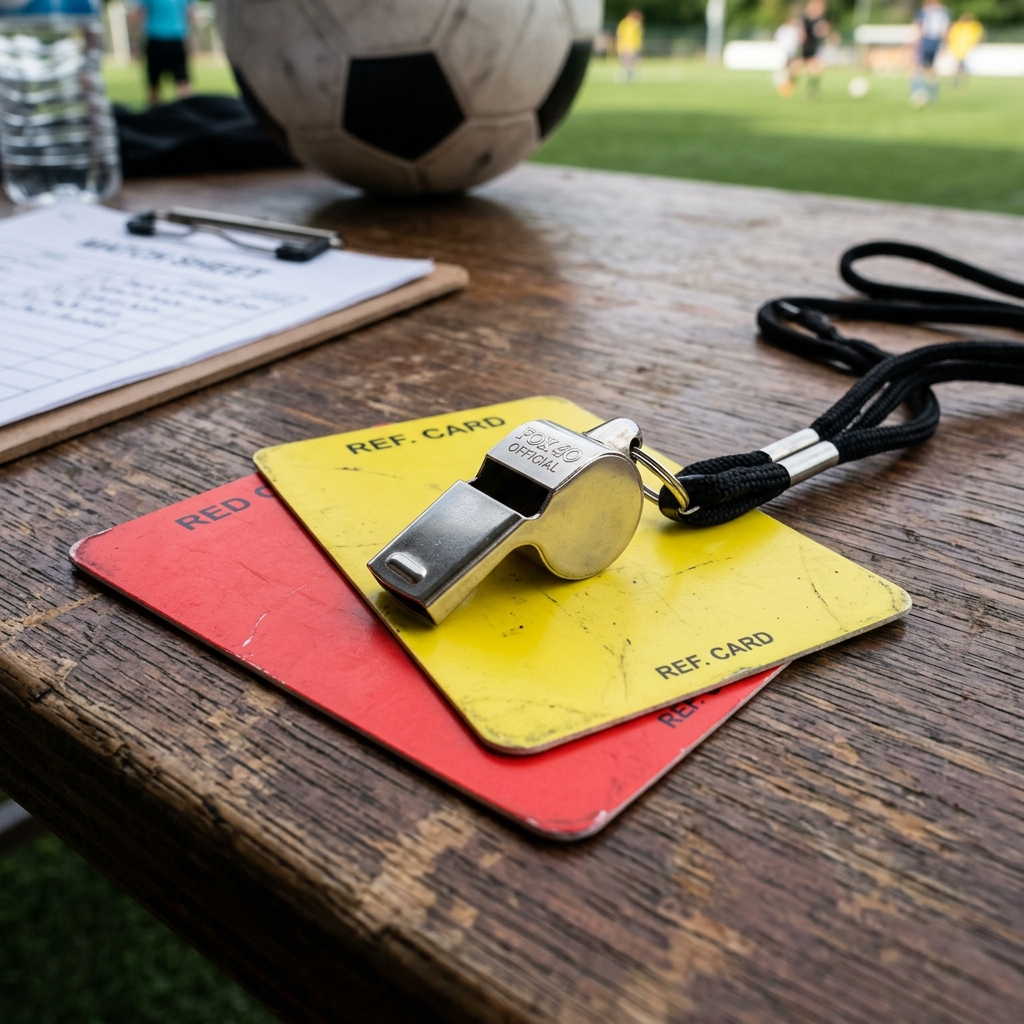
A simple push typically only results in a free kick. However, if a player pushes an opponent to break up a promising attack, the referee will issue a yellow card for unsporting behavior. If the push denies an obvious goal-scoring opportunity (DOGSO), the offending player will receive a straight red card and be sent off.
How to Legally Win Physical Battles
To succeed on the pitch without conceding fouls, players must master the art of shielding the ball and timing their shoulder charges. Positioning is far more effective than brute force.
When defending, try to establish your body position between the attacker and the ball early. When attempting a shoulder charge, keep your arm tucked against your torso and lean your weight into the opponent just as they plant their foot.
Frequently Asked Questions (FAQ)
Can a goalkeeper push a player in soccer?
No, a goalkeeper cannot illegally push a player. While goalkeepers are protected within their goal area, using their hands to shove an opponent during a corner kick or aerial duel will result in a penalty kick, just like any outfield player.
Is shielding the ball considered pushing?
Shielding the ball is not considered pushing as long as the player is within playing distance of the ball and does not use their arms to hold off the opponent. Using the body to block access is a legal tactical move.
What is the penalty for pushing in the penalty box?
If a defender illegally pushes an attacking player inside their own penalty box, the referee will award a penalty kick to the attacking team. A red or yellow card may also be issued depending on the severity.
Can you push someone who doesn’t have the ball?
No, pushing a player who does not have the ball is strictly prohibited. It is considered an off-the-ball foul, often classified as unsporting behavior, and usually results in a yellow card.
Mastering physical play in soccer requires understanding the fine line between a legal challenge and a foul. By focusing on shoulder-to-shoulder contact and avoiding the use of hands, players can dominate defensively without putting their team at risk. Keep your arms tucked, fight for the right position, and play smart.
{
“@context”: “https://schema.org”,
“@type”: “FAQPage”,
“mainEntity”: [
{
“@type”: “Question”,
“name”: “Can a goalkeeper push a player in soccer?”,
“acceptedAnswer”: {
“@type”: “Answer”,
“text”: “No, a goalkeeper cannot illegally push a player. While goalkeepers are protected within their goal area, using their hands to shove an opponent during a corner kick or aerial duel will result in a penalty kick, just like any outfield player.”
}
},
{
“@type”: “Question”,
“name”: “Is shielding the ball considered pushing?”,
“acceptedAnswer”: {
“@type”: “Answer”,
“text”: “Shielding the ball is not considered pushing as long as the player is within playing distance of the ball and does not use their arms to hold off the opponent. Using the body to block access is a legal tactical move.”
}
},
{
“@type”: “Question”,
“name”: “What is the penalty for pushing in the penalty box?”,
“acceptedAnswer”: {
“@type”: “Answer”,
“text”: “If a defender illegally pushes an attacking player inside their own penalty box, the referee will award a penalty kick to the attacking team. A red or yellow card may also be issued depending on the severity.”
}
},
{
“@type”: “Question”,
“name”: “Can you push someone who doesn’t have the ball?”,
“acceptedAnswer”: {
“@type”: “Answer”,
“text”: “No, pushing a player who does not have the ball is strictly prohibited. It is considered an off-the-ball foul, often classified as unsporting behavior, and usually results in a yellow card.”
}
}
]
}