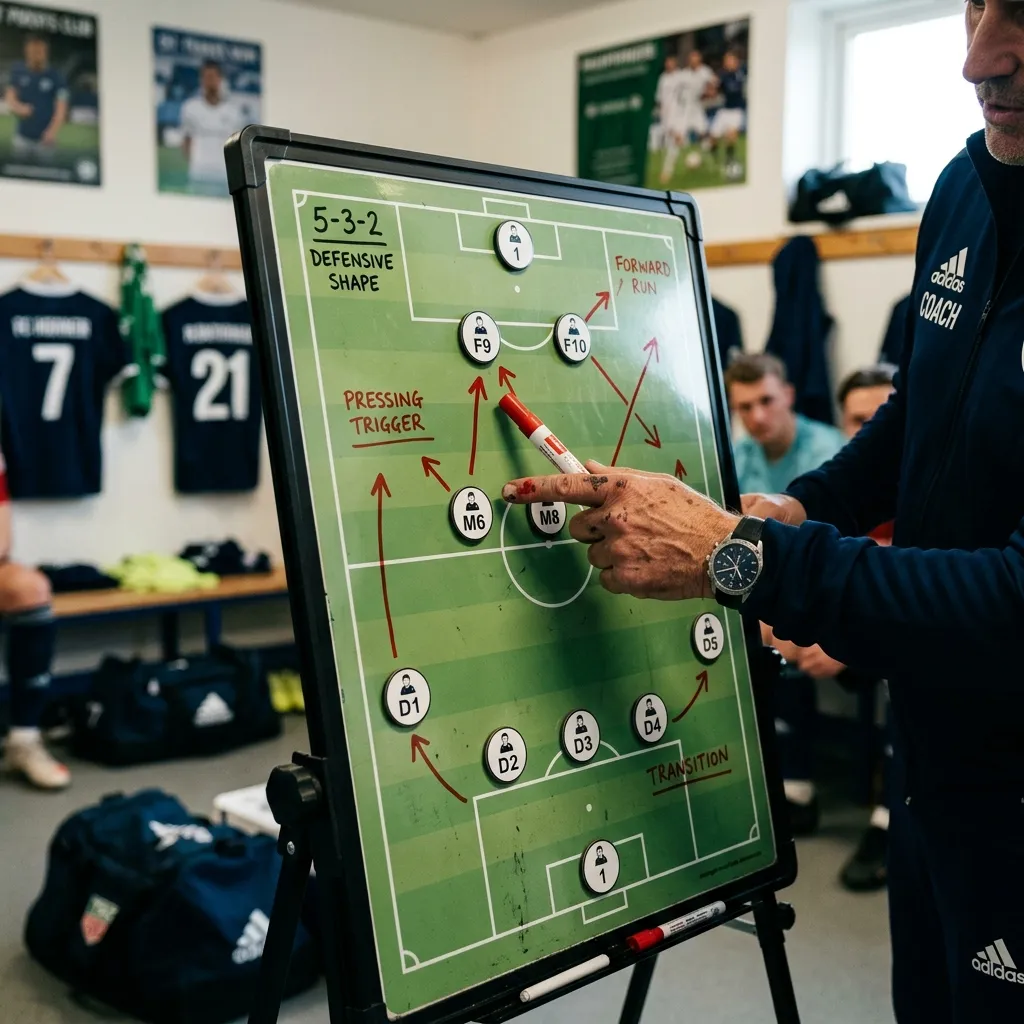
Finding the right balance in youth soccer substitutions is one of the most challenging tasks for any coach. A well-planned substitution strategy ensures fair playing time, keeps players engaged, and fosters long-term athletic development while keeping the team competitive on the field.
Quick Answer
- Prioritize development over winning: In youth soccer, equal playing time and positional rotation are crucial for building well-rounded athletes.
- Plan ahead: Map out your substitution intervals before the game begins to avoid emotional, spur-of-the-moment decisions.
- Communicate clearly: Set expectations with both players and parents at the start of the season regarding how playing time is distributed.
Contents
- Why a Proper Substitution Strategy Matters in Youth Soccer
- Key Principles of Rotating Youth Players
- Equal Playing Time vs. Competitive Development
- Positional Rotation
- Popular Substitution Strategies
- Managing Player and Parent Expectations
- Common Mistakes to Avoid
- Frequently Asked Questions
- How often should you sub in youth soccer?
- Should all youth players get equal playing time?
- How do you handle a player who dominates the game?
- Is it okay to rotate goalkeepers during a match?
Why a Proper Substitution Strategy Matters in Youth Soccer
Managing playing time effectively goes beyond simply giving everyone a chance to step on the pitch. In youth soccer, the primary goal is development. When you rotate players systematically, you provide them with the match experience necessary to improve their technical skills and game intelligence.
Furthermore, an unpredictable or emotionally driven substitution pattern can lead to frustration among players and parents. Consistency builds trust. It shows your team that you value every roster member’s contribution, which in turn boosts morale and team chemistry.
Key Principles of Rotating Youth Players
Equal Playing Time vs. Competitive Development
For younger age groups (U8 to U12), the consensus among soccer federations is that equal playing time is non-negotiable. Every player should play at least 50% of the match. As players transition to older, more competitive age groups (U13 and up), playing time might shift slightly based on commitment and tactical needs, but heavy rotation remains essential to prevent burnout and overreliance on early bloomers.
Positional Rotation
Don’t pigeonhole a fast 9-year-old as a permanent striker. Youth players need to experience the game from multiple perspectives. Rotating players through defense, midfield, and attack improves their spatial awareness and adaptability. A player who understands the defensive line will ultimately become a more effective forward.
Popular Substitution Strategies
There is no one-size-fits-all approach. Depending on your league’s rules—such as rolling substitutions or quarter-breaks—you can adopt different systems. Here is a breakdown of the most effective methods:
| Strategy | How It Works | Best For |
|---|---|---|
| The Shift System | Substitute players in blocks (e.g., entirely new midfield) every 10-15 minutes. | Younger teams (U8-U10) focusing on equal time. |
| The Pod Method | Pair players together (e.g., a strong defender with a developing one) and rotate the pod as a unit. | Integrating less experienced players smoothly. |
| Positional Chaining | Player A replaces B, B moves to C’s position, C comes off. Keeps structure intact. | Older teams (U12+) learning tactical shape. |
Managing Player and Parent Expectations
The root of most sideline drama is a lack of communication. Before the season starts, hold a parent meeting to outline your substitution philosophy. Explain that development is the priority and that playing time will be distributed fairly, though not always identically in every single match due to injuries, attendance, or tactical situations.
When subbing a player off, always give them a piece of actionable feedback. A simple “Great job tracking back, now rest and watch how the other team attacks the left side” keeps them mentally engaged even while on the bench.
Common Mistakes to Avoid
- Subbing only when trailing: Panic substitutions send a message that you don’t trust the players currently on the pitch. Stick to your pre-game plan.
- Ignoring the goalkeeper: In younger age groups, the goalkeeper position should be rotated just like outfield positions. Do not force one kid to play in goal all season.
- Subbing immediately after a mistake: This destroys a young player’s confidence. Allow them the opportunity to recover from their error and substitute them during a natural break in play.
Frequently Asked Questions
How often should you sub in youth soccer?
You should aim to substitute players every 10 to 15 minutes in younger age groups (U8-U12) to ensure everyone receives roughly equal playing time and stays physically fresh.
Should all youth players get equal playing time?
Yes, up until the U13 age group, equal playing time is widely recommended by major coaching associations to prioritize player development over winning matches.
How do you handle a player who dominates the game?
If one player is dominating, rotate them into a more challenging position, such as center-back or central midfield, where they have to focus on passing and distribution rather than just scoring goals.
Is it okay to rotate goalkeepers during a match?
Yes, rotating goalkeepers at halftime is highly recommended for youth teams so that all players develop fundamental handling skills and no one is excluded from outfield play.
Implementing a thoughtful substitution strategy is one of the most impactful things you can do as a youth soccer coach. Plan ahead, communicate clearly, and always remember that you are developing young athletes for the future, not just managing a single weekend game. Now, grab your clipboard and start mapping out your rotations for the next match!
{
“@context”: “https://schema.org”,
“@type”: “FAQPage”,
“mainEntity”: [
{
“@type”: “Question”,
“name”: “How often should you sub in youth soccer?”,
“acceptedAnswer”: {
“@type”: “Answer”,
“text”: “You should aim to substitute players every 10 to 15 minutes in younger age groups (U8-U12) to ensure everyone receives roughly equal playing time and stays physically fresh.”
}
},
{
“@type”: “Question”,
“name”: “Should all youth players get equal playing time?”,
“acceptedAnswer”: {
“@type”: “Answer”,
“text”: “Yes, up until the U13 age group, equal playing time is widely recommended by major coaching associations to prioritize player development over winning matches.”
}
},
{
“@type”: “Question”,
“name”: “How do you handle a player who dominates the game?”,
“acceptedAnswer”: {
“@type”: “Answer”,
“text”: “If one player is dominating, rotate them into a more challenging position, such as center-back or central midfield, where they have to focus on passing and distribution rather than just scoring goals.”
}
},
{
“@type”: “Question”,
“name”: “Is it okay to rotate goalkeepers during a match?”,
“acceptedAnswer”: {
“@type”: “Answer”,
“text”: “Yes, rotating goalkeepers at halftime is highly recommended for youth teams so that all players develop fundamental handling skills and no one is excluded from outfield play.”
}
}
]
}