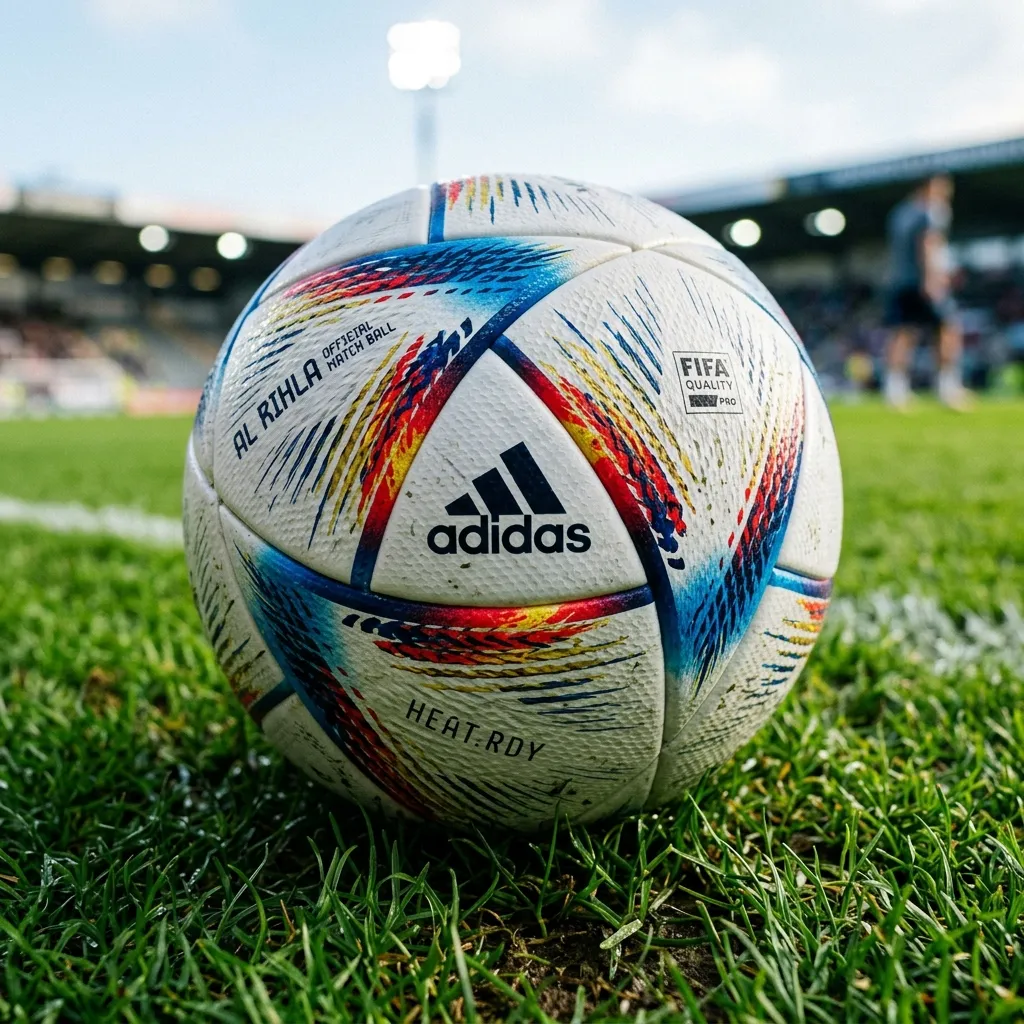
A traditional soccer ball has 32 panels, consisting of 20 white hexagons and 12 black pentagons. This iconic truncated icosahedron design was introduced by Select in the 1950s and popularized globally by the Adidas Telstar during the 1970 World Cup, providing optimal sphericity and aerodynamic stability on the pitch.
When you picture a soccer ball, the classic black-and-white 32-panel design instantly comes to mind. First engineered to ensure the ball maintained a perfectly round shape and was highly visible on black-and-white televisions, this geometry revolutionized the sport. While modern professional matches often feature balls with far fewer panels—sometimes as few as six—the 32-panel structure remains the gold standard for training and recreational play worldwide. Understanding how these geometric shapes influence flight, control, and durability is essential for players seeking the right equipment for their game.
Key Takeaways
- Classic Design: Traditional balls feature 32 panels (20 hexagons and 12 pentagons) based on the truncated icosahedron.
- Flight Stability: The 32-panel layout provides consistent aerodynamics and predictable flight paths.
- Modern Evolution: Premium match balls today often use fewer panels (6 to 14) to create a smoother surface and increase speed.
Contents
The Classic 32-Panel Design Explained
The geometric genius of the traditional soccer ball lies in its structure, known mathematically as a truncated icosahedron. This layout evenly distributes pressure across the bladder, allowing the ball to retain its perfectly spherical shape even after thousands of powerful strikes. The alternating shapes interlock to form a robust exterior.
Hexagons and Pentagons: The Perfect Mix
A classic soccer ball consists of 20 hexagons (typically white) and 12 pentagons (traditionally black). The black pentagons were originally introduced to help players recognize the spin of the ball and to make it easier for television audiences to track the action. This color contrast remains a functional and aesthetic staple in the soccer world.
Why 32 Panels?
Before the 32-panel era, soccer balls were often made of 18 rectangular leather strips, similar to a volleyball. These older balls absorbed water and lost their shape quickly. The 32-panel configuration solved these issues by creating a more uniform surface, which significantly improved the aerodynamics and predictability of the ball’s flight path.
Evolution of Soccer Ball Panels
While the 32-panel ball is historically significant, ball manufacturing technology has advanced rapidly. Modern engineering has allowed brands like Adidas, Nike, and Puma to experiment with different panel counts and shapes to alter the ball’s behavior in the air.
From Leather to Synthetics
Traditional balls were crafted from genuine leather and hand-stitched. Today, almost all quality soccer balls use synthetic materials like polyurethane (PU) and are either machine-stitched or thermally bonded. Thermal bonding eliminates the need for stitches, keeping water out and allowing for unconventional panel shapes.
Modern Panel Configurations
In recent World Cups, we have seen balls with 14 panels (Teamgeist, 2006), 8 panels (Jabulani, 2010), and even 6 panels (Brazuca, 2014). Fewer panels mean fewer seams, which creates a smoother, more uniform striking surface. This reduction in seams fundamentally changes how the air flows over the ball during flight.
How Panel Count Affects Performance
The number of panels on a soccer ball directly impacts its aerodynamics, speed, and handling. Players and goalkeepers often notice distinct differences between traditional and modern match balls.
Aerodynamics and Speed
Fewer seams reduce aerodynamic drag, allowing the ball to travel faster through the air. However, a ball that is too smooth can experience unpredictable movement—often referred to as the “knuckleball” effect. To counteract this, manufacturers now add micro-textures to the surface of 6-panel balls to stabilize their flight.
💡 Pro-Tip for Strikers
If you are playing with a modern thermally bonded ball with fewer panels, focus on striking the dead center of the ball. The lack of seams makes it much easier to generate a dip and swerve, confusing the goalkeeper.
Choosing the Right Ball for Your Game
When selecting a soccer ball, consider the level of play and the surface you will be using. A 32-panel ball is highly recommended for grassroots and youth levels because of its durability and true flight, which helps players master basic passing and shooting techniques.
⚠️ Warning
Avoid using premium 6-panel or 8-panel thermally bonded match balls on hard surfaces like concrete or asphalt. The delicate synthetic casing and seamless bonds will degrade rapidly compared to a hand-stitched 32-panel training ball.
Frequently Asked Questions
How many panels does a traditional soccer ball have?
A traditional soccer ball has 32 panels. This is made up of 20 white hexagons and 12 black pentagons that lock together to form a sphere.
Why are modern soccer balls made with fewer panels?
Modern balls use fewer panels to reduce the number of seams on the surface. This creates a smoother strike zone and lowers water absorption during wet conditions.
Do professional leagues still use 32-panel balls?
Most top-tier professional leagues no longer use 32-panel balls for official matches. They typically opt for high-tech, thermally bonded balls with 6 to 14 panels to maximize speed and performance.
What is the shape of a 32-panel ball called?
The geometric shape of a 32-panel soccer ball is called a truncated icosahedron. It is an Archimedean solid that evenly distributes internal pressure.
Ready to upgrade your gear? Whether you prefer the classic flight of a traditional 32-panel design or the explosive speed of a modern match ball, investing in the right equipment will elevate your time on the pitch. Grab your ideal ball and start mastering your technique today.
{
“@context”: “https://schema.org”,
“@type”: “FAQPage”,
“mainEntity”: [{
“@type”: “Question”,
“name”: “How many panels does a traditional soccer ball have?”,
“acceptedAnswer”: {
“@type”: “Answer”,
“text”: “A traditional soccer ball has 32 panels. This is made up of 20 white hexagons and 12 black pentagons that lock together to form a sphere.”
}
},{
“@type”: “Question”,
“name”: “Why are modern soccer balls made with fewer panels?”,
“acceptedAnswer”: {
“@type”: “Answer”,
“text”: “Modern balls use fewer panels to reduce the number of seams on the surface. This creates a smoother strike zone and lowers water absorption during wet conditions.”
}
},{
“@type”: “Question”,
“name”: “Do professional leagues still use 32-panel balls?”,
“acceptedAnswer”: {
“@type”: “Answer”,
“text”: “Most top-tier professional leagues no longer use 32-panel balls for official matches. They typically opt for high-tech, thermally bonded balls with 6 to 14 panels to maximize speed and performance.”
}
},{
“@type”: “Question”,
“name”: “What is the shape of a 32-panel ball called?”,
“acceptedAnswer”: {
“@type”: “Answer”,
“text”: “The geometric shape of a 32-panel soccer ball is called a truncated icosahedron. It is an Archimedean solid that evenly distributes internal pressure.”
}
}]
}