What color cards are in soccer complete reference chart provides the ultimate guide to understanding referee discipline on the pitch. Knowing these cards is essential for fully appreciating the tactical battles in the beautiful game.
Contents
Quick Answer
The standard color cards in soccer are the Yellow Card (caution/warning) and the Red Card (immediate dismissal). Some leagues also experiment with Orange Cards (temporary suspension) and Blue Cards (time penalties), though these are not standard FIFA regulations.
The Role of Yellow Cards: Warnings and Tactics
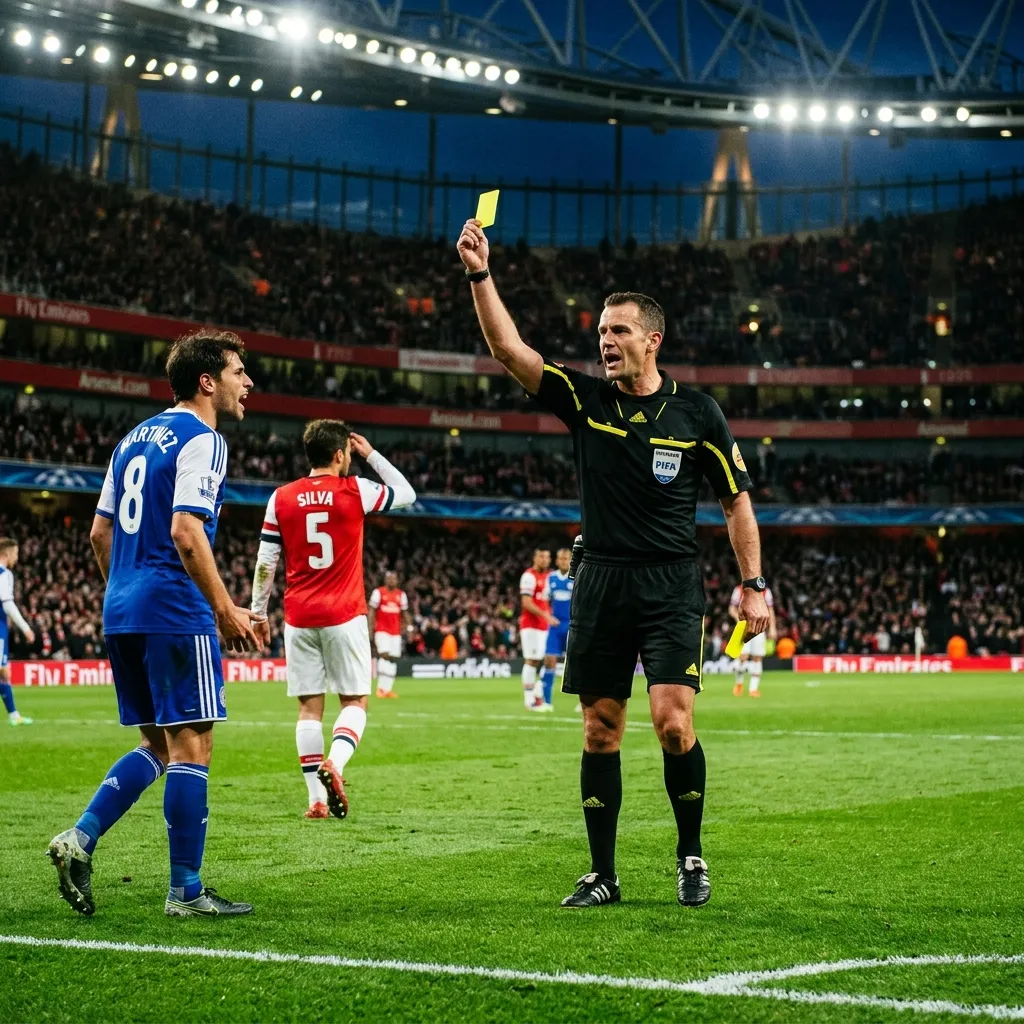
A yellow card acts as a referee’s formal caution that a player’s conduct has crossed the line of fairness. It creates a psychological pivot point where the warned player must recalibrate their aggression to avoid a second booking, which equals a red card. Coaches often adjust tactics, substituting cautioned players to protect the team from playing short-handed.
Red Cards Explained: Game-Changing Dismissals
A red card instantly alters the game’s rhythm and stakes. This ultimate form of disciplinary action forces the offending player to leave the pitch immediately, leaving their team numerically disadvantaged. Straight red cards are issued for serious fouls, violent conduct, or denying clear goal-scoring opportunities, creating dramatic storytelling moments.

Less Common Cards: Orange and Blue
While FIFA universally recognizes yellow and red, some youth and amateur competitions utilize orange or blue cards. An orange card often signals a temporary suspension (sin-bin), serving as an intermediate sanction. Blue cards are sometimes used in indoor soccer or specific regional leagues to penalize non-violent infractions like time-wasting.
Card Reference Summary
| Card Color | Meaning |
|---|---|
| Yellow | Caution/Warning |
| Red | Dismissal/Ejection |
| Orange/Blue | Temporary suspension (Non-FIFA standard) |
[contact_form]
Get our latest guides, news, and insights highlighted in your Google Search & AI Overviews.