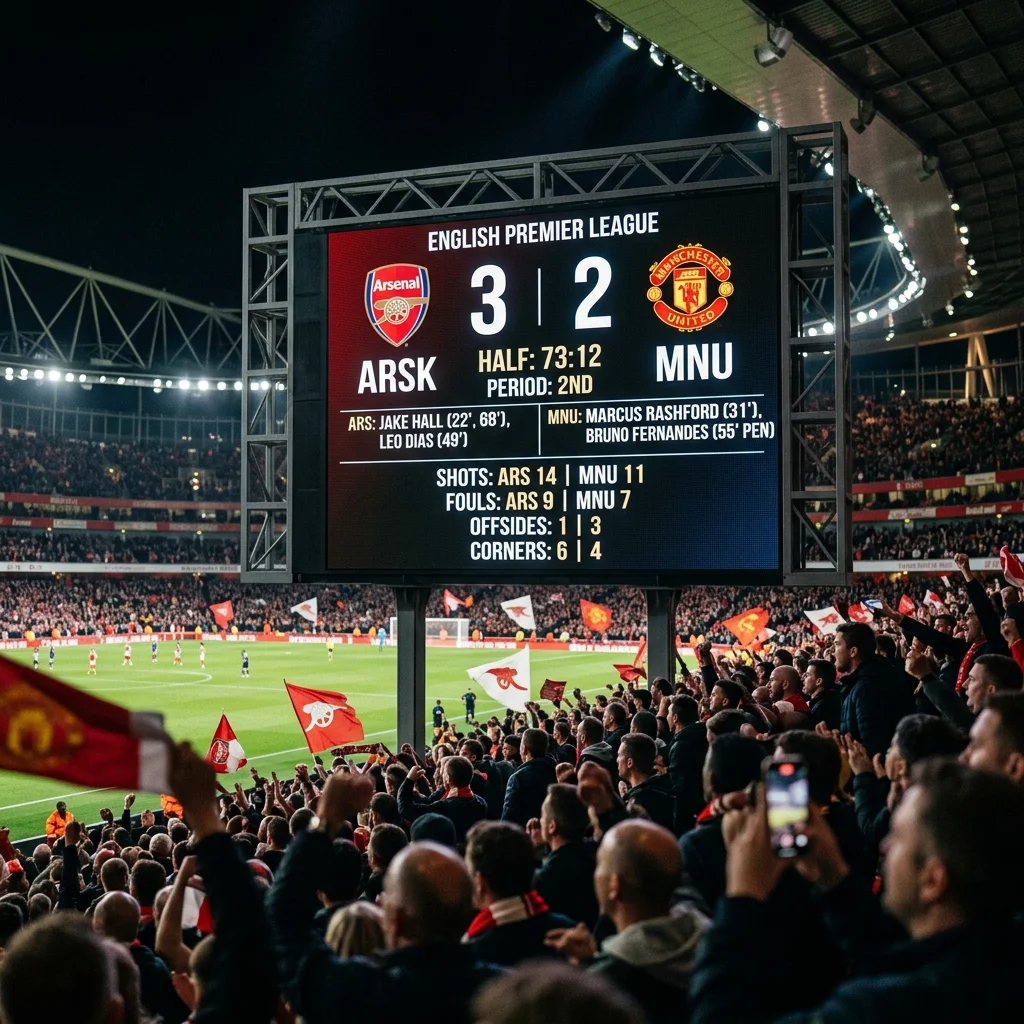
Many young athletes and their parents often wonder, “At what age can you play professional soccer?” Whether you have a child prodigy or you’re a teenager dreaming of the big leagues, understanding the eligibility criteria is crucial. The path to professional soccer is filled with strict regulations, minimum age limits, and exceptions designed to protect young players.
Contents
⚽ Quick Answer
There is generally no strict global minimum age to sign a professional contract and play in domestic leagues, though most countries require players to be at least 16 years old. However, FIFA strictly prohibits the international transfer of players under the age of 18, with a few specific exceptions (such as EU transfers or parents moving for non-soccer reasons).
1. Minimum Age Limits in Domestic Leagues
When it comes to playing for a club within your own country, the rules are dictated by the national federation and local labor laws. In the English Premier League, players can sign a scholarship at 16, but cannot sign a professional contract until they turn 17. In the United States, Major League Soccer (MLS) has no hard minimum age, allowing exceptional talents like Freddy Adu and Cavan Sullivan to sign professional Homegrown contracts as young as 14.
In South America, players can often debut extremely early. In Brazil and Argentina, exceptional players occasionally make professional appearances at 15 or 16, though clubs must comply with strict national youth labor laws.
2. FIFA Rules on International Transfers for Minors
To prevent the exploitation of young talent, Article 19 of the FIFA Regulations on the Status and Transfer of Players strictly states that international transfers are only permitted if the player is over the age of 18.
There are three main exceptions: the player’s parents move to the country for non-footballing reasons, the transfer takes place within the European Union (EU) or European Economic Area (EEA) for players aged 16-18, or the player lives near the border of a neighboring country.
3. Notable Youngsters Who Made History
History is full of prodigious talents who defied age barriers. Lamine Yamal made his debut for FC Barcelona at 15 years and 290 days, eventually starring for Spain at the Euros at 16. In the MLS, Cavan Sullivan made his professional debut at just 14 years and 293 days, breaking the record previously held by Freddy Adu. These exceptions highlight that while the standard age is 16-18, generational talents can occasionally bypass typical timelines if domestic labor laws allow.
4. Can You Still Be a Soccer Player If You’re 10 Years Old?
If young players or parents are asking, “can you still be a soccer player if your 10 years old?”, the answer is an emphatic yes. Age 10 is far from too late—in fact, U10 soccer development is widely regarded by coaches as the prime age window for building ball mastery, spatial awareness, and decision-making skills.
While official professional contract eligibility begins at 16 under most national labor laws (and FIFA minor eligibility rules govern international moves at 18), 10-year-olds enter the structured player development pathway through local grassroots training and competitive youth soccer academy programs. Scouts and academy directors look for raw technical talent and passion at age 10, giving dedicated young athletes plenty of time to develop into professional prospects by their mid-to-late teens.
Frequently Asked Questions
Can you still be a soccer player if your 10 years old?
Yes, absolutely! Age 10 is an ideal time to join competitive youth soccer academy programs and U10 soccer development pathways. While professional contract eligibility begins at 16, grassroots training at age 10 establishes the fundamental skill foundation needed for a professional career.
Can a 15 year old play professional soccer?
Yes, but it is extremely rare and depends on the country’s domestic labor laws. Players like Lamine Yamal (Spain) and Ethan Nwaneri (England) debuted at 15 in their domestic leagues.
Why can’t South American players move to Europe before 18?
FIFA’s Article 19 prevents international transfers of minors to prevent exploitation. Since South America is not part of the EU, players from Brazil or Argentina cannot officially transfer to European clubs until their 18th birthday, as seen with stars like Endrick and Vinícius Júnior.
Do you have to be drafted to play professional soccer?
In the United States, players can be drafted through the MLS SuperDraft, but it is not required. Many players sign Homegrown contracts through club academies or transfer directly from other leagues.