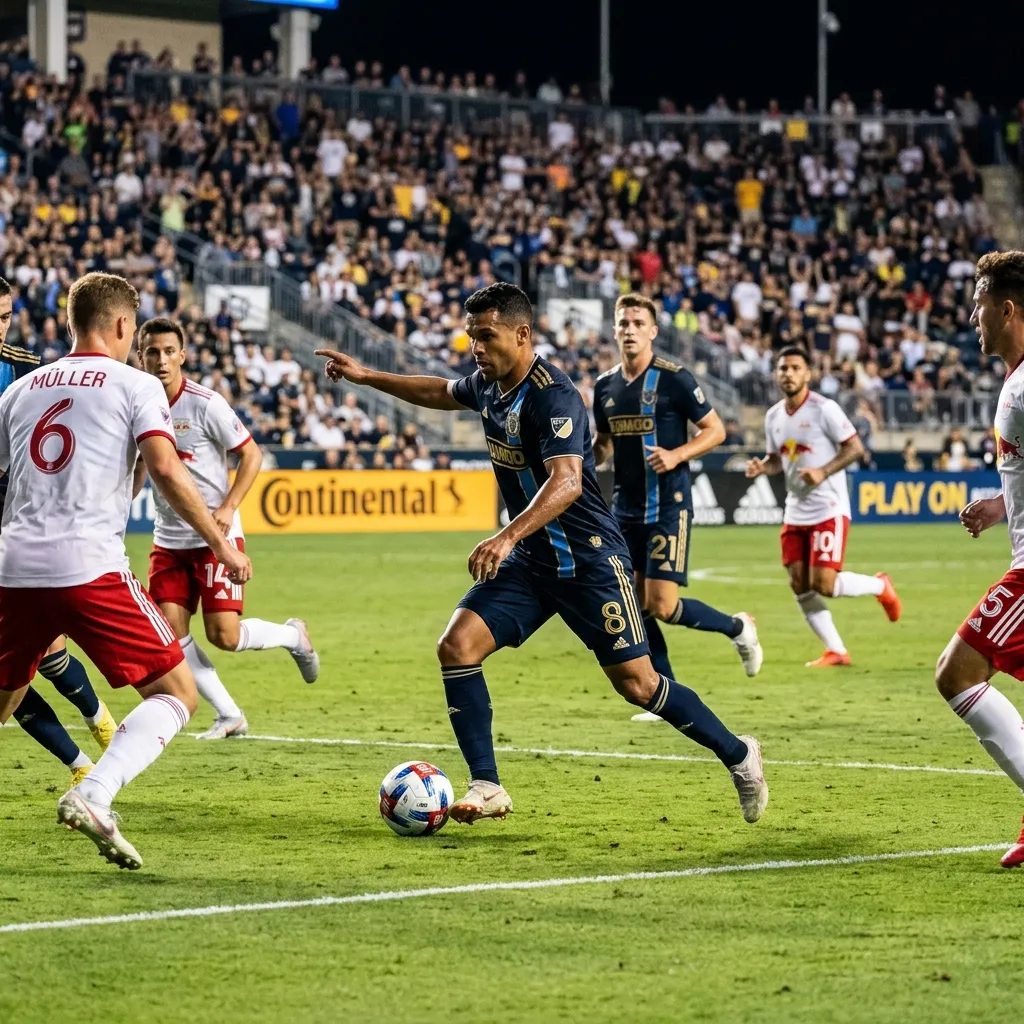
What are the consequences of a red card in soccer? When a player receives a red card in soccer, they are immediately ejected from the match, and their team must play the remainder of the game with one fewer player (down to 10 men). The ejected player cannot be substituted, and they also face an automatic suspension for at least the next match, with longer bans applied for violent conduct.
A red card is soccer’s ultimate punishment, fundamentally altering the tactical landscape of a 90-minute game. In top leagues like the English Premier League or the UEFA Champions League, teams receiving a red card face a severe statistical disadvantage. The immediate numerical deficit forces managers to abandon attacking game plans and switch to a defensive formation. Beyond the current match, the offending player faces disciplinary action that can disrupt team chemistry and long-term season goals.
Key Takeaways
- Immediate Ejection: The player must leave the pitch and the technical area instantly.
- Numerical Disadvantage: The team cannot replace the player and plays with 10 men.
- Automatic Suspensions: A standard red card triggers a one-to-three match ban depending on the severity of the foul.
Contents
- Immediate Match Consequences of a Red Card
- Long-Term Disciplinary Actions and Suspensions
- Strategic Adjustments: How Teams Survive With 10 Men
- Advanced Tactics: Forcing Red Cards
- Frequently Asked Questions
- What happens when a goalkeeper gets a red card in soccer?
- Can a red card be appealed?
- Do two yellow cards equal a red card?
- Can a coach get a red card in soccer?
- The Impact of Soccer’s Ultimate Penalty
Immediate Match Consequences of a Red Card
The moment the referee brandishes a red card, the penalized team’s strategy must change. Managers usually sacrifice an attacking player (like a striker or winger) to bring on a defensive substitute, ensuring the backline remains compact. This shift invites pressure from the opposing team.
In terms of match statistics, a team reduced to 10 men sees a dramatic drop in possession and expected goals (xG). The remaining players must cover significantly more ground, leading to rapid physical fatigue. In professional leagues, exploiting this numerical advantage is a core tactical drill.
Long-Term Disciplinary Actions and Suspensions
Red cards carry weight far beyond the final whistle. Depending on the governing body’s rulebook, suspensions vary based on the type of offense. A professional foul preventing a clear goal-scoring opportunity (DOGSO) usually results in a one-match ban. However, dangerous tackles or violent conduct can lead to severe penalties.
| Offense Type | Standard Suspension |
|---|---|
| Second Yellow Card | 1 Match |
| DOGSO (Denial of Goal-Scoring Opportunity) | 1 Match |
| Serious Foul Play / Dangerous Tackle | 3 Matches |
| Violent Conduct / Spitting | 3 to 6+ Matches |
Clubs also have internal codes of conduct. Players sent off for reckless behavior often face hefty financial fines docked from their weekly wages.
Strategic Adjustments: How Teams Survive With 10 Men
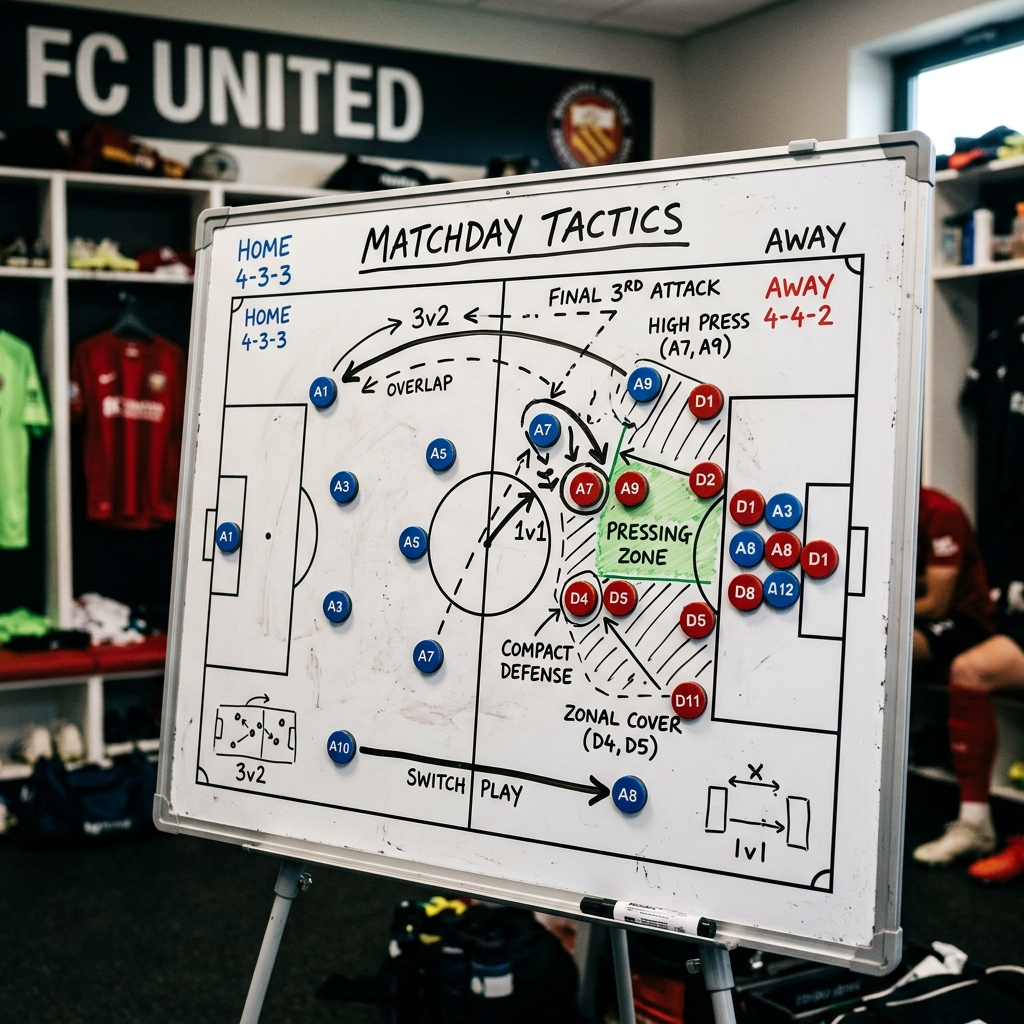
Surviving a red card requires immense tactical discipline. Teams often deploy a “low block” defensive structure, keeping two tight banks of four to deny the opposition space. Forwards drop deep to help out, and counter-attacks become the only viable offensive outlet.
If a goalkeeper receives a red card, the situation is even more critical. The team must substitute an outfield player to bring on the reserve goalkeeper. In rare cases where all substitutions have been used, an outfield player must don the goalkeeper gloves and finish the match in the net.
Advanced Tactics: Forcing Red Cards
While sportsmanship is paramount, savvy teams understand how to draw fouls and provoke opponents into making rash decisions. Quick transitions and isolating slow defenders in 1-on-1 situations often lead to desperate tackles.
However, players must be careful. Referees are trained to spot simulation (diving). Trying to illegally force an opponent’s red card can backfire, resulting in a yellow card for the instigator instead.
Frequently Asked Questions
What happens when a goalkeeper gets a red card in soccer?
The goalkeeper is ejected, and an outfield player must be subbed off so the backup goalkeeper can enter. If the team has no substitutions left, an outfield player must play as the goalkeeper.
Can a red card be appealed?
Yes, teams can appeal a straight red card if they believe the referee made a clear and obvious error. If the appeal is successful, the suspension is overturned.
Do two yellow cards equal a red card?
Yes, if a player receives a second yellow card in the same match, it automatically converts into a red card, resulting in immediate ejection and a one-match suspension.
Can a coach get a red card in soccer?
Yes, coaches and technical staff can receive red cards for abusive language, leaving the technical area, or interfering with play. They must leave the touchline and watch from the stands.
The Impact of Soccer’s Ultimate Penalty
A red card is more than just a punishment; it is a game-defining event that shifts momentum, tests team resilience, and punishes indiscipline. Understanding the profound tactical and disciplinary consequences of a red card gives fans a deeper appreciation for the fine line players walk between aggressive competitiveness and reckless behavior. Keep your eyes on the referee’s pocket during the next intense derby match, and watch how a single moment can rewrite the entire narrative.