Contents
The Honest Truth About the Soccer Clock
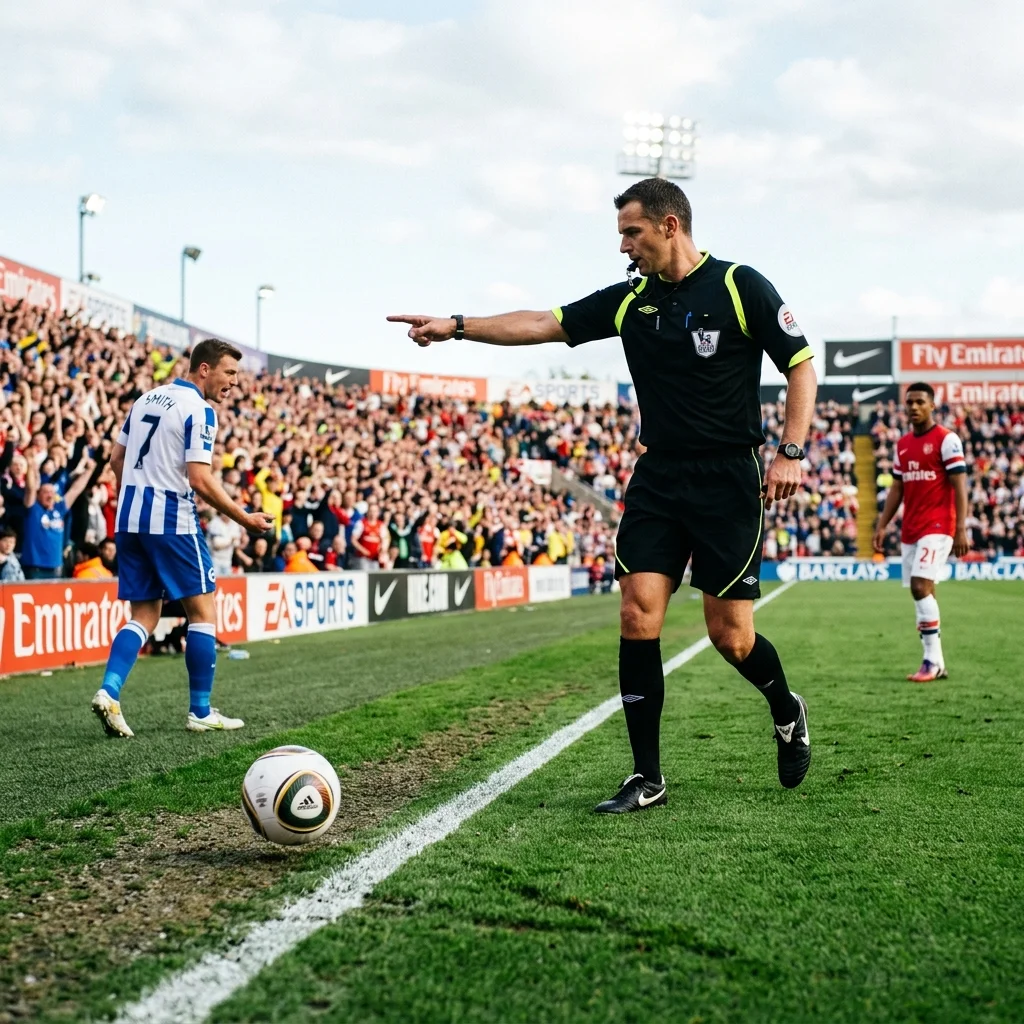
Soccer games do not stop the clock for injuries, substitutions, or fouls. Instead, the referee adds “stoppage time” at the end of the 45-minute half, making counting up the most logical timekeeping method.
Key Takeaways
- The continuous clock maintains the fluidity of the game.
- Stoppage time is added at the end of the half.
- Counting up prevents scoreboard confusion past 90 minutes.
Why Does the Clock Count Up in Soccer?
Unlike basketball, soccer uses a continuous clock. This tradition started in the 19th century because stopping the clock for every minor incident would completely ruin the game’s flow.
Understanding Stoppage Time
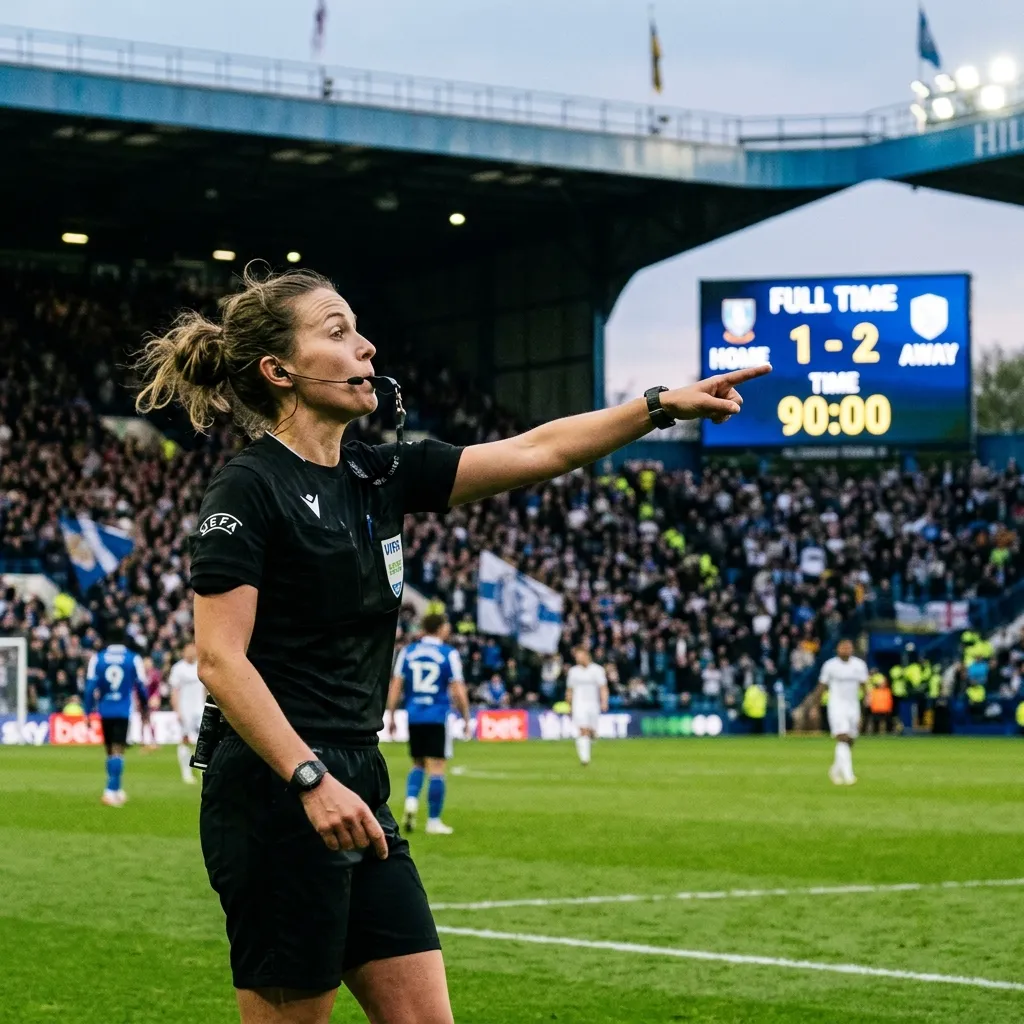
Since the clock doesn’t stop, the referee keeps track of lost time. At the end of the half, this time is added on. If a clock counted down to 0:00, it would be difficult to represent the extra 3 or 4 minutes visually.
Pros and Cons of the Continuous Clock
| Pros | Cons |
|---|---|
| Maintains the game’s fluid nature. | Encourages time-wasting tactics. |
| Easy for fans to track visually. | Subjective whistle time by the referee. |
FAQ
Why doesn’t the referee stop the clock? The referee doesn’t stop the clock to keep the game flowing seamlessly.
How long is a soccer game? A standard soccer game is 90 minutes, split into two 45-minute halves.
Ready to master your soccer knowledge? Keep exploring the rules of the beautiful game.