The average retirement age for professional soccer players is approximately 35 years old. This timeline is heavily influenced by the immense physical demands of the sport, injury accumulation, and the emergence of younger talent. While some elite athletes extend their careers into their late 30s or even 40s through sports science and rigorous conditioning, the majority transition out of active play by their mid-30s. Understanding these career trajectories provides crucial insights into the lifecycle of professional football.
Key Takeaways
- Average Age: Most professional soccer players retire between the ages of 33 and 35.
- Primary Causes: Physical wear and tear, chronic injuries, and tactical evolution are the main drivers for hanging up the boots.
- Post-Career Transitions: A significant percentage of retired players move into coaching, broadcasting, or sports administration.
Contents
- Understanding the Average Retirement Age
- Factors Influencing Soccer Player Retirement
- Physical Decline and Chronic Injuries
- Mental Fatigue and Motivation
- Case Studies of Iconic Retirements
- The Early Exit: Zinedine Zidane and Eric Cantona
- The Marathon Runners: Cristiano Ronaldo and Paolo Maldini
- Post-Retirement Opportunities for Soccer Players
- Transitioning to Coaching and Management
- Broadcasting and Sports Administration
- Finding Fulfillment Beyond Soccer
- Frequently Asked Questions
Understanding the Average Retirement Age
In the high-octane world of professional soccer, the physical toll on a player’s body is relentless. By the time a player reaches their early 30s, natural declines in pace, stamina, and recovery speed become evident. As a result, the average retirement age hovers around 34 to 35. This is the window where maintaining peak physical condition requires exponentially more effort than it did a decade earlier.
However, this average is not an absolute rule. Players in certain positions often enjoy longer careers. Goalkeepers and central defenders, whose roles rely heavily on positioning, anticipation, and experience rather than explosive speed, frequently play well into their late 30s.
Factors Influencing Soccer Player Retirement
The decision to retire is rarely straightforward and usually involves a combination of several critical factors. It marks a profound transition from a highly regimented athletic lifestyle to a completely new chapter.
Physical Decline and Chronic Injuries
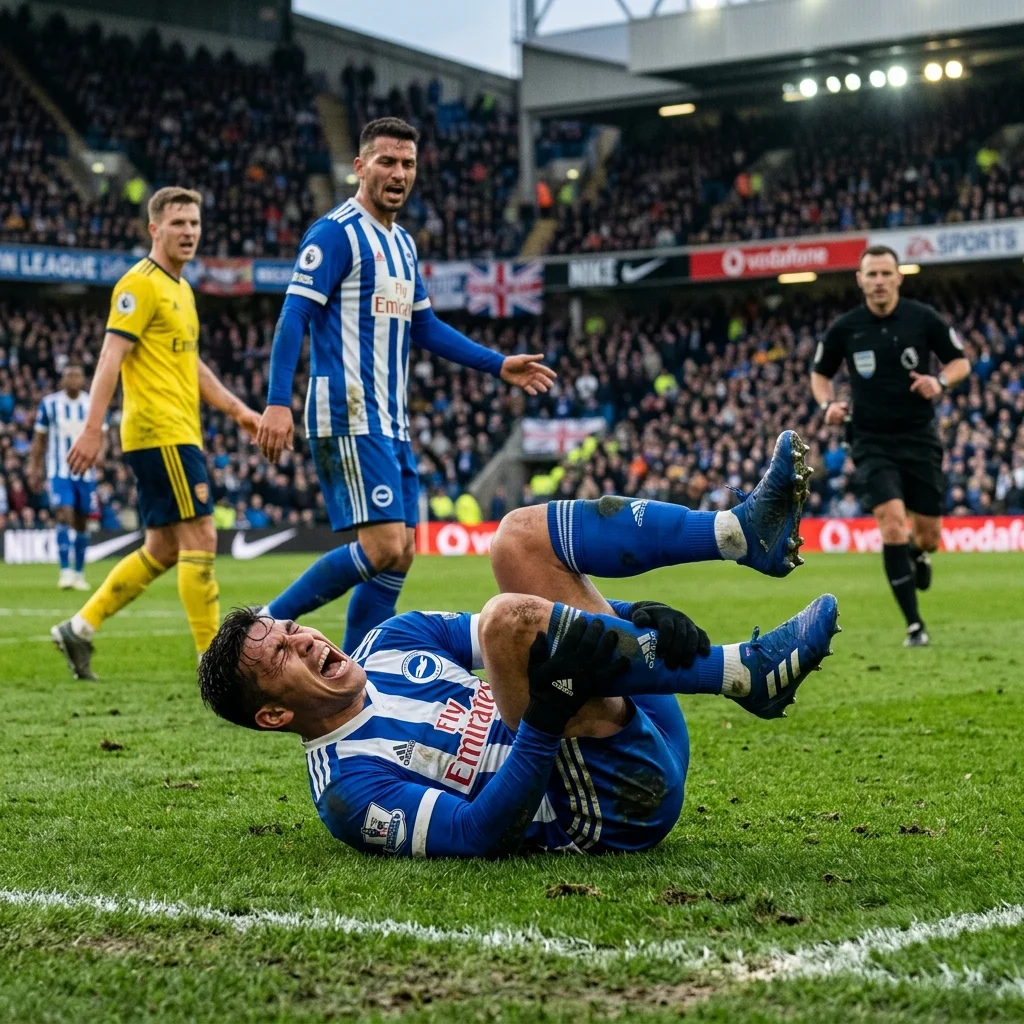
The human body can only withstand so much high-intensity running, abrupt changes of direction, and physical contact. Over a 15-year career, joint degradation, muscle strains, and severe injuries like ACL tears accumulate. For many players, chronic pain and the inability to pass stringent pre-season medicals force an early exit.
Mental Fatigue and Motivation
Beyond the physical aspects, the psychological pressure of top-flight soccer is immense. Years of living out of hotel rooms, dealing with media scrutiny, and facing intense competition for starting spots can lead to burnout. Once a player achieves their primary career goals, finding the motivation to push through another grueling season often fades.
| Position | Average Retirement Age | Primary Longevity Factors |
|---|---|---|
| Goalkeepers | 38 – 40+ | Less running; reliance on reflexes and positioning. |
| Defenders | 34 – 36 | Tactical awareness compensating for lost pace. |
| Midfielders | 33 – 35 | High stamina demands; physical burnout is common. |
| Forwards | 32 – 34 | Heavy reliance on explosive speed and agility. |
Case Studies of Iconic Retirements
Looking at legendary figures in the sport provides valuable context on how varied the retirement landscape can be. Elite players often have the luxury of dictating the terms of their departure.
The Early Exit: Zinedine Zidane and Eric Cantona
Some icons choose to leave while still operating at the absolute pinnacle of the sport. Eric Cantona shocked the world by retiring at just 30 years old, having recently won yet another Premier League title. Similarly, Zinedine Zidane retired at 34 immediately following his iconic and dramatic performance in the 2006 World Cup Final. They prioritized leaving a legacy of peak dominance over extending their playing days.
The Marathon Runners: Cristiano Ronaldo and Paolo Maldini
Conversely, sports science and fanatical dedication allow some players to defy Father Time. Cristiano Ronaldo continued to score at an elite level well into his late 30s. Italian defensive legend Paolo Maldini played for AC Milan until he was 41, using his unmatched tactical intelligence to stay ahead of much younger attackers.
Post-Retirement Opportunities for Soccer Players
Life after the final whistle can be daunting, but the soccer industry provides numerous avenues for retired professionals to stay connected to the game they love.
Transitioning to Coaching and Management
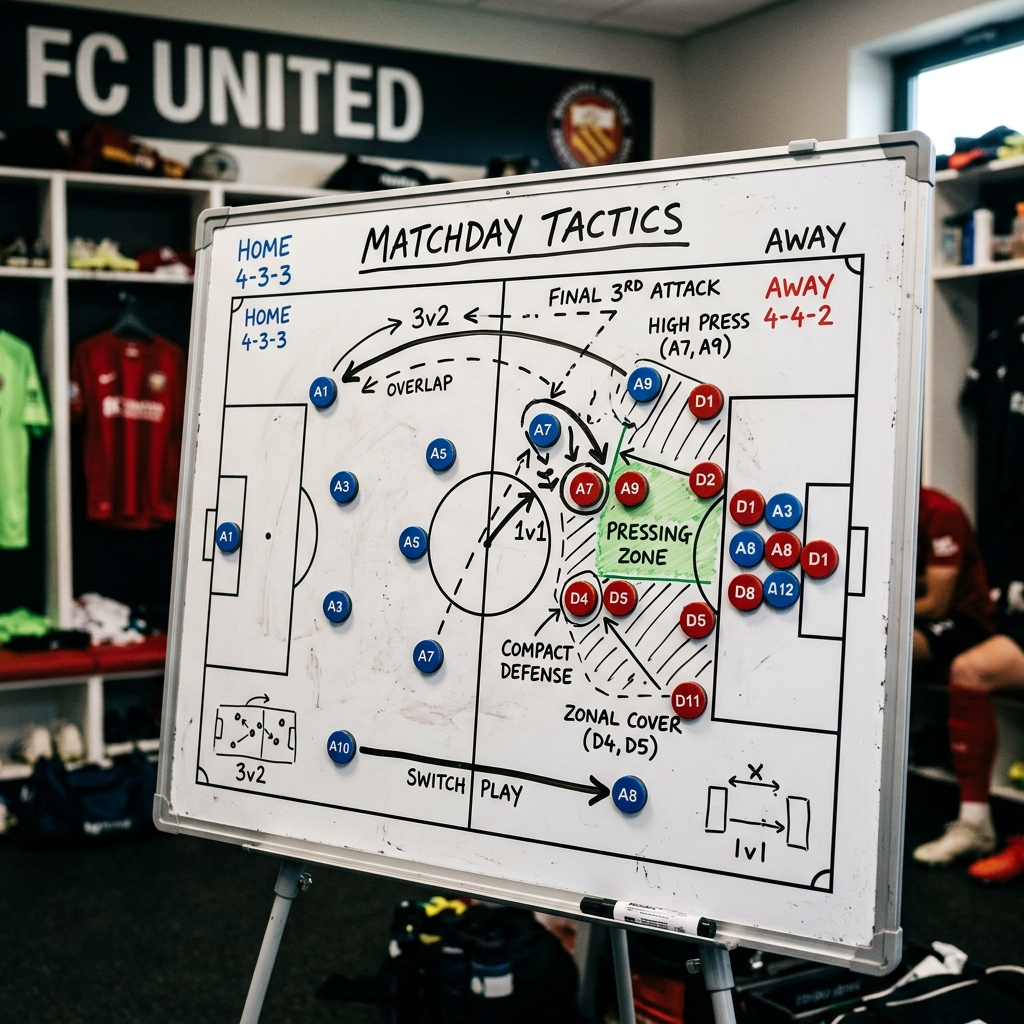
The most traditional route is moving to the touchline. Former players inherently understand locker room dynamics and high-pressure tactics. Many begin by managing youth squads before taking the helm at senior professional clubs.
Broadcasting and Sports Administration
For those who prefer not to manage, television punditry is highly lucrative and popular. Ex-players offer unparalleled insights to viewers. Alternatively, roles as Sporting Directors or executives allow retired athletes to shape a club’s long-term strategic vision from the boardroom.
Pro-Tip: Players who begin earning their UEFA or domestic coaching licenses while still actively playing significantly smooth their transition into post-retirement careers.
Finding Fulfillment Beyond Soccer
Retirement forces a profound identity shift. Athletes must discover who they are when they are no longer defined solely by their on-pitch performances. Maintaining physical health through recreational activities like swimming or cycling is crucial for mental well-being.
Furthermore, pursuing higher education or entrepreneurial ventures outside of the sports realm allows former players to nurture new skills. Building a diverse portfolio of interests ensures that life after soccer is just as rewarding as the career that preceded it.
Frequently Asked Questions
At what age do most soccer players retire?
Most professional soccer players retire between the ages of 33 and 35. This timeline can shift based on injury history, position, and the player’s ability to adapt their game as their physical attributes decline.
Do goalkeepers play longer than outfield players?
Yes, goalkeepers routinely play into their late 30s and early 40s. Their position requires far less running and physical exertion, relying instead on experience, positioning, and reflexes.
What is the main reason soccer players retire?
Physical wear and tear combined with chronic injuries is the primary reason for retirement. The inability to recover quickly between matches makes it difficult to compete at the highest level.
What do soccer players do after they retire?
A large percentage of retired players transition into coaching, sports broadcasting, or executive roles within football clubs. Others pursue entirely new business ventures or philanthropic efforts.
Understanding the lifecycle of a professional soccer player highlights the incredible dedication required to succeed at the highest level. If you are passionate about the beautiful game and want to stay updated on the latest insights, tactics, and player stories, explore our other articles on soccer strategy and history.
{
“@context”: “https://schema.org”,
“@type”: “FAQPage”,
“mainEntity”: [
{
“@type”: “Question”,
“name”: “At what age do most soccer players retire?”,
“acceptedAnswer”: {
“@type”: “Answer”,
“text”: “Most professional soccer players retire between the ages of 33 and 35. This timeline can shift based on injury history, position, and the player’s ability to adapt their game as their physical attributes decline.”
}
},
{
“@type”: “Question”,
“name”: “Do goalkeepers play longer than outfield players?”,
“acceptedAnswer”: {
“@type”: “Answer”,
“text”: “Yes, goalkeepers routinely play into their late 30s and early 40s. Their position requires far less running and physical exertion, relying instead on experience, positioning, and reflexes.”
}
},
{
“@type”: “Question”,
“name”: “What is the main reason soccer players retire?”,
“acceptedAnswer”: {
“@type”: “Answer”,
“text”: “Physical wear and tear combined with chronic injuries is the primary reason for retirement. The inability to recover quickly between matches makes it difficult to compete at the highest level.”
}
},
{
“@type”: “Question”,
“name”: “What do soccer players do after they retire?”,
“acceptedAnswer”: {
“@type”: “Answer”,
“text”: “A large percentage of retired players transition into coaching, sports broadcasting, or executive roles within football clubs. Others pursue entirely new business ventures or philanthropic efforts.”
}
}
]
}