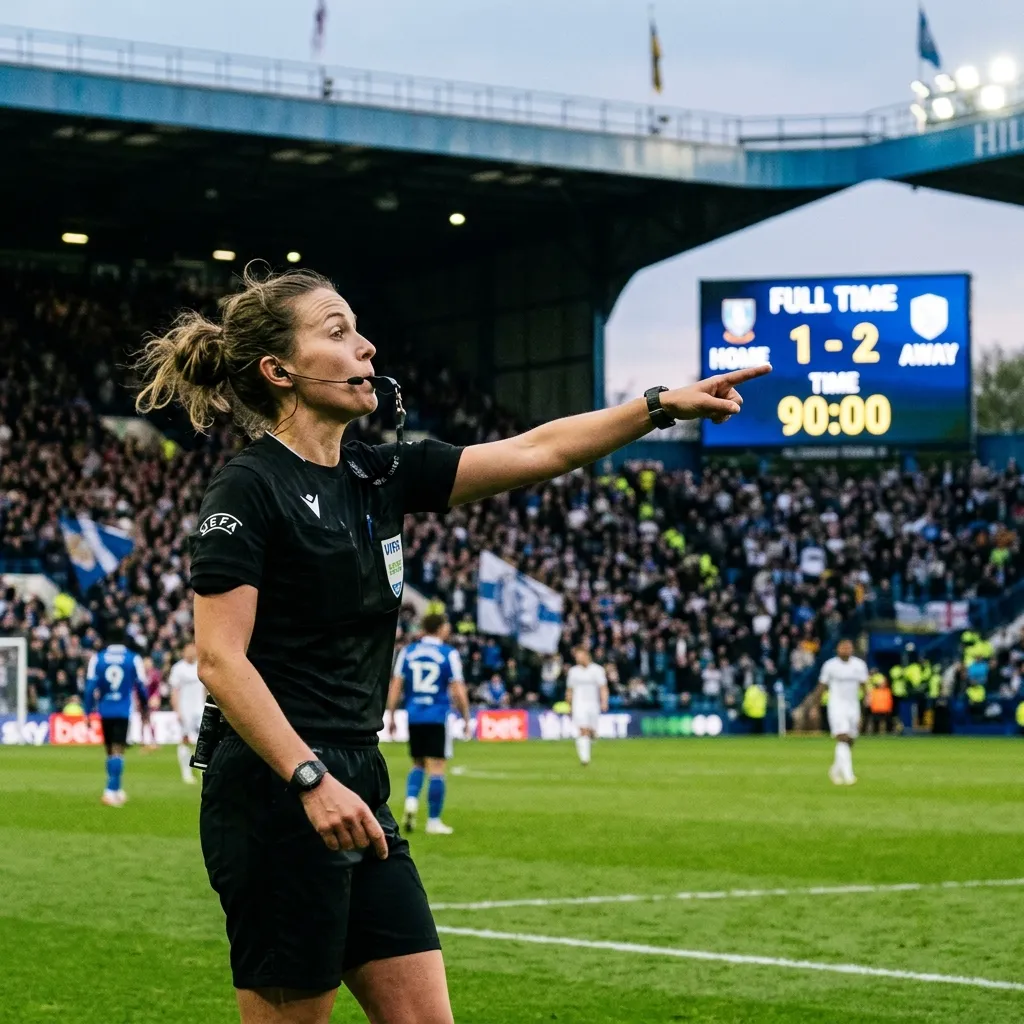
In soccer, a draw occurs when both teams score an equal number of goals by the end of standard playing time, including any stoppage time. Unlike high-scoring sports where ties are rare, soccer averages a draw rate of nearly 25% across major professional leagues. The low-scoring nature of the game makes the margin for error incredibly slim, turning a 0-0 or 1-1 outcome into a highly strategic result.
Points distribution heavily influences team behavior; a draw awards one point to each side in league play, rather than the three points given for a win or zero for a loss. Consequently, securing a draw against a superior opponent or in a hostile away environment is often celebrated as a tactical victory rather than a missed opportunity.
Quick Answer
- A draw happens when both teams have the same score after 90 minutes plus stoppage time.
- In league competitions, a draw earns each team one point, making it a valuable tactical outcome.
- In knockout tournaments, a draw leads to extra time and potentially a penalty shootout to determine a winner.
Contents
- What Constitutes a Draw in Soccer?
- The 90-Minute Rule
- Knockout Stages and Tournament Play
- Why Do Soccer Matches End in a Draw So Often?
- The Strategic Value of a Draw
- Playing for a Tie
- Impact on League Standings
- Advanced Insights: The Psychology of a Stalemate
- Frequently Asked Questions
- What is a draw in soccer?
- Can a soccer game end in a 0-0 draw?
- Do both teams get points for a draw?
- What happens if a knockout game ends in a draw?
- Are draws more common in certain soccer leagues?
What Constitutes a Draw in Soccer?
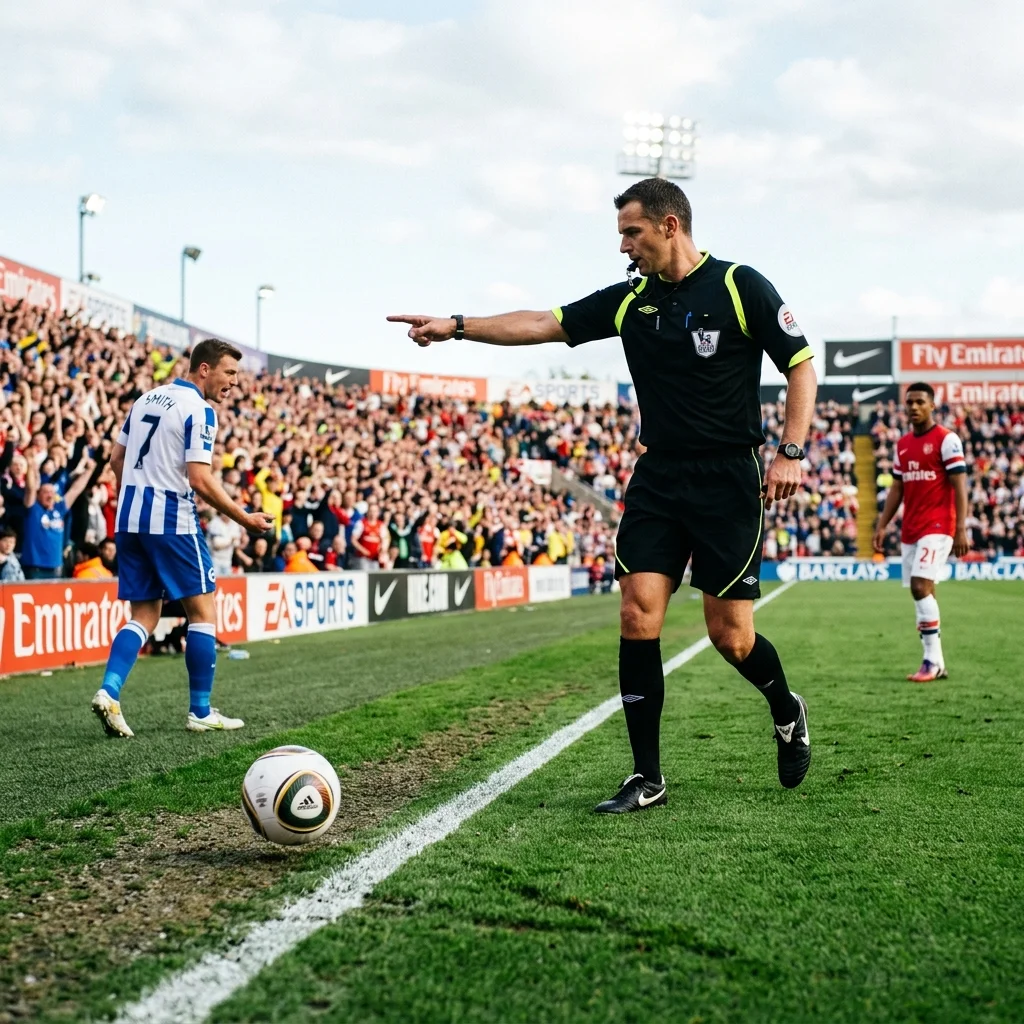
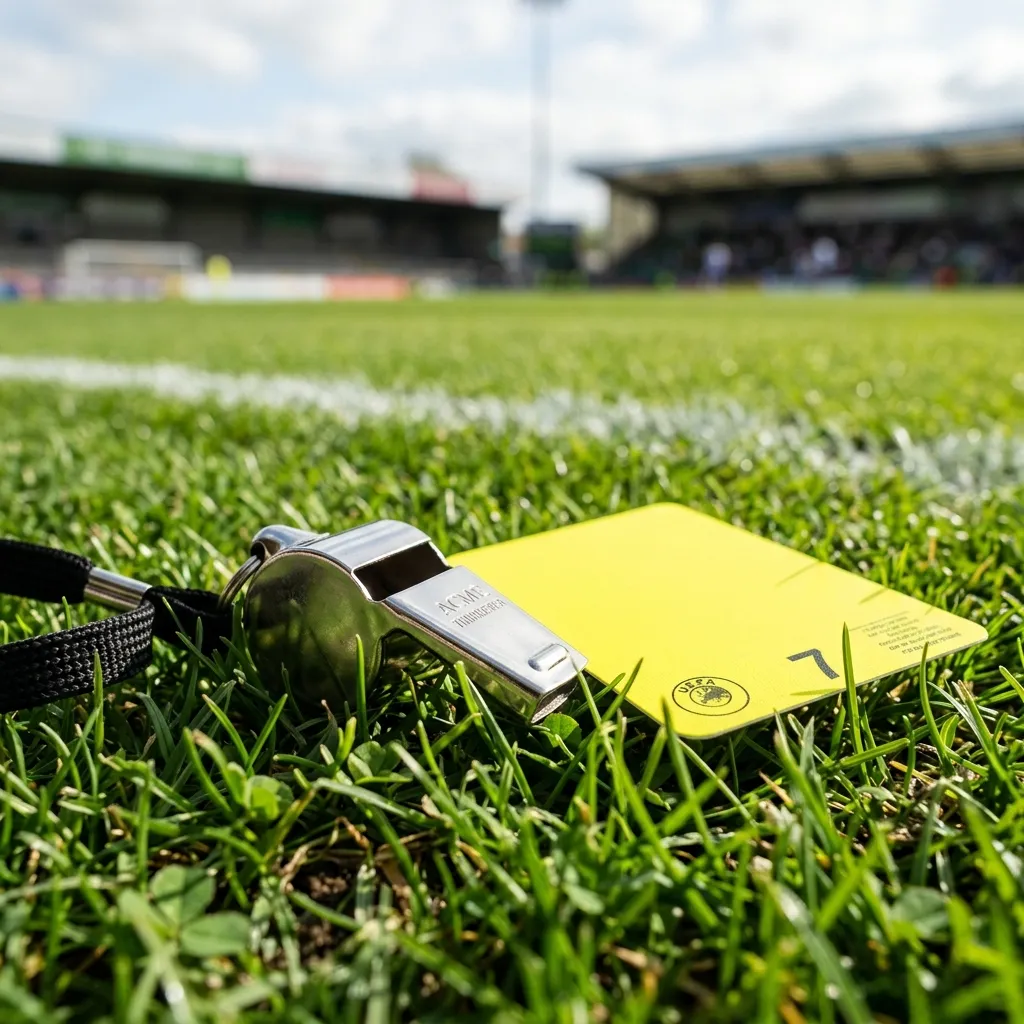
A draw is officially recorded when the referee blows the final whistle at the end of regulation time and the scoreline is level. Standard regulation time consists of two 45-minute halves, plus any additional stoppage time added for injuries or delays. The rules governing a draw depend entirely on the competition format.
The 90-Minute Rule
In standard league formats, such as the English Premier League or Major League Soccer (MLS), matches conclude after 90 minutes and stoppage time. If the score is tied, the match ends as a draw. Neither extra time nor penalty kicks are utilized. Both teams walk away with a single point added to their season standings.
Knockout Stages and Tournament Play
When a winner must be determined, such as in the FIFA World Cup knockout stages or domestic cup finals, a draw at the end of regulation is not the final result. The match proceeds to extra time, consisting of two 15-minute halves. If the score remains tied, a penalty shootout decides which team advances. Statistically, the match is still recorded as a draw for historical records, but one team progresses.
Why Do Soccer Matches End in a Draw So Often?
Soccer is notoriously low-scoring compared to basketball or American football. A single goal drastically alters the momentum, making defensive solidity a priority for many managers. When two evenly matched teams prioritize not losing over trying to win, a stalemate is the most likely outcome.
The Strategic Value of a Draw
The introduction of the three-points-for-a-win system in the 1980s was designed to encourage attacking play and reduce draws. Despite this, the one point gained from a draw remains a critical asset in a team’s campaign.
Playing for a Tie
Managers facing relegation or battling for a top-four finish often calculate their season point targets meticulously. Securing a draw against a top-tier team is considered a successful result. In these scenarios, teams will adopt compact formations, waste time tactically, and minimize risk-taking in the final third.
Impact on League Standings
A string of draws can be deceptive. While remaining undefeated sounds positive, accumulating only one point per match slows progression up the league table. For example, a team with three draws earns 3 points, whereas a team with one win and two losses also earns 3 points. Balancing the safety of a draw against the necessity of a win is a core component of modern soccer strategy.
Advanced Insights: The Psychology of a Stalemate
The dynamic of a game shifts dramatically in the final ten minutes if the score is tied. The risk of conceding a late goal often outweighs the reward of scoring one. This psychological barrier leads to conservative play. Substitutions become defensive, and the tempo of the match slows down intentionally.
However, if a team is desperate for three points to avoid relegation, they will commit more players forward. This desperation disrupts the standard draw dynamic, often resulting in dramatic late goals that break the tie.
Frequently Asked Questions
What is a draw in soccer?
A draw in soccer occurs when both teams have scored the exact same number of goals by the end of the match. This means there is no clear winner, and each team is awarded a single point in league play.
Can a soccer game end in a 0-0 draw?
Yes, a 0-0 draw is a very common outcome in soccer. It occurs when neither team manages to score during the 90 minutes of regulation and stoppage time.
Do both teams get points for a draw?
Yes, in a standard league format, both teams receive exactly one point for a draw. This is added to their total points in the league standings.
What happens if a knockout game ends in a draw?
If a knockout game ends in a draw, the match goes into 30 minutes of extra time. If the score is still level, a penalty shootout determines the advancing team.
Are draws more common in certain soccer leagues?
Yes, heavily tactical leagues like Italy’s Serie A historically feature a slightly higher percentage of draws compared to open-play leagues like the German Bundesliga.
Mastering the art of securing a point when a win is out of reach is what separates championship-winning teams from the rest of the pack. To elevate your understanding of the beautiful game, explore our deeper tactical breakdowns.