Every passionate soccer fan has felt their heart race when the referee brandishes a yellow card-an iconic moment that can shift the tide of a game in an instant. But why exactly do players receive thes cautions,and what do they signify beyond merely halting the flow of play? Understanding the reasons behind yellow cards is key to appreciating the delicate balance of skill,strategy,and sportsmanship that defines the beautiful game.Whether it’s a tactical foul to stop a promising attack or an emotional reaction on the field, these warnings reveal much about a player’s mindset and a team’s strategy under pressure.For fans eager to deepen their grasp of soccer’s nuances, unlocking the story behind yellow cards enriches every match experience, turning every whistle into a thrilling narrative twist. As we explore the rules, past moments, and voices from the pitch, you’ll gain fresh insight into how these moments of caution shape the drama and artistry of soccer, celebrating both its intensity and its spirit.
Contents
- What Exactly Is a Yellow Card in soccer?
- Key Functions of a Yellow Card
- Common Offenses That Lead to Yellow Cards
- Typical Infractions Leading to Caution
- The Referee’s Role: When and Why Cards are Issued
- How Referees Gauge the Need to Caution
- Famous Matches Defined by Game-Changing Yellow Cards
- Moments When Caution Changed the Game
- How Yellow Cards Affect Player Behavior and Team Strategy
- Differences Between Yellow Cards and other Cards Explained
- Key Differences Between Card Types
- controversies and Debates Surrounding Yellow Card Decisions
- Memorable Matches and the Yellow Card’s Controversial Legacy
- How Players and Coaches React to Receiving Yellow Cards
- Practical Advice for Players and Coaches Navigating Yellow Card Challenges
- Understanding the Impact of Accumulated Yellow Cards
- Strategizing Around Accumulated Cautions
- Historical Evolution of the Yellow Card in Soccer
- Shaping the Game and Player Conduct
- Lessons for Fans and Practitioners
- What Fans Can Learn from Yellow Card Statistics and Trends
- Decoding Caution Patterns for Deeper Match Insight
- Frequently asked questions
- Q: How do yellow cards influence a player’s mindset during high-pressure matches? A: Yellow cards can significantly affect a player’s mindset by increasing caution and self-control to avoid a second booking.Players often adjust their aggression and decision-making, balancing competitive intensity with tactical discipline. Understanding this psychological impact enhances appreciation of player behavior, as discussed in *How Yellow Cards Affect Player Behavior and Team Strategy*. Q: Why do referees sometimes hesitate to issue yellow cards even after clear fouls?
- Q: What role does teamwork play in managing the risk of yellow cards during a match?
- Q: How do yellow cards impact player career statistics and reputation over time?
- Q: What steps do players and coaches take to avoid second yellow cards during crucial games?
- Q: How has the perception of yellow cards changed among fans and players in modern soccer?
- Q: When do yellow cards typically escalate into red cards, and how do players prepare for that possibility?
- Q: What lessons can fans learn from tracking yellow card patterns in major tournaments?
- To Conclude
What Exactly Is a Yellow Card in soccer?
A yellow card in soccer isn’t just a piece of colored cardboard-it’s a thrilling punctuation mark in the narrative of a match, signaling a player’s first formal warning for misconduct. Introduced to bring clarity and consistency to refereeing decisions, the yellow card became an iconic symbol of discipline and control on the field after it was introduced at the 1970 FIFA World Cup. The moment a referee flashes a yellow card, it serves as an official alert: a player’s behaviour has crossed the line of fair play or sportsmanship, but ther’s still chance to improve and avoid further penalties. This simple yet powerful tool helps maintain the flow of the game by clearly communicating caution without resorting promptly to expulsive measures.
Understanding the yellow card’s role reveals how it threads into the tactical and emotional fabric of soccer. such as, when players like Sergio Ramos or Javier Mascherano received yellow cards, it frequently enough reflected their aggressive style combined with crucial defensive responsibilities-balancing passion and precision under immense pressure. Coaches frequently stress discipline as a yellow card limits a player’s freedom to challenge opponents without risking a second caution that leads to a red card and ejection. In practical terms, when watching a game, fans can view a yellow card as a pivotal moment that shapes player behavior, team strategy, and match dynamics. It’s more than a rule enforcement-it’s a dynamic interaction that resonates beyond the pitch, affecting momentum and psychological warfare between teams, all while preserving the sport’s spirit and competitive edge.
Key Functions of a Yellow Card
- Warning Device: Offers a tangible signal to players and spectators that an official reprimand has been issued.
- Behavioral Check: Encourages players to adjust their conduct immediatly, helping to prevent further fouls.
- Tactical Influence: Forces both players and coaches to adapt strategies, especially as multiple warnings can lead to suspensions.

Common Offenses That Lead to Yellow Cards
Few moments in soccer prompt as much collective tension as a referee reaching into their pocket to brandish a yellow card. This simple gesture instantly reframes the game, spotlighting a player whose actions have crossed the acceptable boundaries of conduct.But what precisely triggers this formal caution? At the heart of many bookings lie offenses that disrupt the delicate balance of fairness, flow, and respect the sport thrives on. From a tactical foul to stop a promising counterattack, to dissent voiced too loudly toward officials, these infringements embody the fierce battles on the pitch-where passion, strategy, and emotions intertwine.
Players like John Terry or Arturo Vidal have often found themselves in this line of fire,not because of malicious intentions,but because their combative style pushes limits. A common scenario includes reckless tackles that endanger opponents but fall short of violent conduct, or persistent infringements designed to unsettle rhythm rather than outright brutality. Often, the yellow card responds to unsporting behavior: time-wasting to protect a lead, purposeful handballs to halt play, or delaying restarts to rattle the opposition. These actions, though subtle, shift momentum and provoke strategic recalibrations by coaches mindful that a second caution means expulsion-and a lasting impact on the contest’s narrative.
Typical Infractions Leading to Caution
- Unsporting behavior: Includes dangerous tackles,simulation (“diving”),and preventing goal-scoring opportunities unfairly.
- Dissent by Word or Action: Arguing with the referee or showing disrespect toward officials, disrupting authority on the field.
- Persistent Infringement: Repeatedly committing fouls after warnings, undermining the game’s flow and opponents’ momentum.
- Delaying the Restart of Play: Tactics such as holding onto the ball, feigning injury, or kicking it away to gain precious seconds.
- Failure to Respect Required Distance: On free kicks, corners, or throw-ins, encroaching on the opponent’s space preemptively.
these guidelines offer fans a lens through which to appreciate the referee’s tough calls. Legendary managers like Pep Guardiola emphasize discipline, reminding players to “play the game with intelligence,” while defenders famous for their grit admit that a timely yellow card forced them to refine timing and tackle selection. Recognizing these common offenses doesn’t just enrich viewing pleasure-it invites fans to admire the razor-thin margins between competitive edge and rule breaches, celebrating soccer’s relentless drama and ever-present tension.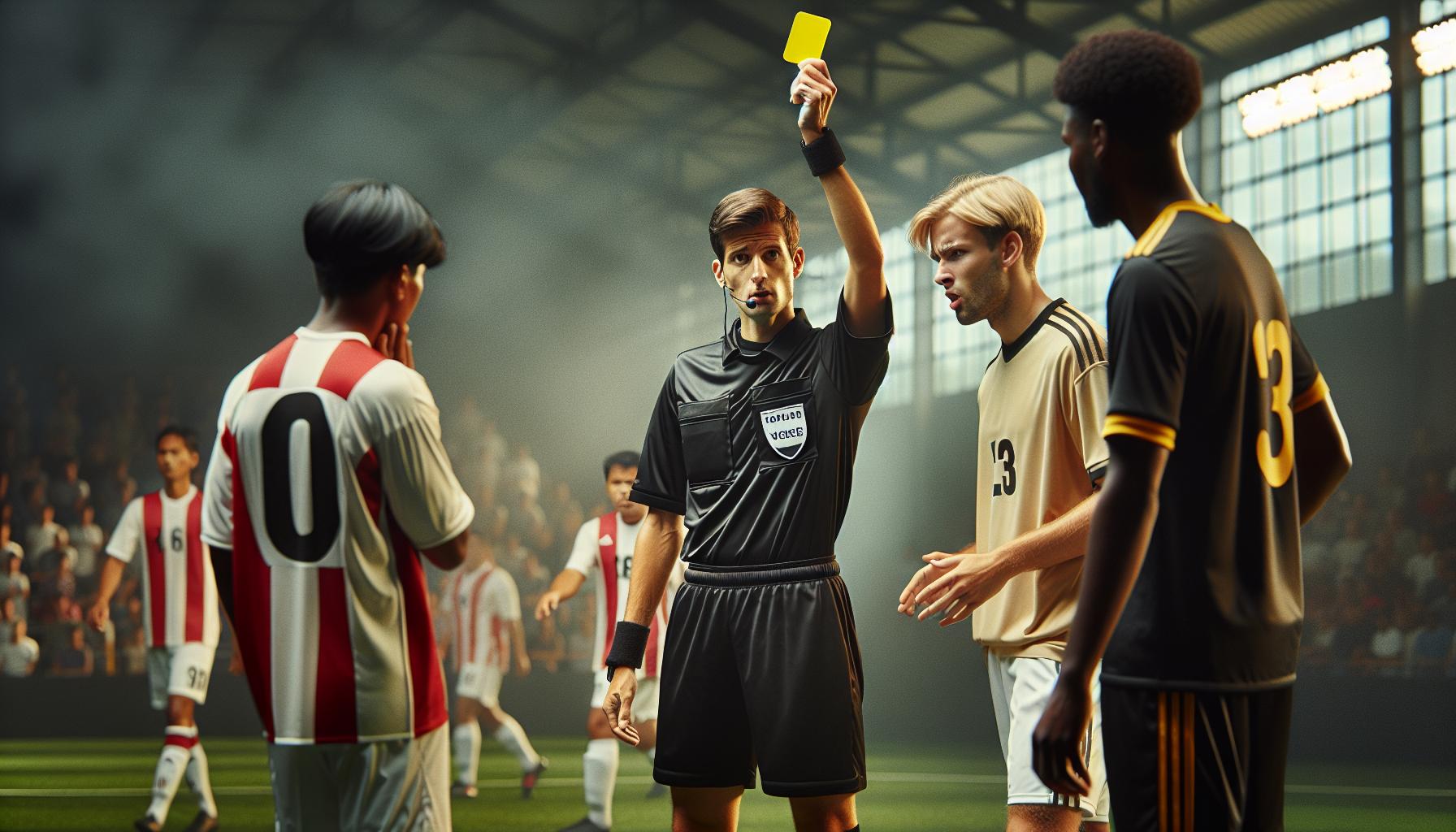
The Referee’s Role: When and Why Cards are Issued
Few decisions influence the rhythm and intensity of a soccer match more than a referee’s issuance of a yellow card. This moment demands not only acute judgment but also a deep understanding of the game’s fluid reality. Referees navigate a complex landscape where split-second calls can alter momentum, discipline players, and uphold the spirit of fair play. Their role transcends mere law enforcement-they are stewards of the match’s integrity, balancing strictness with empathy as they discern when an infraction crosses the line from a minor slip to a caution-worthy offense.
Experienced referees frequently enough look beyond the letter of the law, reading the narrative unfolding on the pitch. for example, a tactical foul to stop a swift counterattack might ordinarily warrant a warning, but if the player has already exhibited reckless behavior earlier, the yellow card serves as a clear signal to control aggression. Legendary referee Pierluigi Collina once noted, “A yellow card should feel like a referee’s handshake, a mutual acknowledgment that the game is still a shared respect.” The timing and reason for a caution are thus as much about managing game flow as they are about penalizing misconduct. Players like Sergio Busquets,known for smart positional play mixed with strategic fouls,reflect how referees weigh intent and impact,cautioning only when actions threaten safety or fairness.
How Referees Gauge the Need to Caution
- Severity and Intent: Was the foul reckless or simply mistimed? Did the player deliberately disrupt play or show dissent?
- Game Context: Late-game tactical fouls might earn warnings to preserve discipline, whereas early repeated offenses prompt firmer responses.
- Accumulated Behavior: Persistent infringement after verbal warnings frequently enough triggers a formal caution to maintain authority.
- Player and Team Influence: Managing player emotions and team dynamics to prevent escalation sometimes necessitates timely cards.
Understanding these nuances gives fans insight into the referee’s challenging task and highlights how a well-timed yellow card often preserves the competitive balance, ensuring the match remains a compelling contest defined by skill and respect rather than chaos.
Famous Matches Defined by Game-Changing Yellow Cards
Few moments in soccer history illustrate the razor-edge of tension and consequence quite like those sparked by a single yellow card. These cautionary flags, wielded by referees, have not only shaped match outcomes but also etched unforgettable chapters in the sport’s collective memory. Take the 2006 FIFA World Cup final, for instance, where Zinedine Zidane’s infamous second yellow card for headbutting Marco Materazzi led to his sending off in his final professional match. This instance perfectly underscored how a moment of lost composure tied to a yellow card can redefine legacy, impact team morale, and alter the destiny of world football’s biggest stage. For fans, understanding these pivotal moments enriches appreciation of the delicate balance referees maintain between control and flow, and highlights the immense pressure players face knowing that one misstep on a yellow card can change everything.
Moments When Caution Changed the Game
In another historic example, the 1994 World Cup quarterfinal featuring Brazil and the Netherlands spotlighted Ronald Koeman’s tactical yellow card, which allowed his team to maintain aggressive discipline without resorting to an immediate sending off. coaches often teach players to “play smart” around yellow cards, balancing physicality with caution to avoid ejection, which can disrupt team structure. Iconic players such as Diego Maradona and Sergio Ramos have both been shaped by their yellow card experiences-Maradona’s fiery temperament led to multiple cautions early in his career that forced him to adjust his approach,while Ramos’s aggressive style necessitates masterful game management to avoid costly suspensions.
- Strategic fouls resulting in yellow cards can halt dangerous opposition attacks but come with risks-teams must adapt their tactics in real-time.
- Psychological impact: Receiving a yellow card often alters a player’s mindset, leading to more controlled, less risky behavior or occasionally fuel for rebellion.
- momentum shifts: A well-timed yellow card can galvanize a team or destabilize an opponent, swinging the match’s dynamic substantially.
Fans who delve into these stories gain a richer grasp of why referees rely on yellow cards as a tool not just for punishment but for narrative-crafting within the match drama. coaches and analysts also emphasize communication and discipline to manage players already under the yellow card cloud, indicating just how central these cautions are to competitive strategy and the art of game management. This intersection of human emotion, tactical mastery, and regulatory enforcement is what makes yellow cards so integral to soccer’s enduring allure.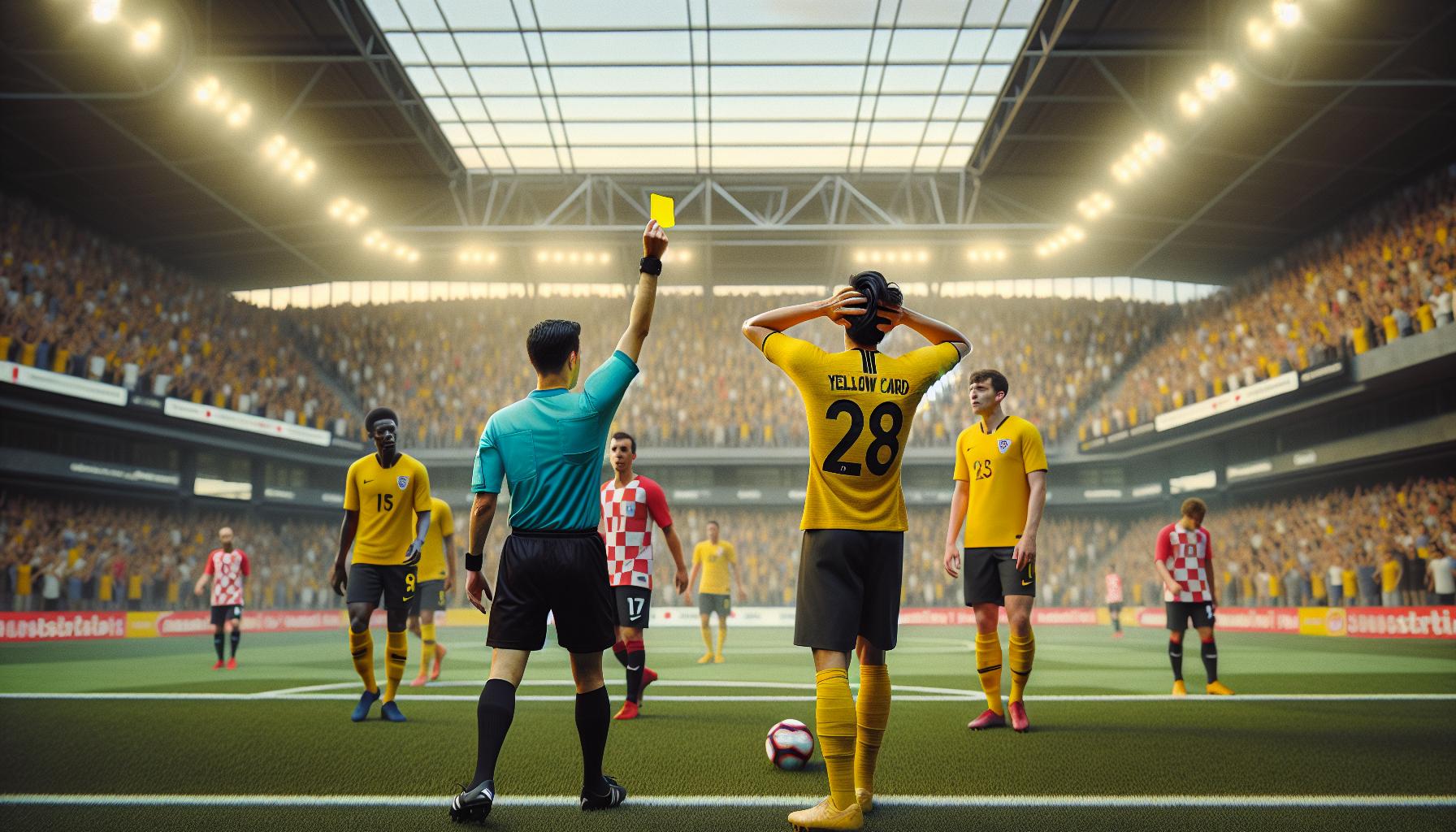
How Yellow Cards Affect Player Behavior and Team Strategy
A single yellow card can transform the mental landscape of a player and ripple through the entire team’s approach to the game. When a player receives a caution, the instinct to recalibrate behavior kicks in immediately. Some become more circumspect, consciously avoiding risky tackles or confrontational plays that could lead to a second card and expulsion. Others, though, respond differently-using the warning as fuel to sharpen focus or adopt a controlled aggression that balances intensity with discipline. This dynamic tension between restraint and determination shapes not only individual performance but also the overarching team strategy, with coaches and players alike constantly weighing the cost of physicality against the need for tactical tenacity.
Teams adapt fluidly when a key player is on a yellow card, often instructing them to modify their defensive or offensive role to minimize exposure to fouls. Legendary defenders like Sergio Ramos have mastered this balancing act, employing intelligent positioning and game management to both protect teammates and maintain an aggressive edge without crossing the line.Coaches frequently deploy targeted communication strategies, such as subtle gestures or timely halftime talks, to reinforce discipline and focus for cautioned players. This nuanced approach is pivotal during high-stakes matches, where one reckless challenge can trigger cascade effects, including momentum swings or forced substitutions. The interplay between psychological restraint and tactical adaptation arguably elevates soccer’s drama-offering fans a richer appreciation for how yellow cards influence not just individual behavior but the pulse and flow of the entire contest.
- Players often adopt risk-averse maneuvers once booked, prioritizing clean play to avoid suspension.
- Coaches may instruct shifts in player roles to shield cautioned individuals from high-risk situations.
- Teams leverage tactical fouls tactically to disrupt opposition momentum while managing the dangers of additional bookings.
Differences Between Yellow Cards and other Cards Explained
Few moments in soccer convey as much tension, consequence, and tactical nuance as when the referee reaches for a card.While the yellow card stands as the official’s primary tool for issuing cautions, understanding its nuances alongside the red card-and the far less common but equally notable blue card in some competitions-illuminates the sport’s layered disciplinary system. Each card carries a distinct weight that extends beyond mere punishment, shaping player behavior, team dynamics, and even the psychological chess match unfolding on the pitch.
The yellow card is fundamentally a formal warning-a signal that a player’s conduct has crossed a line but doesn’t yet warrant immediate expulsion. It addresses offenses ranging from unsporting behavior to persistent infringement, allowing referees to temper the game’s intensity without drastically altering the playing field. Contrastingly,the red card is the ultimate sanction: an unequivocal dismissal that removes a player from the game,forcing their team to compete with numerical inferiority. Notable examples like Zinedine Zidane’s infamous red card in the 2006 World Cup final highlight how a single moment can irrevocably swing a match’s outcome. Additionally, some leagues and tournaments use a blue card to signal temporary suspensions or particular fouls, adding nuance to managing escalating misconduct. For fans and players alike, recognizing these distinctions is essential, as it enhances appreciation for the referee’s role in balancing fairness with flow.
Key Differences Between Card Types
- Yellow Card (Caution): Indicates a warning. Accumulation may lead to suspension in future matches.
- Red Card (Sending Off): Direct expulsion from the current game; uniform reduction affects team strategy immediately.
- blue Card (Temporary Suspension): Utilized in some competitions to pause a player off the field for a brief period, similar to a penalty box.
Understanding these differences equips fans with deeper insight when watching intense encounters-why a heated tackle only draws a yellow, or why tactical fouls sometimes avoid harsher punishment.it also helps players and coaches devise strategies to manage risks, ensuring discipline does not derail team ambitions. The dialogue between these cards tells a compelling story about control, respect, and the relentless pursuit of victory within soccer’s beautiful game.
controversies and Debates Surrounding Yellow Card Decisions
Few elements ignite passionate debate among fans and pundits alike quite like the issuance of a yellow card in a high-stakes soccer match. These seemingly straightforward cautions frequently enough become flashpoints where interpretations diverge sharply-was the foul truly reckless,or was it a clever tactical play? The subjectivity embedded in these decisions can shift momentum and inflame locker-room tensions. For example, during the 2010 FIFA world Cup quarterfinal between Uruguay and Ghana, Luis Suárez’s infamous handball to deny a certain goal not only earned him a red card but also led to intense discussions about fair play versus strategic sacrifice-raised yellow card scenarios frequently fuel similar debates, where the line between a necessary foul and unsporting behavior blurs. Legendary coaches like José Mourinho have voiced frustration with inconsistent carding, stressing how “officials need clarity so players understand the limits without fear of arbitrary punishment.” Such controversies push the sport to continually refine referee training and embrace technology like VAR,though even then,split-second judgments keep the drama alive.
The ripple effects of yellow card decisions extend beyond one match, deeply influencing player behavior and coaching tactics. Teams carefully manage players at risk of suspension, frequently enough instructing them to adopt a cleaner style of play or, conversely, to use tactical infractions at critical moments-calculated risks that can define entire tournament runs.Players like Sergio Ramos have become masters of walking this disciplinary tightrope, combining aggressive defence with an acute awareness of when to “hold back” to avoid costly cautions. Fans can gain richer insight by appreciating not just the card itself, but the chess match unfolding between referees and players, where every decision sends strategic ripples.To navigate these controversies effectively:
- Understand the rules: Awareness of what constitutes cautionable offenses helps decode referee choices.
- Consider context: Match intensity, rivalry, and referee style all colour how infractions are judged.
- Follow expert analysis: Insights from former players and referees can illuminate tough calls.
By embracing the complexity behind yellow cards, fans not only deepen their connection to the game’s drama but also celebrate the delicate balance between discipline and passion that fuels soccer’s enduring magic.
Memorable Matches and the Yellow Card’s Controversial Legacy
Beyond the routine, certain matches have turned yellow card decisions into pivotal moments that reshaped narratives. From Diego Maradona’s 1986 World Cup charm under pressure to recent Champions League nail-biters, each card tells a story of tension, justice, and sometimes heartbreak. These moments underscore that yellow cards, far from mere bureaucratic tools, act as powerful catalysts in the theater of soccer.
How Players and Coaches React to Receiving Yellow Cards
Few moments in soccer can shift the emotional tides of a match quite like the flash of a yellow card. For players, that single caution can transform their approach on the field-from an explosion of adrenaline-fueled aggression to a careful, calculated dance of restraint. Coaches, meanwhile, often find themselves walking a tactical tightrope, balancing the desire to maintain aggression with the hard reality of potential suspensions. Legendary figures such as Sir Alex Ferguson famously said, “A yellow card is a warning bell, not just for the player but for the entire team,” highlighting its psychological ripple effect. Players like Andrés Iniesta or N’Golo Kanté exemplify adaptive responses, seamlessly shifting their style post-caution to maintain influence without courting further risk.
The reaction to receiving a yellow card hinges heavily on the player’s experience, role, and the match context. Younger players might visibly tighten up, wary of risking a second booking that could lead to expulsion, while seasoned veterans treat it as a signal to refine their tactical fouls or positional discipline. Coaches, both on the sidelines and behind closed doors, use these moments as crucial data points within wider strategies aimed at managing squad discipline.As José Mourinho once pointed out, “Knowing when to tell a player to hold back or push forward after a yellow card can win you tournaments.” This dynamic often plays out in real time: substitutions may be called early to protect a key player, or tactical tweaks implemented to cover vulnerable areas left exposed by cautious play. For fans eager to understand these subtle yet game-defining interactions, observing player body language and coach gestures after a booking reveals a hidden chess match embedded within the game’s drama.
- Maintain Composure: Emotional reactions to a yellow card can compound risks. Staying calm allows players to think tactically rather than react impulsively.
- Strategic Communication: Coaches should provide clear, immediate guidance to booked players, helping them adjust their aggression level while staying effective.
- Anticipate Changes: Both players and coaches need to prepare for mid-game tactical shifts, including substitutions or role modifications, to safeguard against the impact of further cards.
- Learn from Experience: Reviewing past matches where yellow cards influenced outcomes can help shape smarter approaches to discipline under pressure.
By appreciating the nuanced relationship between discipline and tactical savvy,fans gain not only a deeper respect for those who manage the high-wire act of soccer’s physicality but also insight into why yellow cards remain pivotal moments rich with human drama and strategic brilliance.
Understanding the Impact of Accumulated Yellow Cards
Few moments in soccer carry the weight of accumulated yellow cards quite like the impending suspension of a key player. Beyond the immediate caution, every booking adds a layer of tactical complexity affecting not just the individual but the entire team’s game plan.A player who carries multiple yellow cards enters matches under a shadow, knowing that a single mistimed challenge could lead to a crucial absence in upcoming fixtures. This precarious balance reshapes playing styles-defenders may retreat from aggressive presses, midfielders temper their physicality, and coaches rewrite strategies to mitigate risks, all while striving to maintain competitive intensity.
The psychological impact extends into the locker room and influences team dynamics across tournaments. Iconic players like Sergio ramos and Paulo Maldini mastered this balancing act, adjusting their approach with a veteran’s composure to stay effective without courting ejection. Coaches echo this cautious artistry, often deploying targeted substitutions or shifting formations to protect athletes at risk. Understanding the nuanced management of accumulated cards offers fans deeper insight into the silent battles waged beneath the surface-where discipline becomes a currency as valuable as skill, and where split-second decisions ripple outward, shaping results and narratives alike.
Strategizing Around Accumulated Cautions
- Proactive Player Management: Coaches monitor yellow card tallies closely,frequently enough resting key players in lower-stakes games to avoid suspensions during critical matches.
- Behavioral Adjustments on the Field: Players instinctively modify their tackling technique and positional awareness to minimize further infractions while retaining influence.
- Tactical Substitutions: Substituting a player who risks a red card late in the game can preserve the team’s shape and numerical advantage.
- Communication & Mental Readiness: Open dialogue between coaches and players ensures clarity on acceptable aggression levels and reinforces situational awareness during high-pressure moments.
This intricate dance between caution and competitiveness reveals why accumulated yellow cards are more than mere statistics-they encapsulate the tension and drama that make soccer a game of both skill and strategy. For fans, appreciating these subtleties enriches the viewing experience, transforming what might seem a simple referee’s decision into a turning point filled with tactical intrigue and human resilience.
Historical Evolution of the Yellow Card in Soccer
few rules in soccer have transformed the flow and spirit of the game as profoundly as the introduction of the yellow card. First unveiled during the 1970 FIFA World Cup,this visual tool revolutionized how referees communicate discipline,creating a universal language understood by players,coaches,and fans alike. Its invention was inspired by the need to balance fairness and control without immediately resorting to sending players off. The vivid yellow card emerged as an elegant solution, offering referees a firm but tempered means to caution players for unsporting behaviors. It quickly became an iconic symbol of soccer’s evolving efforts to maintain integrity on the pitch while preserving the game’s rhythm and excitement.The yellow card’s adoption did not just bring a new emblem to matches; it also reshaped player behavior and tactical thinking across decades. Legendary figures like Franz Beckenbauer and Bobby Moore navigated the demands of discipline with poise, demonstrating that a booking could be a strategic prompt rather than a stigma. Over time, governing bodies refined the rules around yellow cards – introducing cumulative suspension systems and standardizing offenses that warrant warnings. This evolution reflects soccer’s ongoing dialogue between tradition and progress, as referees adapt to faster, more physical modern play styles while audiences crave fair, vibrant contests. For fans seeking deeper appreciation, recognizing the yellow card as both a caution and a narrative device unlocks richer stories on field battles, personal resilience, and the artful tension between aggression and respect.
Shaping the Game and Player Conduct
- From Invention to Integration: Yellow cards swiftly moved from experimental signage to essential elements of match officiating, illustrating soccer’s commitment to clarity and fairness.
- Global Consistency: FIFA’s adoption cemented the yellow card as a global standard, unifying soccer cultures, and reducing confusion across international competitions.
- Tactical Impact: Players and coaches began treating cautions as strategic signals, adjusting approaches mid-game to avoid costly suspensions in tournaments.
- Historical Milestones: Matches like England vs. Argentina in 1986 captured moments where yellow cards influenced not just outcomes, but legacies.
Lessons for Fans and Practitioners
For supporters and budding players, understanding this history enriches more than just trivia knowledge – it cultivates an appreciation for the game’s balancing act between passion and discipline. Recognizing the yellow card’s role empowers fans to read matches more astutely, anticipating not just who might be influential by skill, but who must navigate the invisible battle against accumulation. Embracing this context encourages respect for referees’ tough judgments and fosters empathy for players caught on the knife-edge between competitive fire and sportsmanship.In this shared understanding, the yellow card symbolizes soccer’s beautiful complexity – a simple piece of colored cardboard carrying stories of glory, caution, and evolution that collectively celebrate the sport’s enduring drama.
What Fans Can Learn from Yellow Card Statistics and Trends
Few moments in soccer are as telling as when a referee reaches into their pocket to brandish a yellow card-a small rectangle that frequently enough reveals volumes about a player’s style,team resilience,and the match’s tactical undercurrents. By delving into yellow card statistics, fans gain a nuanced lens for reading the game beyond goals and assists. For instance, data from major tournaments consistently highlight that teams with disciplined approaches-manifested in fewer yellow cards-tend to maintain control and composure that can influence outcomes over 90 minutes or more. conversely, players known for aggressive pressing or high-risk tackles, like Sergio Ramos or N’Golo Kanté, often walk a razor’s edge; their caution counts become critical storylines that captivate fans and analysts alike. Coaches like Jürgen Klopp have openly discussed using yellow card trends to adjust training and in-game tactics, emphasizing discipline as a strategic asset rather than merely avoiding sanctions.
Understanding patterns behind cautions also sharpens fans’ ability to anticipate pivotal moments when matches may teeter on a knife-edge. For example, when a key defender has already received a yellow card, teams might exploit this vulnerability by forcing situations where the player risks a second booking and subsequent dismissal-an insight deeply appreciated by tacticians and supporters immersed in the game’s chess-like intricacies. Moreover, emerging trends show how referees’ interpretation of fouls affects caution frequencies, reminding us that soccer’s evolving rules shape discipline statistics and, by extension, the drama on the pitch. Appreciating these layers transforms a yellow card from a mere reprimand into a dynamic narrative thread woven through tournaments and player legacies, inviting fans to celebrate soccer’s rich tactical artistry and the human battles that fuel its timeless appeal.
Decoding Caution Patterns for Deeper Match Insight
- Player Profiles and Risk Management: Recognize which players’ playing styles frequently attract cautions and how that impacts their teams’ formations and strategies.
- Match Dynamics: Track how the timing of yellow cards, such as early bookings, changes player behavior and shifts momentum during crucial phases.
- Coaching Adjustments: Learn how coaches recalibrate tactics mid-match to protect key players from further risk or to exploit opponents’ disciplinary weaknesses.
- Referee Influence: Understand how different referees’ tolerance levels influence the number of cautions, adding layers to fan interpretation of fairness and control.
Frequently asked questions
Q: How do yellow cards influence a player’s mindset during high-pressure matches?
A: Yellow cards can significantly affect a player’s mindset by increasing caution and self-control to avoid a second booking.Players often adjust their aggression and decision-making, balancing competitive intensity with tactical discipline. Understanding this psychological impact enhances appreciation of player behavior, as discussed in *How Yellow Cards Affect Player Behavior and Team Strategy*.Q: Why do referees sometimes hesitate to issue yellow cards even after clear fouls?
A: Referees may hesitate due to game flow, context, or the potential impact on match fairness. They balance maintaining control with allowing play to continue. This nuance highlights the referee’s pivotal role, further explored in *The Referee’s Role: When and Why Cards Are Issued*, inviting fans to recognize the human element in officiating.
Q: What role does teamwork play in managing the risk of yellow cards during a match?
A: Teams often communicate strategically to protect players on a yellow card by adjusting positioning or marking. Coaches may substitute at-risk players to avoid red cards,reflecting tactical shifts explored in *How Yellow cards Affect player Behavior and Team Strategy*. This teamwork aspect showcases soccer’s dynamic and adaptive nature.
Q: How do yellow cards impact player career statistics and reputation over time?
A: accumulated yellow cards can shape a player’s career, influencing reputation as disciplined or aggressive. Consistent booking may affect transfer value and selection. Fans can deepen their understanding by reviewing *Understanding the Impact of Accumulated Yellow Cards*, connecting stats with personal player stories.
Q: What steps do players and coaches take to avoid second yellow cards during crucial games?
A: Players and coaches proactively manage risks by emphasizing discipline,reviewing video footage,and modifying playstyle mid-match. Substitutions and tactical adjustments help avoid costly second yellow cards, as detailed in *How Players and coaches React to Receiving Yellow Cards*. This underlines the strategic depth behind simple-looking decisions.
Q: How has the perception of yellow cards changed among fans and players in modern soccer?
A: Modern views balance respect for the card’s disciplinary purpose with frustration over perceived inconsistencies. Fans and players often debate fairness and impact on match flow, echoing themes from *Controversies and Debates Surrounding Yellow Card Decisions*. Engaging with this evolving dialogue enriches fan perspectives.
Q: When do yellow cards typically escalate into red cards, and how do players prepare for that possibility?
A: Yellow cards escalate into red cards upon a second booking or serious offenses like violent conduct. Players prepare by staying composed and adapting play to minimize risky actions. Insight into this progression links closely with *Differences Between Yellow Cards and Other Cards Explained*, emphasizing awareness and control.
Q: What lessons can fans learn from tracking yellow card patterns in major tournaments?
A: Tracking yellow cards reveals tactical trends, referee styles, and team discipline across tournaments. Fans gain deeper strategic insights and storytelling layers, amplifying tournament coverage’s excitement as detailed in *What Fans Can Learn from Yellow Card Statistics and Trends*. This approach celebrates the sport’s rich drama and unpredictability.
To Conclude
Understanding why soccer players receive yellow cards adds a thrilling layer to every match, revealing the delicate balance between passion and discipline on the pitch. From strategic fouls to emotional outbursts, these moments shape player legacies and impact game outcomes in ways fans shouldn’t overlook. If you want to dive deeper into tactical match analysis or explore famous player profiles who’ve mastered controlling their aggression, check out our in-depth articles on soccer match strategies and player discipline stories.
Don’t miss out on staying ahead of the game-subscribe to our newsletter for exclusive insights, coach interviews, and the latest tournament coverage that bring every yellow card moment to life. Whether your curious about the rules behind red cards or eager to understand how referees influence high-stakes games, our resources will keep yoru passion fueled and knowledge sharp. Join the conversation by sharing your thoughts below, and keep coming back for expert breakdowns that celebrate soccer’s beauty, drama, and the very human stories behind every card shown.
Make StMichaelsSoccer.com a Preferred SourceGet our latest guides, news, and insights highlighted in your Google Search & AI Overviews.
✓ Preferred Source Added
Get our latest guides, news, and insights highlighted in your Google Search & AI Overviews.