Did you know that understanding player positions is often the first step toward unlocking a young soccer player’s full potential? Teaching youth soccer positions effectively not only builds confidence but also nurtures teamwork, strategy, and a deeper love for the game. For parents and coaches alike, breaking down complex roles into beginner-friendly lessons can transform how young athletes see the field-and themselves. This guide offers practical, easy-to-follow tips to help you introduce positional play in a way that’s engaging and accessible, setting the foundation for skills that players will carry through every level of competition. By focusing on clear communication,relatable examples,and the unique strengths of each player,you’ll inspire both growth and passion,making every practice and match an chance to celebrate the lovely game’s drama and charm. Dive in to discover how to connect tactics with imagination and make learning positions a thrilling part of every young athlete’s journey.
Contents
- Understanding Youth Soccer Positions: Roles and Responsibilities Explained
- Key Youth Soccer Positions and Their Core Responsibilities
- Essential Skills Every Young Player Needs for Each Position
- Fundamental Skills by Position
- Creative Strategies to Teach Positions Through Fun Drills
- How to Foster Game Intelligence and Positioning Awareness
- Practical Ways to enhance Game Intelligence and Positioning
- Building Confidence: Encouraging Youth to Embrace Their Role
- Practical Steps to Encouraging Role Confidence
- Adapting Coaching Techniques for Different Age groups and Skill Levels
- Strategies to Match Developmental Stages
- Incorporating Player Feedback and Reflection
- Using Visual Aids and Stories to Make Positions Memorable
- Practical Ideas for implementing Visual Aids and Stories
- common Challenges When Teaching Positions and How to Overcome Them
- Strategies to Overcome Teaching Challenges
- Incorporating Teamwork and Communication for positional Success
- Practical Steps to Boost Teamwork and Communication
- Tracking Progress: Tips for Assessing and improving Position Mastery
- key Techniques for Monitoring and Enhancing Positional Skills
- Faq
- Q: How can parents support their child in learning soccer positions effectively?
- Q: What are simple ways to introduce tactical awareness for youth soccer players?
- Q: When is the best time during practice to teach soccer positions to beginners?
- Q: Why is rotating youth players through different positions important in early training?
- Q: How do you handle positional conflicts among young players during training?
- Q: What are key indicators that a youth player is ready to specialize in a soccer position?
- Q: How can coaches make position training fun and engaging for young soccer players?
- Q: What role dose peer learning play in teaching youth soccer positions effectively?
- To Conclude
Understanding Youth Soccer Positions: Roles and Responsibilities Explained
Every successful youth soccer team is built on a foundation of clearly understood roles-each position contributing its own unique energy and purpose to the collective goal. Imagine a young goalkeeper orchestrating the defense with unwavering focus, a fleet-footed winger weaving past opponents with creativity, or a tireless midfielder tirelessly connecting defense and attack. When young players grasp not only where they stand on the field but why they stand there, their engagement deepens, and the beautiful game becomes a canvas for personal and team expression.Coaches often note that early clarity about positional roles transforms hesitant beginners into confident contributors, eager to embrace the game’s drama and pace.
Understanding these roles is more than memorizing positions-it’s about appreciating the responsibilities that shape every action during a match. for instance, defenders must anticipate threats and provide a stable backbone, while forwards ignite attack with precision and flair. Young players thrive when coaches break down these duties into achievable tasks: a defender learning to mark closely,a midfielder mastering spatial awareness,or a striker sharpening timing for decisive shots. This layered approach allows youngsters to develop positional intelligence organically, fueling a passion for the sport that honors its tactical depth. Sharing stories of legendary players who mastered their roles-like Mia Hamm’s relentless drive as a forward or Paolo Maldini’s legendary calm as a defender-can inspire youth to see themselves as future artisans of the game.
Key Youth Soccer Positions and Their Core Responsibilities
- Goalkeeper: Last line of defense, organizing the backline, and commanding aerial balls.
- Defenders: Shield the goal area, block attacks, and initiate counterattacks from the back.
- Midfielders: bridge defense and offense, control tempo, and distribute the ball creatively.
- Forwards/Strikers: Lead offensive plays, exploit scoring opportunities, and apply pressure on opposing defenders.
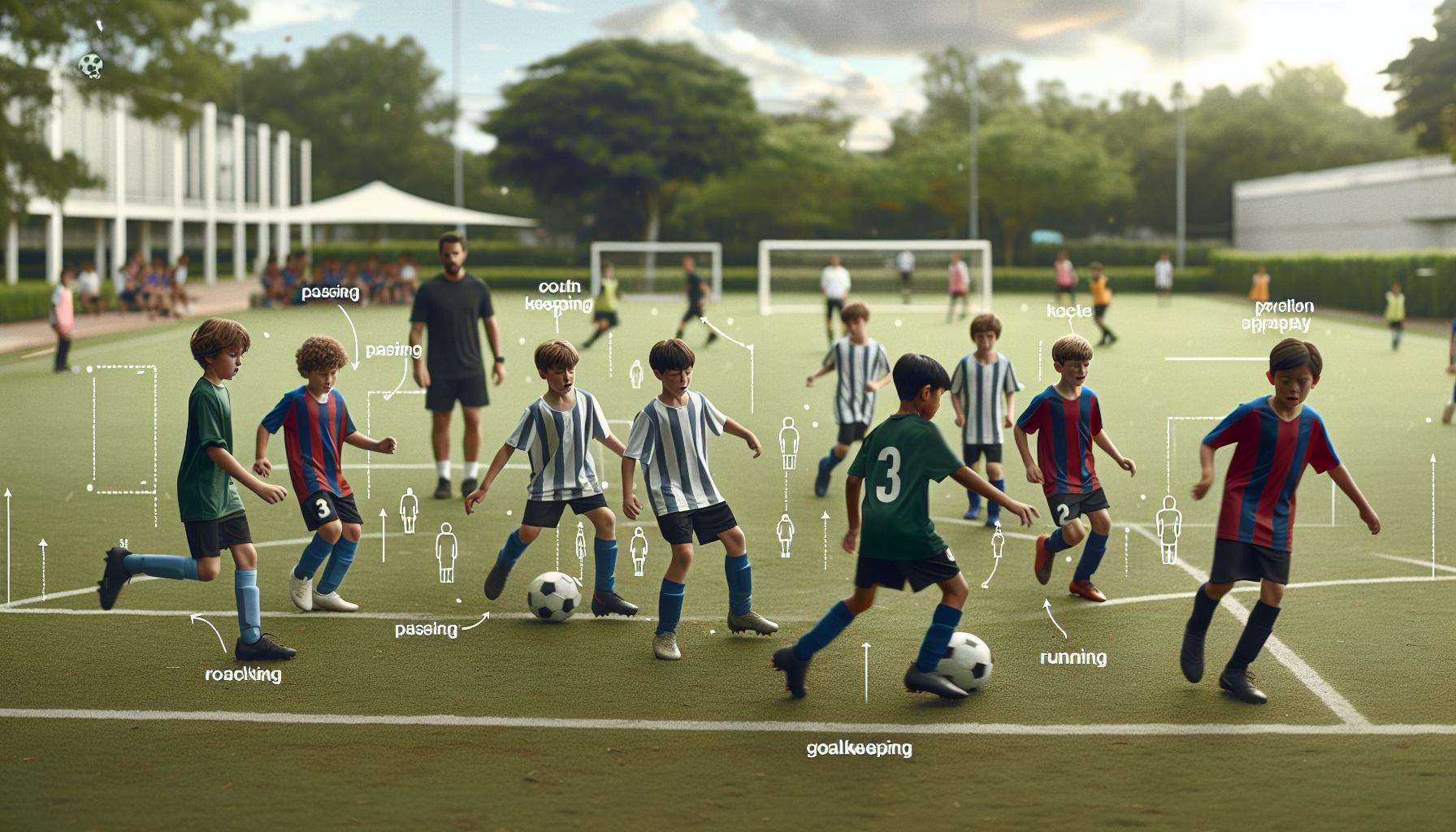
Essential Skills Every Young Player Needs for Each Position
Mastering the fundamental skills tied to each position unlocks the door for young players to truly shine on the soccer field. From the commanding presence of a goalkeeper to the creative spark of a winger, every role demands a distinctive set of abilities that blend technique, decision-making, and mindset. Take,for exmaple,the crucial role of a defender-not just someone who clears balls,but a player who reads the game like a chess grandmaster,anticipating opponents’ moves and timing tackles with precision.Legendary defenders like Paolo Maldini didn’t just rely on physicality; their anticipation and composure shaped matches. Encouraging youngsters to develop these nuanced skills early-such as spatial awareness for midfielders or explosive first touches for forwards-not only builds confidence but also nurtures a deeper understanding of soccer’s rhythm. Coaches can inspire players by spotlighting stories of pros who embody these traits, connecting technical drills to the larger narrative of tactical excellence.
Practical skill-building varies across positions yet shares a common foundation in communication, positioning, and mental agility.Goalkeepers, for example, must combine quick reflexes with leadership-organizing defenses and commanding the penalty area during set-pieces. Meanwhile, forwards require a balance of creativity and timing, learning to exploit tiny windows of opportunity that transform into goals. integrating drills that mimic game scenarios helps young athletes internalize essential skills naturally. For midfielders, this might mean working on controlled distribution under pressure and mastering multiple passing angles to keep possession fluid. Defenders benefit from exercises focusing on close marking and recovery pace, while strikers sharpen their instincts with finishing drills that emphasize placement and composure. By crafting training sessions that celebrate these skill sets in a fun, game-like habitat, coaches cultivate not only competence but joy-fueling lifelong passion and positional mastery.
Fundamental Skills by Position
- Goalkeeper: Agile shot-stopping, effective communication, aerial control, and quick decision-making to initiate counterattacks.
- Defenders: Tactical positioning, anticipation, strong tackling, and the ability to distribute under pressure.
- Midfielders: Exceptional ball control, vision for passing lanes, stamina, and spatial awareness to link defense with attack.
- Forwards: Precision shooting, dribbling in tight spaces, intelligent movement off the ball, and aggressive pressing of opponents.

Creative Strategies to Teach Positions Through Fun Drills
Young players frequently enough learn best when training feels less like work and more like play. Imagine a young defender who lights up when tasked with a “capture the flag” style drill-closing down attacking players chasing the ball in a race against time. This drill doesn’t just sharpen tackling and positioning; it immerses kids in excitement and healthy competition, helping them internalize what makes a defender great: timing, anticipation, and composure under pressure. Integrating these playful yet purposeful exercises can transform abstract positional concepts into intuitive actions on the field. Coaches across the globe, from grassroots clubs to elite academies, have successfully used mimicry of real-game scenarios blended within small-sided games to keep learning dynamic and spontaneous. For example,a forward learning to exploit space might engage in a “shadow striker” drill where they compete to find pockets behind defenders,reinforcing intelligent movement off the ball in a way that feels more like a fun challenge than repetition.
Breaking down these drills by position and injecting variety keeps young players invested and sharp. Midfielders can hone spatial awareness through “pass and move” circuits, which reward quick decision-making and vision while encouraging stamina and continuous engagement. Simultaneously occurring, goalkeepers thrive in reaction drills that simulate the unpredictable chaos of a match’s final moments-whether diving to snatch low shots or commanding the defense during a corner kick scenario. Employing creative props like colored cones to mark zones, timing challenges to add pressure, or storytelling elements (where each drill represents a “mission” a famous player once accomplished) elevates the fun factor and recall for players. Here are some targeted drill ideas that fuse learning with joy:
- Defenders: “Shadow Tag” – defenders stay goal-side of attackers in a limited space, practicing positioning and recovery runs.
- Midfielders: “Triangle Passing race” – three players sequence quick passes in tight spaces under timed conditions to enhance vision and composure.
- Forwards: “1v1 Breakout Challenges” – drills encouraging creativity with the ball to beat a defender and finish under pressure.
- goalkeepers: “Quick Hands” - rapid-fire shot stopping using soft balls or tennis balls to boost reflexes and focus.
By weaving these techniques into training sessions, coaches foster not just positional expertise but a love for the game itself, encouraging young athletes to embrace their unique roles with confidence and enthusiasm.
How to Foster Game Intelligence and Positioning Awareness
Few qualities elevate a young player’s impact on the field like sharp game intelligence combined with keen positional awareness. Imagine the rising midfielder who, like a grandmaster in chess, anticipates not just the next move but several plays ahead, weaving through opponents with rhythmic precision. developing this cerebral edge goes beyond memorizing roles; it requires cultivating instinctive understanding of spatial dynamics and teammate tendencies. Coaches can ignite this by creating training environments that mimic the fluid unpredictability of real matches – forcing players to constantly read cues, adapt, and make swift decisions. For example, small-sided games with shifting objectives simulate pressure-packed moments where players learn to gauge when to press, hold position, or support their teammates, nurturing an adaptive mindset essential for mastering any position.
Incorporating storytelling and visualization techniques further anchors these concepts in young minds. Drawing from iconic player moments-such as Cafu’s relentless overlapping runs or xavi’s visionary command of midfield-imbues drills with memorable context, inspiring players to internalize the why behind their movements. Drills like “dynamic zones,” where players communicate to control space effectively, help transform theoretical positioning into practiced intuition. Additionally, fostering open dialog among teammates encourages shared understanding of roles, enabling players to read each other’s intentions on the field. This collective growth in spatial awareness is a cornerstone of teamwork and cohesion, as defender Abby Wambach once reflected, “The best defenses aren’t just about marking; they read the game together.” By weaving imagination with tactical discipline, coaches empower youth players to evolve from position followers into position thinkers, ready to write their own story in the beautiful game.
Practical Ways to enhance Game Intelligence and Positioning
- Small-sided games: Use formats like 3v3 or 4v4 to foster constant decision-making and adaptability under pressure.
- Role rotation: Let players experience different positions to develop holistic understanding of team dynamics.
- Video analysis: Show clips of professional players highlighting key positioning decisions and invite young players to discuss.
- Real-time feedback: During drills, use questions like “Where should you move if the ball is here?” to prompt tactical thinking.
- Communication exercises: Practice verbal and non-verbal signals enabling players to coordinate movements effectively.
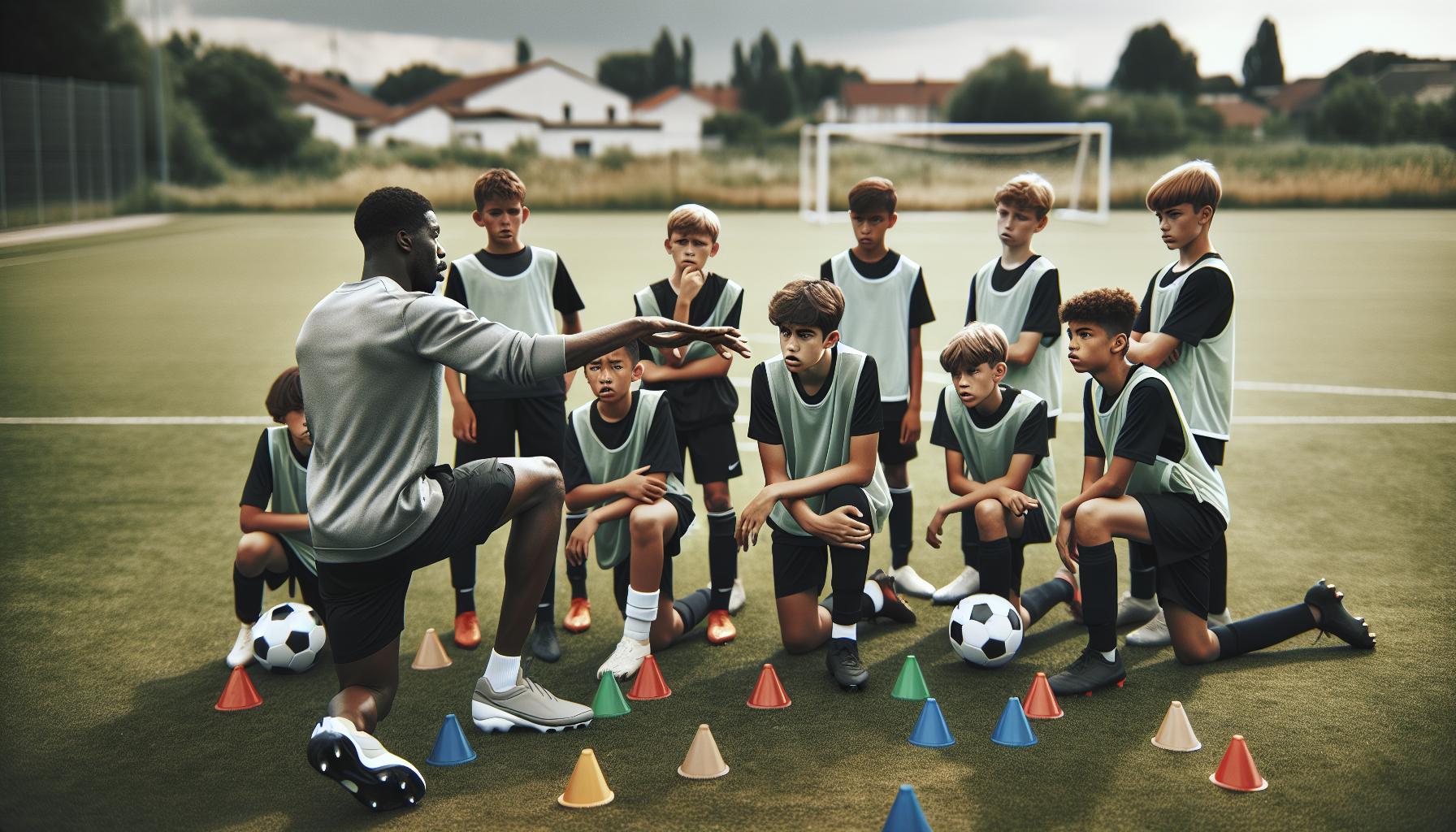
Building Confidence: Encouraging Youth to Embrace Their Role
Few moments on the soccer field resonate as powerfully as when a young player locks into their role with genuine assurance, transforming uncertainty into assertiveness that energizes the entire team. Confidence is the secret ingredient that elevates participation from mere compliance to inspired performance-where kids don’t just play a position, they own it.This journey begins by celebrating small successes during practice and matches, reinforcing that every role, from the last-line defender to the attacking winger, carries unique value and impact. Coaches can amplify this by highlighting moments when players make smart decisions or display resilient effort, using specific praise to illuminate how their role contributes to the collective pulse of the team.
A vivid example lies in the story of a once-shy goalkeeper who blossomed after a coach encouraged her to embrace the “general” role on the field-directing defenders and organizing play, giving her a leadership identity connected to her position. This reframing empowered her to speak up and act decisively, boosting both individual confidence and team communication. Coaches and parents should foster such breakthroughs by providing clear expectations paired with autonomy, allowing players to experiment within their roles without fear of failure. Implementing straightforward goals creates achievable milestones,such as mastering a defensive stance or executing overlapping runs,which serve as confidence-building markers. Remember, confidence grows not from perfection but from continuous effort, learning, and recognition-a dynamic rhythm that invites every young athlete to celebrate their contribution to the beautiful game’s unfolding drama.
Practical Steps to Encouraging Role Confidence
- Set personalized, attainable goals: Help players focus on a few key skills specific to their position, making progress visible and rewarding.
- Use role models wisely: Share inspiring stories or videos of professional players excelling in similar positions to provide aspirational yet relatable examples.
- Create a safe learning environment: Foster an atmosphere where mistakes are seen as natural learning moments, not setbacks.
- Encourage peer support: Promote team bonding activities and positive reinforcement among teammates to build collective confidence.
- Incorporate leadership opportunities: Let players take ownership through captain roles or by leading warm-ups, connecting identity with responsibility.
Adapting Coaching Techniques for Different Age groups and Skill Levels
The art of coaching youth soccer demands a chameleon-like flexibility, especially when guiding players through the intricate world of positional roles. Take, for example, a coach working with a group of 6- to 8-year-olds: the focus must center on fundamental motor skills and very simple concepts like staying in a general area rather than rigid positional discipline. Contrast this with teenagers, who benefit from more nuanced lessons about spatial awareness, decision-making, and role-specific tactics. A coach once shared how shifting from “run to that spot” instructions at younger ages to “read the game and adjust your position accordingly” during middle school unlocked a new level of understanding and enthusiasm among players.This adaptive coaching is critical because physical, cognitive, and emotional progress curves vary widely, even within a single age group.
Beyond age, skill diversity in a team calls for a spectrum of teaching techniques. For emerging beginners, breaking down positions into bite-sized, manageable chunks-like mastering the basics of defending or attacking-cultivates steady confidence. More advanced players, though, thrive when challenged with layered responsibilities such as orchestrating the midfield or coordinating defensive lines, helping them see their position as a node in a larger tactical system. Coaches who tailor their methods often report how the same drill can morph into a revelation game for novices and a high-level tactical exercise for skilled players simply by adjusting instructions or adding competitive elements. The secret sauce lies in blending patience and precision, offering individualized feedback while nurturing collective growth, keeping every player engaged in the drama of soccer’s ever-shifting battlefield.
Strategies to Match Developmental Stages
- For Young Beginners (5-8 years): Focus on playful drills teaching basic movement and simple positional zones. Use storytelling to relate positions to familiar characters or roles.
- For Intermediate Players (9-12 years): introduce role-specific skills and encourage decision-making through small-sided games to simulate realistic match scenarios.
- For Advanced Youth (13-18 years): Emphasize tactical awareness, leadership, and adaptability with video analysis and position-specific responsibilities during scrimmages.
Incorporating Player Feedback and Reflection
Building coaches’ and players’ awareness of progress at various skill levels enhances motivation. Encouraging young athletes to articulate what they’ve learned about their position fosters critical thinking and ownership. A coach might ask, ”What do you see your role being when the ball moves to the opposite field?” sparking thoughtful reflection across ages.Such dynamic engagement not only cements learning but breeds resilient players ready to thrive under pressure, embodying the spirit that every position-no matter how big or small-can produce moments of brilliance worthy of celebration.
Using Visual Aids and Stories to Make Positions Memorable
Engaging young players in the intricate world of soccer positions becomes far more effective-and memorable-when coaches transform abstract roles into vivid stories and clear visual cues. Imagine a defender not just as a number on the field but as a “castle guardian” whose mission is to protect the fortress from invaders, or a midfielder as the “orchestra conductor” who directs the flow of play with precision and flair. These narratives spark imagination, tying emotional resonance to tactical concepts. By pairing such stories with colorful diagrams or position-specific icons, coaches provide cognitive anchors that help players recall responsibilities under pressure. As one youth coach recalled, “When my kids understood the striker as the team’s ’goal hunter,’ eager and opportunistic, their positioning and anticipation visibly sharpened.” This blend of storytelling and visualization encourages players to internalize roles organically rather than memorizing dry instructions.
Visual tools can take many forms-from magnetic board layouts that allow players to move tokens representing themselves, to animated videos illustrating key positional runs in real match scenarios. Incorporating simple infographics showing “zones of control” or favorite attacking lanes adds another layer of clarity, especially for visual learners who thrive on seeing spatial relationships. For younger children,colorful posters featuring characters embodying each position’s traits turn learning into an adventure,while older players appreciate video breakdowns where they can analyze positioning choices of celebrated professionals. Coaches often note that such resources stimulate insightful questions and peer discussions, deepening understanding. In practice, a coach might introduce a “position story” before drills, then return to the visual aids in scrimmages to reinforce tactical goals-creating a virtuous cycle of engagement and retention that turns the complex chessboard of soccer into a playground of discovery.
Practical Ideas for implementing Visual Aids and Stories
- Role Cards: Create laminated cards with position names, key responsibilities, and a memorable nickname or story related to that role.
- Magnetic Tactics Board: Use portable boards during training to visually map out team shape and individual zones, adjusting dynamically in sessions.
- Match Highlight Clips: Show short video snippets highlighting how top youth or professional players interpret each position in real time.
- Storytelling Sessions: Begin practices with brief tales or analogies that connect soccer roles to familiar concepts like superheroes or explorers.
- Colour-Coded Markers and Cones: Use these on the field to delineate positioning areas aligned with the stories and roles discussed.
common Challenges When Teaching Positions and How to Overcome Them
Youth soccer coaching frequently enough faces the challenge of making positional play resonate with young minds who are still mastering the basic skills of the game. One widespread difficulty comes from players’ natural enthusiasm to chase the ball everywhere, leaving their assigned roles neglected. This instinctual “ball magnet” behavior, while understandable at early ages, can disrupt team balance and stunt individual growth in understanding their role’s strategic value. Coaches have found creative ways to overcome this through clear,consistent messaging combined with positive reinforcement. Such as,using the analogy of a “goalkeeper as the last line of defense” not only grounds the player’s focus in responsibility but also imbues their role with pride and purpose. Veteran coach Maria Lopez recalls a breakthrough moment: “When our defenders stopped seeing themselves as just ‘keepers of the ball’ and started embracing their role as ‘field generals’ orchestrating defense, their positioning and confidence soared.” Such perspectives help channel youthful energy into meaningful contributions beyond just ball possession.
Another common hurdle is the frequent confusion between different positions and their distinct responsibilities,especially when coaches rotate players across roles to increase versatility. This trial-and-error approach can sometimes leave young players feeling uncertain or overwhelmed. To address this, breaking down complex roles into bite-sized, relatable chunks is essential. Employing tools such as position-specific role cards or “position story maps” can clarify key tasks without flooding players with jargon. Integrating peer learning also proves invaluable; when players explain their role’s “superpower” to teammates, it strengthens everyone’s collective understanding and builds empathy across the team. Coaches should also be patient with developmental stages-expecting a 7-year-old to fully master midfield tactics is unrealistic but encouraging basic orientation and spatial awareness lays a durable foundation. By creating a nurturing environment where errors are part of learning and curiosity is encouraged, coaches transform common challenges into stepping stones for deeper tactical intelligence and enduring passion for the game.
Strategies to Overcome Teaching Challenges
- Consistent Role Reinforcement: Use repetitive but fun reminders through nicknames or storytelling to cement each position’s identity.
- Small-Group Coaching: Focus on position groups within practice to offer targeted feedback and reduce cognitive overload.
- Rotation with Purpose: Switch positions strategically-rotate only after players show comfort with their current role to avoid confusion.
- Encourage Peer Teaching: Let more experienced players explain roles to newcomers, fostering leadership and deeper learning.
- Visual Cues on Field: Use cones, colored bibs, or marked zones that visually delineate player responsibilities during drills and matches.
Incorporating Teamwork and Communication for positional Success
Few moments in youth soccer capture the transformative power of teamwork quite like a perfectly timed pass that slices through an opposition’s defense, igniting a goal-scoring opportunity born from collective awareness rather than individual brilliance. For young players learning their roles,mastering communication on and off the field isn’t just a nicety-it’s the connective tissue holding positional play together. Coaches frequently enough remember how a shy midfielder, once hesitant to call for the ball, blossomed into the team’s verbal anchor after encouragement to ”speak like the captain you already are.” this evolution underscores a vital truth: fostering open communication channels among players helps them anticipate each other’s movements, cover for positional lapses, and maintain shape under pressure.
Encouraging youth players to see positions not as isolated islands but as interlocking gears of a larger machine requires deliberate practice in teamwork dynamics. Coaches can introduce simple, engaging drills that emphasize calling out roles during play, such as ”man on,” “turn,” or “switch,” creating a language that binds the team. Role clarity paired with vocal interaction sharpens players’ situational awareness, enabling defenders to signal cover shifts or midfielders to orchestrate attacking runs. Veteran coach Samuel Rodriguez shares,”One of my favorite drills is the ‘communication relay,’ where players must exchange precise positional instructions while moving. The confidence it builds turns quiet teammates into vocal leaders.” When communication is woven into positional training, young athletes begin to internalize the rhythm of collaboration, driving success beyond individual skills to the collective fluency that defines winning teams.
Practical Steps to Boost Teamwork and Communication
- Introduce Communication Rules: Establish simple, positive verbal cues players can use consistently during games and practices.
- Encourage Accountability: Use peer feedback moments where players recognize helpful communication from teammates.
- Use Small-Sided Games: Promote close quarters play that naturally demands constant talking, repositioning, and role adaptation.
- Model Communication: Coaches should demonstrate clear, calm communication styles to set examples.
- Celebrate Collective Success: Highlight moments where teamwork and communication directly enabled goal or defensive stops to reinforce behaviors.
Tracking Progress: Tips for Assessing and improving Position Mastery
Few moments define a young player’s journey like the day they first grasp their role with clarity – the instant a defender anticipates a through ball or a midfielder times a run perfectly. Tracking this growth isn’t merely about tallying goals or tackles; it’s about tuning into subtle shifts in understanding,confidence,and situational decision-making.veteran coach lisa Moreno recalls how one quiet 10-year-old defender, after weeks of focused feedback and video review, suddenly began to “read the game like a pro,” positioning herself precisely to intercept passes rather than chasing the ball reactively. This kind of breakthrough reflects the power of deliberate assessment strategies that emphasize progress in spatial awareness and role execution, not just traditional stats.
Effective evaluation blends observation with player input, transforming the coaching dynamic into a dialogue rooted in growth and self-awareness. Coaches can use a mix of simple tools – from checklists focused on skill execution to short, reflective surveys asking players how they felt in key moments – to capture insights that elevate learning. As an example, during a practice session focusing on wing play, a coach might note a player’s timing in overlaps, ability to hold width, and decision-making under pressure, then share targeted praise along with areas to improve. When players sense their own betterment, fueled by concrete feedback, motivation surges. Defender Ethan shared, “Knowing exactly what my coach wanted from me made positioning less confusing and way more fun. I started feeling part of something bigger.”
key Techniques for Monitoring and Enhancing Positional Skills
- Use Video Clips: Record drills or scrimmages highlighting positional decisions. Replay moments with players to foster visual learning and self-correction.
- Implement Position-Specific Checklists: Develop age-appropriate criteria like ‘stays goal side,’ ‘communicates with teammates,’ or ‘minutes spent in correct zones’ to provide structure in evaluations.
- Embrace Peer Assessment: Encourage teammates to give positive, constructive feedback on positional play, reinforcing team accountability.
- Track Positional Versatility: Monitor player performance across multiple positions over time to identify adaptability and areas for growth.
- Set Short-Term Goals: Collaborate with players to create achievable objectives, such as improving tracking back or enhancing timing on runs.
Tracking positional mastery is a journey that combines measurable data with human stories – moments of trial, adaptation, and triumph that breathe life into technical development. By making assessments a shared experience, coaches nurture not just better players, but confident young athletes who understand the art and drama of positional soccer.
Faq
Q: How can parents support their child in learning soccer positions effectively?
A: Parents can support by encouraging practice at home, watching games together to discuss positioning, and reinforcing confidence without pressure. Sharing positive feedback and understanding each position’s role helps youth players embrace learning. For deeper coaching techniques, refer to Building Confidence and Adapting Coaching techniques sections in the article.
Q: What are simple ways to introduce tactical awareness for youth soccer players?
A: Start with basic concepts like spacing and movement using small-sided games and fun drills that highlight position roles. Visual aids and storytelling from our Using Visual Aids and Stories section can make tactics memorable while developing game intelligence naturally.
Q: When is the best time during practice to teach soccer positions to beginners?
A: The best time is after warm-ups and before scrimmages when players are focused but not tired.Short teaching moments interspersed with drills from Creative strategies to Teach Positions keep lessons engaging and reinforce learning without overwhelming beginners.
Q: Why is rotating youth players through different positions important in early training?
A: Rotating allows players to experience varied responsibilities,develop versatile skills,and understand teammates’ roles better,boosting overall game intelligence. This complements the Essential Skills and Fostering Game Intelligence sections by building well-rounded athletes.
Q: How do you handle positional conflicts among young players during training?
A: Address conflicts by emphasizing teamwork and communication, acknowledging each player’s strengths, and assigning positions based on skill and preference when possible. Insights from incorporating Teamwork and Communication help build harmony while maintaining individual growth.
Q: What are key indicators that a youth player is ready to specialize in a soccer position?
A: Look for consistent understanding of position roles, comfort during game situations, and eagerness to develop specific skills. Progress tracking methods from Tracking Progress provide measurable signs to decide when specialization best supports growth.
Q: How can coaches make position training fun and engaging for young soccer players?
A: Coaches can use game-like drills, challenges, and storytelling to personalize positions, transforming learning into play.The section on creative Strategies to Teach Positions Through Fun drills offers practical, dynamic ideas that spark enthusiasm and retain focus.
Q: What role dose peer learning play in teaching youth soccer positions effectively?
A: Peer learning fosters collaboration, leadership, and reinforces understanding as players teach and motivate each other. Encouraging teamwork and communication, as highlighted in the article’s relevant sections, builds a supportive environment where positional skills thrive.
—
Discover more about mastering youth soccer positions and building confident teams in our full guide!
To Conclude
Mastering the art of teaching youth soccer positions opens the door to confident, versatile players ready to make their mark on the field. by embracing these beginner-friendly tips, coaches and parents alike can foster not only skills but a genuine passion for the game-turning every practice into an opportunity for growth and memorable moments. Now is the time to put these strategies into action and watch young athletes thrive, adapting to roles with enthusiasm and tactical understanding.
To deepen your coaching toolkit,explore our guides on [youth soccer drills for skill development] and [effective team communication techniques]. These resources build naturally on position training, ensuring your team plays cohesively and decisively. Don’t hesitate to join our newsletter for expert insights or share your own success stories below-your experiences enrich our community and inspire others on their soccer journey.
Remember, teaching youth soccer positions is more than assigning roles-it’s about nurturing potential and fueling the love of the game.With every step forward, you’re shaping the next generation of players who’ll carry the sport’s spirit with pride.Stay engaged,keep exploring,and let’s celebrate soccer’s beautiful journey together.
Get our latest guides, news, and insights highlighted in your Google Search & AI Overviews.