Did you know that a typical youth soccer season can shape a young player’s entire year, balancing school, practice, and game day drama? Understanding how long the season lasts is crucial for players, parents, and coaches alike to manage expectations, plan effectively, and celebrate every milestone on the pitch. From the first kickoff to the final whistle, youth soccer seasons vary widely depending on region, league, and age group, but they consistently serve as pivotal chapters in young athletes’ development. This guide unpacks the full timeline of a youth soccer season, helping families and teams navigate the rhythm of training sessions, key tournaments, and off-season recovery. Whether you’re tracking your child’s progress or coaching the next star in the making,knowing when the season starts and ends lays the foundation for a rewarding and well-balanced soccer journey. Dive in to discover how this timeline impacts not just game strategy and player growth, but also community spirit and the lasting memories forged under floodlights and weekend skies.
Contents
- Youth Soccer Season Overview: Typical Duration and Structure
- Typical Season Timeline at a Glance
- How Youth Soccer Seasons Vary by Age Group and Skill Level
- Regional and League Differences Impacting Season Length
- Practical Considerations for Families and Coaches
- Breaking Down the Youth Soccer Calendar: Key Phases and Milestones
- Key Phases in the Youth Soccer Season
- Milestones to Watch For
- How Weather and Climate Influence Soccer Season Timelines
- Practical Weather Considerations for Season Planning
- Regional Climate Impact on youth Soccer Timelines
- Training and Practice Schedules Throughout the Season
- Tournament and Playoff periods: Peak Moments and Intensity
- Match Previews and Player Highlights
- Balancing Academics and Soccer: Managing seasonal Commitments
- Player development Through the Season: Growth and Challenges
- Parental and Coach Perspectives on Season Length and Demands
- How Off-Season Activities Complement the Soccer Calendar
- Future Trends Shaping Youth Soccer Seasons and Scheduling
- Frequently asked questions
- Q: How do youth soccer season lengths impact player burnout and injury risks?
- Q: What are effective ways to keep youth soccer players motivated during an extended season?
- Q: When is the best time to schedule off-season training without interfering with the youth soccer calendar?
- Q: How can parents effectively support their child throughout the varying phases of the youth soccer season?
- Q: Why do youth soccer season lengths differ so much between regions, and how does this affect competition?
- Q: What adjustments can coaches make to practice schedules to accommodate longer youth soccer seasons?
- Q: How does early specialization in youth soccer affect the length and intensity of the season?
- Q: What trends are emerging in youth soccer season scheduling to improve player experience and development?
- insights and Conclusions
Youth Soccer Season Overview: Typical Duration and Structure
Youth soccer seasons typically unfold like a finely tuned symphony, balancing intense bursts of training, thrilling matches, and the gradual build-up of skills that define a young player’s journey. Most youth leagues run their official seasons over a concentrated period,commonly spanning 8 to 12 weeks,a timeframe designed to sustain enthusiasm while preventing burnout. For example, many youth programs kick off in early fall-usually September-and wrap up by November, aligning closely with school schedules and giving players a structured habitat for growth and competition [1]. This duration allows teams to engage in regular weekly matches, punctuated by skill-focused training sessions, and culminating in exciting playoffs or local tournaments.
The structure of these seasons is thoughtfully designed to blend community spirit with competitive challenge. Practices are often scheduled once or twice a week, fostering consistency while respecting young athletes’ academic and personal lives. Coaches emphasize not only tactical development but also the joy of the game-highlighting moments like a well-timed assist or a last-minute goal to ignite confidence and camaraderie. Parents and coaches alike cherish this period as a snapshot in young players’ lives - where friendships are forged, resilience is tested, and the pure, unfiltered magic of soccer is on full display. Whether on a chilly autumn afternoon under floodlights or a sunny weekend match, the rhythm of the season delivers more than just wins and losses; it brings a tapestry of memorable experiences that shape the future of aspiring players [2].
Typical Season Timeline at a Glance
| Season Phase | Duration | Focus |
|---|---|---|
| Pre-Season Training | 1-2 weeks | Fitness, basic skills, team bonding |
| Regular Season Matches | 6-8 weeks | Weekly games, tactical learning |
| Playoffs & Tournaments | 1-2 weeks | High-intensity competition, performance peak |
| Off-Season | Variable | Recovery, individual skill development, choice activities |
This overview serves as a reliable compass for players, parents, and coaches navigating the lively and rewarding landscape of youth soccer – a sport that, season after season, continues to inspire action, teamwork, and the heartbeat of community spirit.
How Youth Soccer Seasons Vary by Age Group and Skill Level
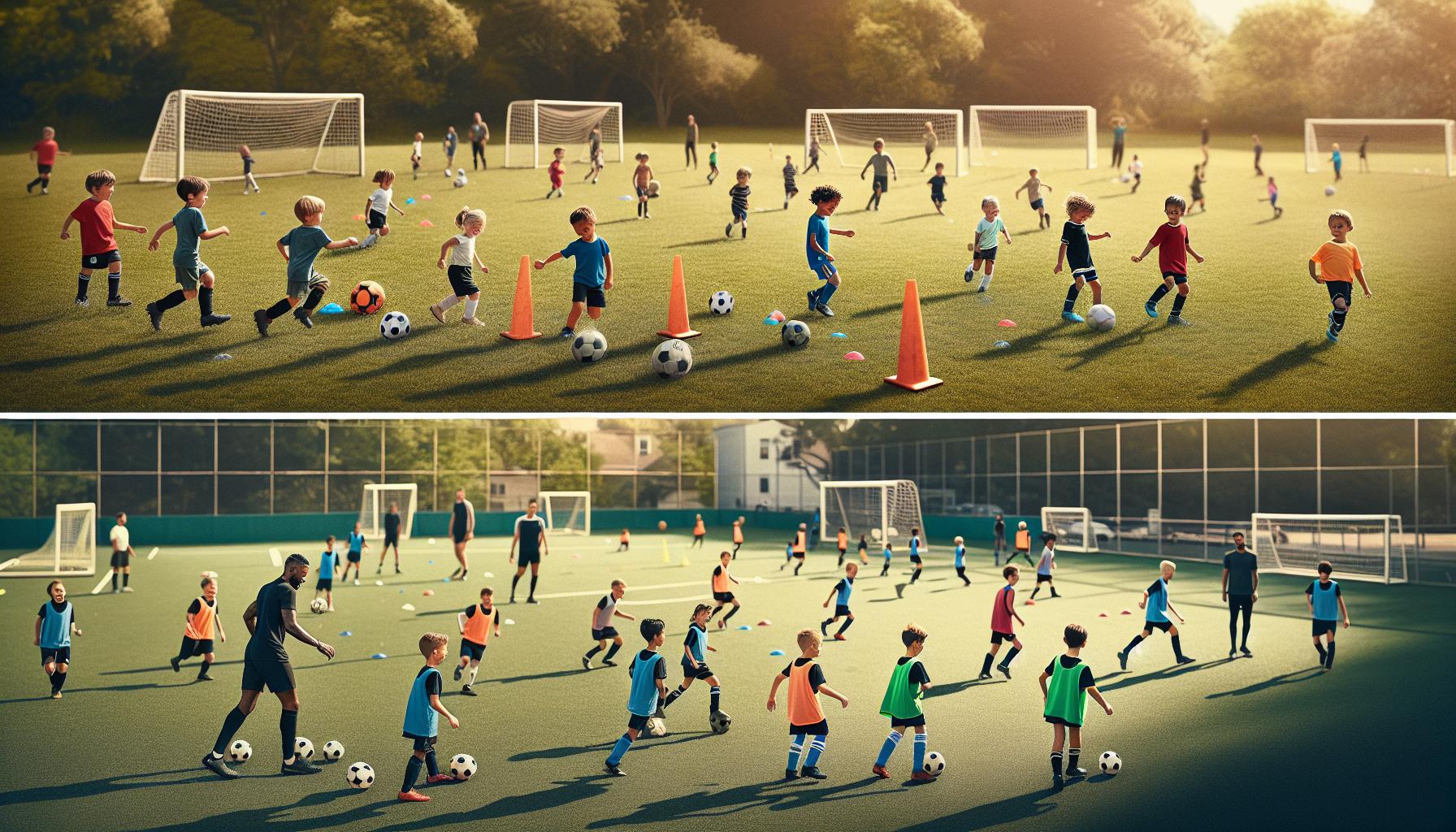
Youth soccer seasons embody a rich mosaic of experiences that shift dramatically across different age groups and skill levels, reflecting the evolving needs and ambitions of players. For the youngest budding athletes-often under 8 years old-the season is crafted to prioritize fun, foundational skills, and simple game awareness. These introductory leagues usually feature shorter seasons, with limited matches and practice sessions once a week, allowing children to savor the game without pressure. As one coach from a local U7 team put it,”Our focus is on the sparkle in their eyes when they score their first goal,not the stats on the scoreboard.” This nurturing environment contrasts with older age brackets, where seasons extend in both length and intensity, accommodating more competitive schedules aligned with the players’ growing physical and tactical prowess.
As youth progress into middle and high school levels, the structure of their seasons frequently enough mirrors a more regimented and complex athletic calendar. Players in these divisions might experience seasons spanning 12 to 16 weeks, blending bi-weekly practices with weekend matches, regional tournaments, and even travel competitions. Skill level becomes an increasingly defining factor-recreational leagues maintain a balanced emphasis on enjoyment and participation, while elite or academy programs demand rigorous training, often exceeding three sessions weekly and prolonged competitive seasons. This progression not only sharpens technical ability but also challenges young athletes emotionally and mentally. Veteran coaches emphasize the need for adaptable scheduling to avoid burnout:
- Recreational Programs: Shorter seasons, focus on inclusion and basic skills.
- Competitive Travel Leagues: Longer seasons, higher frequency of matches, and travel demands.
- Elite Academy Teams: Extended seasons year-round with integrated strength and conditioning components.
Such distinctions ensure that the seasons nurture growth tailored to player readiness,celebrating milestones that range from a beginner’s first dribble to a seasoned striker’s multi-goal game-winning performance. This gradual scaling fosters a lifelong connection to soccer, harmonizing passion with development at every stage.
Regional and League Differences Impacting Season Length

Youth soccer seasons can vary widely across regions and leagues, shaped not only by local traditions and organizational priorities but also by the vibrant soccer cultures unique to each community. In northeastern states where winter months can halt outdoor play, leagues may compress schedules into brisk, intense fall and spring seasons. Conversely, leagues in milder climates like California or Florida often enjoy extended seasons stretching comfortably from early fall through late spring, allowing more continuous player development and competitive opportunities. These regional contrasts reflect more than just environmental differences-they illustrate how soccer adapts to meet challenges and priorities, such as maximizing player exposure, balancing school commitments, or fostering community engagement.
the diversity of leagues within any region further complicates season length and structure. recreational leagues frequently favor shorter, more flexible seasons to accommodate family dynamics and encourage broad participation, typically spanning 8 to 10 weeks with a balanced mix of practices and matches. In contrast, competitive travel leagues and elite academies demand more extended commitments-often 20 weeks or more-to sustain intense training cycles and frequent tournaments. Coaches like Maria Herrera of the Pacific Northwest Academy emphasize that adjusting season length according to league level helps optimize player growth and prevent burnout: “Our elite players thrive with longer seasons and higher intensity because their readiness supports it, but we tailor approaches in community leagues to keep soccer joyful and accessible.” This layered complexity ensures youth soccer remains inclusive and dynamic, blending spirited competition with the timeless joy of the game.
Practical Considerations for Families and Coaches
- Assess Local Climate: Knowing your region’s weather patterns can help in planning for appropriate gear and scheduling to avoid hiatuses.
- League Tier and Philosophy: Recreational versus competitive leagues have fundamentally different calendar demands; understanding these can guide expectations and commitment levels.
- Travel Commitments: Some leagues require extensive weekend travel,skewing season length beyond just weeks to months and requiring families to prepare for increased logistical challenges.
Breaking Down the Youth Soccer Calendar: Key Phases and Milestones

Youth soccer calendars unfold much like the narrative arcs of the game itself, marked by a series of critical phases that build intensity, test growth, and culminate in moments that define a young player’s journey. From the first tentative practices where nerves and excitement mingle, through weeks of tactical understanding and physical conditioning, the season gathers momentum. Coaches often liken this progression to ”warming up the engine,” where early sessions focus not only on building skills but also on fostering team chemistry. As Coach Javier Martinez of the Midwest Strikers explains, “The early weeks are about establishing rhythm and trust – that foundation is crucial for the hard-fought matches that follow.” The calendar is punctuated by key milestones such as mid-season friendlies, where players test newfound strategies in lower-stakes environments, or themed training camps that sharpen specific techniques. These moments serve both as checkpoints and motivators, breaking the rhythm to renew focus and enthusiasm.
As the season advances, intensity ramps up toward the tournament and playoff periods-vivid peaks in the calendar where every game carries newfound meaning. These phases often bring heightened pressure and thrilling drama, capturing the essence of youth soccer’s beauty: raw passion, resilience, and the unpredictability of sport. Players like 12-year-old midfielder Alexis Carter recall the “rush” of tournament weekends where the stakes bring out their best: “You learn to push through your nerves and play with heart.” For coaches, these moments are delicate balancing acts-maintaining fitness and competitive edge while managing the risk of burnout or injury. This progression underlines why understanding the youth soccer calendar’s phases matters not just for planning, but for nurturing player development. From early-season optimism, through mid-season evaluations, to the crescendo of playoffs and celebratory team events, each stage carries its own challenges and triumphs, contributing to the rich mosaic of youth soccer life.
Key Phases in the Youth Soccer Season
- Pre-Season Planning: Focus on fitness, basic drills, and team-building exercises to set a strong foundation.
- Regular Season Competition: Weekly matches demanding tactical request and team cohesion development.
- Mid-Season Assessments: Friendlies or inter-squad games providing critical opportunities for skill evaluation and adjustment.
- Tournament and Playoff Periods: High-stakes games fostering peak performance, resilience, and competitive growth.
- Season wind-Down and Reflection: Cool-down practices, awards, and off-field events celebrating achievements and setting goals.
Milestones to Watch For
| Phase | Typical Timing | Player Impact | Coach Focus |
|---|---|---|---|
| Pre-Season | Weeks 1-2 | Building stamina, mental readiness | Assessment, goal-setting, chemistry |
| Early Season | Weeks 3-8 | Implementing tactics, consistency | Skill refinement, lineup experimentation |
| Mid-Season Break | Week 9 or as scheduled | Focus on recovery, skill sharpening | Player evaluations, strategy review |
| Tournament/Playoffs | Weeks 10-14 (varies) | high-pressure performance, teamwork | Stress management, peak conditioning |
| Post-Season | Week 15 onward | Reflection, rest, individual skill work | Feedback sessions, planning next steps |
How Weather and Climate Influence Soccer Season Timelines

Weather patterns and climate play a decisive role in shaping the rhythm and length of youth soccer seasons across different regions. In areas with harsh winters, like the northern United States or parts of Canada, snow and freezing temperatures frequently enough shorten outdoor playing periods, forcing leagues to condense schedules or shift parts of the season indoors. Conversely, milder climates along the coasts or in the southern states enable extended seasons with opportunities for year-round play, though this can also mean managing player fatigue and balancing training intensity throughout longer timelines. Coaches like Linda Fernandez,leading a U14 team in Colorado,note how “the unpredictability of spring weather means we’re always prepared for sudden cancellations,which can disrupt momentum and require adaptive planning.” Understanding these environmental variables helps teams and organizers strike a delicate balance between maximizing play opportunities and ensuring young athletes’ safety and well-being.
Beyond simply dictating when games are played, climate influences training schedules and competitive peaks in important ways. For example, in warmer regions where summer heat can pose health risks, training sessions often shift to early mornings or late evenings, and mid-season breaks may coincide with the hottest months to minimize heat-related injuries.This contrasts sharply with northern leagues where the bulk of competitive matches occur in spring and fall, avoiding winter’s grip but compressing the season’s intensity. Weather also impacts field conditions, with soggy pitches after heavy rains demanding tactical adjustments and occasionally rescheduling crucial matches. These challenges inspire resilience and strategic creativity in both players and coaches, much like 11-year-old forward Maya Kim from Florida, who says, “Sometimes we have to rethink how we play when the field is wet, but it teaches us to be flexible and keep fighting no matter what.” For parents and clubs, factoring in these climate-driven shifts is essential for long-term planning, ensuring seasons unfold not just with passion, but with smart, sustainable approaches tailored to their unique environments.
Practical Weather Considerations for Season Planning
- Flexible Scheduling: Anticipate weather disruptions by incorporating buffer weeks or alternative indoor practice options.
- safety Protocols: Adjust training/practice intensity during extreme heat or cold, with hydration and rest taking priority.
- Field Maintenance: Coordinate with groundskeepers to handle rain, frost, or drought effects to keep playing surfaces safe.
- Seasonal Adjustments: Use weather patterns to plan breaks or down-times strategically, promoting player recovery and reducing burnout.
Regional Climate Impact on youth Soccer Timelines
| Region | Typical Season Months | Weather Challenges | Adaptation Strategies |
|---|---|---|---|
| Northern US/Canada | April - October | Snow, frost, short outdoor season | Indoor training, compressed competition calendar |
| Southern US | September – May | High heat, humidity during summer | early morning/evening practices, summer breaks |
| west Coast | Year-round (with winter breaks) | rain in winter, mild temperatures | Flexible scheduling, rain gear utilization |
Training and Practice Schedules Throughout the Season

Throughout the varying length of youth soccer seasons, the rhythm and intensity of training and practice schedules adapt to reflect the demands of competition, player development, and external conditions. Coaches often face the complex task of balancing skill-building with physical readiness while navigating weather disruptions and seasonal peaks. For example, during the pre-season phase, sessions tend to emphasize foundational fitness, technical drills, and tactical awareness, setting a strong base for the months ahead. As the season progresses, practice intensities typically ramp up, with sharper focus on game-specific scenarios, strategic team play, and mental preparation. Coaches like elena Ramirez, leading a U12 team in Oregon, highlight how “we tailor sessions weekly, shifting from building endurance in august to competitive drills and scrimmages as we enter September’s league matches.” This adaptive approach not only keeps young athletes engaged but also fosters deeper competencies and resilience.
In regions where weather heavily influences field availability, training schedules become especially dynamic and creative. As an example, in northern climates where outdoor practice might potentially be limited to spring through fall, indoor training gyms become sanctuaries for technical refinement and tactical learning during colder months. Southern teams, facing sweltering summer heat, frequently enough hold practices at dawn or dusk, blending hydration breaks and lighter sessions to maintain player safety without sacrificing progress. Practical strategies such as rotating training emphases – skill development, conditioning, recovery - throughout the week help manage fatigue and enthusiasm. Below are key approaches that accomplished programs use to keep training effective and sustainable across the shifting season:
- Periodization: Breaking the season into phases-pre-season, in-season, and post-season-to align training goals with competition demands.
- Flexible Timing: Scheduling sessions around school hours and family commitments, frequently enough incorporating shorter, high-impact practices during busy times.
- Weather Adaptations: Utilizing indoor facilities or adjusting practice times to cooler parts of the day, especially in regions with extreme climates.
- recovery Focus: Integrating rest days and light activity sessions to prevent burnout and reduce injury risks in long seasons.
This adaptability is vividly illustrated by 13-year-old midfielder Samir Patel from Texas, who observes, “On hot days, our coach switches to skill drills rather than running-we get smarter, not just tougher.” Such insights underline that effective training schedules honor both the technical demands of soccer and the holistic well-being of young players, enriching their experience throughout every phase of the season.
Tournament and Playoff periods: Peak Moments and Intensity
The crescendo of a youth soccer season often comes during tournaments and playoff battles-moments charged with electric energy that transform months of training into spirited competition. These peak periods challenge young athletes not only physically but mentally, as every pass, tackle, and goal carries heightened significance. The intensity amplifies the sport’s drama,fostering a unique blend of camaraderie and rivalry that shapes both individual players and entire teams. Coaches and parents alike recognize this phase as a true test of resilience and skill, where preparation meets pressure under radiant lights and hopeful crowds.
Navigating this exhilarating stage requires careful management of player energy and focus. Coaches such as Marco Hernandez, who guides a competitive U15 squad in Florida, emphasize balancing tactical sharpness with emotional support: “We focus on short-term recovery after each match - hydration, nutrition, and mental resets – so players arrive fresh for every crucial game.” The tournament atmosphere also cultivates invaluable life lessons; for instance, midfielder Lily Nguyen reflects, “Playing in playoffs taught me how to stay calm even when the stakes felt huge-it changed how I handle pressure on and off the field.” Practical strategies to thrive during this period include:
- maintaining Consistent Hydration and Nutrition: prioritizing meals rich in carbohydrates and protein to fuel back-to-back games.
- Optimized Rest and Recovery: Emphasizing adequate sleep and active recovery techniques such as light stretching or ice therapy.
- Focused Mental Preparation: Using visualization exercises and team talks to sharpen concentration and boost confidence.
- Adapted Training Sessions: Shifting from intense physical drills to tactical walkthroughs to reduce injury risk while reinforcing game plans.
Match Previews and Player Highlights
During tournament weeks,scouting opponents and preparing players for specific challenges becomes critical. Coaches break down matchups with video reviews and set-piece rehearsals tailored to the upcoming competition style. Highlighting local heroes inspires motivation-like 14-year-old striker Noah Kim, whose clutch goals in last year’s regional finals became a rallying point for his team. Such moments crystallize the beauty and intensity of youth soccer’s playoff phase: victories celebrated with joyous uproar, defeats met with resolve to improve. These cycles of triumph and setback enrich the season’s narrative, leaving lasting impressions on young athletes’ sporting journeys.
| Key Tournaments | Typical Timing | Duration | Level of Play |
|---|---|---|---|
| League Playoffs | Late spring / Fall | 2-4 weeks | Varies by age and division |
| Regional Championships | Season End | week-long events | Competitive club teams |
| State or National Qualifiers | Late Season / Off-Season | 1-2 weeks | Elite/Travel teams |
Ultimately, while tournaments and playoffs add intensity and excitement, they also underscore the importance of balanced scheduling that considers player well-being. By integrating recovery and mental resilience alongside competition, youth soccer programs create environments where young athletes can flourish-on the field and beyond.
Balancing Academics and Soccer: Managing seasonal Commitments
Few challenges are as demanding-and rewarding-as keeping pace with youth soccer’s spirited schedule while thriving academically. The intensity of a youth soccer season frequently enough runs parallel to crucial schoolwork deadlines, tests, and projects, creating a complex dance between practices, games, and academics. As 16-year-old midfielder Maya Torres explains, “Some weeks I feel like I’m juggling two full-time jobs, but soccer teaches me how to manage my time and focus, even when it’s tough.” Coaches and parents frequently emphasize that success in youth soccer does not come at the expense of education; rather, the two pursuits fuel each other when managed thoughtfully.
Effective time management is the cornerstone of balancing these dual commitments, especially through the season’s peaks like playoffs and tournaments. Structuring daily routines around prioritized blocks-dedicating specific windows for homework, study groups, and rest-helps sustain both performance on the field and in the classroom. Tools such as planners or digital calendars keep schedules obvious, enabling young athletes to anticipate busy weeks and plan accordingly. Coaches often encourage players to communicate proactively about academic pressures so training adjustments can be made without compromising development. Key strategies include:
- setting Realistic Goals: Breaking down studies into manageable tasks during less intense soccer periods.
- leveraging Downtime: Utilizing travel time or breaks on game days for light review or reading.
- Creating Support networks: Engaging parents, teachers, and tutors who understand the soccer calendar.
- Maintaining physical and Mental Health: Prioritizing sleep, nutrition, and mindfulness to keep energy balanced across commitments.
This holistic approach ensures that young players not only sustain their academic performance but also experience the joy and growth that soccer uniquely provides. As Coach Hernandez reflects, “When we treat school and soccer as partners rather than competitors, our athletes develop discipline that benefits all areas of life.” Supporting these dual goals empowers youth athletes to embrace their full potential, crafting stories of achievement on and off the pitch that inspire families and communities alike.[1][2]
Player development Through the Season: Growth and Challenges
Youth soccer seasons are not just a series of matches on a calendar-they represent a dynamic journey of growth marked by triumphs and setbacks that shape each player’s character and skills.As the season unfolds,young athletes experience rapid development physically,mentally,and tactically,a progression that frequently enough mirrors the intensity of their schedule.Take, for example, a 12-year-old forward learning to read the game more intuitively; early-season drills focus on positioning and ball control, but by mid-season, coaches emphasize spatial awareness and decision-making under pressure. The seasonal rhythm-with practices, games, and tournaments stacked tightly-demands resilience and adaptability. Players often face moments of fatigue, self-doubt, or injury, yet it’s these hurdles that ignite personal breakthroughs. As midfielder Elena Ramirez shares,”There was a week when I missed two practices because of schoolwork. It was tough catching up, but improving that week taught me how to push through setbacks without losing focus on the goals.”
The layered demands of a full season also spotlight how coaching strategies evolve to meet development phases head-on. Early in the calendar, emphasis lies on individual skill-building and confidence, while the mid-to-late season focuses on teamwork, strategy, and competitive grit during playoffs or tournaments. Coaches like Hernandez suggest deliberate variation in training to prevent burnout-mixing high-intensity sessions with recovery days and mental preparation techniques. Practical approaches include:
- Progressive Skill Challenges: Increasing tactical complexity as players master fundamentals.
- Goal Setting with Feedback: Using short-term milestones (e.g., improving first touch) alongside regular coach-player discussions.
- Encouraging Reflective Practice: Players review video footage to identify strengths and areas for growth.
- Fostering Team Cohesion: Through group activities aimed at interaction and mutual support, essential during pressure-packed moments.
These elements converge in the season’s crescendo-the tournaments and playoff battles-where growth is most visible. Victories validate months of dedication, and defeats offer powerful lessons in perseverance. Youth soccer is a microcosm of life’s challenges and rewards, with each season instilling not just technical proficiency but resilience, leadership, and a profound love for the lovely game.
Parental and Coach Perspectives on Season Length and Demands
Across countless sidelines and locker rooms, one sentiment resonates: the youth soccer season is a balancing act-not just for players, but for the entire support network of parents and coaches. From the outset, there’s a shared understanding that how long the season lasts impacts everything-practice routines, family schedules, academic demands, and most importantly, the well-being and development of young athletes. Coaches like maria Lopez, who’s led youth teams for over a decade, often emphasize intentional pacing. “It’s tempting to pack the schedule with games and tournaments,” she explains, “but our goal is sustainable growth. We adjust intensity and volume so players build joy and resilience, not burnout.” Parents echo this viewpoint, frequently enough navigating the tension between their child’s passion for soccer and the practical limits of time and energy. as one father from a suburban league reflects, “Some weekends feel like a marathon-traveling to games, juggling homework, and still trying to keep family life balanced. It really drives home how crucial communication is between coaches and families about expectations.”
This dynamic plays out vividly in the dialog around season length and demands, where diverse factors come into play-from a child’s age and skill level to the league’s culture and geographic constraints. Coaches stress the importance of flexible planning-breaking the season into phases that allow for recovery and focused skill work, rather than relentless competition. Parents appreciate tools that help them track and predict commitments,reducing last-minute stress.Practical strategies that have grown popular include:
- Clear, advance scheduling: Sharing calendars early to help families coordinate around school and other activities.
- Rest and recovery emphasis: Intentionally built-in downtime after tournaments or intense stretches to prevent physical and emotional fatigue.
- Open dialogue forums: Regular check-ins allowing parents and coaches to voice concerns and celebrate progress.
In these conversations, there is a palpable respect for the sport’s demands balanced with a deep commitment to nurturing the player’s overall experience. As Coach Lopez notes, “Our role isn’t just managing training loads-it’s mentoring young people through a season that teaches more than just soccer skills.” These perspectives remind us that the length and intensity of youth soccer seasons aren’t mere logistics-they shape lifelong memories, lessons of perseverance, and the very love of the game itself.
How Off-Season Activities Complement the Soccer Calendar
The off-season holds a unique power in youth soccer-a time when the pounding rhythm of games gives way to quieter but equally vital opportunities for growth and rejuvenation. Far from mere downtime,this period acts as a strategic complement to the demanding in-season schedule,offering players space to recharge physically and mentally while sharpening their skills in fresh ways. Coaches often emphasize that the off-season is when young athletes can experiment with new techniques, refine weaknesses away from the spotlight, and build the foundational fitness needed to thrive during competitive months. As Coach Maria Lopez shares, “The off-season is our laboratory-the best players use this time not just to rest but to reinvent parts of their game, to come back more confident and versatile.”
However, the off-season is just as important for fostering the holistic development of players. During these quieter months, youth athletes frequently enough engage in cross-training activities such as swimming, yoga, or even team sports like basketball to improve balance, coordination, and overall athleticism-all while reducing the repetitive strain of soccer-specific movements. This diverse approach not only prevents burnout but also keeps the joy of movement alive in a different context. Parents and coaches alike champion thoughtful scheduling that balances skill training,fitness,and rest with family time and academic responsibilities. Integrating casual scrimmages, clinics, and strength conditioning into the off-season calendar benefits young players by maintaining momentum without the pressures of a packed match schedule.
- Emphasis on rest and recovery: Periods of no formal training to rejuvenate body and mind.
- skill development clinics: Small-group settings focusing on ball control, passing, and tactical understanding.
- Cross-training options: activities like swimming or pilates that build complementary athletic abilities.
- Goal-setting workshops: Players and coaches collaborate to set personal and team objectives for the upcoming season.
In practice,teams that view the off-season as an integral piece of the overall soccer calendar often report stronger starts,fewer injuries,and more engaged players ready to tackle the highs and lows of the competitive season. This approach respects each player’s individual journey, recognizing that sustainable passion is rooted not only in winning but in feeling energized and valued throughout the year.
Future Trends Shaping Youth Soccer Seasons and Scheduling
Youth soccer seasons are evolving rapidly as organizations respond to the growing diversity of player needs and the shifting landscape of youth sports culture. Increasingly, there is a conscious move away from rigid, conventional season lengths toward more flexible, player-centered scheduling that prioritizes well-being, development, and inclusivity. Clubs across regions are experimenting with hybrid calendars that blend shorter, intensive competitive windows with focused skill-building phases. This adaptive approach allows young athletes to experience both the thrill of high-stakes tournaments and the calm of developmental clinics without overwhelming their academic or social commitments. veteran Coach Daniel Morse remarks, ”We’re moving past just ‘playing more’ – it’s about playing smarter, with schedules that respect players’ mental health and growth.” These shifts also echo a broader trend in youth sports, emphasizing quality over quantity to sustain passion rather than risk burnout.
Technology and data analytics are becoming pivotal in revolutionizing scheduling strategies. Tools that track player workload, injury risk, and performance trends enable coaches and league directors to customize season lengths and practice intensity for varied age groups and skill levels.Virtual platforms now facilitate easier communication between parents, coaches, and athletes, streamlining schedule changes around unforeseen conflicts, travel, or weather interruptions. Moreover, community-driven initiatives advocate for greater integration of off-season programs that complement the competitive calendar. Clubs increasingly offer balanced yearly cycles incorporating recovery, cross-training, and goal-setting workshops to ensure holistic development. This future-facing model celebrates every stage of the player journey-from novice dribblers to aspiring elites-championing versatile athletes who thrive on the sport’s beauty and drama without sacrificing joy or sustainability.
- Flexible competitive windows: Shorter seasons with intense focus to maximize quality play and minimize fatigue.
- Personalized training load management: Using data to tailor practice volume and intensity per athlete and age group.
- Enhanced digital scheduling tools: Real-time updates and streamlined communication for families and staff.
- Integrated off-season programming: Workshops, cross-training, and skill clinics designed to complement the competitive calendar.
Frequently asked questions
Q: How do youth soccer season lengths impact player burnout and injury risks?
A: Youth soccer season length can substantially influence burnout and injury rates. longer seasons without adequate rest increase fatigue and risk of overuse injuries. Coaches and parents should monitor player workload, integrating recovery periods and cross-training to promote healthy development. Learn more about balancing seasonal commitments in our related section to support player well-being.
Q: What are effective ways to keep youth soccer players motivated during an extended season?
A: To maintain motivation throughout an extended youth soccer season, incorporate varied training drills, goal-setting, and regular feedback that celebrate progress.Encouraging team camaraderie and sharing inspiring player stories can also sustain passion. Explore motivational strategies alongside player development insights in the main guide for practical tips.
Q: When is the best time to schedule off-season training without interfering with the youth soccer calendar?
A: The ideal off-season training occurs after playoff completion and before pre-season begins, typically a 6-8 week window. Focus on skill refinement, fitness, and injury prevention. Refer to our off-season activities section to design complementary workouts that enhance player readiness and avoid burnout.
Q: How can parents effectively support their child throughout the varying phases of the youth soccer season?
A: Parents can best support youth players by staying informed about season milestones,maintaining open communication with coaches,and encouraging balance between sports and academics. Active involvement and emotional support during both high-intensity tournaments and recovery phases boosts confidence and enjoyment. See parental perspectives in the main article for deeper engagement.
Q: Why do youth soccer season lengths differ so much between regions, and how does this affect competition?
A: Regional climate, league policies, and facility availability cause significant variation in youth soccer season lengths. These differences impact competitive intensity and scheduling, requiring players to adapt their training and preparation accordingly. Explore regional influences on season timelines for a clearer understanding of local league dynamics.
Q: What adjustments can coaches make to practice schedules to accommodate longer youth soccer seasons?
A: Coaches should incorporate periodization strategies, alternating high-intensity and recovery practices, and focus on skill development to avoid player fatigue during extended seasons. Adjusting training loads according to competition phases maximizes performance and minimizes injury risks. Check our training schedule breakdown for detailed coaching tips.
Q: How does early specialization in youth soccer affect the length and intensity of the season?
A: Early specialization frequently enough leads to longer seasons with year-round play,increasing physical and mental demands. This can boost skill acquisition but also risks burnout. Encouraging diversified sports participation during off-season phases supports overall athlete health and longevity, as discussed in our player development section.
Q: What trends are emerging in youth soccer season scheduling to improve player experience and development?
A: Emerging trends include flexible season structures,integrated rest periods,and technology-driven workload monitoring to optimize player welfare. These innovations aim to balance competition with fun, skill growth, and academic demands. Stay updated with future scheduling shifts highlighted in our trends section for evolving best practices.
For a deeper dive into youth soccer season timelines and strategies that blend dynamic play with development goals, explore our full article and related guides. Your journey into the heart of youth soccer’s rhythm promises rewarding insights and inspiring stories!
insights and Conclusions
Navigating the youth soccer season timeline unlocks more than just dates-it reveals the rhythm of growth, teamwork, and unforgettable moments on the field. Understanding how long the youth soccer season lasts empowers players, parents, and coaches to plan, train, and celebrate every match with purpose and passion. if you’re eager to enhance your youth soccer journey, be sure to explore our detailed Youth Soccer Training Tips and How to Choose the Right soccer Gear to prepare for an impactful season ahead.
don’t let the season slip by-stay ahead by subscribing to our newsletter for the latest updates, expert coaching advice, and inspiring player stories that keep you connected to the heart of the game. Whether you’re managing schedules or scouting tournaments, our thorough resources guide you through every next step, from preseason strategies to post-season reflections.Have questions or experiences to share? Join the conversation below or connect with our community to keep the spirit of youth soccer alive all year round.
By mastering the essentials of the youth soccer season length and timeline, you’re not just tracking time-you’re investing in growth, resilience, and the joy of the beautiful game. Let’s keep your season dynamic and rewarding-visit our Tournament Preparation Guide next to ensure every game counts and every player shines.
Get our latest guides, news, and insights highlighted in your Google Search & AI Overviews.