Few moments in soccer stir as much debate and drama as when a referee reaches for a yellow card. This seemingly simple gesture holds immense power-it can shift the momentum of a game, influence player behaviour, and even determine the outcome of crucial matches. But how exactly do yellow cards work, and why are thay so essential to the sport’s rhythm and fairness? Understanding the rules behind yellow cards offers fans a deeper appreciation of soccer’s intricate balance between aggression and discipline. It sheds light on the fine line players walk between passion and control,and reveals how referees manage the game’s intensity without stifling its vibrant energy. Whether your a lifelong supporter seeking to decode referee decisions or a curious newcomer eager to grasp the sport’s nuances, this guide unlocks the key principles and real-world impact behind yellow cards. dive in to discover how this simple warning is woven into the drama, strategy, and heart of soccer, elevating every match beyond just a game of goals and tackles.
Contents
- What Exactly Is a Yellow Card in soccer?
- Key Functions of a Yellow Card
- Key Infractions That Lead to Yellow Cards
- Common Infractions Leading to Yellow Cards
- How Referees Decide When to Show yellow Cards
- How Referees Assess Caution-Worthy Offenses
- Impact of Yellow cards on Player and Team Strategy
- Adapting Team strategy Mid-Match
- The History and Evolution of Yellow Cards in Soccer
- Practical Lessons from History
- Yellow Cards vs. Red Cards: What’s the Difference?
- Key differences at a Glance
- Practical Advice for players and Fans
- Famous Matches defined by Yellow Card Drama
- Lessons from Legendary Yellow Card Battles
- What Happens After a Player Gets a Yellow Card?
- Practical Effects and Tactical Adjustments After a Yellow Card
- Rules on Accumulation and Suspension due to Yellow Cards
- Tactical Implications of Yellow Card Accumulation
- How VAR Influences Yellow Card Decisions Today
- Practical Tips for Players and Coaches Navigating VAR
- frequently Asked Questions
- Q: How does a yellow card affect a player’s behavior during a soccer match? A: A yellow card serves as a formal warning that encourages players to play more cautiously to avoid a second booking. This often leads to more disciplined tackles and fewer fouls, as a second yellow means automatic ejection from the game. Understanding this can shift team tactics to protect key players under caution. Q: Can a yellow card be given for dissent or unsporting conduct in soccer?
- Q: When do accumulated yellow cards lead to player suspensions in tournaments?
- Q: How do coaches adjust team strategy after a player receives a yellow card?
- Q: What is the difference between a tactical foul deserving a yellow card and aggressive foul play?
- Q: are yellow cards ever rescinded after matches, and how does that process work?
- Q: How do yellow cards influence player psychology and team morale in high-stakes soccer games?
- Q: What are some lesser-known scenarios where a yellow card might be shown in soccer?
- To Wrap It Up
What Exactly Is a Yellow Card in soccer?
Few moments in soccer ignite as much tension and narrative drama as the referee reaching into their pocket to brandish a yellow card. Far more than just a simple cautionary symbol, the yellow card acts as a pivotal signal in the game’s rhythm-a visible marker that a player’s conduct has crossed a line warranting official warning. This small, bright card is the football world’s universal language, instantly communicating to players, coaches, and fans alike that certain behaviors risk jeopardizing fair play or sportsmanship. Its power lies not just in penalizing misconduct but in shaping the strategic flow of matches, as players must walk the delicate balance between aggressive performance and disciplined control once cautioned.
Understanding what the yellow card represents on the pitch deepens appreciation for soccer’s nuanced blend of artistry and regulation. Referees deploy it to officially flag conduct that undermines the spirit or safety of the game without immediately expelling the player. This can range from reckless tackles and dissent to time-wasting or persistent infringements.The card essentially serves as a “last chance” before harsher consequences come into play. Legendary players like paolo Maldini or Sergio Ramos, known for their fierce competitiveness, have spoken about the “mental game” behind receiving a yellow-how it demands greater self-awareness to avoid a second card and subsequent ejection. Coaches, too, stress its tactical weight, often instructing players on maintaining composure after a booking to ensure both individual and team resilience. Through this lens, the yellow card embodies soccer‘s thrilling tension between passion and precision-a crucial thread in the sport’s ever-unfolding drama.
Key Functions of a Yellow Card
- Formal Warning: Acts as an official admonition to the player for unsporting behavior or rule infractions.
- Game Management Tool: Helps referees maintain control over match tempo and player conduct without immediately resorting to sending-offs.
- Strategic Influence: Forces players to modify their style to avoid further bookings that lead to red cards.
Key Infractions That Lead to Yellow Cards
Few moments in soccer ignite as much debate and strategic recalibration as the instant a player is booked with a yellow card, a tangible reminder that their actions have overstepped the boundaries of fair play. While the reasons behind such cautions are diverse, they share a common thread: they serve as official signals that a player’s behavior-intentional or reckless-has disrupted the flow, spirit, or safety of the game. Whether it’s an aggressive tackle that brushes the edge of recklessness or a calculated attempt to break up a promising attack, these infractions form the essential checklist referees rely on to keep the contest balanced and competitive.
Typically, yellow cards are shown for a range of conduct and actions that either jeopardize player safety or undermine the fairness inherent to the game. These include unsporting behavior such as purposeful time-wasting to kill the clock, persistent dissent expressed through verbal or gestural protests, and tactical fouls designed to halt counterattacks.One iconic example is Sergio Busquets in the 2010 World Cup quarterfinal-his calculated fouls to disrupt opponents’ rhythm perfectly illustrate how a single player’s booked actions can gatekeep the match’s momentum. Coaches frequently enough drill players on avoiding these pitfalls, emphasizing controlled aggression and emotional discipline, knowing that a yellow card alters both mindset and strategy considerably.
Common Infractions Leading to Yellow Cards
- Unsporting Behavior: Includes reckless challenges, simulation (diving), or deliberately handling the ball to interrupt play.
- Dissent: Verbally or physically disputing the referee’s decisions, from protesting calls to gesturing disrespectfully.
- persistent Infringement: Repeatedly violating the rules through minor fouls that cumulatively disrupt the match.
- Delaying the Restart of play: Purposefully wasting time when restarting play, such as holding onto the ball or slow substitution procedures.
- Failing to Respect Required Distance: Improper behavior during free kicks or corner kicks, such as encroaching into the necessary space before the ball is in play.
- Entering or Re-entering the Field Without Permission: Stepping onto the pitch without the referee’s authorization, which can disrupt the flow.
One of the moast compelling aspects of these warnings lies in their strategic consequences.Once cautioned, players must frequently enough recalibrate their approach, balancing the drive to challenge and defend fiercely without tipping into dangerous territory. As legendary defender Paolo Maldini once reflected, “A yellow card is both a warning and an invitation-to prove you can play tough and smart.” Teams adapt around these moments,using substitutions or tactical shifts to shield vulnerable players or exploit opponents bound by caution. Thus, understanding the nuances behind each type of infraction not only enriches fan appreciation but also unveils the relentless chess match played beneath soccer’s poetic surface.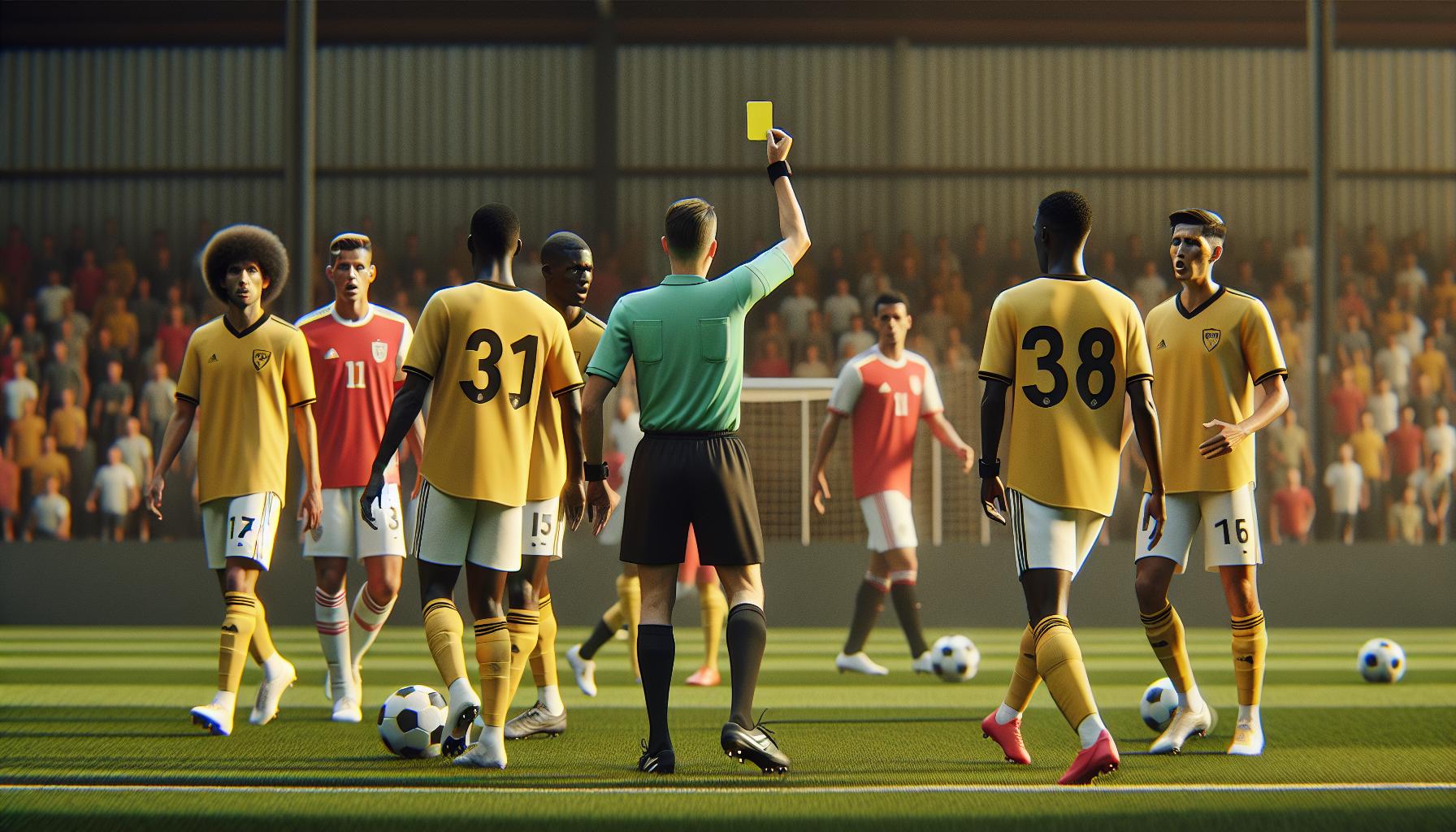
How Referees Decide When to Show yellow Cards
Few decisions on the pitch carry as much subtlety and outcome as the referee’s choice to brandish a yellow card.This moment frequently enough unfolds in a split second, where the referee must dissect the intent, impact, and context behind a player’s actions while under immense pressure from the roaring stadium, players, and coaching staff. It’s a nuanced judgment that blends the referee’s experience with the Laws of the Game, weighing whether an infringement crosses the threshold from mere foul to cautionable offense-a delicate balance between preserving the flow of play and enforcing discipline to safeguard fairness and safety.
Referees rely heavily on a dynamic framework of criteria,developed over decades,to maintain consistency in these calls. Beyond the visible nature of the foul itself-such as reckless tackles or deliberate handballs-officials watch for the behavior’s intent and potential to escalate conflict. For example, an aggressive elbow or a calculated tactical foul that stops a clear scoring chance often triggers a yellow card. Equally, dissent expressed via verbal protests or gestures signals a challenge to the referee’s authority, warranting a caution to affirm control. Veteran referees like pierluigi Collina emphasize situational awareness, recognizing when a warning might calm tempers or if a firmer message is needed to prevent match disruption. coaches also share insights, advising players to “keep the fire but stay under the radar,” understanding that psychological composure can often forestall a costly booking.
How Referees Assess Caution-Worthy Offenses
- Degree of Recklessness: Was the challenge careless or dangerously reckless? A tackle with excessive force often prompts a yellow card, while genuine mistimed attempts might draw only a foul.
- Impact on Play: Did the foul deny a promising attack or halt a counterattack? Tactical fouls designed to disrupt opponents are prime candidates for caution.
- Repeat Offenses: Persistent infringements that erode the game’s rhythm signal the need for formal warnings to restore order.
- Player Conduct Post-Foul: Dissent or provocative behavior immediately following an infringement often escalates the referee’s response.
- Game Context and temperature: Referees consider the current state of the match-intensity, scoreline tension, and previous incidents-to judge how firmly to apply disciplinary measures.
Such decisions are not fixed rules but rather calls filtered through the referee’s interpretation and the game’s unique pulse. This human element imbues soccer with its dramatic unpredictability, captivating fans and fueling debates long after the final whistle. Ultimately, yellow cards serve as vital tools-a mix of stern reprimand and strategic message-guiding players toward respectful play while preserving the sport’s cherished spirit.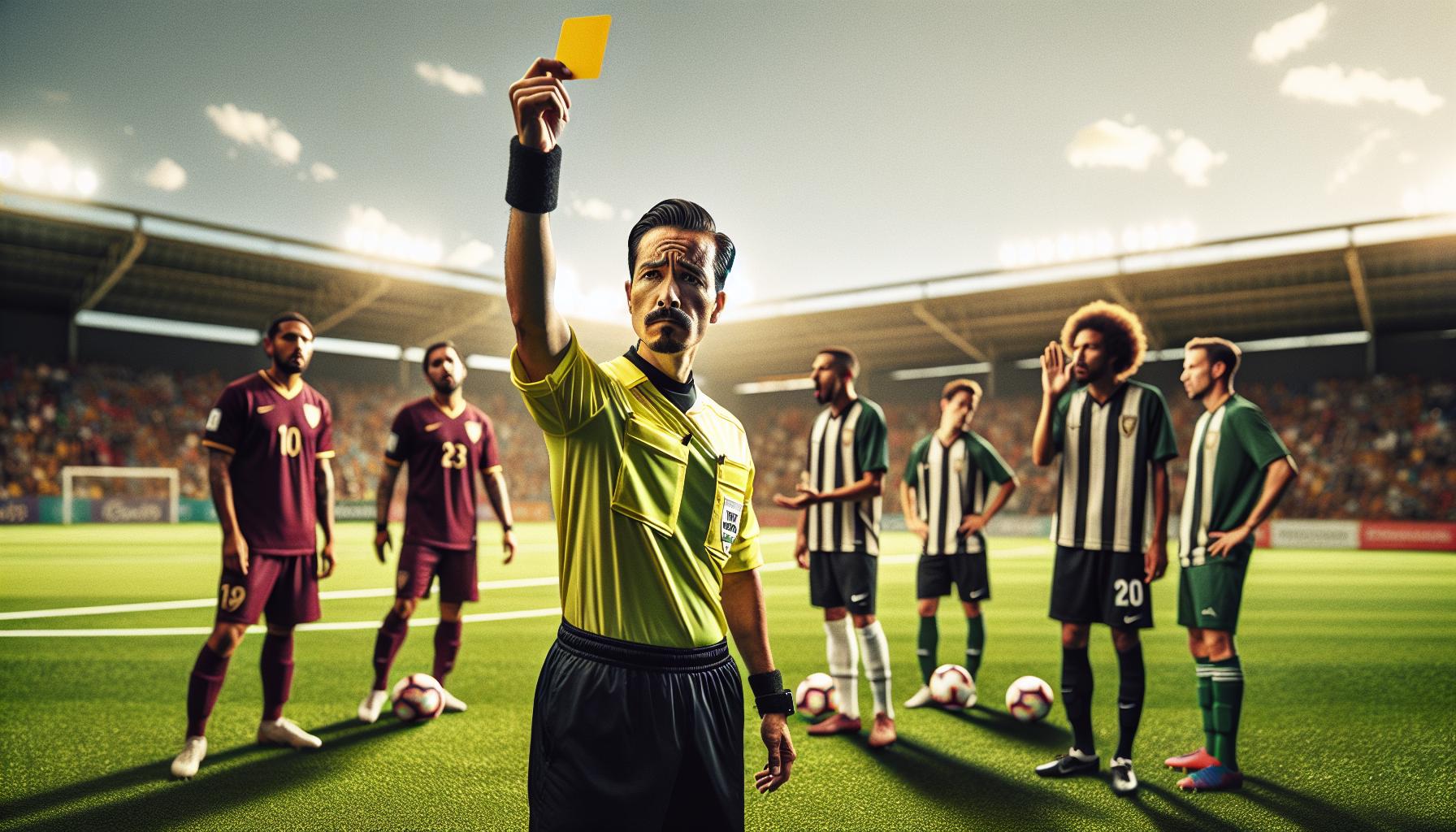
Impact of Yellow cards on Player and Team Strategy
Few moments in soccer compel a team to rethink their entire game plan quite like when a key player picks up a yellow card.This caution is not just a formal warning but a pivotal signal that reshapes both individual behavior and collective tactics. Consider how tactical discipline suddenly becomes paramount: players under threat of a second booking must balance aggression with caution, frequently enough curtailing their natural style to avoid risking an expulsion. Coaches frequently alter formations or substitute players to shield those vulnerable to suspension, illustrating how a single yellow card resonates far beyond the immediate moment, echoing throughout the rhythm and flow of the match.
The strategic ripple effect extends further as teams adapt to the psychological and physical constraints imposed by a booking. For instance, defenders who might otherwise engage in robust challenges may now hesitate, creating subtle gaps for opponents to exploit. Mourinho, known for his strategic acumen, has frequently enough highlighted that “managing a booked player is as much about preserving mental composure as physical stamina.” A classic example unfolded during the 2010 World Cup final, where Germany’s Philipp Lahm received an early yellow card, forcing the veteran full-back to temper his incisive runs and commit cautiously to tackles.This shift influenced Germany’s defensive solidity and attacking balance for the remainder of the game. Small adjustments like these underscore how yellow cards can serve as tactical fulcrums that influence everything from pressing intensity to player marking responsibilities.
Adapting Team strategy Mid-Match
- Substitution Patterns: Coaches may opt to replace a booked player earlier than planned to avoid a potential red card that reduces team numbers.
- Positional Changes: Players on caution might be repositioned to less risky areas of the pitch, reducing exposure to high-pressure duels or physical confrontations.
- Interaction Emphasis: Captains and teammates increase support through constant communication,reminding cautioned players to stay disciplined and avoid emotional responses.
- Tactical Fouling Review: Teams may discourage deliberate tactical fouling by booked players, instead encouraging smarter interception and positioning.
Navigating the intricate dance of aggression and discipline within the constraints of yellow card status tests a team’s mental resilience as much as its physical prowess. This nuance is part of soccer’s enduring allure-where split-second decisions can reverberate across tournaments and legacies, shaping how legends are remembered.
The History and Evolution of Yellow Cards in Soccer
Few innovations have changed the rhythm and emotional charge of soccer quite like the introduction of the yellow card-an invention born out of the need for clearer, more consistent communication on the field. Before its debut, referees relied heavily on verbal warnings and memory, which often led to confusion and controversy. The yellow card system was first piloted in the 1966 World Cup but only formally introduced in 1970, thanks to English referee Ken Aston’s inspiration, who famously adapted the red and yellow traffic light signals into a universal language all players and fans could instantly grasp. This simple yet effective innovation not only brought transparency to disciplinary actions but also shaped player behavior and coaching strategies in ways that endure today.Since those early days, yellow cards have evolved alongside the game’s tactics and cultural demands. The rules governing cautions have expanded to cover a broad array of offenses-from tactical fouls to dissent-reflecting soccer’s dynamic nature and ethical expectations. Coaches like Sir Alex Ferguson have highlighted how managing players on a caution requires psychological insight, noting, “A booked player must channel aggression intelligently, or risk shifting the balance of the match.” Iconic stories abound where legendary players used the yellow card as a double-edged sword; such as, Carlos Caszely’s persistent aggression in the 1974 World Cup earned him bookings but also galvanized Chile’s fighting spirit. Today, alongside technological aids like VAR, yellow cards continue to be a tactical signal as much as a disciplinary tool, reminding players and fans alike of the sport’s compelling mix of passion and fairness.
Practical Lessons from History
- Clear Communication Matters: The visual clarity of yellow cards has made refereeing more authoritative and less subjective, benefiting players, coaches, and supporters.
- Behavioral Impact: Players learn early in their careers that a yellow card changes the flow of their game, encouraging smarter, more disciplined play.
- Evolution with Technology: The introduction of VAR and other tools has fine-tuned how referees apply yellow cards, ensuring fairness in split-second decisions.
- Cultural Variations: Despite a global rulebook, interpretations of what warrants a yellow card vary, reflecting different leagues’ playing styles and values.
Yellow Cards vs. Red Cards: What’s the Difference?
Refereeing a soccer match is frequently enough a delicate balance between maintaining control and preserving the flow of the game-and nowhere is this more evident than in the distinction between yellow and red cards. While both serve as disciplinary measures, their impact on a player’s behavior and the team’s strategy couldn’t be more different. A yellow card acts as a caution, a formal warning that a player has crossed the line-whether for a reckless tackle, dissent, or tactical disruption, like deliberately stopping a promising attack. It’s a signal not just to the player but to everyone on the pitch that tempers and timing must be reconsidered. Veteran midfielders like Andrea Pirlo have famously turned yellow cards into strategic reminders, adapting their play to avoid further infractions while still influencing the game’s rhythm. In contrast, a red card delivers a decisive and often game-changing blow: immediate ejection from the field, leaving the team a player short and dramatically shifting the match’s tactical landscape.
Understanding the nuanced consequences of these cards helps fans and players alike appreciate the layers of strategy within soccer’s discipline system. Being shown a yellow card does not remove a player from the contest but places them under intense scrutiny; one more misstep results not only in a second yellow but a red card, forcing the team to readjust midway through the action. Coaches often advise players to ‘play smart,’ especially when already cautioned, balancing competitive aggression with caution. The ultimate gravity of a red card is underscored in landmark games-such as Zinedine Zidane’s infamous 2006 World Cup final headbutt, where the red card shifted the narrative from glory to heartbreak. Meanwhile, the introduction of VAR technology adds yet another dynamic, ensuring that the decisions guiding yellow and red cards are as accurate and fair as possible, protecting the spirit of the game. For players and supporters, these cards are more than just colored pieces of plastic-they are storytelling devices embodying the drama, passion, and fairness at soccer’s core.
Key differences at a Glance
| Aspect | Yellow Card | red Card |
|---|---|---|
| Purpose | Formal warning/caution | Immediate dismissal/ejection |
| Effect on Player | Continues playing but at risk | Must leave field immediately |
| Consequences | Second yellow = red and send-off | One red card causes suspension |
| Impact on Team | No immediate loss of a player | Down to 10 men or fewer |
| Common Infractions | unsporting behavior, dissent, tactical fouls | Serious foul play, violent conduct, denial of goal-scoring prospect |
Practical Advice for players and Fans
- Players: Use a yellow card as a clear reminder to maintain discipline; adjust aggression wisely without losing competitive edge.
- Coaches: Monitor players’ cards closely-substitutions may be critical to avoid playing shorthanded.
- Fans: Understand the strategic implications behind cautions; a yellow card is often as tactically significant as a goal.
Famous Matches defined by Yellow Card Drama
Few moments capture the raw, electrifying tension of soccer quite like a cascade of yellow cards shaping the drama on the pitch. These moments aren’t just about players being cautioned-they embody strategic chess matches between players, coaches, and referees, where discipline and daring collide. Take, as a notable example, the infamous 2006 FIFA World Cup quarterfinal between Portugal and the Netherlands, dubbed the ”Battle of Nuremberg.” With a record 16 yellow cards handed out by referee Valentin Ivanov, this match became a staggering showcase of how relentless pressure and emotional intensity can push players to their limits. Coaches on both sides juggled the delicate task of keeping fiery talents in check while pushing their teams toward victory,knowing that one more reckless challenge could tip the balance from caution to catastrophe.Similarly, the 2010 World Cup final between Spain and the Netherlands saw several pivotal yellow cards that dramatically influenced the game’s tempo and player behavior.Spain’s midfield maestro Xavi once remarked about playing under the shadow of a yellow card, “You constantly have to reinvent your way to influence the game while protecting yourself from the second booking that means expulsion.” This insight reveals how a single yellow card in a high-stakes clash can reshape a player’s mindset, encouraging calculated aggression and tactical savvy over reckless confrontations. Coaches frequently enough remind their players to channel frustration into smart defending and ball control rather than rash fouls, transforming yellow card moments into critical mental battles. For fans and players alike, these matches serve as a vivid reminder that while goals win games, the discipline reflected in yellow cards frequently enough tells the story beneath the scoreboard.
Lessons from Legendary Yellow Card Battles
- Players: Harness the caution as a cue to sharpen focus, blending assertiveness with prudence to remain impactful without risking further penalties.
- Coaches: Anticipate tactical adjustments by substituting players on warnings to preserve team balance and exploit opponent vulnerabilities.
- Fans: Appreciate how intense discipline moments add layers of excitement and tactical intrigue, enriching the narrative beyond goals.
What Happens After a Player Gets a Yellow Card?
Few moments in soccer carry as much weight as when a player sees a yellow card flash from the referee’s hand. This act is far from a simple reprimand; it instantly alters the landscape of the match for the player, the team, and even the opposing side. Once cautioned, a player is thrust into a psychological and strategic tightrope walk-every tackle, every challenge, is scrutinized under the looming threat of a second booking that means immediate expulsion. Icons like Xavi and Sergio Ramos have famously spoken about the intense self-discipline required after receiving a yellow card, emphasizing how it shapes not only their style of play but their entire game plan. Coaches often counsel players to channel their aggression into smarter, more calculated moves, transforming a moment of vulnerability into an opportunity for tactical growth and mental resilience.
This tactical pivot often ripples through the entire team’s strategy. Managers might substitute a booked player to protect them from a match-ending red card,preserving squad strength for crucial fixtures ahead. On the other hand, referees and opponents sense this new vulnerability and may exploit it by pressuring the cautioned player’s role on the pitch. Fans witness a dynamic chess match unfold, as the cautioned player must balance assertiveness with caution-a balancing act that can decide the fate of games on the razor’s edge. Beyond the immediate contest, yellow cards contribute to season-long narratives: accumulation of cautions can lead to suspension, forcing clubs to recalibrate lineups and strategies weeks in advance.The tactical and emotional weight behind a single yellow card is profound, underscoring the lovely complexity and drama that breathes life into soccer’s most compelling moments.
Practical Effects and Tactical Adjustments After a Yellow Card
- Player Behavior: Altered approach-favoring positioning and anticipation over risky tackles to avoid a second booking.
- Coaching Decisions: Potential substitutions to mitigate risk and refresh tactical shape.
- Opponents’ Strategy: Targeting the cautioned player to force errors or provoke fouls.
- Long-Term Consequences: Accumulated cards influencing player availability for future matches.
Rules on Accumulation and Suspension due to Yellow Cards
Few moments in soccer are as quietly pivotal as the warning sign a yellow card delivers-not just in the heat of a single game but across an entire season’s unfolding drama. The rules around yellow card accumulation shape much of the strategic fabric within leagues and tournaments worldwide,turning players’ behavior and coaching tactics into a finely tuned game of risk and reward. A player who edges too close to suspension through multiple cautions can reshuffle lineups, invite new formations, and redefine the narrative for clubs and national teams. The suspension triggered by card accumulation is more than a punitive measure; it’s a crucial balancing act honoring fair play while preserving the rhythm and flow of competition.
Typically, leagues and governing bodies set thresholds-often ranging from three to five yellow cards over a set number of matches-beyond which a player faces an automatic one-match ban. This system encourages discipline,asking players and coaches alike to monitor the delicate tally that could suddenly render an influential figure unavailable at a critical juncture. For example, during the UEFA Champions League, players are suspended after receiving three yellow cards in separate matches before the quarterfinals, with the slate wiped clean afterward to avoid players missing the tournament climax due to minor, early cautions. Such rules create narrative tension, as moments of brilliance on the pitch are shadowed by the ticking clock of card accumulation.
Tactical Implications of Yellow Card Accumulation
- Strategic Rotation: Coaches often rest key players on the cusp of suspension to avoid risking absence in crucial fixtures.
- Psychological Impact: Players must carefully balance aggression and control, knowing a single reckless challenge could rule them out of upcoming games.
- Opponents’ Targeting: Rival teams may pressurize players at risk of suspension, aiming to provoke errors or additional cautions.
- Suspension Duration: One-match bans are typical, but repeat offenders risk harsher punishments depending on the competition rules and disciplinary committees.
| competition | Yellow Cards Leading to Suspension | Reset Point |
|---|---|---|
| FIFA World Cup | 2 yellow cards in separate matches | After quarterfinals |
| UEFA Champions League | 3 yellow cards | After quarterfinals |
| English Premier League | 5 yellow cards by match 19; 10 by match 32; 15 for the full season | Season reset for new year |
The gravity of accumulation rules transcends mere statistics; it molds the real-time unfolding of matches. As veteran captain Sergio ramos once reflected, “A yellow card is a silent conversation between the referee and you-not just a warning but a challenge to control your passion without extinguishing it.” Coaches, players, and fans embrace the drama of this ongoing dialogue, where every caution carries weight far beyond the moment-a brilliant example of soccer’s capacity to intertwine physical contest, mental resilience, and strategic mastery into the beautiful game’s grand narrative.
How VAR Influences Yellow Card Decisions Today
the introduction of Video Assistant Referee (VAR) technology has transformed the way yellow card decisions are scrutinized, blending human judgment with technological precision to uphold fairness and clarity. VAR acts as an invaluable safety net, allowing referees to review key moments that may have been too fast or too close to call in real time. This means that cautions – often game-changing warnings carrying strategic weight – are more accurately assessed, reducing controversies that once clouded matches with uncertainty. For example, cases of simulation or “diving” can be conclusively checked, preventing players from receiving undeserved cautions, while clear instances of reckless fouls are more consistently sanctioned. The ripple effect this has on player discipline and team tactics is profound,as coaches and players alike adjust their approach knowing that borderline incidents are under close technological watch.
Yet, while VAR has brought a new dimension of accountability, it also introduces a delicate rhythm to the game’s flow, challenging referees to maintain their authoritative presence while consulting video replays. Players often describe this dynamic as a double-edged sword: the safety of transparent decisions balances against the tension of brief but impactful interruptions. coaches stress the importance of mental resilience and adaptability, highlighting how players must keep their focus sharp, even when pending VAR checks loom over potential yellow card situations.In tournaments like the FIFA World Cup and UEFA Champions League, where the stakes crescendo with each passing match, VAR’s influence extends beyond the moment – it shapes narratives of discipline, risk-taking, and redemption.As liverpool’s manager once noted, “VAR has sharpened our players’ awareness about challenges – no longer can you rely on a referee missing something; every tackle counts, and every booking has consequences far beyond the field.”
- Maintain Composure: Players should remain calm during VAR reviews to avoid compounding pressure that can lead to rash behavior and further cautions.
- Clear Communication: Coaches must prepare players to understand VAR protocols, building patience and strategic response to delayed decisions.
- Study VAR Trends: Teams benefit from analyzing how VAR is applied in their leagues, adjusting aggressiveness and tackling styles accordingly.
- Leverage VAR for Fair Play: Athletes can trust that honest play is increasingly rewarded while needless provocation risks clear punishment.
VAR’s integration is a powerful chapter in soccer’s ongoing evolution, marrying the customary authority of referees with modern technology to protect the integrity, passion, and drama that define each yellow card moment.
frequently Asked Questions
Q: How does a yellow card affect a player’s behavior during a soccer match?
A: A yellow card serves as a formal warning that encourages players to play more cautiously to avoid a second booking. This often leads to more disciplined tackles and fewer fouls, as a second yellow means automatic ejection from the game. Understanding this can shift team tactics to protect key players under caution.Q: Can a yellow card be given for dissent or unsporting conduct in soccer?
A: Yes, referees issue yellow cards for dissent, such as arguing with officials or showing disrespectful behavior. this enforces *sportsmanship* and ensures players maintain respect on the field, impacting team dynamics and game flow. See the section on key infractions for deeper insight into these rules.
Q: When do accumulated yellow cards lead to player suspensions in tournaments?
A: Accumulating a specific number of yellow cards-often two or three across matches-results in a suspension for the next game in many competitions. This rule encourages disciplined play over a tournament’s duration and is covered in detail under accumulation and suspension regulations.
Q: How do coaches adjust team strategy after a player receives a yellow card?
A: coaches may reposition or substitute a booked player to minimize risk, often instructing them to avoid aggressive challenges. This tactical adaptation protects players from second bookings and helps maintain team strength,linking closely with the article’s section on team strategy impact.
Q: What is the difference between a tactical foul deserving a yellow card and aggressive foul play?
A: Tactical fouls are strategic, nonviolent infringements that disrupt opponent attacks and usually earn a yellow card, while aggressive foul play often results in straight red cards due to serious physical danger. Understanding this fine line helps fans appreciate referees’ challenges in decision-making.
Q: are yellow cards ever rescinded after matches, and how does that process work?
A: Yes, governing bodies can review match incidents and rescind wrongful yellow cards, especially in tournaments. Teams submit appeals with video evidence, which can restore player eligibility and fairness. This ensures accountability beyond the immediate match context.
Q: How do yellow cards influence player psychology and team morale in high-stakes soccer games?
A: Yellow cards can create *tension* and force players to adapt mentally, balancing aggression and caution. This dynamic often shifts momentum,affecting entire team morale and performance under pressure-topics explored in tactical and emotional sections of the main article.
Q: What are some lesser-known scenarios where a yellow card might be shown in soccer?
A: Yellow cards can be issued for time-wasting, removing jerseys during celebrations, or entering/exiting the field without permission. These nuanced infractions help maintain match flow and decorum, enriching understanding beyond common fouls and contributing to the game’s drama.
For an immersive experience with vivid match stories and expert insights on yellow cards and their strategic impact, explore the related sections on [Impact of Yellow Cards on Player and Team Strategy] and [Famous Matches Defined by Yellow Card drama] in the main article. Staying informed sharpens your fan outlook and deepens the passion for soccer’s thrilling unpredictability.
To Wrap It Up
Understanding how yellow cards shape the flow of soccer matches reveals more than just rules-it uncovers the drama behind every tactical decision and player’s passion on the pitch. as you now know,these essential warnings don’t just keep players in check; they influence game-changing moments that define careers and championships.Ready to deepen your soccer insights? Explore our detailed breakdown of red card rules and discover how referees balance fairness and intensity in every match.
Don’t miss out on staying ahead of the game-sign up for our newsletter for expert analysis, player profiles, and exclusive tournament previews that bring the beautiful game to life. Curious about how fouls and penalties impact team strategy? Check out our in-depth guide on soccer fouls to elevate your understanding and engage in the vibrant community of passionate fans who live and breathe the sport.Share your thoughts below and join the conversation-because every yellow card tells a story, and we want to hear yours.
A: Yes, referees issue yellow cards for dissent, such as arguing with officials or showing disrespectful behavior. this enforces *sportsmanship* and ensures players maintain respect on the field, impacting team dynamics and game flow. See the section on key infractions for deeper insight into these rules.
A: coaches may reposition or substitute a booked player to minimize risk, often instructing them to avoid aggressive challenges. This tactical adaptation protects players from second bookings and helps maintain team strength,linking closely with the article’s section on team strategy impact.
Get our latest guides, news, and insights highlighted in your Google Search & AI Overviews.