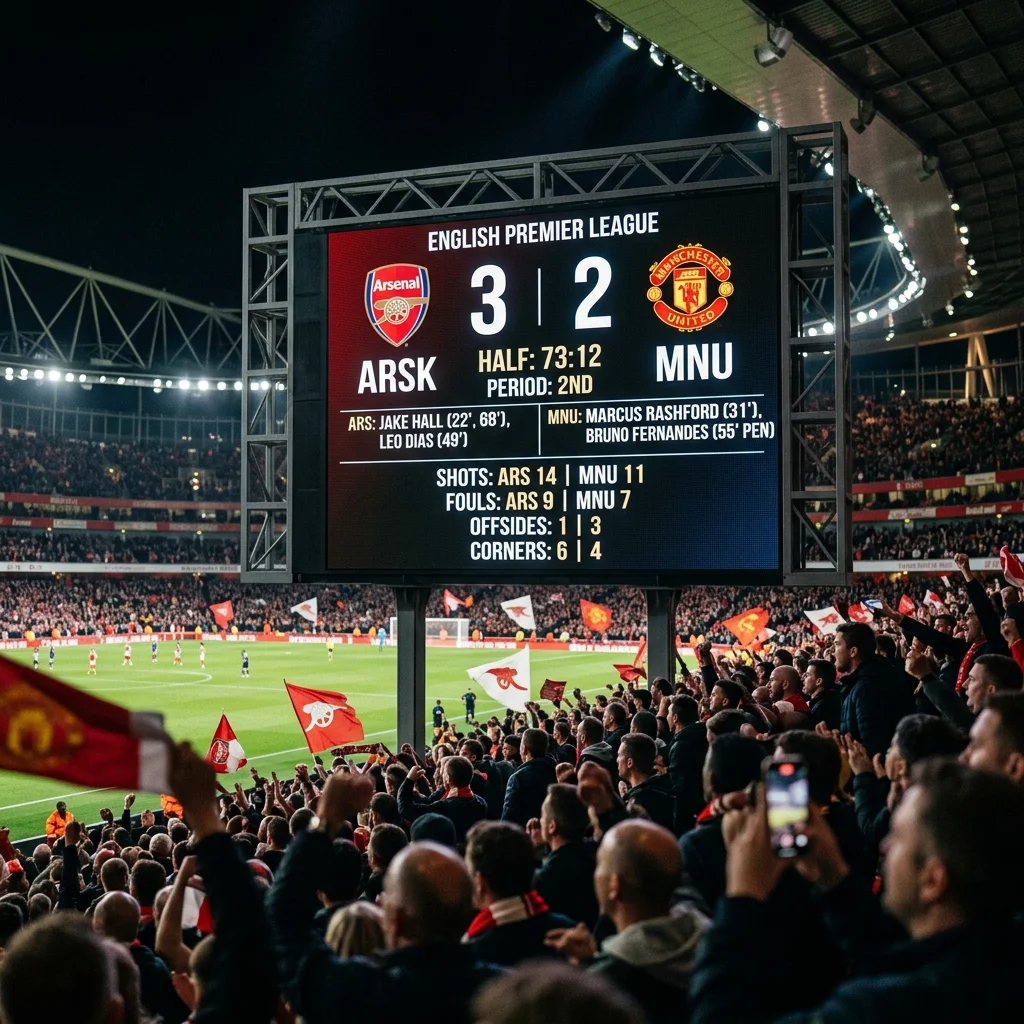
A standard professional soccer game lasts approximately 115 to 120 minutes on television, starting from the pre-game broadcast to the final whistle. This includes 90 minutes of regulation play, a 15-minute halftime break, and about 5 to 10 minutes of stoppage time. For a TV viewer, blocking out two full hours is the standard rule of thumb for any regular-season match.
When you tune into a major tournament like the World Cup or the Champions League knockout stages, the broadcast window can easily stretch to 150 minutes or more. If a match is tied and goes into extra time (30 additional minutes) followed by a penalty shootout, the total on-screen time expands significantly. Unlike American football or basketball, soccer runs on a continuous clock without frequent commercial interruptions during active play, making it one of the most predictable sports for TV scheduling.
Key Takeaways
- Standard Broadcast Window: A regular match typically demands a 2-hour TV slot (120 minutes total).
- No Commercials During Play: TV networks air commercials only before the game, during the 15-minute halftime, and after the final whistle.
- Knockout Stage Variables: Extra time and penalty shootouts can extend the broadcast by an additional 45 to 50 minutes.
Contents
- How Long is a Soccer Match on TV? (The Basics)
- Regulation Time vs. Broadcast Time (The Breakdown)
- Extra Time and Penalty Shootouts (Extended Broadcasts)
- Commercial Breaks and Halftime in Soccer Broadcasts
- Why Soccer Games Don’t Have Traditional Timeouts
- Frequently Asked Questions
- How long is a soccer game on TV total?
- Do TV networks show commercials during soccer matches?
- How long does halftime last in a televised soccer game?
- Why do some soccer broadcasts last longer than two hours?
How Long is a Soccer Match on TV? (The Basics)
The core of any soccer match is strictly regulated to 90 minutes, split into two 45-minute halves. However, the TV broadcast starts before the referee blows the first whistle. Most networks begin their coverage 15 to 30 minutes prior to kickoff for pre-match analysis and team lineups.
Once the game starts, the clock runs continuously. The referee adds “stoppage time” at the end of each half to compensate for injuries, substitutions, and goal celebrations. This typically adds 2 to 5 minutes to the first half and 4 to 8 minutes to the second half, slightly pushing the TV schedule.
Regulation Time vs. Broadcast Time (The Breakdown)
Understanding the exact timeline of a soccer broadcast helps viewers manage their time effectively. While the ball is in play for a fraction of the time, the broadcast fills the gaps with expert commentary and replays.
Here is a breakdown of a standard 2-hour soccer television slot:
| Phase of Broadcast | Duration | What You See on Screen |
|---|---|---|
| First Half | 45 mins + Stoppage | Continuous action, live commentary, instant replays. |
| Halftime Break | 15 mins | Studio analysis, highlights, and commercial advertisements. |
| Second Half | 45 mins + Stoppage | Decisive action, tactical changes, final whistle reactions. |
Extra Time and Penalty Shootouts (Extended Broadcasts)
Regular-season league games end in a tie after 90 minutes. However, in knockout tournaments like the FA Cup, Champions League, or the World Cup, a winner must be determined. This introduces the variable of extra time.
Extra time consists of two 15-minute halves, adding at least 30 minutes to the broadcast. If the score remains tied, the game moves to a penalty shootout, which takes roughly 10 to 15 minutes to complete. As a viewer, you must be prepared for the broadcast to stretch well past the 2.5-hour mark during high-stakes tournament matches.
⚠️ Viewer Warning: Tournament Overruns
If you are recording a knockout stage match on your DVR, always add an extra 60 minutes to the recording schedule. Overtime and penalty shootouts are unpredictable, and networks will often delay subsequent programming to finish the live broadcast.
Commercial Breaks and Halftime in Soccer Broadcasts
One of the greatest appeals of watching soccer on TV is the lack of commercial interruptions during active gameplay. Networks cannot cut to a commercial break while the ball is in play because the clock never stops ticking.
Instead, broadcasters heavily monetize the pre-game, the 15-minute halftime window, and the post-game show. During the match itself, you might see small banner ads or split-screen sponsor logos, but the camera stays glued to the pitch. This continuous flow creates a highly immersive viewing experience compared to other major television sports.
💡 Pro-Tip for Broadcaster Preferences
If you want in-depth tactical breakdowns, stay tuned during the halftime show. Premium broadcasters usually feature ex-professional players offering instant digital analysis of team formations and key plays during this 15-minute window.
Why Soccer Games Don’t Have Traditional Timeouts
Unlike basketball or American football, soccer managers cannot call a timeout to regroup their team or allow networks to run a 60-second ad spot. The continuous 45-minute half is a sacred rule of the sport, designed to test the physical and mental endurance of the players.
The only exception to this continuous clock on TV is the “cooling break” or “drinks break.” In extreme heat conditions, the referee may pause the match for 1 to 2 minutes midway through a half to allow players to hydrate. Broadcasters occasionally use this brief pause to show a quick replay, but it is not a scheduled commercial break.
Frequently Asked Questions
How long is a soccer game on TV total?
A standard soccer game broadcast takes exactly two hours. This covers the 90 minutes of regulation play, the 15-minute halftime, and the added stoppage time at the end of each half.
Do TV networks show commercials during soccer matches?
No, TV networks do not show full-screen commercials during active play in a soccer match. All advertisements are aired before the game, during the 15-minute halftime break, and after the final whistle.
How long does halftime last in a televised soccer game?
Halftime in a professional soccer game strictly lasts 15 minutes. Broadcasters use this exact window to show highlights, expert studio analysis, and commercial advertisements before the players return to the pitch.
Why do some soccer broadcasts last longer than two hours?
Soccer broadcasts stretch beyond two hours during knockout tournament matches if the teams are tied. In these situations, 30 minutes of extra time and a potential penalty shootout are added to determine the winner.
Understanding the broadcast schedule of a soccer match allows you to plan your viewing without missing a single crucial moment. Whether it is a quick 120-minute league clash or a dramatic, extended World Cup final, the continuous nature of the sport guarantees non-stop action. Grab your favorite snacks, settle in before kickoff, and enjoy the beautiful game uninterrupted. Ready to hit the pitch yourself? Check out our guides on essential soccer gear and training drills to elevate your own game.