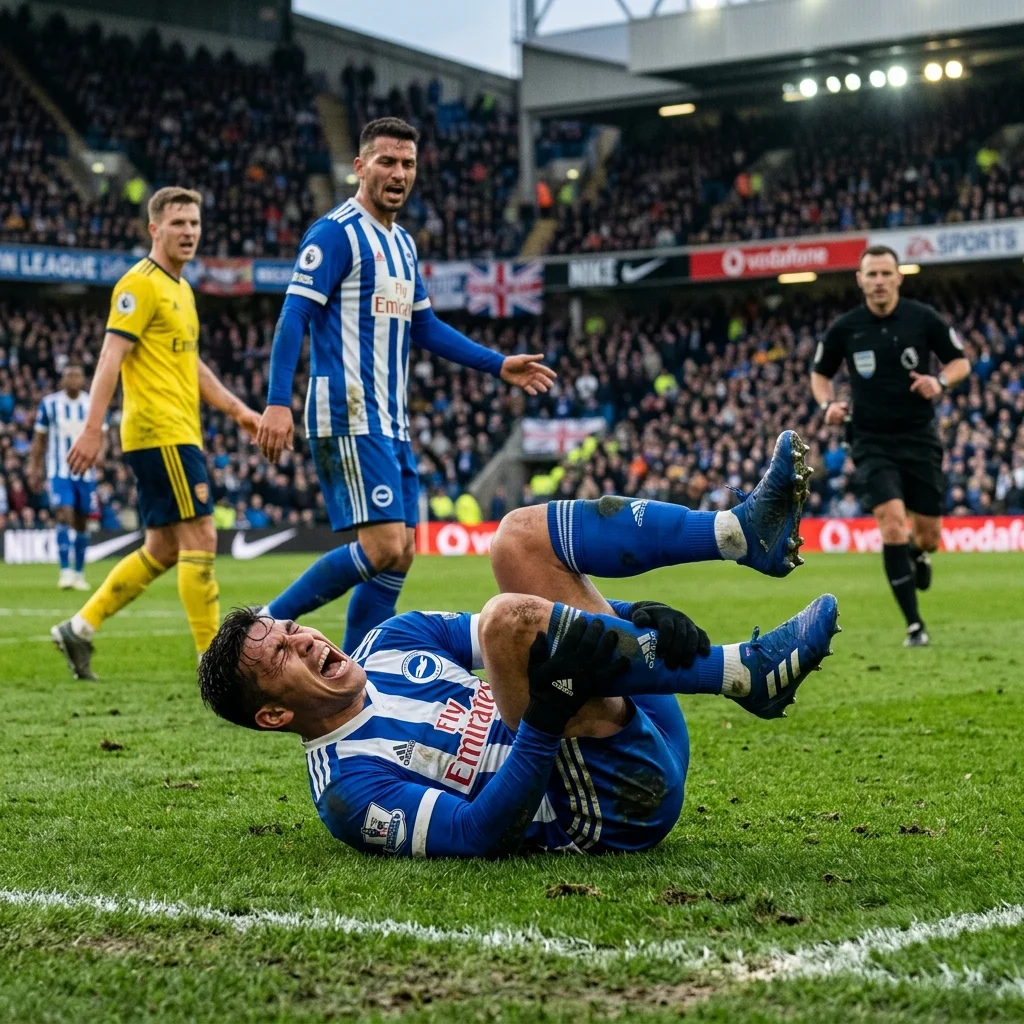
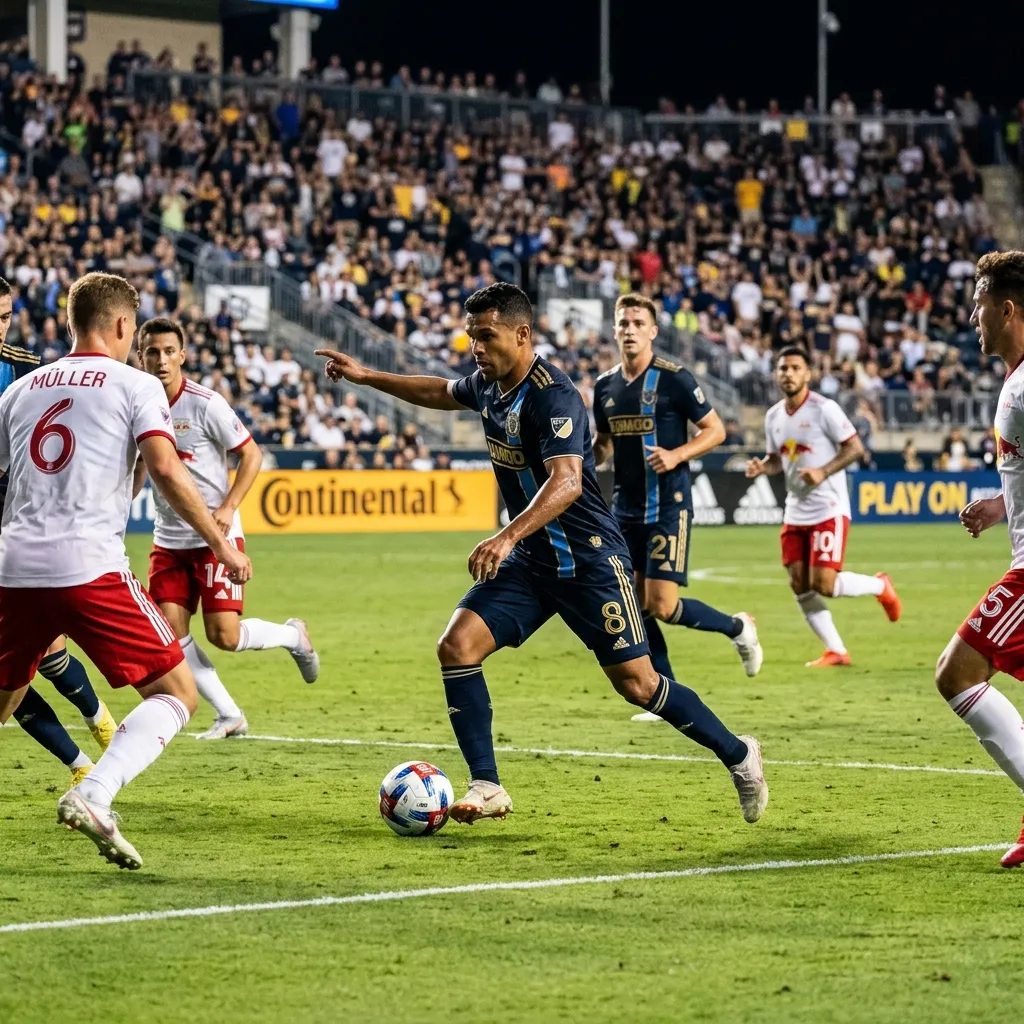
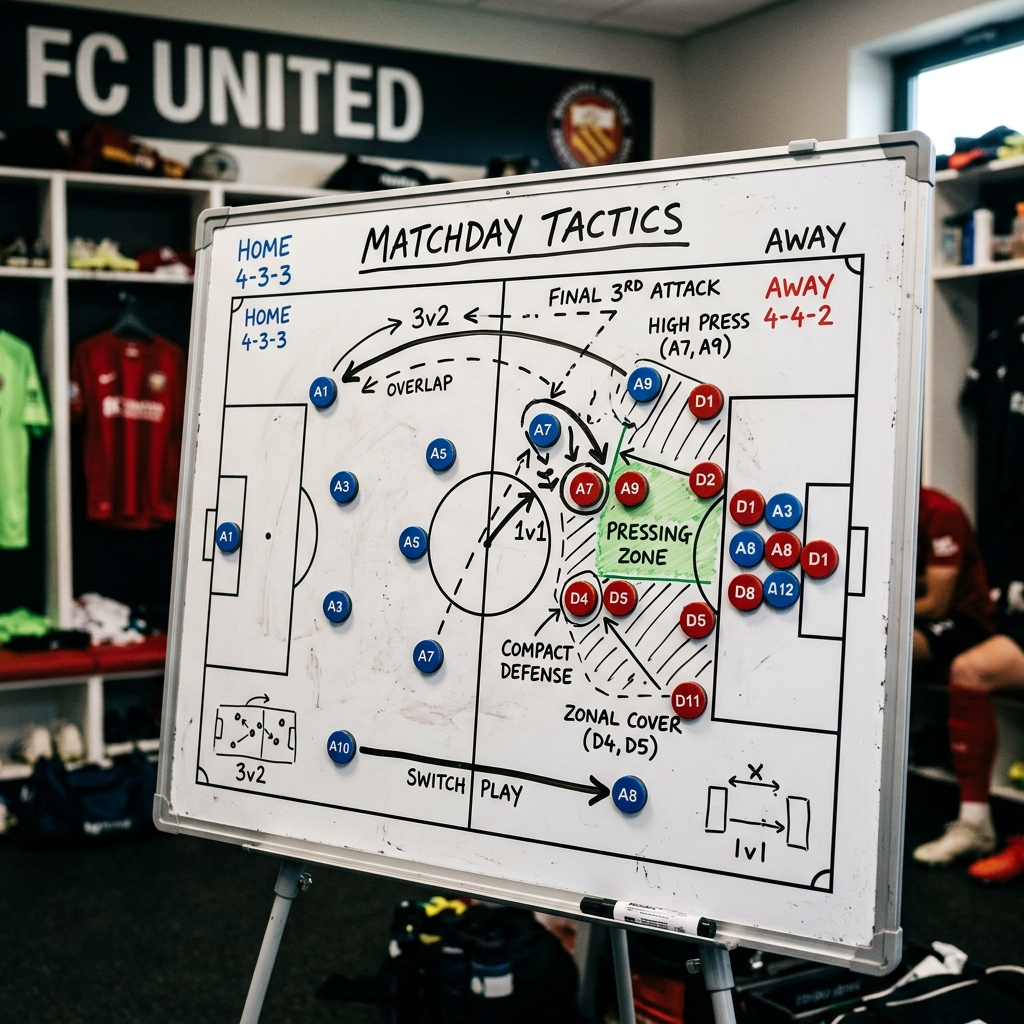
Yes, soccer games are officially called “matches” across the globe. While the term “game” is frequently used in casual conversation, especially in North America, “match” is the formal terminology recognized by FIFA, the English Premier League, and international soccer federations.
- The term “match” originates from British English and implies a formal, regulated contest between two teams.
- Organizations like FIFA universally use vocabulary like matchdays, match officials, and match balls.
- American football typically uses “game,” which influences how soccer is casually discussed in the United States.
Contents
Why Do We Call It a Match? The British Origins
The distinction between soccer and football terminology is deeply rooted in British sporting culture. In traditional British English, a “match” denotes a formal, organized contest that is overseen by appointed officials. When association football was standardized in the 19th century, the organizers adopted this formal terminology to distinguish it from casual, recreational play.
This is why global governing bodies and premier leagues universally refer to these 90-minute contests as matches. You will consistently hear references to “match officials” rather than referees, “match balls” instead of game balls, and “matchdays” rather than game days. The word implies a balanced, fair, and highly regulated competition.
Key Terminology Differences: Soccer vs. American Football
In American football, fans, broadcasters, and players predominantly use the word “game” to describe a contest. Think of the Super Bowl or a Friday night high school game. Because American sports culture heavily leans on this terminology, it naturally bleeds into how Americans talk about soccer.
However, traditional soccer relies on a highly specific vocabulary that extends well beyond just “match” and “game.” Embracing these terms is essential for deeply understanding the global sport.
| Global Soccer Term | American Sports Equivalent |
|---|---|
| Match | Game |
| Pitch | Field |
| Boots | Cleats |
| Kit | Uniform |
How Context Changes the Vocabulary We Use
The words you choose often depend entirely on your geographic location and the audience you are engaging with. If you are playing in a local recreational league in the United States, asking your teammates what time the “game” starts is perfectly normal and expected.
If you are traveling to Europe or interacting with international fans online, switching your vocabulary to “match,” “pitch,” and “kit” will immediately help you blend into the global soccer community.
Conversely, sports broadcasters covering international tournaments like the World Cup or the Champions League will strictly adhere to “match.” This maintains the sport’s traditional identity and ensures a unified broadcasting standard that resonates with billions of viewers worldwide.
The Global Impact of Soccer Terminology
Whether you call it association football or soccer, the core objective remains the same: scoring goals and outplaying the opponent. But language is a powerful tool that connects fans across different continents. Embracing traditional soccer terminology bridges the gap between American supporters and the historic roots of the game.
Understanding these subtle linguistic differences elevates your appreciation of the sport. It allows you to consume international media, read tactical analyses, and engage in debates with a deeper level of cultural awareness. So the next time you tune in on a Saturday morning, remember that you are not just watching a game—you are experiencing a match.
Frequently Asked Questions
Is it wrong to call a soccer match a game?
No, it is not wrong. In North America, “game” is the standard colloquial term, while “match” is the official terminology used by global organizations.
Does FIFA use the word game or match?
FIFA officially uses the word “match.” All of their rulebooks, scheduling documents, and official communications refer to matches and matchdays.
Why do British people say match instead of game?
In British English, “match” has historically been used to describe a formal, regulated sporting contest between two sides, whereas “game” can imply a more casual or recreational activity.
What is a friendly match in soccer?
A friendly match is an exhibition contest that does not impact a team’s standing in a competitive league or tournament. Despite being non-competitive, it is still officially referred to as a match.
{
“@context”: “https://schema.org”,
“@type”: “FAQPage”,
“mainEntity”: [
{
“@type”: “Question”,
“name”: “Is it wrong to call a soccer match a game?”,
“acceptedAnswer”: {
“@type”: “Answer”,
“text”: “No, it is not wrong. In North America, ‘game’ is the standard colloquial term, while ‘match’ is the official terminology used by global organizations.”
}
},
{
“@type”: “Question”,
“name”: “Does FIFA use the word game or match?”,
“acceptedAnswer”: {
“@type”: “Answer”,
“text”: “FIFA officially uses the word ‘match.’ All of their rulebooks, scheduling documents, and official communications refer to matches and matchdays.”
}
},
{
“@type”: “Question”,
“name”: “Why do British people say match instead of game?”,
“acceptedAnswer”: {
“@type”: “Answer”,
“text”: “In British English, ‘match’ has historically been used to describe a formal, regulated sporting contest between two sides, whereas ‘game’ can imply a more casual or recreational activity.”
}
},
{
“@type”: “Question”,
“name”: “What is a friendly match in soccer?”,
“acceptedAnswer”: {
“@type”: “Answer”,
“text”: “A friendly match is an exhibition contest that does not impact a team’s standing in a competitive league or tournament. Despite being non-competitive, it is still officially referred to as a match.”
}
}
]
}