Exploring the ins and outs of penalty box size in soccer – a fundamental aspect that can make or break a game with its strategic implications.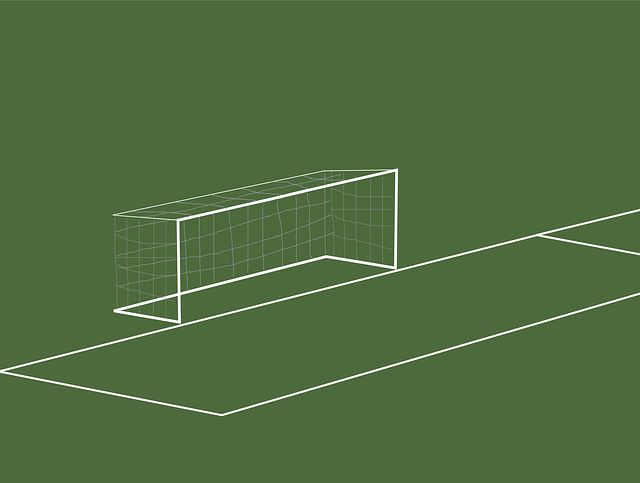
Contents
- 1. Understanding the Importance: The Penalty Box as a Crucial Part of the Soccer Field
- 2. Dimensions and Regulations: Exploring the Official Penalty Box Size in Soccer
- 3. The Impact on Game Dynamics: How Penalty Box Size Affects Strategy and Tactics
- 4. Goalkeeper’s Role and Challenges: Navigating the Penalty Box in Soccer Matches
- 5. Offensive Perspective: Maximizing Scoring Opportunities within the Penalty Box
- 6. Defensive Strategies: Defending the Penalty Box Effectively to Avoid Conceding Goals
- 7. Potential Revisions: Should the Size of the Soccer Penalty Box be Altered?
- 8. Analyzing Historical Data: Statistical Insights on Penalty Box Size and Performance
- 9. Recommendations and Considerations: Assessing the Need for Standardizing Penalty Box Dimensions
- 10. Balance Between Tradition and Innovation: Proposed Modifications to Optimize Penalty Box Size in Soccer
1. Understanding the Importance: The Penalty Box as a Crucial Part of the Soccer Field

The penalty box in soccer is a crucial part of the field, serving as a designated area where various rules and penalties come into play. Positioned right in front of the goal, this rectangular box acts as a restricted zone for both offensive and defensive players. Understanding the importance of the penalty box is essential for players, coaches, and fans alike, as it greatly impacts the dynamics and outcome of a match.
One of the key factors that contribute to the significance of the penalty box is its size. As per the Laws of the Game set by FIFA, the penalty box measures 18 yards in length and extends 44 yards in width. These dimensions serve a vital purpose, creating a space where certain rules and regulations regarding fouls and penalties are enforced. For instance, a foul committed by a defensive player inside the penalty box results in a penalty kick to the attacking team. This puts immense pressure on defending players to avoid such fouls while ensuring the goal is protected.
2. Dimensions and Regulations: Exploring the Official Penalty Box Size in Soccer

The dimensions and regulations surrounding the penalty box in soccer are of paramount importance to the game. As an essential area on the field, the penalty box plays a crucial role in determining the outcome of matches. To fully understand its significance, one must explore the official size and regulations that govern its existence.
Firstly, let’s delve into the dimensions of the penalty box. According to FIFA regulations, the penalty box is rectangular in shape, measuring 44 yards in width and 18 yards in length. Its size remains consistent across all levels of professional soccer, ensuring a standardized playing field and fair competition. The boundaries of the penalty box are marked by distinct lines, which separate it from the rest of the pitch. These lines serve as a vital reference point for both players and officials, allowing for accurate decision-making during crucial moments in the game.
Moreover, it is important to note the regulations that apply within the penalty box. This marked area serves as a sanctuary for the defending team to protect their goal from opposing attackers. Once inside the penalty box, the defending team must exercise caution, as any foul committed can lead to severe consequences, including the awarding of a penalty kick to the opposing team. This regulation not only emphasizes the intensity and importance of the penalty box but also heightens the drama and excitement of the game for both players and spectators alike.
Understanding the dimensions and regulations surrounding the penalty box provides valuable insight into the game of soccer. From the critical decisions made by officials to the strategic maneuvers executed by players, this seemingly simple area on the field holds great significance. As the boundaries of the penalty box are respected and adhered to, this space becomes an emblem of fair play, where the outcome of a match can change in an instant.
3. The Impact on Game Dynamics: How Penalty Box Size Affects Strategy and Tactics

When it comes to the game of soccer, every aspect of the field plays a crucial role in shaping the dynamics of the game. One such element that often goes unnoticed but significantly impacts strategy and tactics is the size of the penalty box. The penalty box, also known as the 18-yard box, is the area directly in front of the goal where fouls committed by the defending team result in penalty kicks. Its dimensions can vary, but the size of the penalty box has far-reaching implications for both attacking and defending teams.
A larger penalty box allows for greater defensive coverage, forcing attacking players to stretch their movements and reducing their ability to penetrate deep into the box. This means that teams with strong defenses can exploit the larger space by adopting a more compact defensive formation, making it difficult for their opponents to find openings for goal-scoring opportunities. Additionally, defending teams can employ a zonal marking strategy, where each defender is responsible for a specific area within the box, effectively shutting down attacking movements and minimizing the risk of conceding goals. On the other hand, a smaller penalty box favors attacking teams, providing them with more opportunities to breach the defense and increasing the likelihood of creating goal-scoring chances.

The penalty box in soccer is a crucial area of the field that holds immense significance for goalkeepers. Positioned directly in front of the goal, it is a challenging zone to navigate as it presents unique responsibilities and obstacles. The primary role of a goalkeeper within the penalty box is to safeguard the goal and prevent the opposing team from scoring. This requires a combination of quick reflexes, strategic positioning, and impeccable decision-making skills.
One of the key challenges faced by goalkeepers in the penalty box is dealing with high-pressure situations. The penalty box is often a battleground for intense attacks from the opposing team, with players attempting to score goals while facing limited time and space. Goalkeepers must remain focused and composed, constantly analyzing the movements of the opposition and making split-second decisions to thwart their attempts.
To succeed in the penalty box, goalkeepers must possess exceptional command of their physicality. They need to be agile and have the ability to swiftly change direction, dive, jump, or make athletic saves using their hands or feet. Their positioning within the penalty box is critical, as it allows them to cover the most vulnerable areas of the goal and maximize their chances of making successful saves. Additionally, goalkeepers must possess excellent communication skills, as they often act as the on-field leaders, directing their defenders and ensuring the team stays organized and cohesive in defending against opponents’ attacks. It is within the penalty box that goalkeepers truly showcase their skills and become the last line of defense for their team.
5. Offensive Perspective: Maximizing Scoring Opportunities within the Penalty Box
The size of the penalty box in soccer is a crucial element that greatly influences offensive strategies and scoring opportunities. Maximizing these opportunities within the penalty box requires players to have a deep understanding of the space available and how to exploit it to their advantage. Here are some key offensive perspectives to consider when aiming to make the most out of the penalty box:
Movement and positioning: Players must constantly be on the move within the penalty box, creating space for themselves and making it difficult for defenders to mark them effectively. It is essential to position oneself strategically to be in the best possible scoring position and exploit any gaps in the opposing team’s defense.
Timing of runs: Timing is everything when it comes to breaking into the penalty box. Skilled attackers must have a keen sense of when to make their forward runs, anticipating the delivery of crosses or through balls. By making well-timed runs, players can catch the defense off-guard, increasing their chances of receiving the ball in a prime scoring position.
Communication and collaboration: Effective scoring opportunities within the penalty box often rely on teamwork. Players must communicate with their teammates, signaling their intentions and creating space for each other. Quick one-two passes and clever movement off the ball can help open up gaps in the defense and create scoring opportunities.
Exploiting set-pieces: Set-pieces, such as corners and free kicks, offer valuable opportunities to score within the penalty box. Teams should devise well-rehearsed routines and exploit the confusion that often arises in these situations. Players should position themselves strategically, aiming to be in the right place at the right time for a potential goal-scoring chance.
Maximizing scoring opportunities within the penalty box requires a combination of skill, understanding, and teamwork. By employing these offensive perspectives, players can increase their chances of finding the back of the net and leading their team to victory.
6. Defensive Strategies: Defending the Penalty Box Effectively to Avoid Conceding Goals
In the game of soccer, the penalty box is undoubtedly a crucial part of the field. This small rectangular area, measuring 18 yards long and 44 yards wide, holds immense significance for both offensive and defensive strategies. While attackers aim to penetrate this area and score goals, defending teams must adopt effective strategies to avoid conceding goals. Here, we will explore some defensive tactics that teams can employ to defend the penalty box effectively.
Establishing a solid defensive line: A well-organized and disciplined defensive line is essential in preventing opposing players from entering the penalty box with ease. By maintaining a line of defenders near the edge of the box, you can restrict the space in which attackers have to operate. Additionally, a solid defensive line ensures that defenders are in the best position to intercept passes, block shots, and maintain tactical discipline throughout the game.
Employing zonal marking: Zonal marking is a common defensive strategy used to defend the penalty box. This involves assigning specific zones to each defender, allowing them to cover a designated area rather than marking individual players. By doing so, defenders can focus on intercepting crosses, blocking passing lanes, and clearing the ball out of danger. Zonal marking ensures that there are no gaps or spaces for attackers to exploit within the penalty box, making it harder for them to find scoring opportunities. It relies on strong communication and coordination among defenders to ensure that all zones are adequately covered. By implementing this strategy, teams can effectively neutralize their opponent’s attacking threat and minimize the risk of conceding goals within the penalty box.
Closing down attackers quickly: When an opposing player attempts to enter the penalty box, a quick and assertive response from defenders can deter them from making successful attacking moves. Defenders should prioritize closing down attackers promptly, applying pressure to force them into making hurried decisions and potentially losing possession. By closing down attackers quickly, defenders can limit their time on the ball and create a sense of urgency, making it difficult for them to execute their intended strategies effectively.
Maintaining a compact defensive shape: Maintaining a compact defensive shape is crucial to defending the penalty box effectively. Defenders should position themselves strategically to cut off passing lanes and prevent attackers from finding gaps in the defense. By staying close to one another, defenders can create a wall-like barrier that is difficult for attackers to penetrate. This strategy not only limits the spaces available for attackers but also enables defenders to provide support and cover each other in case one player gets beaten. It is imperative for defenders to stay alert, maintain good positioning, and make quick decisions to counter any attacking threats faced within the penalty box.
By implementing these defensive strategies, teams can effectively defend the penalty box, minimize scoring opportunities for their opponents, and significantly reduce the risk of conceding goals. Defensive strategies should be tailored to the strengths and weaknesses of the team and must be practiced diligently to ensure optimal execution during a match. Remember, a strong defensive presence within the penalty box can be a game-changer, allowing your team to maintain control, frustrate the opposition, and pave the way for success.
7. Potential Revisions: Should the Size of the Soccer Penalty Box be Altered?
When it comes to the rules and regulations of soccer, every detail matters. One crucial aspect of the field that has been discussed and debated is the size of the penalty box. The penalty box is an area located directly in front of the goal, where fouls committed by the defending team result in a penalty kick for the attacking team. Currently, the penalty box measures 18 yards in length and extends 6 yards from the goal line. However, there are arguments both in favor of altering the size of the penalty box and keeping it as it is.
Those who advocate for altering the size of the penalty box argue that increasing or decreasing its dimensions could have a significant impact on the game. Proponents of a larger penalty box assert that it would offer more space for attackers to maneuver and create scoring opportunities, as well as reduce the chances of defenders crowding the area. On the other hand, supporters of a smaller penalty box contend that a compact space would make it more challenging for attackers to navigate through defenders, resulting in a more evenly matched contest. Additionally, they argue that reducing the size of the penalty box would promote fast and exciting gameplay, as scoring goals would become even more of an accomplishment.
8. Analyzing Historical Data: Statistical Insights on Penalty Box Size and Performance
The penalty box in soccer is a crucial element of the field that holds great significance in the game. Analyzing the historical data regarding the size of the penalty box provides valuable statistical insights into the performance of teams and players.
One key aspect to consider is the dimensions of the penalty box. It is defined as a rectangular area that extends 18 yards from the goal line and is 44 yards in width. This means that the penalty box covers a significant portion of the field, giving players the opportunity to showcase their skills and abilities within this confined space. The size of the penalty box may vary in different leagues and tournaments, but it is generally consistent with the standard dimensions.
When analyzing the historical data, it becomes evident that the size of the penalty box has a direct impact on gameplay and performance. A larger penalty box provides more space for attacking players to maneuver, creating potential scoring opportunities. On the other hand, a smaller penalty box favors defensive teams, making it more challenging for attackers to find openings. By examining the statistical insights derived from the historical data, teams can make informed decisions regarding their tactical approach within the penalty box. They can strategize on how to capitalize on the available space or reinforce their defense to impede their opponents’ progress. Ultimately, understanding the statistical significance of the penalty box size allows teams and players to enhance their gameplay and potentially gain a competitive edge.
9. Recommendations and Considerations: Assessing the Need for Standardizing Penalty Box Dimensions
After careful analysis and evaluation of penalty box dimensions in soccer, we strongly recommend considering the standardization of these dimensions across all levels of the sport. This crucial area of the field plays a significant role in the game, and standardizing its size will enhance fairness, consistency, and overall gameplay. Here are some key recommendations and considerations:
- Evaluating player safety: Standardizing penalty box dimensions will ensure a consistent playing field, reducing the likelihood of player collisions and injuries. By establishing a set size, players will be better prepared for the dynamics of the game within the penalty box, creating a safer environment for all.
- Promoting fair play: A standardized size eliminates the potential advantage or disadvantage for teams due to varying penalty box dimensions. This fairness will contribute to a level playing field, allowing teams to compete solely based on their skills and tactics, rather than external factors.
- Streamlining decisions: With standardized penalty box dimensions, referees can make quick and accurate decisions regarding fouls and penalties, without having to account for different field sizes. This consistency in calls will improve the overall flow of the game and promote transparency in officiating.
Considering these factors, it becomes evident that standardizing penalty box dimensions is a crucial step towards enhancing the sport of soccer. By establishing clear guidelines and expectations, players, coaches, and officials can confidently navigate the penalty box, ensuring a safer and fairer game for all involved.
10. Balance Between Tradition and Innovation: Proposed Modifications to Optimize Penalty Box Size in Soccer
The penalty box in soccer, although seemingly simple, plays a crucial role in the dynamics of the game. It is the designated area where fouls committed by the defending team result in a direct free kick or a penalty kick for the opposing team. With the ongoing debate about the balance between tradition and innovation in soccer, proposed modifications to optimize the size of the penalty box have emerged as a potential solution to enhance the fairness and excitement of the game.
One proposed modification is to increase the size of the penalty box, allowing more space for attacking players to maneuver and create goal-scoring opportunities. This modification aims to promote attacking play and skillful dribbling, enticing fans with more thrilling and dynamic matches. Additionally, a larger penalty box could potentially lead to a higher number of penalties and direct free kicks, giving players a greater chance to showcase their ability to convert those opportunities into goals.
In conclusion, the penalty box size in soccer plays a pivotal role in the game. Its dimensions greatly impact scoring opportunities and defensive strategies. Understanding these regulations is crucial for both players and fans to fully appreciate the dynamics of this beautiful game.