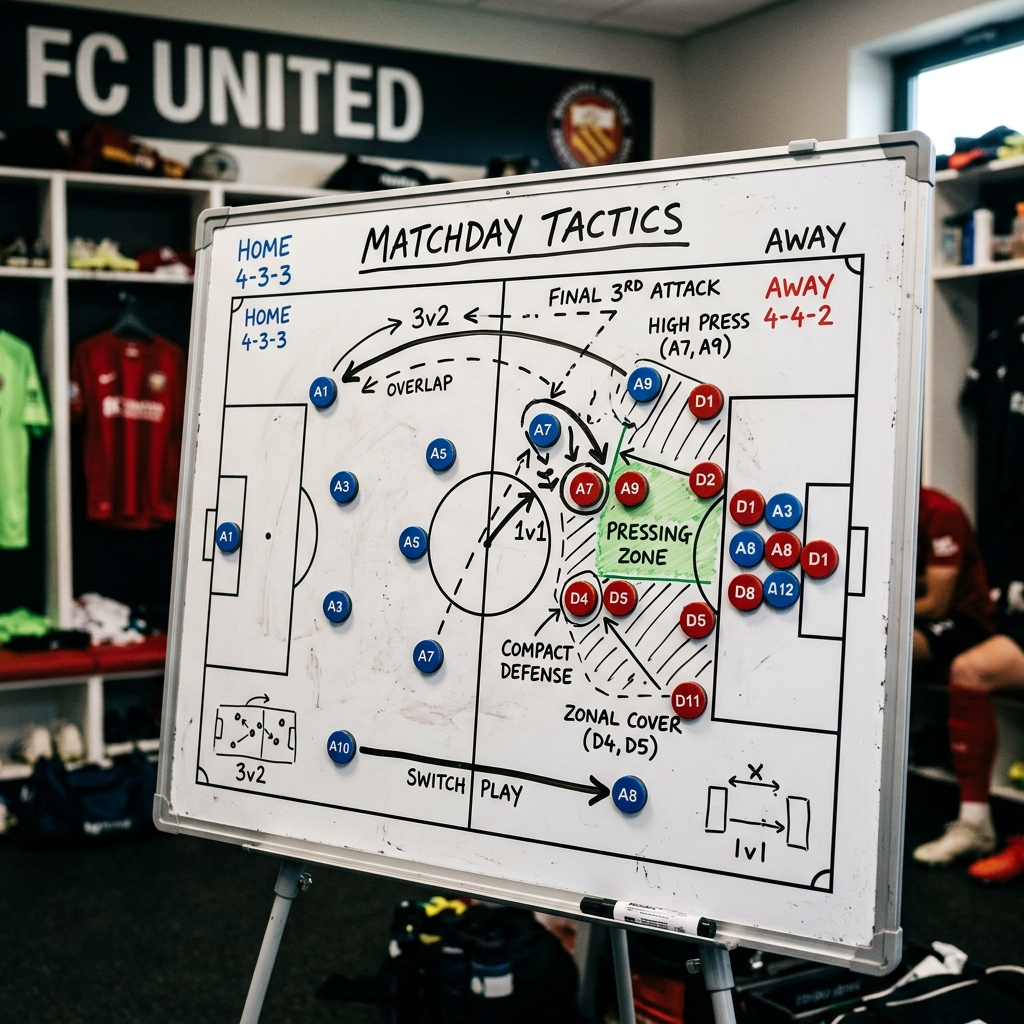
When a referee pulls out a red card for a soccer coach, the atmosphere in the stadium instantly shifts. While player dismissals are common, a coach being sent off adds a layer of drama and strategic disruption to the match. A red card means the coach is immediately dismissed from the technical area and can no longer participate in managing the team for the remainder of the game. They must head to the locker room or stands, severing direct communication with their players and staff.
But the impact doesn’t end when the final whistle blows. Dismissed coaches typically face further disciplinary actions, including match suspensions and substantial fines. In their absence, the assistant coach steps up to take charge. Let’s explore exactly what triggers this severe punishment and the ripple effects it creates for the entire squad throughout the season.
Quick Answer
- Immediate Dismissal: The coach must leave the technical area immediately and head to the stands or dressing room.
- No Communication: They are strictly forbidden from communicating with the team or the assistant coach during the remainder of the match.
- Suspension and Fines: A red card automatically triggers at least a one-match touchline ban, often accompanied by financial penalties from the league.
Contents
- Why Can a Soccer Coach Receive a Red Card?
- Foul Language and Dissent
- Interfering with Play
- Violent Conduct
- Immediate Consequences: What Happens During the Match?
- Leaving the Technical Area
- The Communication Ban
- Long-Term Consequences: Suspensions and Fines
- Notable Examples of Coaches Getting Sent Off
- The Ripple Effect on the Team
- Frequently Asked Questions
Why Can a Soccer Coach Receive a Red Card?
Referees possess the authority to discipline not just the 22 players on the pitch, but anyone occupying the technical area. In 2019, the International Football Association Board (IFAB) updated the rules to allow referees to show yellow and red cards to team officials, clarifying the disciplinary process.
Foul Language and Dissent
The most common reason for a coach’s dismissal is abusive language or extreme dissent. If a manager aggressively disputes a referee’s decision, uses profanity, or insults the match officials, a red card is the standard response. Referees have zero tolerance for behavior that undermines their authority, threatens their safety, or creates a hostile environment on the touchline.
Interfering with Play
A coach cannot physically interfere with the match under any circumstances. Deliberately throwing a ball onto the pitch to disrupt an opponent’s attack, physically blocking an opposing player taking a throw-in, or entering the field of play without the referee’s explicit permission will result in an immediate sending off. Coaches must respect the boundaries of the technical area.
Violent Conduct
Physical altercations, whether with an opposing coach, a player, a fan, or a match official, carry the most severe penalties. Any form of violent conduct ensures a straight red card and usually results in a lengthy, multi-game suspension determined by the league’s disciplinary committee. This also includes throwing objects like water bottles in frustration.
Immediate Consequences: What Happens During the Match?
The moment the red card is shown, a strict protocol is set into motion that fundamentally alters how the team operates for the rest of the game.
Leaving the Technical Area
The dismissed coach cannot linger on the sidelines or attempt to debate the decision. They must immediately relocate to a designated area out of sight, typically the stadium stands or the locker room. They are no longer allowed to stand in the technical area, sit on the substitutes’ bench, or remain in the tunnel.
The Communication Ban
Once sent off, the manager is officially prohibited from communicating with the team. They cannot relay tactical changes via radio, phone, or messengers. The assistant coach assumes full responsibility for substitutions, tactical adjustments, and team motivation. If officials catch the dismissed coach using an earpiece or sending notes to the bench, further sanctions will be applied.
Long-Term Consequences: Suspensions and Fines
The disciplinary action extends far beyond the 90 minutes of the match. Governing bodies take managerial misconduct seriously and impose structured penalties to maintain order.
A touchline ban prevents the coach from being in the technical area or dressing room before and during future games, though they can usually watch from the executive boxes. A stadium ban is the harshest penalty, forbidding the coach from even entering the stadium premises on match day.
Notable Examples of Coaches Getting Sent Off
History is filled with high-profile managers who let their emotions get the better of them. Jose Mourinho has famously received numerous red cards throughout his career for arguing with officials and kicking water bottles. Arsene Wenger was notably sent to the stands at Old Trafford, leading to the iconic image of him standing among Manchester United fans with his arms outstretched. These incidents highlight that even the most experienced tactical minds can succumb to the intense pressure of the game.
The Ripple Effect on the Team
A manager’s absence often forces the team to adapt quickly. While some squads rally around the assistant coach and find extra motivation through a “siege mentality,” others may struggle without their leader’s real-time tactical adjustments and commanding presence. The sudden shift in dynamics tests the squad’s preparation and the assistant manager’s ability to handle high-pressure situations under the spotlight.
When analyzing these situations, it’s clear that a coach’s discipline is just as crucial as a player’s. Keeping a cool head ensures the team retains its strategic advantage when it matters most, making the difference between a hard-fought victory and a chaotic defeat.
Frequently Asked Questions
Can a red-carded coach talk to the team at half-time?
No, a dismissed coach is strictly forbidden from entering the dressing room or communicating with the team during the half-time break. They must remain completely isolated from the squad.
Does a coach’s red card mean the team plays with 10 men?
No, a red card for a coach does not reduce the number of players on the field. The team continues to play with a full 11-man squad, only losing their manager on the touchline.
Who manages the team if the head coach is sent off?
The designated assistant manager or the first-team coach immediately takes over all touchline duties, including deciding on substitutions and shouting tactical instructions to the players.
Can a club appeal a coach’s red card?
Yes, clubs can appeal a red card to the league’s disciplinary committee if they believe the decision was clearly incorrect. However, successful appeals are rare unless there is definitive video evidence of a refereeing error.
{
“@context”: “https://schema.org”,
“@type”: “FAQPage”,
“mainEntity”: [
{
“@type”: “Question”,
“name”: “Can a red-carded coach talk to the team at half-time?”,
“acceptedAnswer”: {
“@type”: “Answer”,
“text”: “No, a dismissed coach is strictly forbidden from entering the dressing room or communicating with the team during the half-time break. They must remain completely isolated from the squad.”
}
},
{
“@type”: “Question”,
“name”: “Does a coach’s red card mean the team plays with 10 men?”,
“acceptedAnswer”: {
“@type”: “Answer”,
“text”: “No, a red card for a coach does not reduce the number of players on the field. The team continues to play with a full 11-man squad, only losing their manager on the touchline.”
}
},
{
“@type”: “Question”,
“name”: “Who manages the team if the head coach is sent off?”,
“acceptedAnswer”: {
“@type”: “Answer”,
“text”: “The designated assistant manager or the first-team coach immediately takes over all touchline duties, including deciding on substitutions and shouting tactical instructions to the players.”
}
},
{
“@type”: “Question”,
“name”: “Can a club appeal a coach’s red card?”,
“acceptedAnswer”: {
“@type”: “Answer”,
“text”: “Yes, clubs can appeal a red card to the league’s disciplinary committee if they believe the decision was clearly incorrect. However, successful appeals are rare unless there is definitive video evidence of a refereeing error.”
}
}
]
}