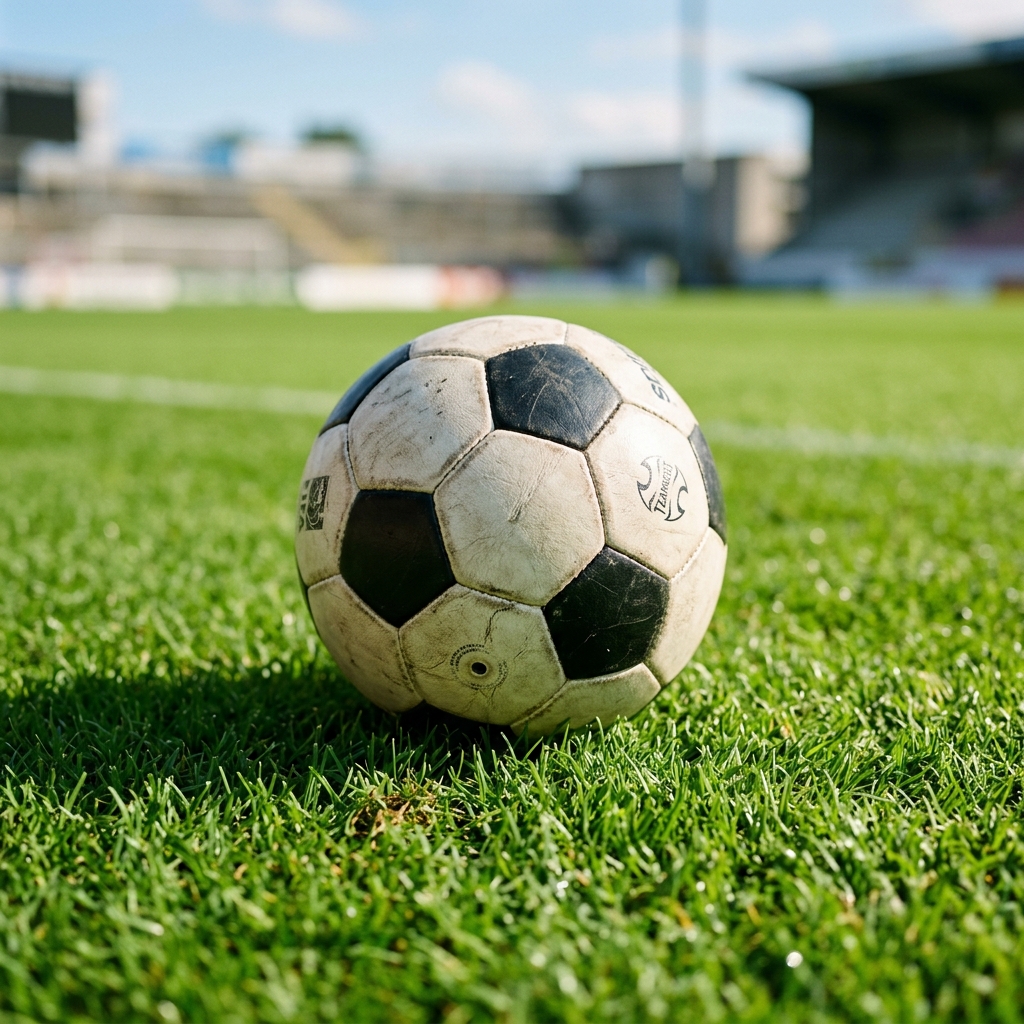
Understanding the proper PSI for a soccer ball is a crucial measurement that directly impacts your performance, ball control, and overall safety on the field. Most standard adult soccer balls require a pressure between 8.5 and 15.6 PSI (0.6 to 1.1 BAR). If the ball is too soft, it will feel sluggish and heavy. If it is too hard, it can be difficult to control and may even cause injury during headers.
Key Takeaways
- FIFA regulations state that an official size 5 soccer ball must be inflated to a pressure between 8.5 and 15.6 PSI at sea level.
- Youth sizes (sizes 3 and 4) often require slightly lower pressure, usually around 6 to 8 PSI, to prevent injury and make the ball easier to kick.
- Temperature affects ball pressure; balls lose pressure in cold weather and expand in hot weather, so you should always check the PSI before playing.
Contents
The Basics of Soccer Ball PSI
PSI stands for “Pounds per Square Inch,” which is the standard unit of measurement used in the United States to gauge the internal air pressure of a soccer ball. The rest of the world typically uses BAR or kilopascals (kPa). To put it into perspective, 1 BAR is equivalent to approximately 14.5 PSI. When you check the valve area of your soccer ball, you will usually find the manufacturer’s recommended pressure range printed right next to it.
Maintaining the proper soccer ball pressure is not just about adhering to rules. It fundamentally changes the aerodynamics and bounce of the ball. A ball inflated to the correct specifications ensures optimal energy transfer from your foot, allowing for powerful shots and accurate passes.
Why PSI Matters for Performance
The right inflation level dictates how the ball reacts when struck, passed, or headed. When a ball is under-inflated, it absorbs the impact of your foot, reducing the speed and distance of your passes and shots. This makes the game feel slower and forces players to expend more energy to move the ball around the pitch.
Conversely, an over-inflated soccer ball acts like a rock. It bounces unpredictably, is harder to trap, and increases the risk of concussions or foot injuries. In professional matches, officials meticulously check the PSI before kickoff to guarantee a fair and predictable game for both teams.
- Consistent bounce and predictable flight path
- Better energy transfer for long shots
- Reduced risk of foot and head injuries
- Sluggish gameplay and poor control
- Increased wear and tear on the ball’s stitching
- Higher chance of stinging impacts or concussions
Recommended PSI by Ball Size and Age
Not all soccer balls are created equal, and neither are the players who use them. Younger players need a softer ball to build confidence and learn proper technique without fear of getting hurt. Adult and professional matches demand a harder ball for high-speed play.
| Ball Size | Target Age Group | Recommended PSI |
|---|---|---|
| Size 3 | Ages 8 and under | 6.0 – 8.0 PSI |
| Size 4 | Ages 8 to 12 | 8.0 – 10.0 PSI |
| Size 5 | Ages 13 and up | 8.5 – 15.6 PSI |
How to Measure and Adjust PSI
To accurately measure your soccer ball’s pressure, you will need a specialized low-pressure sports gauge. Do not rely on bicycle or car tire gauges, as they are not sensitive enough for the low ranges required by sports balls. Always lubricate the needle with a drop of glycerin or water before inserting it into the valve.
Insert the needle straight down to avoid puncturing the bladder inside. If the ball is over-inflated, most gauges have a release valve you can press to slowly let air out until you reach the target PSI. If it needs more air, use a hand pump to add short bursts of air, checking the gauge frequently.
Pro Tip
Never inflate a soccer ball while it is freezing cold. Let the ball warm up to room temperature before pumping air into it. This prevents the bladder from becoming brittle and tearing during inflation.
Common Mistakes to Avoid
One of the most frequent mistakes players make is the “squeeze test.” Pressing your thumbs into the ball is highly inaccurate and can lead to playing with an improperly inflated ball. Always use a proper gauge to be sure.
Another error is leaving soccer balls in the trunk of a car. Extreme heat causes the air inside the ball to expand rapidly, which can stretch the stitching and ruin the ball’s shape permanently. Similarly, cold weather will cause the ball to deflate slightly, so you must recalibrate the PSI before your winter training sessions.
Frequently Asked Questions
What happens if a soccer ball has too much PSI?
An over-inflated soccer ball becomes excessively hard and bouncy. This makes it difficult to control, increases the speed of the ball dangerously, and raises the risk of impact injuries for players.
Can I inflate a soccer ball without a gauge?
While you can use a pump to inflate a ball until it feels firm, you cannot accurately determine the PSI without a gauge. It is highly recommended to invest in a sports pressure gauge for consistency.
Do new soccer balls come fully inflated?
Most new soccer balls are shipped deflated or semi-deflated to save on shipping costs and prevent damage from pressure changes during transit. You will almost certainly need to inflate a new ball to the proper PSI before use.
How often should I check my soccer ball’s pressure?
You should check your soccer ball’s pressure at least once a week if you play regularly, or before every official match. Changes in weather and regular use will naturally cause the ball to lose pressure over time.
Take Control of Your Game
Understanding and maintaining the proper PSI for a soccer ball is a simple yet vital habit that separates casual kickabouts from serious play. By keeping your ball inflated within the recommended 8.5 to 15.6 PSI range, you ensure maximum durability of your equipment and peak performance on the field. Don’t let an under-inflated ball hold back your skills—grab a reliable gauge, check your pressure, and step onto the pitch with confidence.
{
“@context”: “https://schema.org”,
“@type”: “FAQPage”,
“mainEntity”: [
{
“@type”: “Question”,
“name”: “What happens if a soccer ball has too much PSI?”,
“acceptedAnswer”: {
“@type”: “Answer”,
“text”: “An over-inflated soccer ball becomes excessively hard and bouncy. This makes it difficult to control, increases the speed of the ball dangerously, and raises the risk of impact injuries for players.”
}
},
{
“@type”: “Question”,
“name”: “Can I inflate a soccer ball without a gauge?”,
“acceptedAnswer”: {
“@type”: “Answer”,
“text”: “While you can use a pump to inflate a ball until it feels firm, you cannot accurately determine the PSI without a gauge. It is highly recommended to invest in a sports pressure gauge for consistency.”
}
},
{
“@type”: “Question”,
“name”: “Do new soccer balls come fully inflated?”,
“acceptedAnswer”: {
“@type”: “Answer”,
“text”: “Most new soccer balls are shipped deflated or semi-deflated to save on shipping costs and prevent damage from pressure changes during transit. You will almost certainly need to inflate a new ball to the proper PSI before use.”
}
},
{
“@type”: “Question”,
“name”: “How often should I check my soccer ball’s pressure?”,
“acceptedAnswer”: {
“@type”: “Answer”,
“text”: “You should check your soccer ball’s pressure at least once a week if you play regularly, or before every official match. Changes in weather and regular use will naturally cause the ball to lose pressure over time.”
}
}
]
}