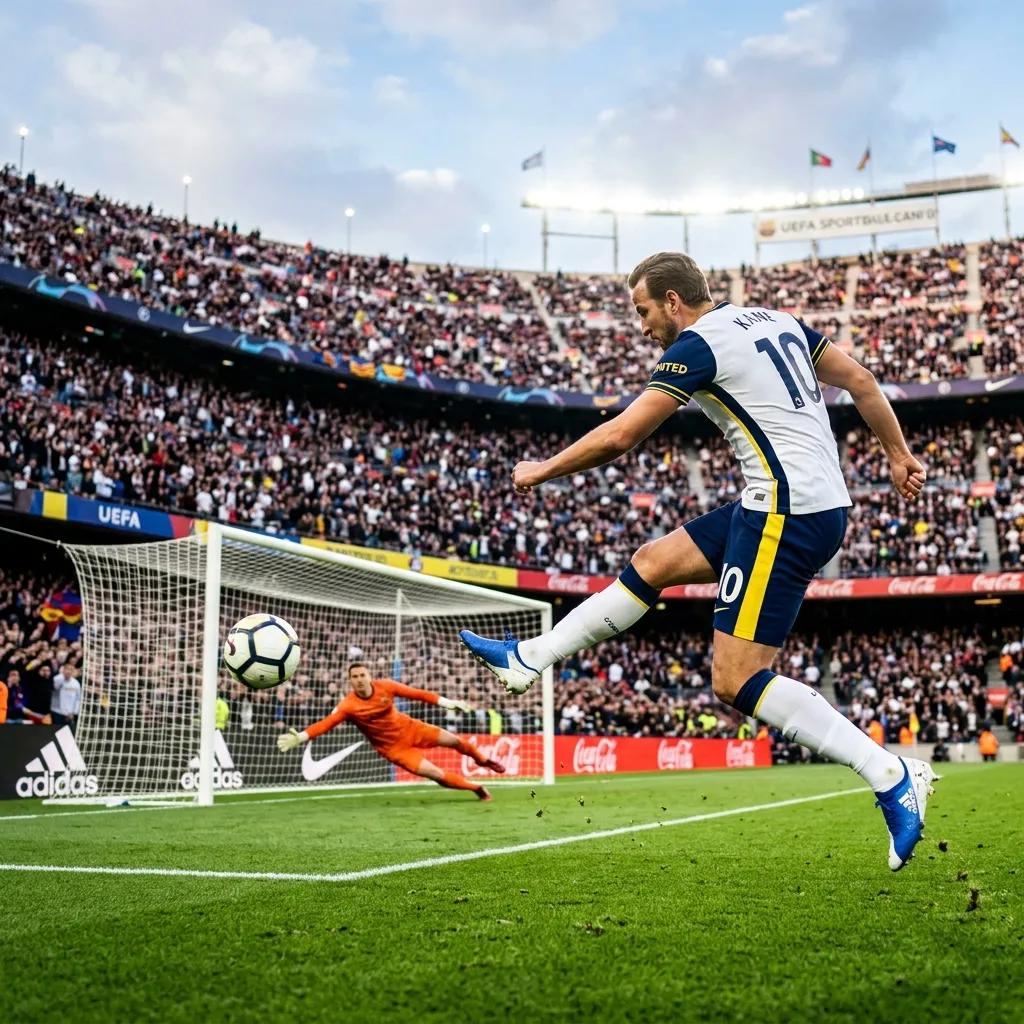
Watching your youth soccer player struggle to clear the ball or take a powerful shot can be incredibly frustrating. Many parents and coaches mistakenly believe that kicking power is solely a product of natural size and raw strength. The good news is that kicking power isn’t just about how big you are; it’s heavily reliant on proper technique, precise timing, and targeted practice.
If you’ve noticed your player’s shots lacking that explosive “pop,” or if their passes are constantly intercepted because they lack velocity, it is time to shift the focus. By isolating the mechanical components of a strike and incorporating specific exercises into their routine, any youth player can significantly increase their kicking power.
Contents
- Why Kicking Power Matters in Youth Soccer
- 7 Best Drills to Improve Kicking Power
- 1. The Wall Pass Power Drill
- 2. Dead Ball Power Strikes
- 3. Resistance Band Kicking Mimic
- 4. The Drop Kick (Half-Volley) Drill
- 5. Target Practice with Distance Progression
- 6. Plyometric Box Jumps
- 7. The Follow-Through Landing Focus
- Essential Technique Tips for Powerful Kicks
- Frequently Asked Questions (FAQ)
- Can a physically small or weak player have a strong kick?
- How long does it take to see improvements in kicking power?
- Is it better to practice power drills with a lighter or heavier ball?
Why Kicking Power Matters in Youth Soccer
In youth soccer, developing a powerful kick opens up a whole new dimension of the game. It allows players to execute long diagonal passes, clear the ball effectively from dangerous defensive zones, and realistically score goals from outside the penalty area. As players age and the field gets larger, the physical demands of the game increase. A player who cannot drive the ball over long distances will find themselves limited in their positional play and overall impact on the field.
Furthermore, developing this skill early builds immense confidence. There is a psychological boost that comes from hitting a clean, powerful shot. It makes the game significantly more enjoyable and encourages players to take calculated risks, ultimately accelerating their overall development as athletes.
7 Best Drills to Improve Kicking Power
1. The Wall Pass Power Drill
This simple yet highly effective drill involves passing the ball firmly against a solid wall or rebounder. The primary focus should be on striking the ball cleanly with the laces and locking the ankle upon impact. The speed of the rebound provides immediate, tangible feedback on the power generated. Have the player stand about ten yards away and continuously strike the returning ball, focusing on a quick snap of the lower leg.
2. Dead Ball Power Strikes
Place the ball on a specific, stationary spot (like the penalty mark) and have the player take a deliberate run-up. The objective is to generate maximum power while strictly maintaining technique. Make sure they are leaning slightly over the ball to keep the shot low and driven. This drill isolates the striking motion without the variable of a moving ball, allowing the player to focus entirely on their mechanics and power generation.
3. Resistance Band Kicking Mimic
Attach a resistance band to a sturdy post and wrap the other end around the player’s kicking ankle. Have them slowly and deliberately practice the kicking motion against the resistance. This exercise isolates and builds the specific hip flexor, quad, and core muscles used during a powerful strike. It trains the body to recruit more muscle fibers during the explosive phase of the kick.
4. The Drop Kick (Half-Volley) Drill
Holding the ball at waist height, the player drops it and strikes it just as it bounces off the ground—creating a half-volley. This is an advanced timing exercise that forces the player to strike through the ball explosively. Because the ball is carrying upward momentum, striking it at the precise moment it hits the ground requires a fast, powerful leg snap, training the nervous system for speed.
5. Target Practice with Distance Progression
Set up targets in the goal, such as cones in the bottom corners or target nets. Start the player relatively close to the goal (e.g., top of the penalty box). Once they can consistently hit the targets with power, gradually move them further back. They must learn to increase their striking power to reach the target without sacrificing their accuracy or compromising their form.
6. Plyometric Box Jumps
While not a direct on-the-ball kicking drill, explosive leg strength is the absolute foundation for kicking power. Incorporating basic plyometric jumps—like box jumps or broad jumps—helps youth players develop the fast-twitch muscle fibers required for a booming shot. A more explosive lower body translates directly to higher club-head speed (or in this case, foot speed) through the ball.
7. The Follow-Through Landing Focus
Have players kick the ball and consciously attempt to land on their kicking foot. If a player strikes with their right foot, their momentum should carry them forward so that their right foot is the first to touch the ground after the strike. This ensures their body weight and momentum carry completely through the ball, maximizing the transfer of kinetic energy.
Essential Technique Tips for Powerful Kicks
Even with the best conditioning and the most rigorous drill routines, poor mechanical form will severely limit a player’s power output. Here is a breakdown comparing common mechanical mistakes against the proper technique required for a powerful strike.
| Element of Strike | Common Mistake (Power Killer) | Proper Technique (Power Generator) |
|---|---|---|
| Plant Foot Placement | Placed too far behind or too wide from the ball. | Placed directly next to the ball, with toes pointing exactly at the target. |
| Ankle Rigidity | Floppy or relaxed ankle during contact, absorbing energy. | Locked ankle, with toes pointed slightly down, creating a hard surface. |
| Upper Body Posture | Leaning backward during the strike, sending the ball high over the goal. | Leaning slightly over the ball, keeping the shot low, driven, and powerful. |
| Follow-Through Phase | Stopping the leg immediately after contact, acting like a bunt. | Swinging fully through the ball, ideally landing forward on the kicking foot. |
Frequently Asked Questions (FAQ)
Can a physically small or weak player have a strong kick?
Absolutely. Kicking power comes primarily from biomechanics, technique, and timing, rather than just sheer muscle mass. A smaller player with a perfect run-up, a locked ankle, and an excellent follow-through will consistently kick harder than a stronger player who has poor mechanics.
How long does it take to see improvements in kicking power?
With consistent and focused practice (spending 15-20 minutes on specific striking drills 2-3 times a week), a youth player can begin to see noticeable improvements in their kicking power in as little as 3 to 4 weeks. Muscle memory takes time to adapt, so patience is key.
Is it better to practice power drills with a lighter or heavier ball?
Youth players should always practice with the correct size and weight ball designated for their specific age group. Using a ball that is too heavy can completely disrupt a player’s technique and significantly increases the risk of hip, knee, or ankle injuries.