Contents
The Honest Truth About Goalkeeper Rules
Goalkeepers are the only players allowed to use their hands in soccer, but they can only do so within their own penalty area and not when a teammate intentionally passes the ball to them using their feet.
Key Takeaways
- Hands are only allowed inside the 18-yard box.
- The back-pass rule prevents picking up deliberate passes from teammates.
- Goalkeepers cannot handle the ball outside the penalty area.
Can a Goalkeeper Use Their Hands Anywhere on the Field?
A common myth among new players is that a goalie can use there hands anywhere on the field. In reality, goalies CANNOT use their hands anywhere on the pitch; goalkeeper privileges apply strictly and exclusively within their own 18-yard penalty area.
Under IFAB Law 12, as soon as a goalkeeper steps outside the boundary line of their 18-yard box, they are governed by the exact same rules as any outfield player. Touching the ball with their hands or arms outside this zone is an illegal handball infraction.
- Inside the 18-Yard Box: The goalkeeper has full handling privileges to catch, hold, or parry the ball (excluding illegal back-passes).
- Outside the 18-Yard Box: Handling the ball is strictly prohibited under all circumstances.
- Boundary Rule: The call depends on the position of the ball, not the goalkeeper’s feet. As long as any portion of the ball is touching or over the 18-yard penalty line, the goalkeeper may use their hands even if their body is standing outside the box.
What Happens If a Goalkeeper Uses Hands Outside the Penalty Area?
If a goalkeeper handles the ball outside the penalty area, IFAB Law 12 mandates specific disciplinary and tactical sanctions depending on the match situation:
- Direct Free Kick: The opposing team is awarded a direct free kick from the exact spot where the handball occurred outside the box.
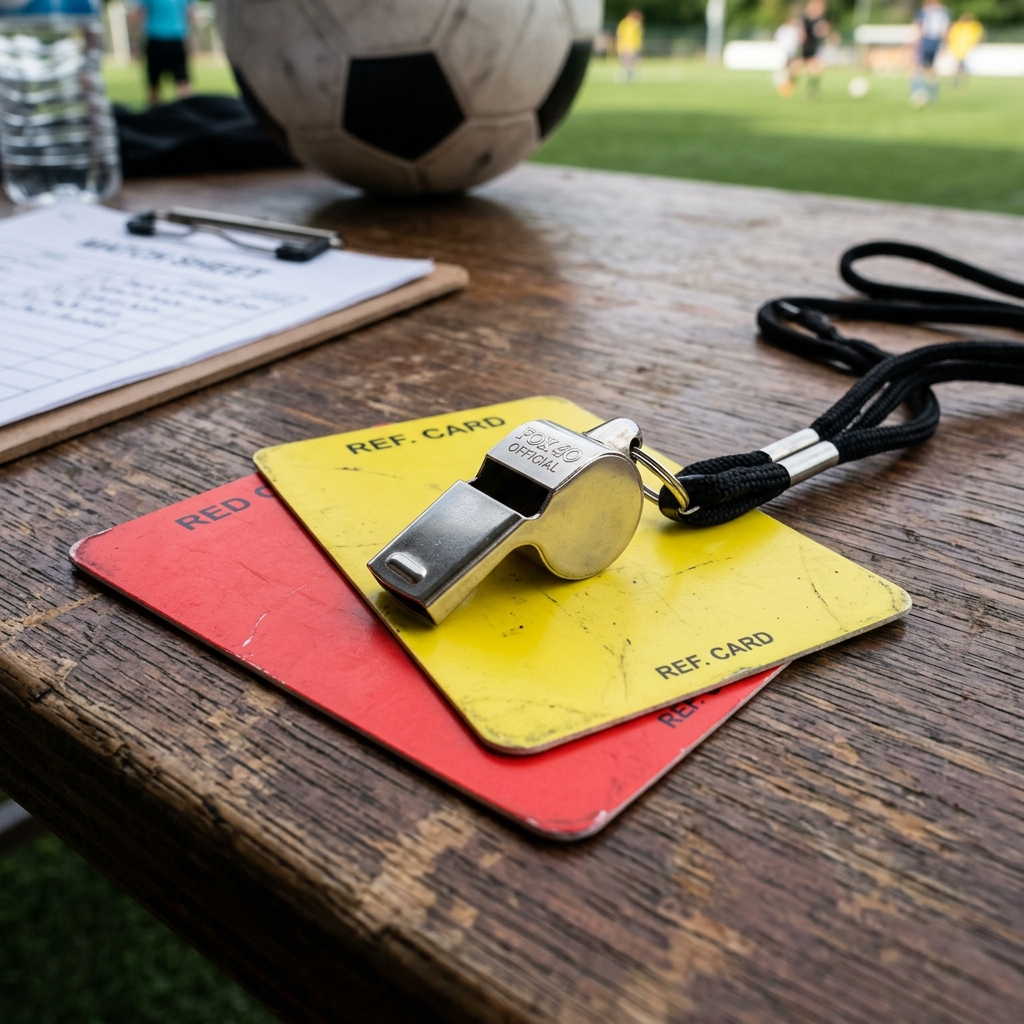
- Yellow Card (Unsporting Behavior): If the handball stops a promising attacking transition for the opposition, the referee cautions the goalkeeper with a yellow card.
- Red Card (DOGSO): If the handling denies an obvious goal-scoring opportunity (DOGSO)—such as stopping a goal-bound shot outside the box or denying an attacker clean through—the referee will issue a straight red card.
Common examples include sliding outside the box during a breakaway save attempt or misjudging high bounce trajectory outside the 18-yard line.
The Penalty Area Restriction
A goalkeeper’s special privilege is strictly confined to the penalty area. If they handle the ball outside this box, it results in a direct free kick for the opposing team and a potential red card.
The Back-Pass Rule
Introduced in 1992, the back-pass rule changed soccer forever. Goalkeepers can no longer pick up the ball if a teammate intentionally kicks it back to them. They can, however, pick it up if it was headed or chested back.
Pros and Cons of the Back-Pass Rule
| Pros | Cons |
|---|---|
| Speeds up the game significantly. | Forces goalkeepers to use their feet under pressure. |
| Prevents negative time-wasting tactics. | Can lead to costly mistakes. |
FAQ
Can a goalkeeper use their hands outside the box? No, a goalkeeper cannot use their hands outside the penalty area under any circumstances.
Can a goalie pick up a throw-in? No, a goalie cannot pick up the ball directly from a teammate’s throw-in.
Can a goalie use their hands anywhere on the field? No. A goalkeeper can only use their hands inside their own 18-yard penalty area. If a goalkeeper touches the ball with their hands outside the penalty area, it is penalised as an illegal handball, resulting in a direct free kick for the opposing team and potentially a red card.
Can a goalie pick up a ball passed back from a teammate’s feet? No, under IFAB Law 12 back-pass rule, a goalkeeper cannot use their hands if a teammate intentionally kicks the ball to them with their foot or from a throw-in.
Upgrade your goalkeeper knowledge and stay sharp on the pitch!